The Window Solar Heat Gain Coefficient (SHGC): What Number You Need by Climate
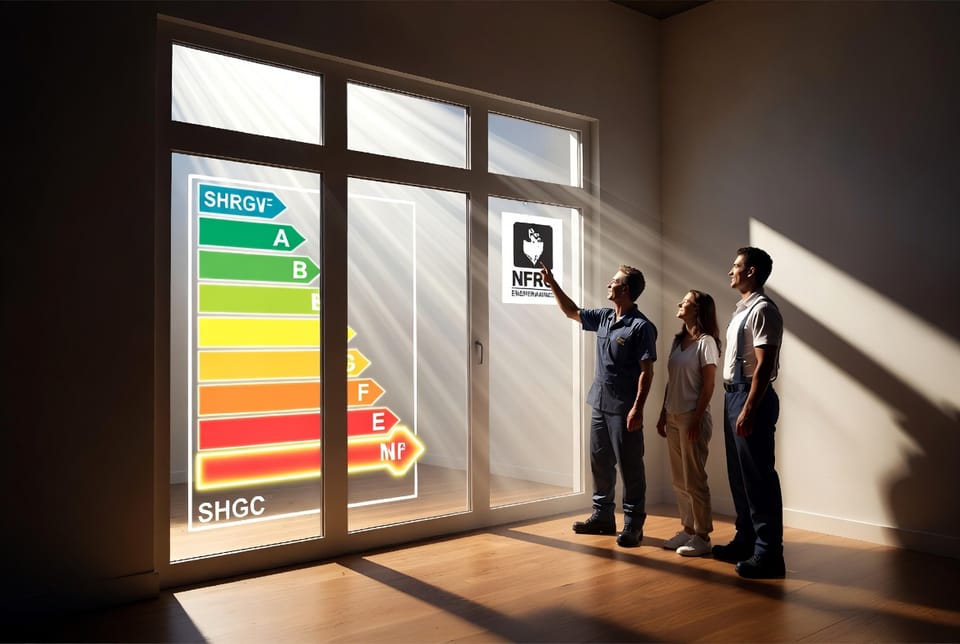
Windows are more than just views to the outside world—they play a critical role in your home’s energy efficiency, comfort, and overall performance. One of the most important yet often overlooked ratings on modern windows is the Solar Heat Gain Coefficient (SHGC). This single number can dramatically impact your heating and cooling costs, indoor temperature stability, and even your carbon footprint depending on where you live.
Get Expert SHGC Window Recommendations Today – Call Now!
In this comprehensive guide, we’ll break down exactly what SHGC measures, how it works with other energy ratings, and—most importantly—which SHGC values make the most sense for your specific climate. Whether you’re replacing windows in a cold northern region, a scorching southern heat zone, or a variable mixed climate, choosing the right SHGC helps you harness or block the sun’s energy intelligently.
Why SHGC Matters More Than Ever
With rising energy prices and increasing focus on sustainable living, homeowners are turning to performance metrics like SHGC to make smarter window investments. Selecting the optimal SHGC can reduce energy bills by 10-30% annually while improving year-round comfort. Let’s dive deep into this essential window specification.
What Is the Solar Heat Gain Coefficient (SHGC)?
SHGC is a dimensionless number between 0 and 1 that represents the fraction of solar radiation admitted through a window—both directly transmitted and absorbed then released inward. A window with an SHGC of 0.70, for example, admits 70% of the sun’s heat energy.
This rating is part of the broader National Fenestration Rating Council (NFRC) energy performance label you’ll find on quality windows. The NFRC label provides standardized, third-party verified data including:
- U-Factor (how well the window prevents heat loss)
- Solar Heat Gain Coefficient (SHGC)
- Visible Transmittance (VT) – amount of visible light passing through
- Air Leakage – how much air infiltrates
SHGC specifically focuses on solar heat. It accounts for the entire window assembly—not just the glass—including the frame and spacers. Lower SHGC values block more heat, while higher values allow more solar gain.
Understanding SHGC empowers you to make climate-appropriate choices rather than relying on generic “energy efficient” marketing claims.
How SHGC Affects Your Home Throughout the Seasons
Solar heat gain isn’t inherently good or bad—it depends entirely on your climate and seasonal needs.
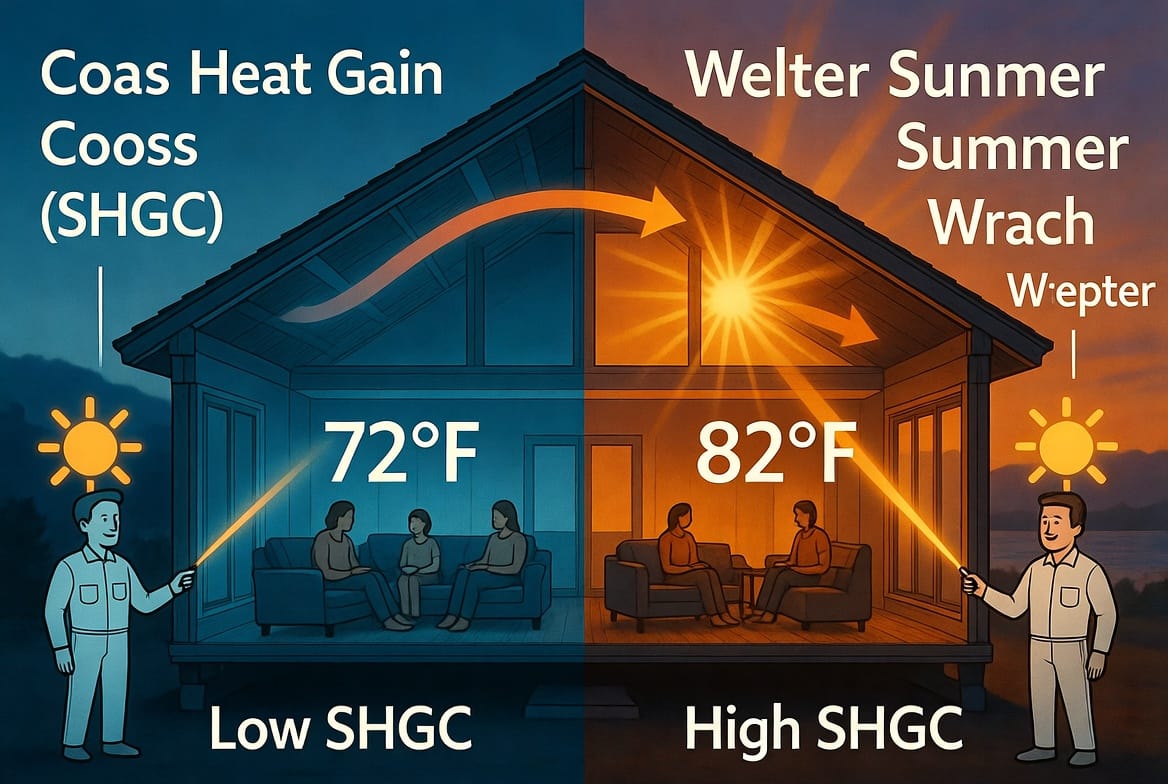
In Summer (Cooling Season):
High SHGC windows allow excessive solar radiation to enter, turning your home into a greenhouse. This forces your air conditioning system to work harder, driving up energy costs and reducing comfort.
In Winter (Heating Season):
Strategic solar gain through higher SHGC windows provides valuable passive solar heating. The sun’s rays warm interior surfaces during the day, reducing the need for furnace or heat pump operation.
The interaction between SHGC, window orientation, shading, and local climate creates opportunities for significant energy optimization.
Recommended SHGC Values by Climate Zone
Climate is the primary driver when selecting SHGC. Here are authoritative guidelines based on established building science:
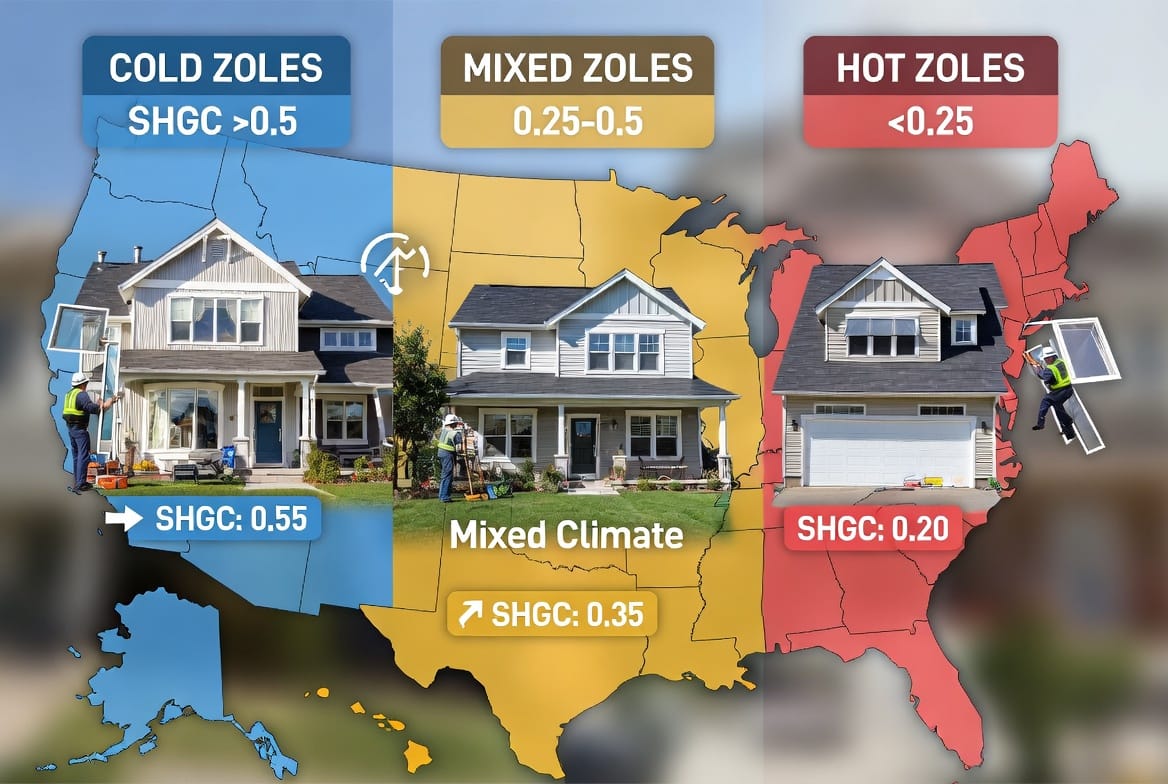
Cold Climates (Zones 5–8)
In northern regions with long, cold winters and moderate summers, prioritize high SHGC—typically greater than 0.5, and ideally 0.55–0.70 or higher on south-facing windows.
Key Benefits:
- Maximizes passive solar heating
- Reduces winter heating costs
- Improves daylighting and comfort
Practical Tips:
- Use higher SHGC on south exposures
- Combine with proper overhangs or deciduous trees for summer shading
- Consider triple-pane windows with high-performance coatings
Homeowners in states like Minnesota, Wisconsin, or New England often see the biggest returns from high-SHGC strategies.
Hot Climates (Zones 1–2)
In southern and southwestern areas with intense year-round sun and high cooling demands, select low SHGC—generally less than 0.25, with many high-performance options reaching 0.15–0.20.
Advantages:
- Dramatically reduces cooling loads
- Prevents overheating and glare
- Lowers air conditioning runtime and maintenance
Best Practices:
- East and west windows benefit most from low SHGC
- Pair with reflective coatings and exterior shading
- Consider spectrally selective glass that blocks heat while allowing visible light
Mixed Climates (Zones 3–4)
For transitional areas with both heating and cooling needs (much of the central and mid-Atlantic U.S.), aim for moderate SHGC values between 0.25 and 0.50.
Balanced Approach:
- South-facing: Slightly higher SHGC (0.40–0.50)
- East/West: Lower SHGC (0.25–0.35)
- North-facing: Can tolerate higher values since solar exposure is minimal
This flexible strategy captures beneficial winter gain while managing summer heat
Beyond SHGC: Integrating with Other Window Performance Factors
SHGC doesn’t work in isolation. For optimal results, consider these complementary metrics:
- U-Factor: Lower is better for reducing conductive heat loss (aim for 0.25–0.30 or lower in cold climates)
- Visible Transmittance (VT): Higher values preserve natural light (0.50+ is desirable)
- Frame Material: Wood, fiberglass, and vinyl offer different thermal breaks
- Glazing Technology: Low-E coatings, argon/krypton gas fills, and multiple panes enhance overall performance
Whole-window performance matters more than any single number. Quality manufacturers balance these factors to deliver windows perfectly suited to your region.
Real-World Benefits of Choosing the Right SHGC
Selecting appropriate SHGC delivers multiple advantages:
- Lower Energy Bills: Reduced heating and cooling demands
- Enhanced Comfort: More stable indoor temperatures, less hot/cold spots near windows
- Increased Home Value: Energy-efficient features appeal to modern buyers
- Environmental Impact: Lower energy consumption means reduced emissions
- Improved Durability: Better-performing windows often feature superior materials
Many homeowners report noticeable improvements in comfort within the first month after installation.
Common Myths About Window SHGC
Myth 1: “Lower SHGC is always better.”
Reality: In cold climates, this approach can increase heating costs significantly.
Myth 2: “All energy-efficient windows have similar SHGC.”
Reality: Values vary widely—always check the NFRC label.
Myth 3: “SHGC only matters for large windows.”
Reality: Even standard-sized windows contribute substantially to total solar gain.
Myth 4: “Tints are the best way to control heat.”
Reality: Modern spectrally selective coatings outperform simple tints while maintaining clearer views.
How to Verify and Choose Windows with the Right SHGC
- Look for the NFRC Label – This is your gold standard for verified performance data.
- Work with Local Experts – Professionals familiar with your climate can recommend optimal specifications.
- Consider Orientation – South-facing windows can often use higher SHGC than east or west.
- Evaluate Whole-House Needs – Factor in existing shading, insulation, and HVAC system.
- Request Energy Modeling – Some installers provide detailed projections of savings.
Pro Tip: When comparing quotes, ensure SHGC values are clearly listed for each window orientation and exposure.
Making the Smart Investment in Climate-Appropriate Windows
Upgrading to windows with the proper SHGC is one of the highest-ROI home improvements available. The right choice pays for itself through energy savings while delivering superior comfort for decades.
Whether you need high-SHGC windows to capture free solar heat in winter or low-SHGC solutions to keep your home cool in blazing summers, understanding this key metric puts you in control of your home’s energy performance.
Ready to choose windows optimized for your climate’s sun exposure? Our experienced team can help you select the perfect SHGC values and complete window systems tailored to your home and local conditions.
Stop Guessing SHGC – Get Professional Guidance Today!