The Window Glazing Types: Single, Double, Triple, and Beyond
When it comes to upgrading your home, few decisions deliver more immediate and lasting benefits than selecting the right window glazing types. Whether you’re replacing aging windows or building new, understanding the differences between single-pane, double-pane, triple-pane, and advanced glazing options can transform your living space. These choices directly impact energy efficiency, indoor comfort, noise control, and long-term costs.
Get Expert Glazing Advice for Your Climate – Call Today!
At our professional window services, we’ve helped thousands of homeowners across varying climates make smart glazing decisions that pay for themselves over time. The right glazing doesn’t just block the elements — it creates a more comfortable, quieter, and cost-effective home. In this comprehensive guide, we break down each option with clear performance data, real-world benefits, and practical advice so you can choose confidently.
Window glazing refers to the glass units within your window frames. Modern glazing goes far beyond simple glass, incorporating air or gas fills, specialized coatings, and multiple layers to deliver superior insulation and performance. Choosing correctly for your specific climate and home needs ensures you avoid common pitfalls like excessive heat loss, high utility bills, or uncomfortable drafts.
Let’s explore the options step by step.
Understanding the Basics of Window Glazing
Every window consists of one or more layers of glass separated by spacers and sealed to create an insulating unit. The number of panes, the space between them, and any added technologies determine how well the window performs.
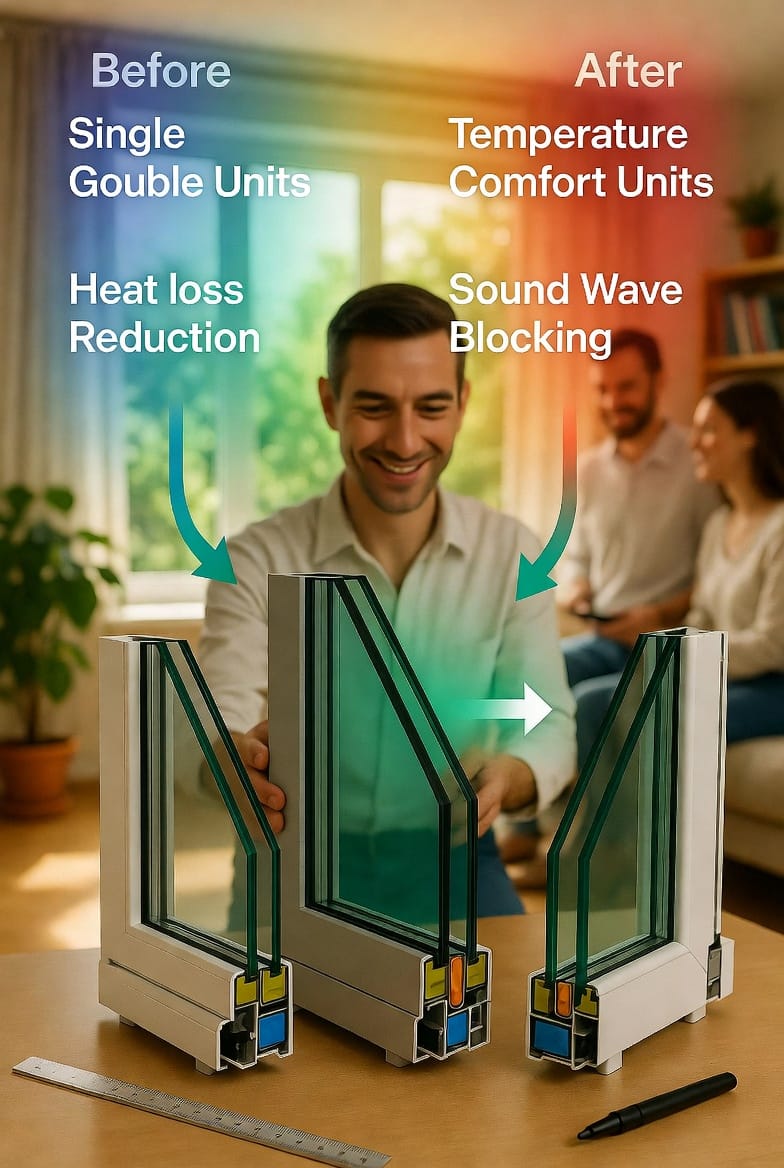
Single-pane glazing uses one sheet of glass. It was standard in homes built before the 1970s but offers minimal resistance to heat transfer or sound. Double-pane glazing adds a second layer with a sealed gap, dramatically improving insulation. Triple-pane glazing takes this further with three layers, creating two insulating gaps for maximum performance.
Beyond basic panes, manufacturers incorporate low-E coatings, inert gas fills like argon or krypton, and warm-edge spacers to enhance results even more. These technologies make today’s windows far superior to older models.
Homeowners often ask us: “Is the extra cost of more panes worth it?” The answer depends on your climate, energy rates, and how long you plan to stay in your home. We’ll cover that in detail below.
Single-Pane Windows: Simple but Outdated
Single-pane windows remain the most basic option. They consist of a single sheet of glass set into a frame. While inexpensive upfront, they fall short in nearly every performance category.
Key drawbacks include:
- High heat transfer – Warm air escapes quickly in winter; cool air slips away in summer.
- Poor sound reduction – Traffic, neighbors, and outside noise enter easily.
- Condensation issues – Single glass gets cold fast, leading to moisture buildup.
- Higher energy bills – Homes lose or gain heat rapidly through these windows.
In mild climates with low energy costs, single-pane windows may still suffice for non-living areas like garages. However, for main living spaces, we strongly recommend upgrading. The energy savings and comfort gains from modern glazing quickly outweigh the initial investment.
Many of our clients report noticeable drafts and temperature swings with single-pane setups. Replacing them is one of the most satisfying home improvements we perform.
Double-Pane Windows: The Balanced Choice for Most Homes
Double-pane windows have become the industry standard for good reason. Two layers of glass with a sealed space between them create an effective thermal barrier.
Performance highlights include:
- Significantly lower U-factor (a measure of heat transfer — lower numbers mean better insulation).
- Improved resistance to condensation.
- Moderate sound dampening.
- Excellent value for moderate climates.
Most double-pane units today feature low-E coatings that reflect heat while allowing visible light. Many also use argon gas in the gap for even better insulation without added weight.
Homeowners upgrading from single-pane windows typically see 20-30% reductions in heating and cooling costs. The windows feel warmer in winter and cooler in summer, eliminating those chilly spots near glass.
Our installation teams frequently replace single-pane units with high-quality double-pane systems. The transformation is immediate and dramatic — rooms stay comfortable longer, and utility bills drop noticeably within the first month.
Triple-Pane Windows: Superior Performance for Demanding Climates
Triple-pane windows represent the premium choice. Three glass layers create two insulating spaces, delivering the highest levels of thermal and acoustic performance available in standard residential windows.
Benefits include:
- Exceptional U-factor ratings — often 30-50% better than double-pane.
- Outstanding sound reduction — ideal for homes near busy roads, airports, or noisy neighborhoods.
- Superior condensation resistance even in extreme cold.
- Maximum energy efficiency in harsh climates.
While triple-pane windows cost more upfront and are slightly heavier, the long-term advantages are compelling in cold northern regions or areas with high energy prices. Many clients in northern states tell us the extra investment paid for itself in under seven years through reduced heating costs alone.
Our technicians note that triple-pane units also enhance home resale value. Buyers increasingly recognize the comfort and efficiency these windows provide.
Going Beyond the Basics: Advanced Glazing Technologies
Modern window manufacturers offer exciting options that take performance even further:
- Low-E coatings – Microscopic layers that reflect heat back inside during winter and block it during summer.
- Argon or krypton gas fills – Inert gases denser than air that slow heat transfer.
- Warm-edge spacers – Improved materials that reduce edge heat loss and condensation.
- Laminated glass – Extra sound and security benefits.
- Tinted or smart glass – For privacy, glare control, or even switchable tinting.
These technologies can be combined with single, double, or triple-pane configurations. The result? Windows tailored precisely to your home’s unique needs.
Performance Differences: U-Factor, Sound Reduction, and Real-World Results
Understanding key metrics helps you compare window glazing types objectively.
U-factor measures how easily heat passes through the window. Lower is better:
- Single-pane: Typically 0.9–1.2
- Double-pane: 0.25–0.50 (with low-E and gas)
- Triple-pane: 0.15–0.30
A lower U-factor translates directly into lower energy bills and greater comfort.
Sound transmission also improves with additional panes. Single-pane windows offer minimal noise reduction. Double-pane units cut external noise significantly, while triple-pane windows excel at blocking traffic, aircraft, and neighborhood sounds.
In our experience, clients in urban or high-traffic areas notice the quietest homes with triple-pane glazing. The difference feels like moving from a busy street to a peaceful retreat.
Cost-Benefit Analysis: Investment vs. Long-Term Savings
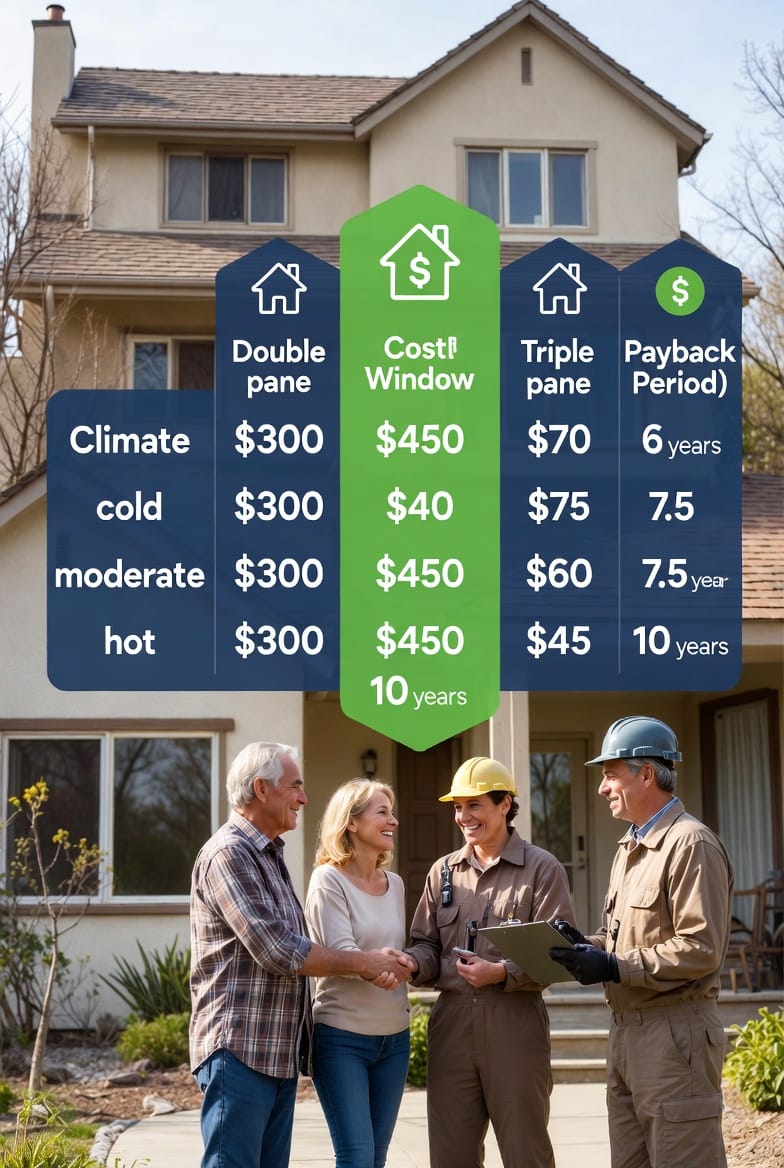
Upfront costs increase with more panes, but the payback can be rapid depending on your location:
- Single-pane: Lowest initial cost but highest ongoing energy expenses.
- Double-pane: Moderate investment with solid returns in most climates.
- Triple-pane: Higher upfront cost (typically 15–40% more than double-pane) but fastest payback in extreme cold or hot regions.
Annual energy savings from upgrading to double- or triple-pane glazing often range from hundreds to over a thousand dollars depending on home size and local rates. In cold climates, triple-pane windows frequently deliver the best return on investment. In moderate areas, high-performance double-pane units strike the ideal balance.
We always provide personalized cost-benefit analyses during consultations. Factors like local energy prices, tax incentives, and your home’s orientation all play important roles.

Choosing the Right Glazing for Your Climate and Lifestyle
Climate is the single most important factor when selecting window glazing types:
- Cold northern climates – Triple-pane with low-E and argon offers maximum savings and comfort.
- Moderate temperate zones – High-performance double-pane usually provides the best value.
- Hot southern climates – Double-pane with advanced low-E coatings excels at blocking solar heat gain.
Consider your home’s orientation, existing insulation, and personal priorities like noise reduction or maximum energy efficiency. Our experts evaluate all these variables during free in-home consultations.
Final Thoughts and Expert Recommendation
Selecting the optimal window glazing is an investment in your family’s comfort, your wallet, and your home’s future value. Whether you choose single-pane for a budget project, double-pane for balanced performance, triple-pane for ultimate efficiency, or advanced options beyond the basics, the right decision makes every day in your home more enjoyable.
We’ve seen firsthand how proper glazing transforms drafty, noisy, expensive-to-heat homes into comfortable, quiet, energy-efficient sanctuaries. The technology exists today to solve these common window problems permanently.
Choose the right glazing for your climate. Our experienced team is ready to help you evaluate options, provide accurate quotes, and complete professional installation with minimal disruption.
Find the Right Single, Double or Triple-Pane Windows – Call Now