The Vacant Home Policy: Coverage When Your Home Is Empty

In an ever-changing real estate landscape, countless homeowners face the reality of an unoccupied property. Whether preparing a house for sale, completing major renovations, relocating for work, or managing an inherited estate, an empty home requires more than standard protection. A vacant home policy delivers the precise coverage your situation demands, ensuring your investment remains fully safeguarded even when no one is living inside.
Don’t Leave Your Vacant Home Unprotected – Call Now
Standard homeowners insurance is designed for occupied residences. Once a property sits empty beyond a specific window, most policies automatically reduce or suspend certain coverages. Understanding this limitation—and the dedicated solution available—gives you the confidence to protect what matters most.
Why Standard Home Insurance Limits Coverage After 30–60 Days
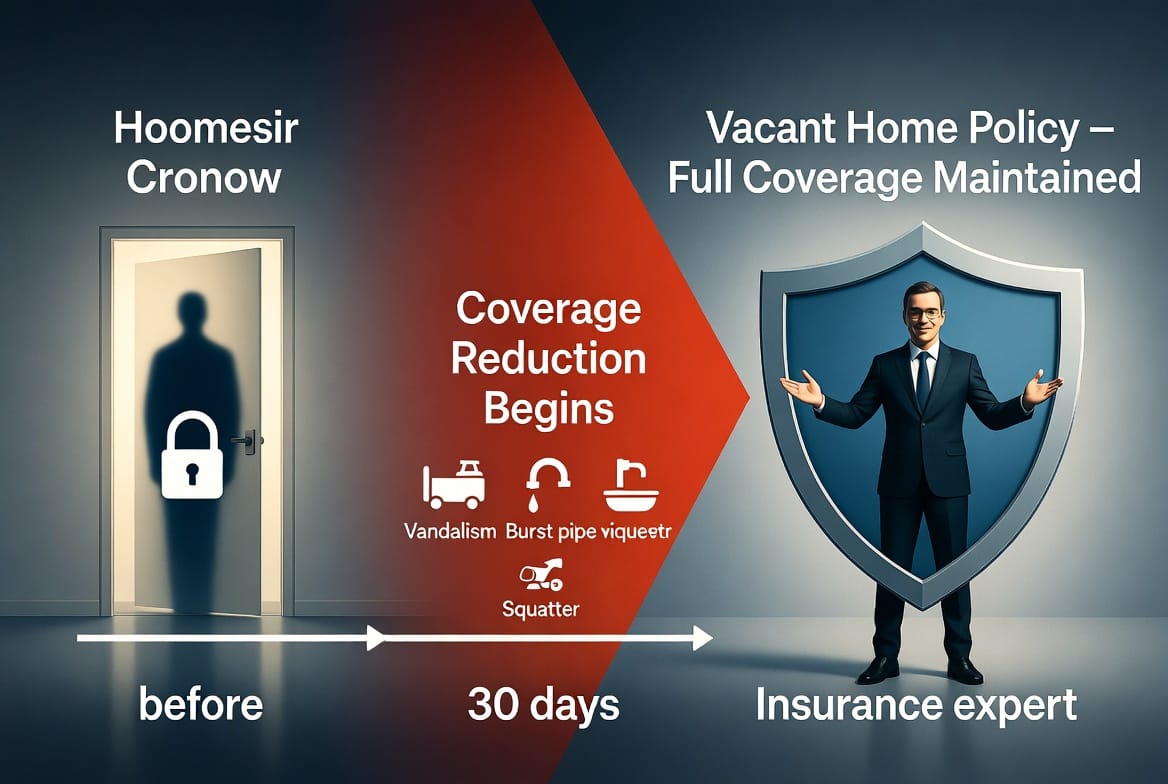
Most standard homeowners insurance policies include a vacancy clause. After 30 to 60 days of continuous vacancy (the exact period varies by carrier and state), the insurer significantly limits liability and property damage protection. Insurers impose this restriction because an unoccupied home presents heightened risk factors they are unwilling to cover under a typical occupied-home rate.
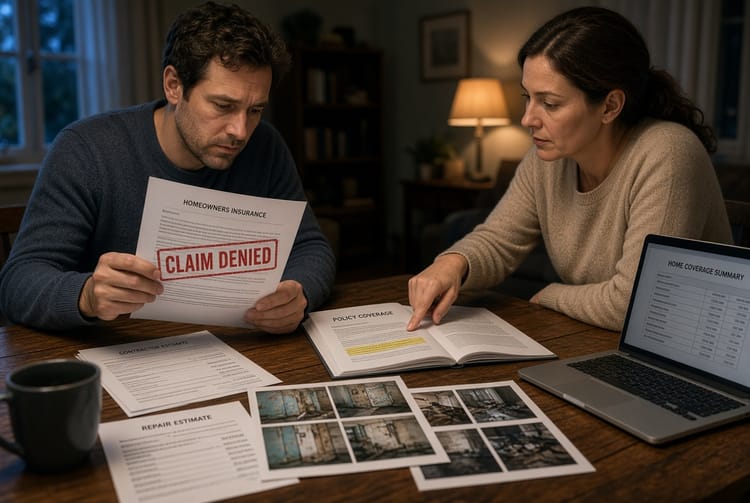
Without extended protection, you could face denied claims for incidents that occur after the vacancy window closes. This is not a minor technicality—it can leave thousands of dollars in damages uncovered at the exact moment you need support most. A vacant home policy removes this arbitrary cutoff, providing uninterrupted coverage tailored to the unique realities of an empty property.
The Real Risks of Leaving a Home Vacant
An empty house may appear quiet, yet it faces elevated threats that standard policies often stop covering after the vacancy period. Here are the most common dangers:
- Vandalism and theft — Unoccupied properties become visible targets for break-ins, graffiti, and theft of valuable fixtures such as copper wiring, appliances, or lighting.
- Frozen or burst pipes — Without regular occupancy, minor leaks or freezing temperatures can cause catastrophic water damage that spreads undetected for days or weeks.
- Squatter damage — Unauthorized occupants may cause structural harm, utility theft, or legal complications that require costly eviction and repair.
- Theft of fixtures and appliances — Built-in items like cabinets, countertops, or HVAC components disappear quickly when no one is watching.
- Weather-related damage escalation — Storm damage or roof leaks worsen rapidly without immediate attention, turning minor issues into major claims.
These risks are not hypothetical. Homeowners who rely solely on standard coverage frequently discover too late that their insurer will not pay for damages occurring after the vacancy clause activates. A vacant home policy addresses every one of these exposures head-on, delivering reassurance that your property stays protected around the clock.

What Exactly Is a Vacant Home Policy?
A vacant home policy is a specialized form of property insurance engineered for homes that remain unoccupied for extended periods. Unlike standard homeowners insurance, it does not reduce coverage after 30 or 60 days. Instead, it maintains comprehensive protection for perils including fire, windstorm, hail, vandalism, theft, water damage, and more—often with higher limits and broader terms suited to vacant properties.
These policies are underwritten with the empty-home reality in mind. Insurers evaluate the property’s condition, security measures, and planned vacancy duration, then craft coverage that eliminates the gaps standard policies create. The result is true peace of mind: your home is never left vulnerable simply because it sits empty.
Key Benefits That Set Vacant Home Coverage Apart
Choosing the right vacant home policy delivers advantages far beyond basic protection:
- Continuous coverage with no 30- or 60-day vacancy clause
- Higher limits for vandalism, theft, and water damage
- Flexible terms that match your exact vacancy timeline—whether 3 months or 3 years
- Optional endorsements such as earthquake, flood, or builder’s risk during renovations
- Discount opportunities when you install monitored alarms, smart security systems, or regular property checks
Rest assured, these policies are designed to give you control. You stay protected without paying for coverage you do not need.
Who Needs a Vacant Home Policy?
Virtually any homeowner with an empty property benefits from this specialized coverage. Common situations include:
- Homes listed for sale that remain on the market longer than expected
- Properties undergoing major renovation or restoration
- Seasonal or second homes left vacant between uses
- Probate or inherited estates awaiting final settlement
- Corporate relocations where the family has already moved
- Investment properties between tenants
In each scenario, the vacant home policy acts as your safety net, preventing financial setbacks that could derail your plans.
Real Scenarios Where Vacant Home Policies Delivered Results
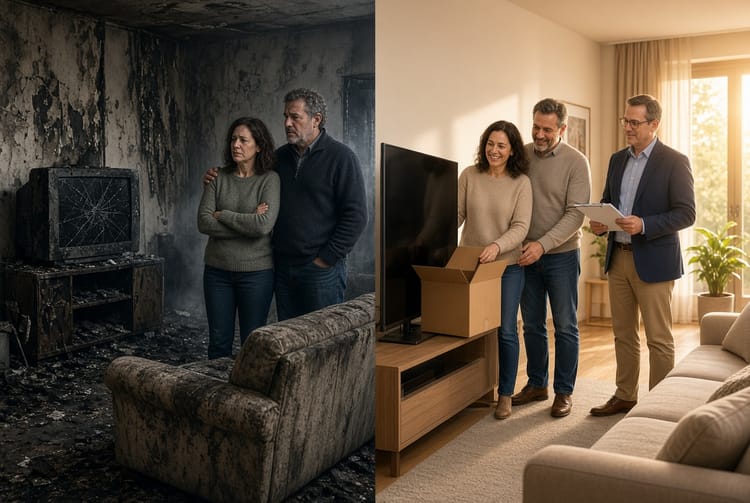
Consider Sarah, who listed her family home after relocating for a new job. After 45 days, vandals broke in and stole copper piping. Her standard policy denied the claim due to the vacancy clause. A vacant home policy would have covered the full repair cost and prevented months of stress.
Or take Michael, whose historic home sat empty during a six-month kitchen renovation. A winter storm caused a pipe to burst. Because he had secured extended coverage, every dollar of water damage and mold remediation was paid promptly—no out-of-pocket surprises.
These stories repeat across the country daily. The pattern is clear: proactive homeowners who choose vacant home coverage protect both their property and their financial future.
How to Secure the Right Vacant Home Policy
Obtaining proper coverage is straightforward when you work with experienced professionals. Follow these essential steps:
- Provide accurate details about the property’s condition and vacancy duration.
- Install recommended security features such as deadbolts, motion lights, and smart monitoring.
- Schedule regular professional inspections to maintain eligibility.
- Compare multiple carriers to find the best combination of price and protection.
- Review policy language carefully—especially exclusions and endorsement options.
Our team at the dedicated home insurance line makes this process seamless. We listen to your unique situation and match you with the strongest available vacant home policy.
Preparing Your Vacant Home for Maximum Protection
Simple maintenance steps strengthen both your property and your coverage eligibility:
- Drain all water lines and shut off the main valve before long absences
- Arrange professional winterization if temperatures drop
- Remove valuable items or secure them in locked storage
- Maintain landscaping to avoid “empty home” signals to potential intruders
- Keep utility services active for monitoring systems and basic climate control
These practical actions demonstrate responsible ownership and often qualify you for lower premiums.
Common Questions About Vacant Home Policies
How long can my home stay vacant under this policy?
Most vacant home policies accommodate up to 12 months or longer with proper documentation.
Will my premiums increase dramatically?
Rates reflect the actual risk. Many homeowners discover comparable or even lower costs than standard policies when security measures are in place.
Can I switch back to standard coverage when someone moves in?
Yes. Flexible policies allow easy transition the moment occupancy resumes.
Does it cover natural disasters?
Core perils plus optional add-ons for flood or earthquake ensure comprehensive protection.
What if I’m selling the home?
Vacant home policies are ideal during the selling process and often include coverage while real estate agents show the property.
Don’t Leave Your Empty Home Unprotected
Your home represents years of hard work and significant financial investment. When it stands empty, even briefly, the risks multiply. A vacant home policy is the smart, responsible choice that keeps your property secure until you, your buyers, or your tenants return.
Don’t leave your empty home unprotected. Our experienced team is ready to provide the tailored protection you need with the personal service you deserve.
Avoid Costly Vacancy Risks – Get Protected Now