The Tooth Sensitivity Solution: Causes and Treatments for Sharp Pain When Eating
If you've ever taken a bite of your favorite ice cream or sipped a hot cup of soup only to feel a sudden sharp pain shooting through your teeth, you're not alone. Tooth sensitivity is one of the most common dental complaints, affecting millions of adults. This sudden jolt can turn enjoyable meals into uncomfortable experiences, leading many to avoid their favorite foods and drinks.
End Sharp Tooth Pain – Schedule Relief Now
The good news is that tooth sensitivity, also known as dentin hypersensitivity, is highly treatable. With the right understanding of the causes and access to effective treatments, you can regain the freedom to enjoy hot, cold, sweet, and acidic foods without worry. In this comprehensive guide, we'll explore why sharp pain when eating occurs and provide practical, proven solutions to help you find relief.
Whether your sensitivity is new or has been bothering you for years, professional guidance can make all the difference. Don't let sensitive teeth control your life any longer.
Understanding Tooth Sensitivity
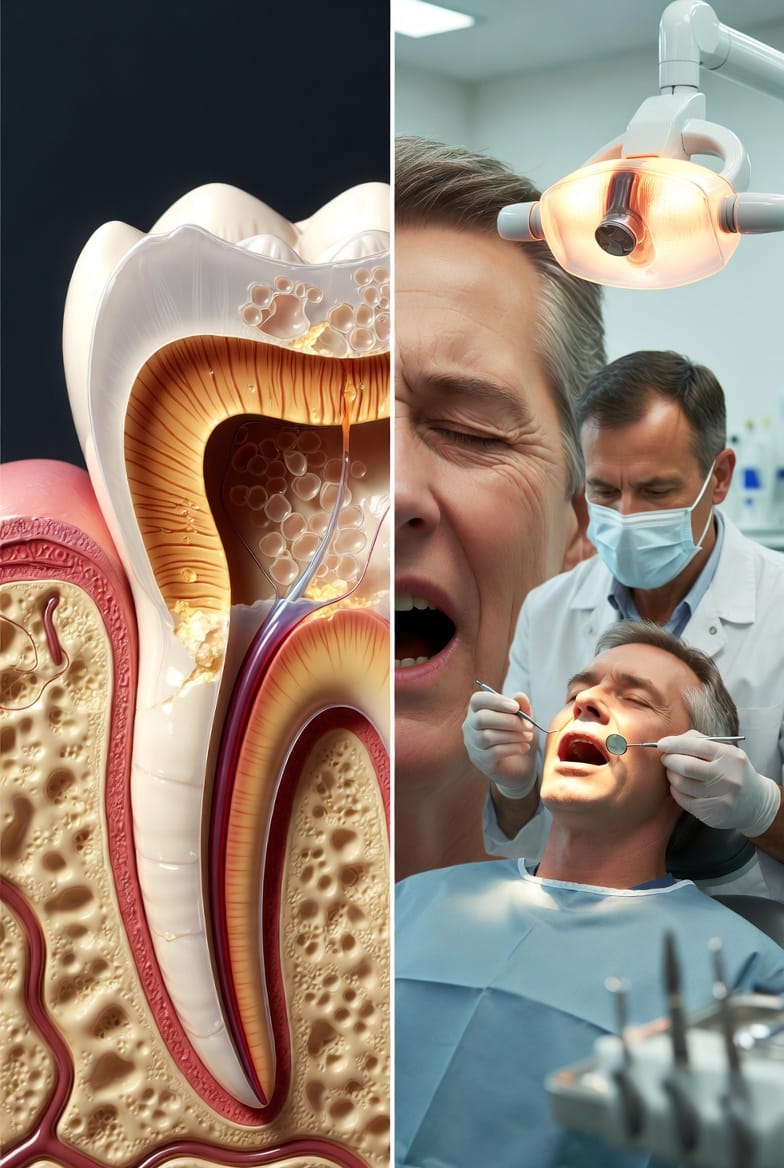
Tooth sensitivity occurs when the protective outer layer of your teeth becomes compromised, exposing the softer inner layer called dentin. Dentin contains tiny tubules filled with fluid that connect directly to the nerve of the tooth. When hot, cold, sweet, or acidic substances stimulate these tubules, it creates that unmistakable sharp pain.
This condition doesn't happen overnight in most cases. It develops gradually as enamel wears down or gums pull back. The pain is typically brief but intense, serving as your body's way of signaling that protection is needed.
Many patients describe the sensation as a quick electric shock or sting that quickly subsides. While it may seem minor at first, ignoring sensitive teeth can lead to more serious issues if the underlying cause progresses.
Common Causes of Sharp Pain When Eating
Several factors can lead to enamel erosion and exposed dentin. Understanding your specific cause is the first step toward effective tooth sensitivity treatment.
Enamel Erosion
Enamel erosion is the most frequent culprit behind tooth sensitivity. Your enamel is the hardest substance in your body, designed to protect the delicate inner structures. However, frequent exposure to acids from foods, beverages, and even stomach acid can gradually dissolve this protective shield.
Common contributors include:
- Sugary and acidic drinks like soda, citrus juices, and sports drinks
- Frequent snacking on acidic fruits
- Acid reflux or GERD allowing stomach acids to reach your teeth
- Overzealous brushing with abrasive techniques or hard-bristled brushes
Once enamel thins or wears away, the dentin becomes vulnerable. Every sip of cold water or bite of hot food then triggers discomfort.
Gum Recession
Gum recession exposes the tooth roots, which lack the protective enamel covering. Roots are naturally more sensitive because the covering layer called cementum is much thinner.
Causes of gum recession include:
- Periodontal disease
- Aggressive tooth brushing
- Genetic predisposition
- Tobacco use
- Misaligned teeth creating uneven pressure
When roots are exposed, sharp pain when eating becomes particularly noticeable with temperature changes.
Cracked Teeth or Fractures
Even small cracked teeth can allow stimuli to reach the nerve. Cracks may result from teeth grinding (bruxism), injury, or chewing hard objects. These microscopic fractures create pathways for pain signals.
Recent Dental Procedures
It's common to experience temporary sensitivity after dental work. Recent fillings, whitening treatments, or cleanings can temporarily irritate the nerves. Usually this resolves within weeks, but persistent sensitivity deserves attention.
Recognizing Your Personal Triggers
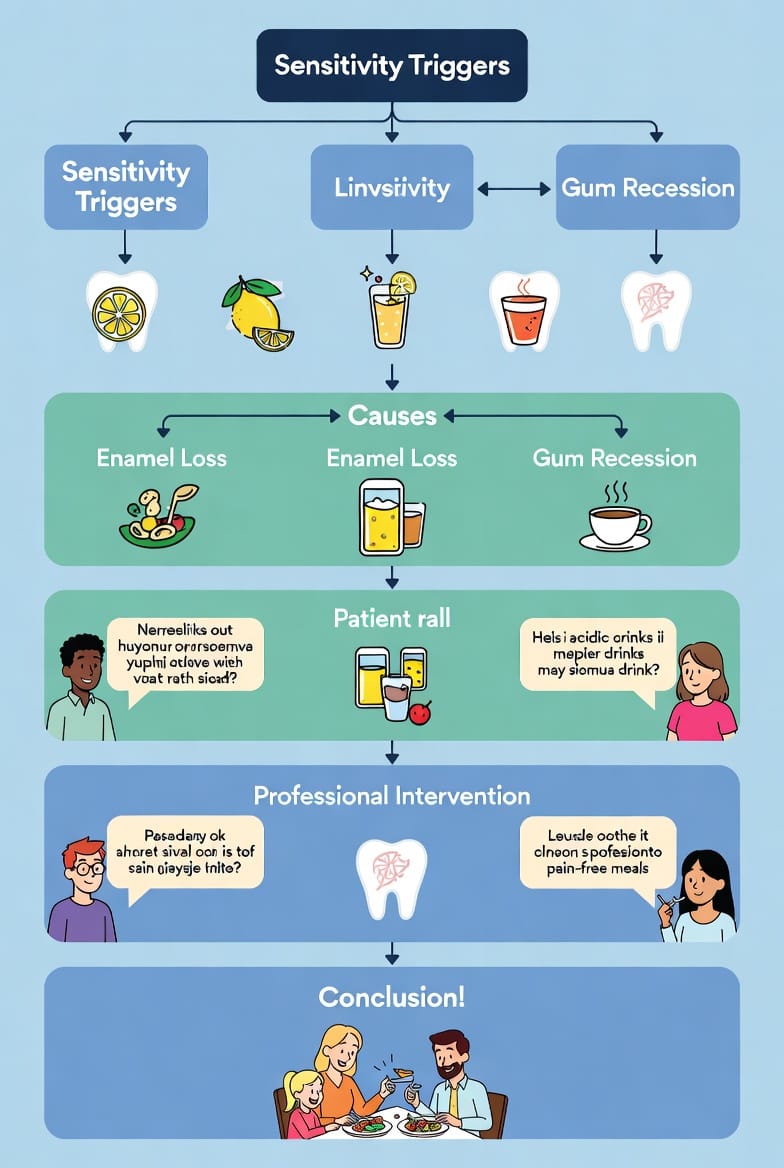
Common triggers for tooth sensitivity include:
- Cold foods and drinks
- Hot beverages and soups
- Sweet treats
- Acidic foods like tomatoes or vinegar-based dressings
- Even cold air or brushing
Tracking what sets off your discomfort helps pinpoint the root issue and guides effective care.
Proven At-Home Remedies for Immediate Relief
While waiting for your dental appointment or as part of your ongoing care, several strategies can provide meaningful relief from sensitive teeth.
- Desensitizing toothpaste: These special formulas contain ingredients like potassium nitrate or stannous fluoride that block the pain signals. Use them twice daily, applying directly to sensitive areas with your finger for extra effect. Many patients notice improvement within two weeks of consistent use.
- Soft-bristle toothbrush: Switch immediately to a soft brush and use gentle circular motions. Aggressive brushing only worsens enamel wear and gum recession.
- Avoid acidic foods and drinks: Limit exposure by using a straw for beverages and rinsing your mouth with water after meals. Wait 30 minutes after consuming acids before brushing.
- Proper oral hygiene technique: Floss daily and consider using a fluoride mouthwash to strengthen remaining enamel.
Consistency with these habits forms the foundation for long-term management of tooth sensitivity.

Professional Treatments That Deliver Lasting Results
For many, professional intervention provides the most reliable path to freedom from sharp pain when eating.
Fluoride varnish treatments applied in-office create a protective barrier over exposed areas. This quick, painless procedure strengthens enamel and reduces sensitivity significantly.
Dental bonding involves applying a tooth-colored resin to cover exposed roots or worn areas. The material seals dentin tubules, offering immediate and durable protection.
When gum recession is advanced, gum grafting procedures can cover exposed roots using your own tissue. This not only reduces sensitivity but also improves aesthetics and protects against further damage.
Treating the underlying issue is crucial. If cracks are present, your dentist may recommend crowns or other restorations. For severe cases affecting the nerve, targeted therapies ensure comprehensive care.
Our approach always begins with a thorough examination to identify the precise cause, allowing for personalized tooth sensitivity treatment plans.
Prevention: Protecting Your Smile for Years to Come
Prevention is always preferable to treatment. Maintain excellent oral hygiene, attend regular dental checkups, and address habits like teeth grinding with a night guard. Choosing enamel-friendly products and monitoring your diet goes a long way.
Take Back Your Enjoyment of Food Today
Stop avoiding cold drinks and hot soup. Effective solutions for tooth sensitivity are readily available. Don't let sharp pain when eating diminish your quality of life any longer.
Schedule your consultation today and rediscover the joy of eating without hesitation. Your comfortable, confident smile awaits.
Reclaim Pain-Free Meals – Call for Expert Help