The Termite Detection Network: From Moisture Meters to Acoustic Sensors in Modern Termite Inspections
Termites are silent invaders that can cause extensive structural damage to homes and buildings, often going unnoticed until it's too late. As a homeowner or property manager, the thought of these wood-destroying pests can be daunting, but rest assured: modern termite inspections have evolved far beyond simple visual checks. Today, pest control professionals leverage a sophisticated network of advanced technologies to detect termites early, minimizing risks and preserving your investment. In this comprehensive guide, we'll explore the cutting-edge tools shaping the future of termite detection, from moisture meters that identify vulnerable conditions to acoustic sensors that "listen" for activity and thermal cameras that reveal hidden hotspots. By understanding these innovations, you'll gain confidence in protecting your property effectively.
Detect Termites Before They Destroy – Call for Expert Inspection
Why Advanced Termite Detection Matters
Termites thrive in moist, hidden environments, making traditional inspections challenging. Visual inspections, while essential, often miss subterranean or drywood termites burrowing deep within walls or foundations. This is where technology steps in, offering non-invasive, precise methods to uncover infestations before they escalate. According to industry experts, early detection can reduce repair costs by up to 90%, turning a potential nightmare into a manageable issue.
- Key Risks of Undetected Termites: Structural weakening, costly repairs exceeding $5,000 on average, and health concerns from mold growth in damp areas.
- Benefits of Modern Tools: Faster, more accurate diagnoses; reduced need for destructive probing; and eco-friendly options that minimize chemical use.
With tools like moisture meters, inspectors can pinpoint areas prone to infestation without tearing apart your home. Let's dive deeper into how these devices work.
Moisture Meters: Pinpointing Conducive Conditions
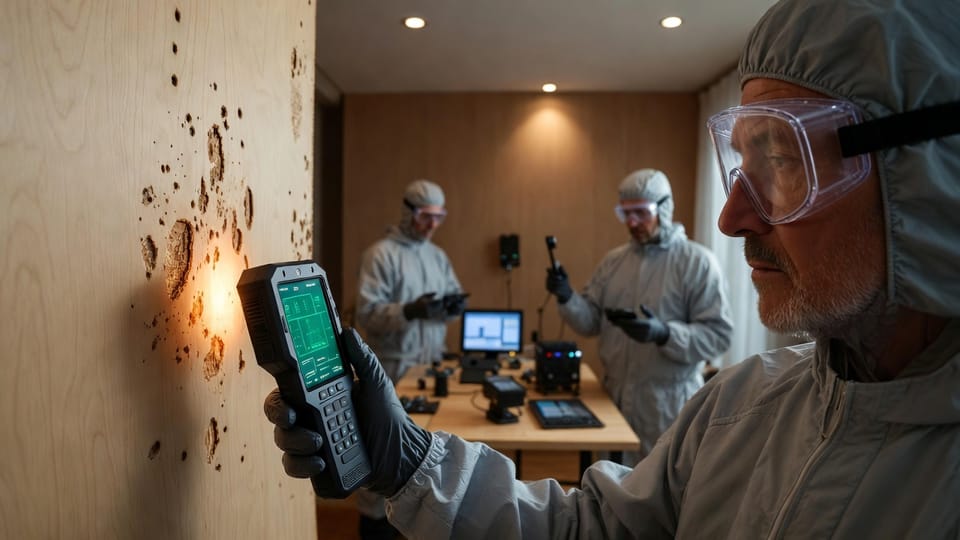
Moisture meters are foundational in the termite detection network, acting as the first line of defense by identifying environments where termites are likely to flourish. Termites require high humidity—typically above 20%—to survive and colonize wood. These handheld devices measure moisture levels in materials like wood, drywall, and concrete, alerting technicians to potential problem zones.
How do they function? Moisture meters come in two main types: pin-type and pinless. Pin-type meters insert small probes into the surface to gauge electrical resistance, while pinless versions use electromagnetic waves for non-destructive scanning. In a typical inspection, a technician scans walls, floors, and basements, looking for readings that indicate excess moisture from leaks, poor ventilation, or groundwater seepage.
- Practical Applications: In crawl spaces, where humidity often builds unnoticed; around plumbing fixtures prone to leaks; and in attics affected by roof damage.
- Advantages Over Visual Checks: Detects hidden moisture behind surfaces, preventing false negatives and enabling targeted treatments.
By addressing these conducive conditions early, you can prevent termites from establishing colonies. For instance, if a meter reveals elevated moisture in your foundation, simple fixes like improving drainage or sealing cracks can fortify your home. This proactive approach not only saves money but also provides peace of mind, knowing your property is shielded from these persistent pests.
Acoustic Emission Devices: Listening for the Silent Chewers
Moving beyond moisture, acoustic emission devices bring an auditory dimension to termite inspections. Termites are notoriously quiet, but their chewing, head-banging, and movement produce subtle vibrations—acoustic emissions—that these sensors can detect. Imagine having "ears" on your walls; that's the power of this technology.
These devices, often portable and battery-operated, are placed against suspect surfaces. They amplify high-frequency sounds (typically 20-100 kHz) that human ears can't perceive, distinguishing termite activity from background noise like wind or traffic. Advanced models use algorithms to filter out false positives, ensuring reliability.
- Detection Process: Technicians press the sensor to wood and listen via headphones or view waveforms on a digital display; spikes in activity indicate live termites.
- Real-World Effectiveness: In one study, acoustic devices identified infestations in 85% of cases where visual inspections failed, particularly for drywood termites in framing.
This tool is especially valuable for hard-to-reach areas, like behind insulation or in vaulted ceilings. By "hearing" the termites before they cause visible damage, professionals can intervene swiftly, often with localized treatments that avoid widespread disruption.
Thermal Cameras: Unveiling Hidden Activity
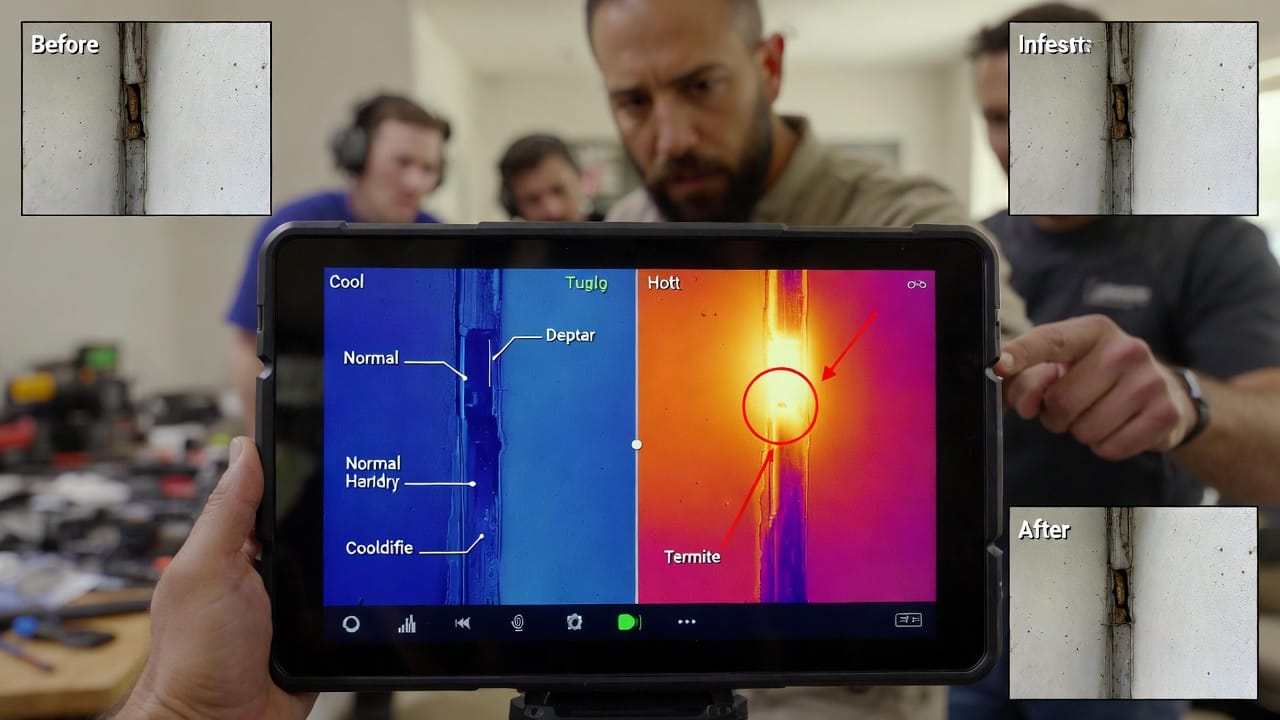
Thermal cameras, or infrared thermography, represent a visual breakthrough in termite detection. These devices capture heat signatures, revealing temperature variations that signal moisture buildup or termite metabolism. Termites generate heat through their activity and excretions, creating "hot spots" invisible to the naked eye.
In practice, a technician scans walls and structures with the camera, which displays images in color gradients—cool blues for normal areas and warm reds/oranges for anomalies. This non-contact method is ideal for inspecting large areas quickly, without drilling or dismantling.
- Spotting Moisture and Activity: High moisture areas appear cooler due to evaporation, while active colonies show warmer patches from friction and body heat.
- Integration with Other Tools: Often used alongside moisture meters for confirmation; for example, a thermal anomaly might prompt acoustic verification.
Homeowners benefit immensely, as thermal imaging can cover entire properties in hours, identifying not just termites but also insulation gaps or water damage. It's a reassuring layer of protection, ensuring no corner is overlooked.
Integrated Termite Monitoring Stations: Proactive Defense
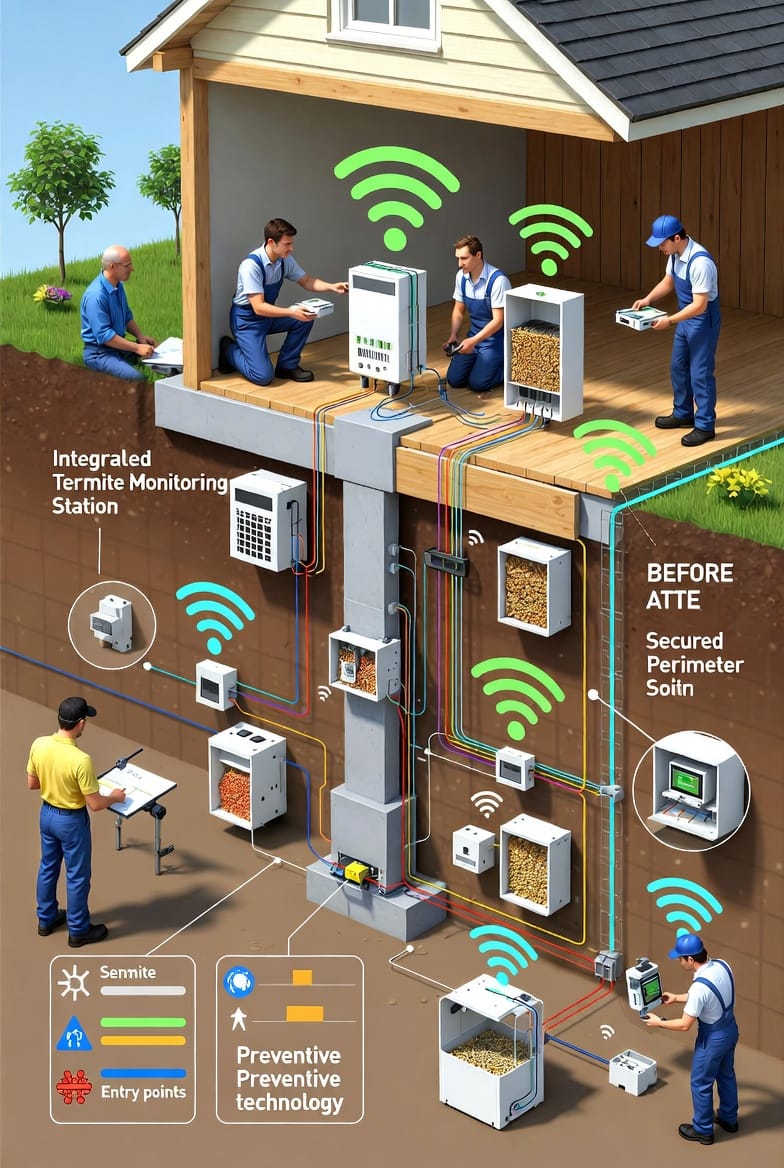
To tie it all together, integrated termite monitoring stations form the backbone of long-term prevention. These systems combine sensors, baits, and data analytics to detect termites before they infiltrate your structure. Installed around the perimeter, stations use attractants to lure termites, then alert via apps or remote monitoring when activity is detected.
A typical station includes wood or cellulose bait monitored by electronic sensors for changes in moisture or acoustics. Advanced versions incorporate IoT connectivity for real-time notifications.
- How They Work: Termites enter the station, triggering alerts; technicians then inspect and treat without disturbing your home.
- Long-Term Benefits: Reduces reliance on broad-spectrum pesticides; provides ongoing data for trend analysis.
This network approach ensures comprehensive coverage, evolving from reactive fixes to predictive maintenance.
The Broader Impact on Pest Control
Adopting these technologies transforms termite inspections from guesswork to science. Homeowners gain authoritative insights, while professionals deliver efficient, evidence-based services. SEO-wise, searching for "advanced termite detection methods" often leads to these innovations, highlighting their growing adoption.
- Environmental Advantages: Less invasive, reducing chemical footprints.
- Cost Savings: Early intervention averts major repairs.
- Future Trends: AI integration for automated analysis, promising even greater accuracy.
In essence, this detection network empowers you to stay ahead of termites, maintaining your property's integrity with confidence.
Choosing the Right Inspection Service
When selecting a pest control provider, prioritize those certified in advanced technologies. Look for companies offering bundled services that include moisture, acoustic, thermal, and monitoring tools. Regular inspections—annually or biannually—keep risks at bay.
Rest assured, with the right expertise, termite threats become manageable. Our team at [Your Company Name] specializes in these state-of-the-art methods, ensuring thorough, reliable results.
Find termites before they find your studs.
Uncover Hidden Termite Activity – Book Advanced Detection Now