The Telematics Trade-Off: How Usage-Based Insurance (UBI) Programs Track Driving and Can Lower Your Rate
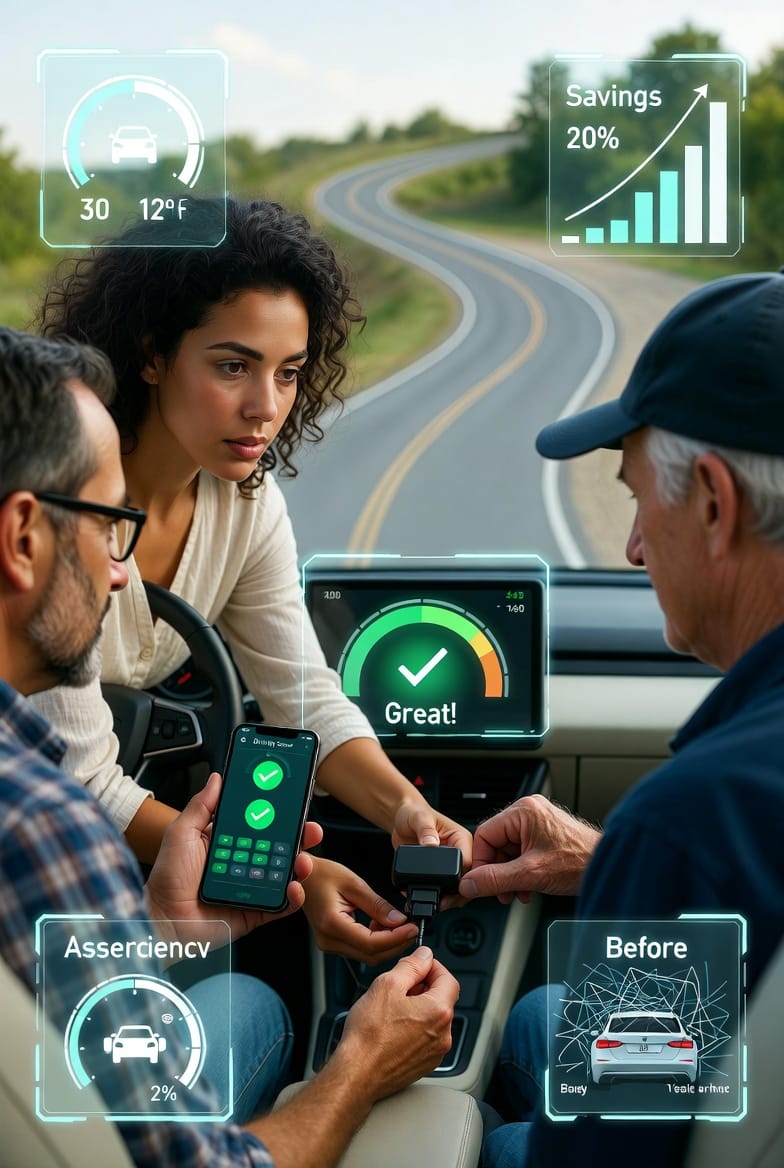
In today's fast-paced world, auto insurance premiums can feel like an unavoidable burden. But what if your driving habits could directly influence your rates, potentially leading to significant savings? Enter Usage-Based Insurance (UBI), often called "pay-as-you-drive" programs. These innovative offerings, popularized by insurers like Progressive's Snapshot, use telematics technology to monitor your driving and adjust your policy accordingly. This comprehensive guide explores how UBI works, the data it collects, its impact on your rates, and the crucial balance between privacy and benefits. Whether you're a cautious commuter or an occasional road-tripper, understanding UBI could help you lower your car insurance costs without compromising coverage.
Switch to Pay-As-You-Drive & Save – Get Your Quote Today
What Is Usage-Based Insurance (UBI)?
At its core, Usage-Based Insurance is a modern twist on traditional auto policies. Unlike standard plans that base premiums on factors like age, location, and driving history, UBI personalizes rates by tracking real-time driving behavior. Programs like Progressive's Snapshot or similar offerings from Allstate's Drivewise and State Farm's Drive Safe & Save use devices or apps to gather data, rewarding safe drivers with discounts.
How Do UBI Programs Operate?
Enrolling in a UBI program is straightforward and often free. Here's a step-by-step breakdown:
- Sign-Up Process: Contact your insurer or visit their app/website to opt-in. You'll receive a small telematics device (plugged into your car's OBD-II port) or download a smartphone app that uses your phone's sensors and GPS.
- Monitoring Period: Typically lasting 30 to 90 days, this trial phase tracks your driving without immediate rate changes. It's a low-risk way to test the waters.
- Data Analysis: The collected information is sent securely to the insurer, who calculates a "driving score" based on predefined metrics.
- Rate Adjustment: Post-trial, safe drivers earn discounts—often 10% to 40% off premiums. In rare cases, poor habits might lead to a surcharge, but most programs guarantee no increase if you opt out.
This "pay-as-you-drive" model shifts the focus from assumptions to actual performance, making insurance fairer for responsible motorists.
The Data Collected: What UBI Tracks and Why
Telematics devices or apps don't just count miles; they provide a holistic view of your driving. Insurers emphasize that this data helps promote safer roads while offering personalized savings. Key elements include:
- Mileage: Low-mileage drivers (e.g., under 10,000 miles annually) often qualify for bigger discounts, as fewer miles mean lower accident risk.
- Hard Braking and Acceleration: Sudden stops or rapid speed-ups signal aggressive driving, which can ding your score. Smooth, anticipatory driving boosts it.
- Time of Day and Night Driving: Late-night trips (e.g., after midnight) are riskier due to fatigue and impaired drivers, so daytime commuting is favored.
- Speeding: Exceeding posted limits, even briefly, is noted. Consistent adherence to speed laws improves your profile.
- Cornering and Phone Usage: Sharp turns or distracted driving (detected via app sensors) can negatively impact scores, encouraging mindful habits.
This data isn't about constant surveillance but about patterns. For instance, Progressive's Snapshot focuses on safe behaviors, ignoring factors like location specifics to respect privacy.
How Data Translates to Discounts
Once collected, algorithms crunch the numbers to assign a score—often on a 0-100 scale. High scorers (e.g., 80+) unlock discounts applied at policy renewal. Rarely, scores below a threshold might result in a small surcharge, but transparency is key: Insurers provide feedback via apps, allowing you to improve before final adjustments.
Consider this: A driver with moderate mileage, minimal hard brakes, and daytime-focused trips could save $150–$500 annually. It's not magic—it's math grounded in real-world habits.

Privacy vs. Benefits: Weighing the Telematics Trade-Off
While UBI promises savings, it's natural to question the privacy implications. Rest assured, reputable programs prioritize data security and user consent. Let's delve into the considerations.
Benefits of Embracing UBI
The upsides extend beyond discounts:
- Cost Savings: Safe drivers often see immediate reductions, making insurance more affordable.
- Safer Driving Incentives: Real-time feedback encourages better habits, reducing accident risks for everyone on the road.
- Customization: Policies tailor to your lifestyle—ideal for remote workers or low-mileage families.
- No Long-Term Commitment: Most trials are optional; withdraw if it doesn't suit you.
- Additional Perks: Some programs offer rewards like gift cards for consistent safe scores.
In essence, UBI empowers you to control your premiums through actionable insights.
Privacy Concerns and Safeguards
Data sharing can feel intrusive, but insurers address this head-on:
- What Isn't Tracked: Programs avoid sensitive details like exact locations (beyond broad patterns) or personal conversations.
- Data Usage Limits: Information is solely for insurance purposes—no selling to third parties without consent.
- Security Measures: Encrypted transmissions and compliance with laws like GDPR ensure protection against breaches.
- Opt-Out Flexibility: You can remove devices or delete apps anytime, with no penalty in most cases.
- Transparency Reports: Insurers provide clear policies on data handling, building trust.
If privacy is a top priority, weigh it against potential savings. For many, the trade-off favors benefits, especially with safeguards in place.
Real-World Examples and Success Stories
Take Progressive's Snapshot: Millions have enrolled, with average discounts around 20%. A suburban mom reduced her premium by 30% by minimizing night drives, while a city commuter saved through steady speeds. These aren't anomalies—data from the Insurance Information Institute shows UBI users often report heightened road awareness.
Even surcharges are minimal; less than 5% of participants face them, and forewarnings allow habit tweaks.

Potential Drawbacks and How to Mitigate Them
No system is perfect. Aggressive drivers might not benefit, and tech glitches (e.g., faulty sensors) could skew data—though appeals processes exist. Rural areas with poor cell service may limit app functionality, but plug-in devices bridge this gap.
To mitigate:
- Review your habits pre-enrollment.
- Choose app-based options for flexibility.
- Consult agents for program specifics.
Is UBI Right for You?
Assess your driving: Do you avoid rush hours, brake gently, and log low miles? If yes, UBI could be a game-changer. For high-risk profiles, traditional policies might suit better.
Final Advice: Unlock Your Savings Potential
Don't leave money on the table—evaluate if your driving habits could earn you a discount. With UBI, safe driving pays off literally. Ready to explore? Our experts are here to guide you toward smarter, more affordable auto insurance.
See If Safe Driving Saves You Money – Call Now!