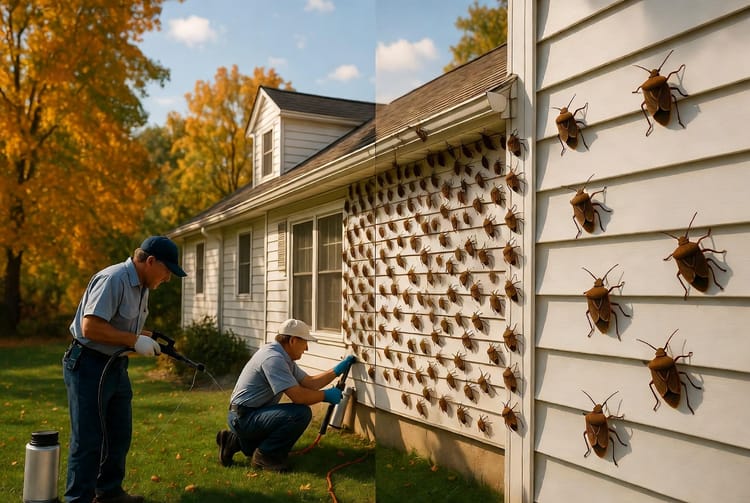
The Silverfish Sanctuary: Where These Moisture-Loving Pests Hide and How to Eliminate Them
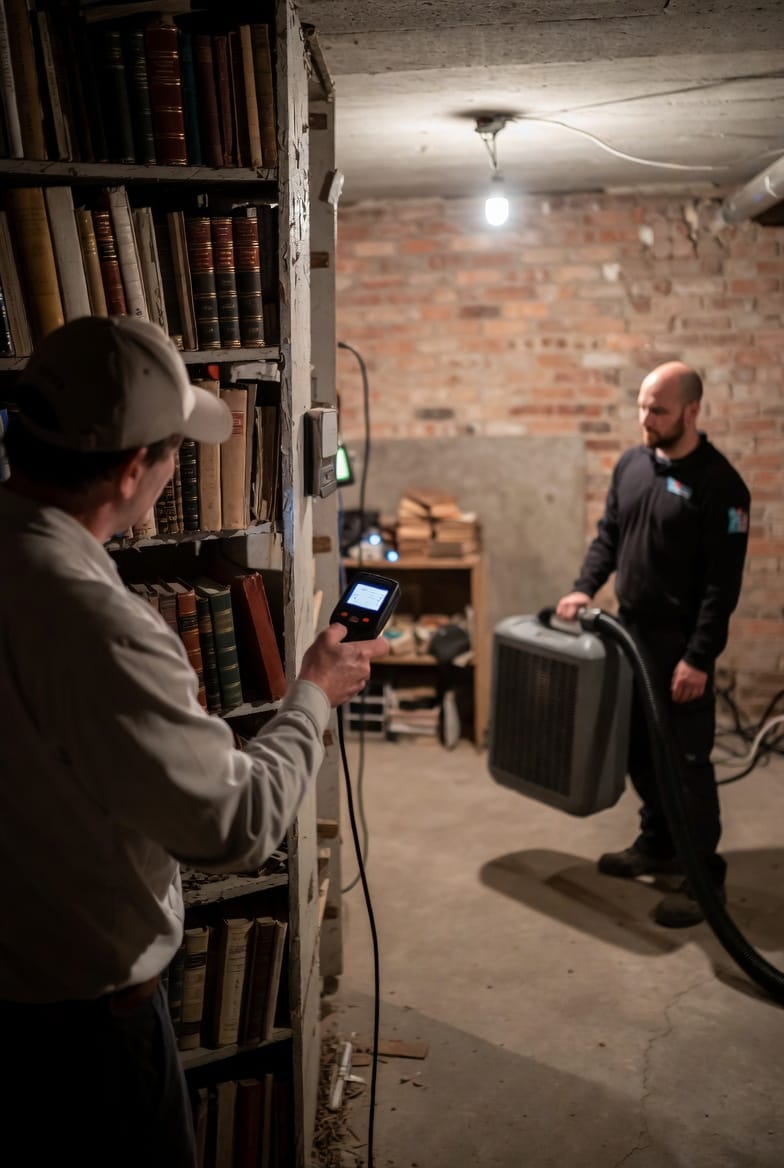
Have you ever flipped through an old book only to find tiny, silvery insects scurrying away? These elusive creatures are silverfish, notorious for thriving in damp environments and causing subtle yet significant damage to your home. As a leading expert in pest management, we're here to reassure you: understanding their habits is the first step toward a pest-free sanctuary. In this comprehensive guide, we'll explore silverfish behavior, their love for moisture-rich hideouts, the risks they pose, and proven strategies to eliminate them. With our authoritative insights, you'll gain the confidence to tackle these pests effectively.
Stop Silverfish Damage – Call Moisture Control Pros
Understanding Silverfish: Nature's Moisture Seekers
Silverfish, scientifically known as Lepisma saccharina, are primitive insects that have roamed the earth for over 400 million years. Their distinctive carrot-shaped body, covered in silvery scales, allows them to blend seamlessly into dark, humid corners. Measuring about 1/2 to 1 inch long, these wingless pests move with a fish-like wiggle—hence their name.
What draws silverfish to your home? Primarily, high humidity levels. They require environments with 75% to 95% relative humidity to survive, as it prevents their delicate bodies from drying out. Without moisture, silverfish dehydrate quickly, making humidity control a cornerstone of prevention. These nocturnal creatures are most active at night, emerging from hiding spots to forage for food.
Silverfish aren't picky eaters; their diet includes starches, sugars, and proteins found in everyday items. This leads them to infest areas where such resources are abundant, often turning your home into an unintended buffet.
Preferred Hideouts: Mapping the Moisture Hotspots
Silverfish don't just appear randomly—they seek out specific humid sanctuaries within your home. By identifying these areas, you can target your efforts more effectively. Let's break down the most common hideouts:
- Basements and Crawl Spaces: These below-ground areas are naturally damp due to soil moisture and poor ventilation. Silverfish thrive here, hiding in cracks, behind stored boxes, or under piles of laundry. The cool, dark conditions mimic their natural habitat, allowing populations to grow unchecked.
- Bathrooms and Kitchens: Constant water use creates ideal humidity. Look for silverfish under sinks, in shower stalls, or behind toilets. Leaky pipes exacerbate the issue, providing both moisture and entry points.
- Attics and Laundry Rooms: Though attics might seem dry, roof leaks or poor insulation can introduce dampness. Laundry rooms, with their steamy dryers and wet clothes, become prime real estate for these pests.
- Other Overlooked Spots: Garages, utility closets, and even wall voids can harbor silverfish if moisture seeps in from external sources like rain or plumbing issues.
Recognizing these hotspots empowers you to act proactively. Regular inspections in these areas can catch infestations early, preventing widespread damage.
The Hidden Damage: Why Silverfish Are More Than a Nuisance
While silverfish don't bite humans or spread diseases, their presence signals underlying moisture problems that could lead to bigger issues like mold growth. More directly, they cause cosmetic and structural damage through their feeding habits.
- Books and Paper Products: Silverfish love the glue in book bindings and the starch in paper. They nibble irregular holes, leaving behind yellow stains and frass (tiny droppings). Priceless family albums, important documents, or your favorite novels can be ruined over time.
- Clothing and Fabrics: Natural fibers like cotton, silk, and linen are at risk, especially if stored in damp areas. Silverfish chew small holes, leading to costly replacements.
- Wallpaper and Insulation: In severe cases, they damage wallpaper by eating the paste, or burrow into insulation, compromising your home's energy efficiency.
- Food Contamination: Pantry items like flour, cereal, and sugar attract them, potentially spoiling stored goods.
The good news? This damage is preventable. By addressing moisture and implementing targeted controls, you can protect your belongings and maintain a healthy home environment. Our experience shows that early intervention often resolves issues without extensive repairs.
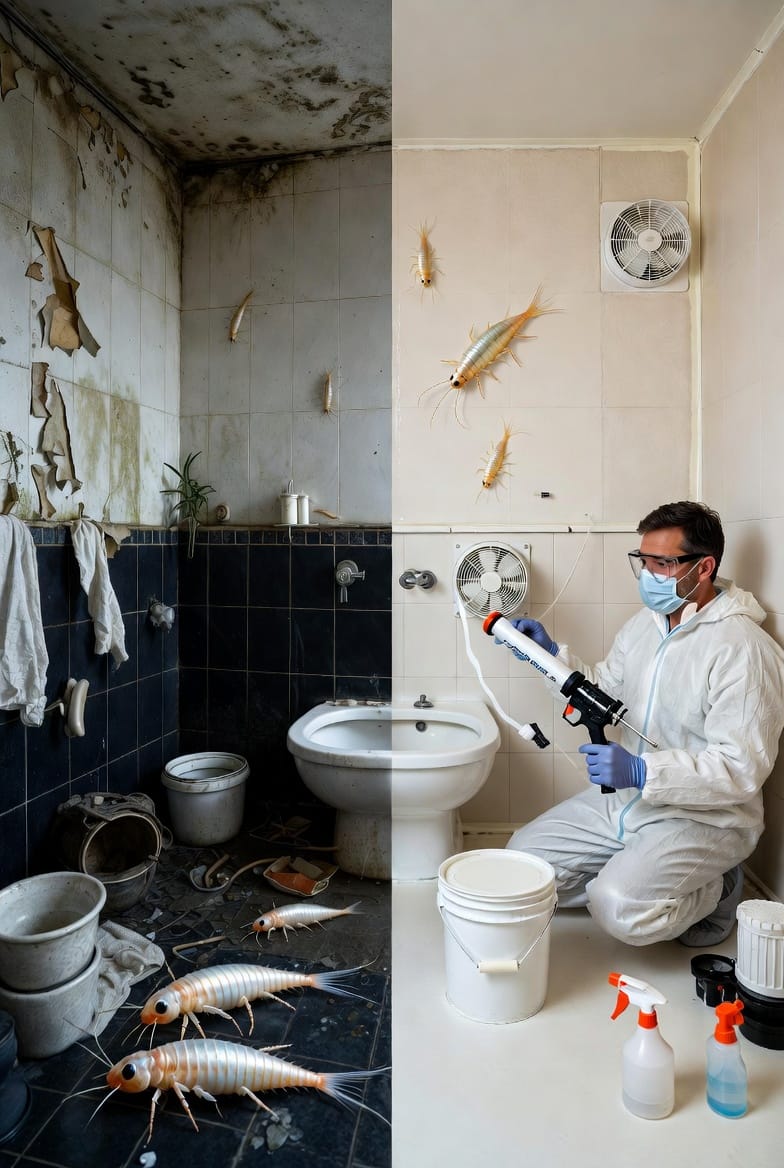
Effective Control Strategies: Reducing Moisture First
Eliminating silverfish starts with depriving them of their lifeline: moisture. This foundational approach not only targets the pests but also improves your home's overall health. Here's how to get started:
Step 1: Assess and Reduce Humidity
Use a hygrometer to measure humidity levels—aim for below 60%. Install dehumidifiers in basements and attics to draw out excess moisture. Fix leaks promptly; even a small drip can sustain a colony.
- Ventilate bathrooms and kitchens with exhaust fans.
- Ensure proper drainage around your home's foundation to prevent water accumulation.
- Use air conditioners or fans to circulate air in humid seasons.
These simple adjustments can dramatically reduce silverfish viability, often halving populations within weeks.
Step 2: Seal Entry Points and Remove Attractants
Silverfish enter through tiny cracks—seal them with caulk or weatherstripping. Declutter storage areas, opting for plastic bins over cardboard, as the latter provides both food and shelter.
- Vacuum regularly to remove eggs and adults.
- Store books and papers in sealed containers.
- Avoid overwatering houseplants, which can create micro-humid zones.
By eliminating these attractants, you're making your home less inviting.
Targeted Treatments: Safe and Effective Elimination
Once moisture is under control, apply targeted treatments for lasting results. We recommend a combination of natural and professional methods for safety and efficacy.
- Diatomaceous Earth (DE): This natural powder dehydrates silverfish on contact. Sprinkle it in hotspots and vacuum after a few days.
- Boric Acid Dust: A low-toxicity option that poisons pests when ingested. Apply sparingly in cracks and crevices, away from pets and children.
- Insecticidal Sprays: Use products containing pyrethroids for quick knockdowns, but pair them with moisture control for long-term success.
For severe infestations, professional intervention is key. Trained technicians use integrated pest management (IPM) techniques, combining inspections, treatments, and monitoring to ensure complete eradication without unnecessary chemicals.
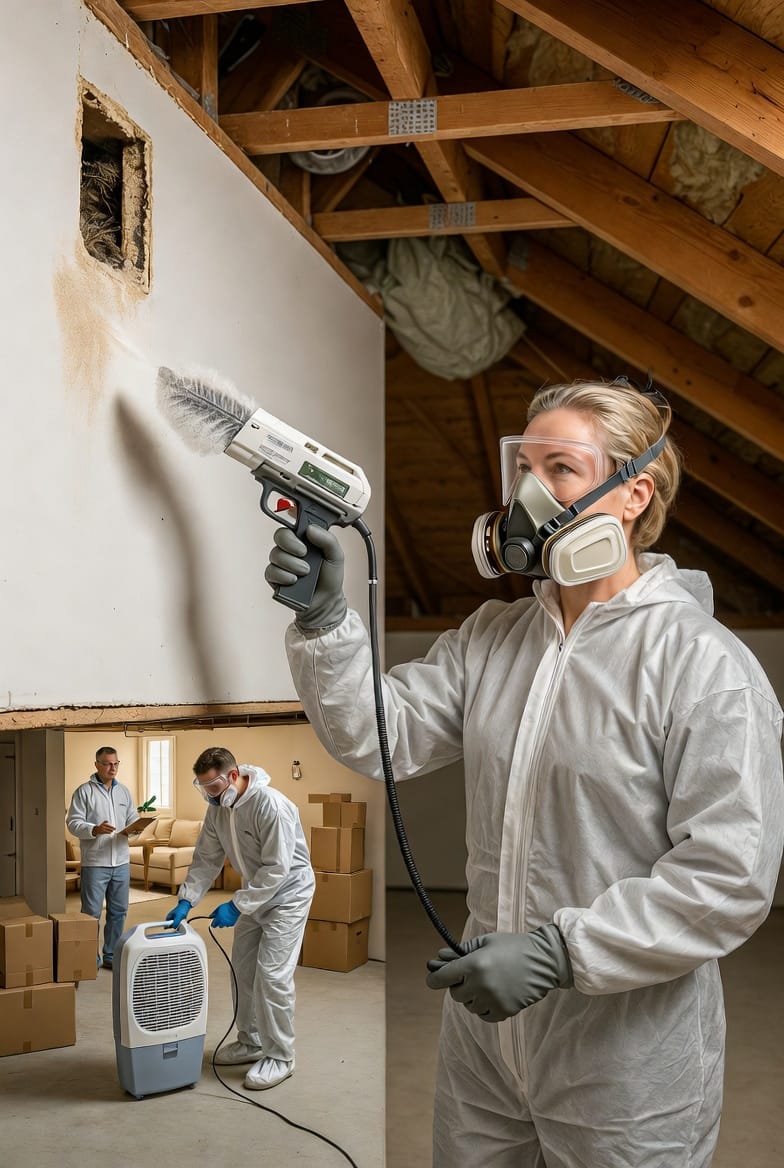
Prevention Tips: Keeping Silverfish at Bay Long-Term
Prevention is always better than cure. Incorporate these habits into your routine:
- Regular Maintenance: Inspect humid areas quarterly. Clean gutters and downspouts to divert water away from your foundation.
- Storage Solutions: Elevate items off the floor in basements and use silica gel packets in drawers.
- Natural Repellents: Essential oils like cedar or lavender can deter silverfish, though they're not standalone solutions.
- Professional Audits: Schedule annual pest inspections to catch issues early.
With these strategies, you'll maintain a dry, unwelcoming environment for silverfish, protecting your home for years to come.
Myths vs. Facts: Debunking Common Misconceptions
Let's clear up some confusion to empower your decision-making:
- Myth: Silverfish Indicate a Dirty Home. Fact: They're attracted to moisture, not dirt. Even spotless homes can have them if humidity is high.
- Myth: They Only Live in Old Houses. Fact: New constructions with plumbing issues are just as vulnerable.
- Myth: DIY Traps Are Enough. Fact: Traps catch a few, but without moisture reduction, infestations persist.
Armed with facts, you can approach control confidently.
The Role of Professional Help in Silverfish Management
While DIY methods work for minor issues, professionals bring expertise and tools for thorough results. We use advanced moisture detection equipment and eco-friendly treatments to address root causes. Our tailored plans ensure minimal disruption, with follow-ups to guarantee success.
Consider this: Untreated silverfish can lead to escalating damage, costing hundreds in repairs. Investing in expert help saves time and money.
Case Studies: Real-World Success Stories
In one recent case, a homeowner in a humid coastal area discovered silverfish devouring their library. After our team reduced basement humidity by 30% and applied targeted dusts, the infestation vanished within a month—no recurrence in over a year.
Another client with attic issues saw immediate relief from sealing vents and using dehumidifiers, preserving irreplaceable family documents.
These stories highlight that with the right approach, victory over silverfish is achievable.
Environmental Considerations: Eco-Friendly Pest Control
Modern pest management prioritizes sustainability. We favor low-impact methods like biological controls and habitat modification over broad-spectrum pesticides. Reducing moisture not only eliminates pests but also conserves energy by improving home efficiency.
Choose services that align with green practices for a healthier planet and home.
Conclusion: Reclaim Your Home from Silverfish
Silverfish may seem like elusive invaders, but by understanding their moisture-loving behavior, identifying hideouts, and implementing moisture reduction alongside targeted treatments, you can eliminate them effectively. Remember, a dry home is a pest-resistant home.
Banish Silverfish for Good – Get Your Free Inspection