The Root of the Matter: Cultivating Soil Biology for a Self-Sustaining Lawn
In the quest for a lush, green lawn that stands the test of time, many homeowners overlook the true hero beneath the surface: soil biology. This intricate ecosystem of microbes, fungi, and organic matter is the powerhouse driving a self-sustaining lawn. By focusing on nurturing this underground world through practices like compost top-dressing, reduced chemical use, and proper aeration, you can foster a resilient, disease-resistant lawn that thrives from the roots up. In this comprehensive guide, we'll dive deep into how these methods build a vibrant soil ecosystem, leading to healthier grass without constant intervention. Whether you're dealing with patchy spots or persistent pests, understanding soil biology is key to long-term lawn success.
Unlock Deeper Roots & Greener Grass – Call Our Soil Specialists
Understanding Soil Biology: The Foundation of Lawn Health
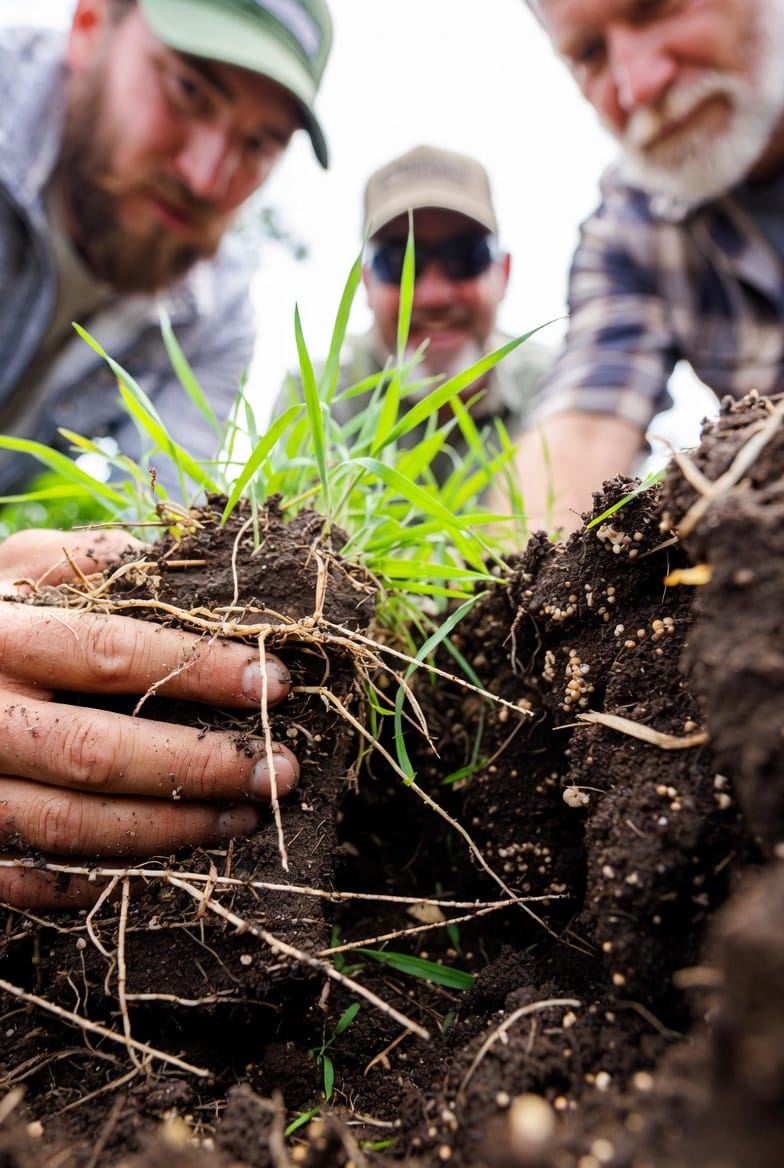
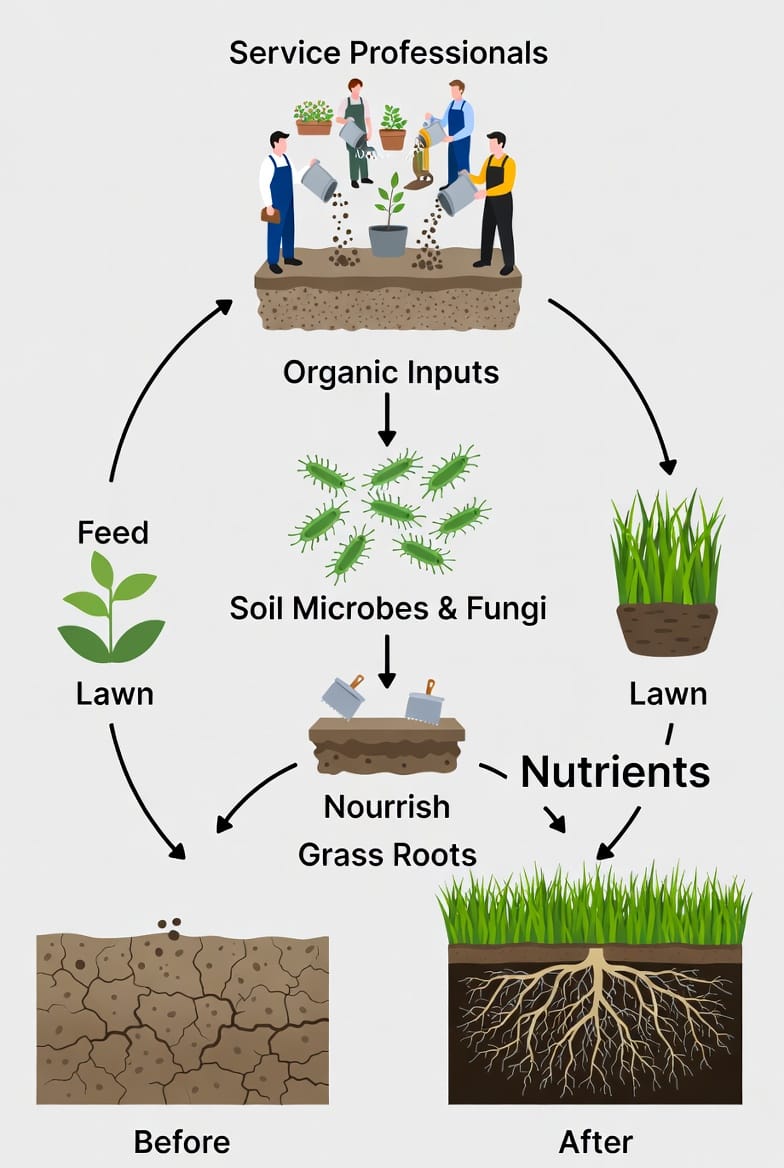
At its core, soil biology refers to the living organisms that inhabit the dirt beneath your grass. This includes billions of bacteria, fungi, protozoa, nematodes, and even larger creatures like earthworms. These microbes form a symbiotic relationship with plant roots, breaking down organic matter into usable nutrients. Unlike sterile soil, biologically active earth is alive and dynamic, promoting root growth and enhancing water retention.
Why does this matter for your lawn? A healthy soil ecosystem reduces the need for synthetic fertilizers, which often disrupt microbial balance. Instead, it creates a self-sustaining cycle where grass roots access nutrients naturally, leading to denser turf and better drought resistance. Research shows that lawns with robust soil biology can withstand stressors like heat and foot traffic far better than those reliant on chemicals.
- Key Players in Soil Biology:
- Bacteria: These tiny powerhouses fix nitrogen from the air, making it available for grass roots.
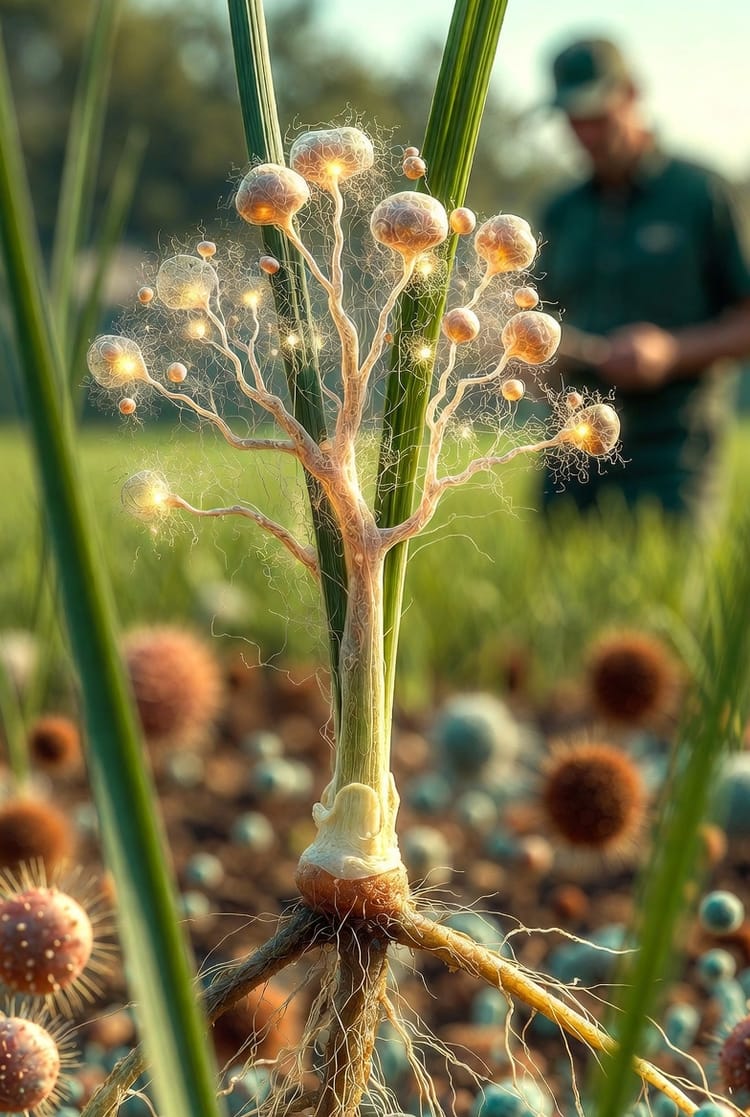
- Fungi (Mycorrhizae): They extend root reach, improving nutrient and water uptake while protecting against pathogens.
- Organic Matter: Decomposed plant material that feeds microbes and improves soil structure.
By prioritizing these elements, you're not just growing grass – you're cultivating an ecosystem that supports it effortlessly.
The Role of Compost Top-Dressing in Feeding Soil Life
One of the most effective ways to boost soil biology is through compost top-dressing. This involves spreading a thin layer of high-quality compost over your lawn, allowing it to integrate into the soil. Compost is rich in organic matter, providing food for microbes and fungi while improving soil texture.
How does it work? As compost decomposes, microbes multiply, releasing enzymes that break down nutrients into forms grass roots can absorb. This process enhances soil aeration naturally, as earthworms and other organisms tunnel through the earth. Over time, regular top-dressing builds humus – a stable form of organic matter that holds moisture and nutrients, reducing runoff and erosion.
Homeowners often see results within a season: greener blades, fewer weeds, and improved resilience. To apply it effectively:
- Choose mature, weed-free compost to avoid introducing problems.
- Spread ¼ to ½ inch evenly in spring or fall.
- Water lightly to help it settle.
This practice not only feeds the soil but also minimizes the environmental impact of lawn care, making your yard a haven for beneficial organisms.
Reducing Chemical Use: Protecting the Microbial Community
Excessive reliance on chemical fertilizers and pesticides can wreak havoc on soil biology. These products often kill off beneficial microbes and fungi, leaving soil sterile and dependent on repeated applications. The result? A vicious cycle of thinning grass, increased disease susceptibility, and higher maintenance costs.
Shifting to reduced chemical use allows the natural ecosystem to rebound. For instance, organic alternatives like bone meal or fish emulsion provide slow-release nutrients without harming soil life. This approach encourages fungal networks to flourish, which in turn suppress harmful pathogens through competition and natural antibiotics.
Benefits include:
- Disease Resistance: Healthy microbes outcompete fungi like those causing brown patch or dollar spot.
- Nutrient Efficiency: Roots absorb up to 30% more nutrients in biologically active soil.
- Environmental Wins: Fewer chemicals mean less pollution in waterways.
Rest assured, transitioning is straightforward – start by testing your soil pH and nutrient levels, then phase out synthetics gradually. Your lawn will thank you with vibrant growth and fewer issues.
Proper Aeration: Unlocking Oxygen for Soil Organisms
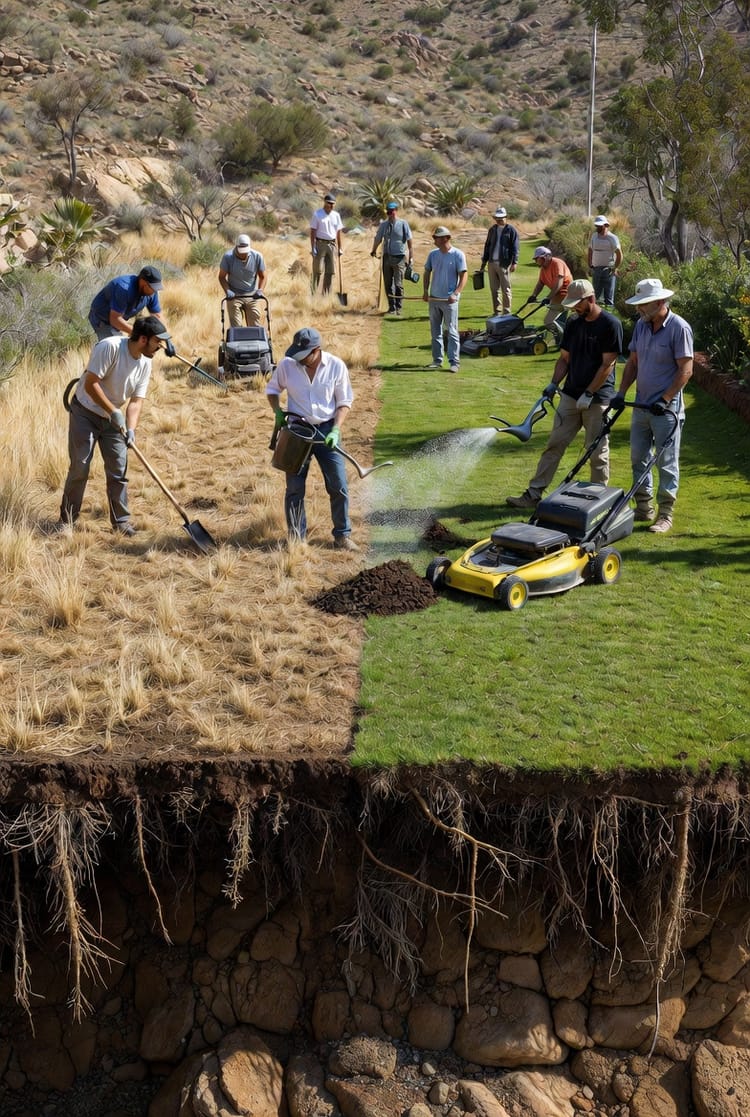
Compacted soil is a silent killer for soil biology, starving microbes and fungi of oxygen while restricting root penetration. Proper aeration – creating small holes in the turf – alleviates this by improving air flow, water infiltration, and nutrient access.
Aeration feeds the ecosystem by allowing organic matter from top-dressing to reach deeper layers, where it fuels microbial activity. Post-aeration, fungi can extend hyphae (thread-like structures) further, forming mycorrhizal associations that boost grass health. This leads to a greener lawn with deeper roots, capable of withstanding dry spells and heavy use.
Timing is crucial: Aerate in growing seasons when grass can recover quickly. Use core aeration for best results, removing plugs to reduce thatch buildup. Combine with overseeding for even better outcomes.
- Aeration Advantages:
- Enhances microbial decomposition of thatch.
- Improves soil structure for better drainage.
- Promotes earthworm activity, nature's aerators.
With consistent aeration, your soil becomes a bustling hub of life, supporting a lawn that's truly self-sustaining.
Building Resilience: How Soil Biology Combats Common Lawn Challenges
A biologically rich soil isn't just about aesthetics – it's a defense system. Disease-resistant lawns emerge when microbes and fungi create barriers against invaders. For example, beneficial bacteria produce compounds that inhibit fungal diseases, while mycorrhizae enhance root immunity.
In drought-prone areas, organic matter acts as a sponge, retaining moisture for roots. This resilience extends to pest control; healthy soil hosts predatory nematodes that target grubs without chemicals.
Case in point: Lawns managed organically show 50% fewer weed invasions, as dense turf crowds them out. By focusing on soil health, you're addressing issues at the root, literally.
Integrating Practices for Optimal Results
To create a self-sustaining lawn, combine these methods holistically. Start with a soil test to identify deficiencies, then layer on compost top-dressing after aeration. Minimize chemicals by monitoring for pests naturally – encourage birds and beneficial insects.
Maintenance tips:
- Mow high (3-4 inches) to shade soil and retain moisture.
- Water deeply but infrequently to encourage deep roots.
- Mulch clippings back into the lawn for added organic matter.
This integrated approach ensures your soil ecosystem thrives, yielding a greener, more robust lawn year after year.
Long-Term Benefits: A Greener Future for Your Lawn
Investing in soil biology pays dividends beyond the immediate season. Over time, your lawn becomes more efficient, requiring less water, fertilizer, and effort. This not only saves money but also contributes to a healthier planet by reducing chemical runoff.
Homeowners report thicker turf, vibrant color, and fewer bare spots. The key? Patience and consistency – soil ecosystems build gradually, but the results are enduring.
Myths Debunked: Common Misconceptions About Soil-Focused Lawn Care
Myth: Organic methods are slower. Reality: While initial changes take time, they lead to faster recovery from stress.
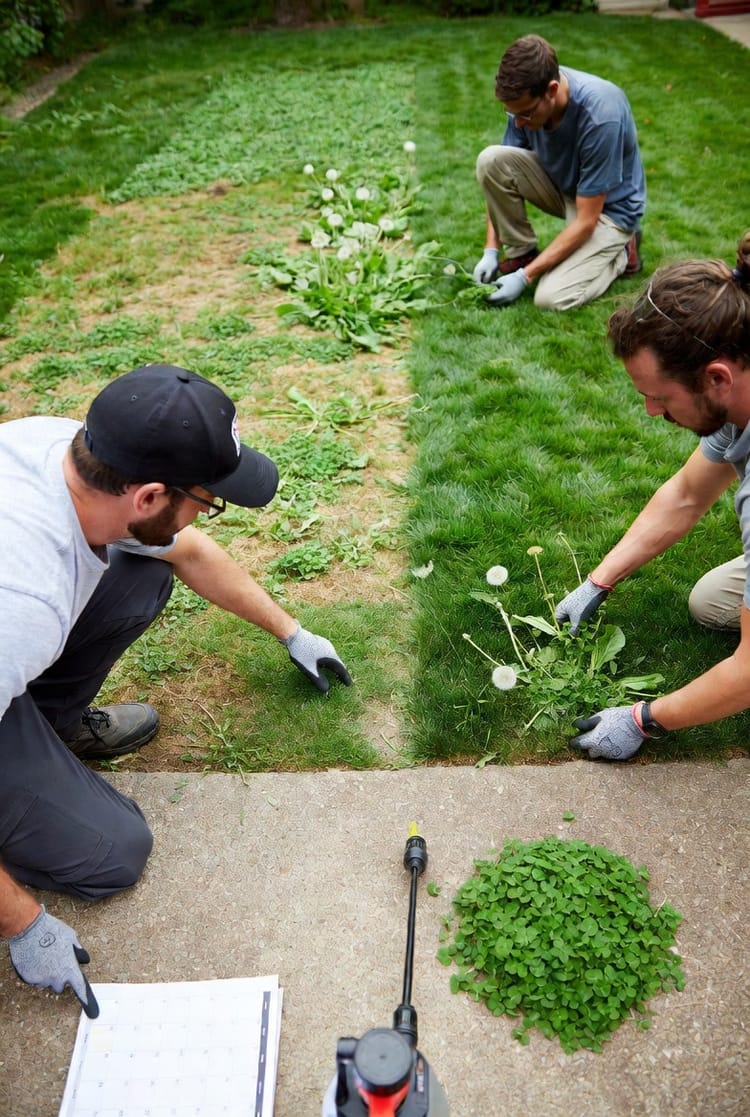
Myth: You need chemicals for weeds. Reality: Healthy soil biology naturally suppresses them through competition.
Myth: Aeration damages grass. Reality: Done properly, it invigorates roots and soil life.
Embracing facts over fiction empowers you to make informed choices for a thriving lawn.
Practical Steps to Get Started Today
Ready to cultivate your soil? Begin small:
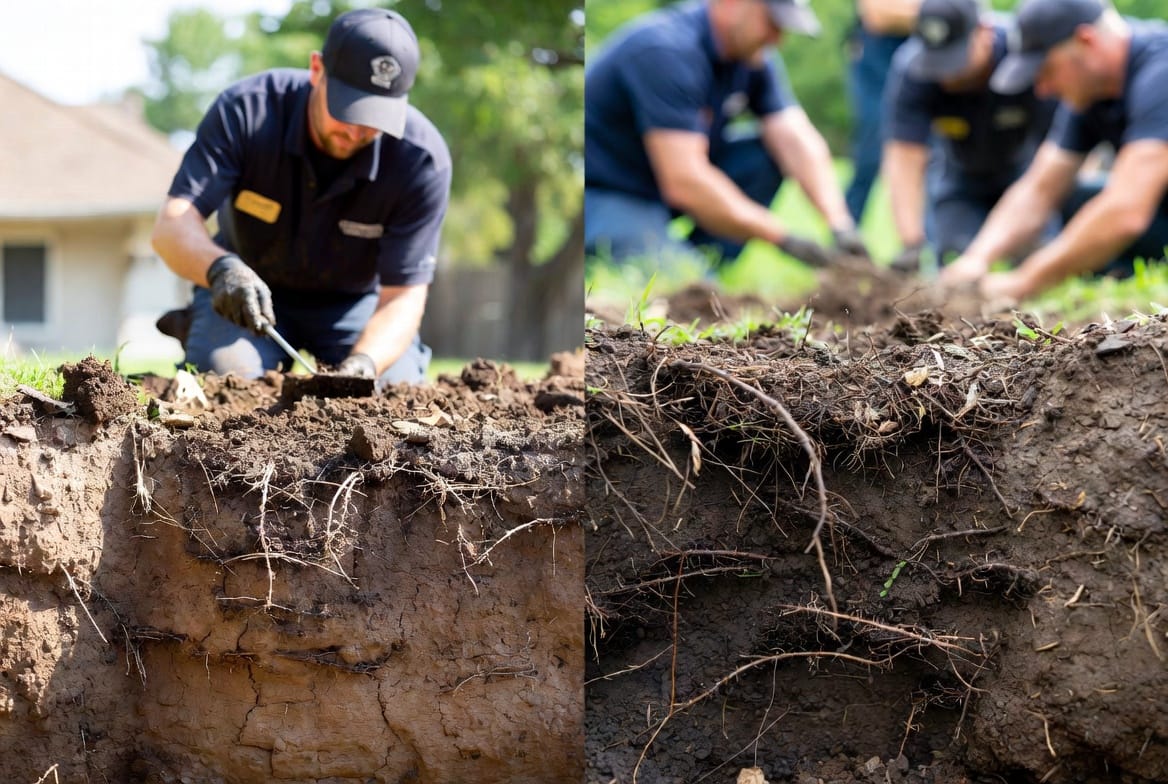
- Assess your current soil with a simple dig test – look for crumbly texture and earthworms.
- Apply compost and aerate annually.
- Monitor progress with photos and notes.
For expert guidance, professional services can accelerate the process, ensuring precise application and tailored advice.
In conclusion, the secret to a self-sustaining lawn lies in nurturing soil biology through thoughtful practices. By prioritizing microbes, fungi, and organic matter, you'll enjoy a resilient, disease-resistant, and greener yard. Feed your soil, not just your grass.
Revive Your Soil, Revive Your Lawn – Schedule Your Consultation Today