The Root Canal Explained: Saving a Tooth, Not Causing Pain
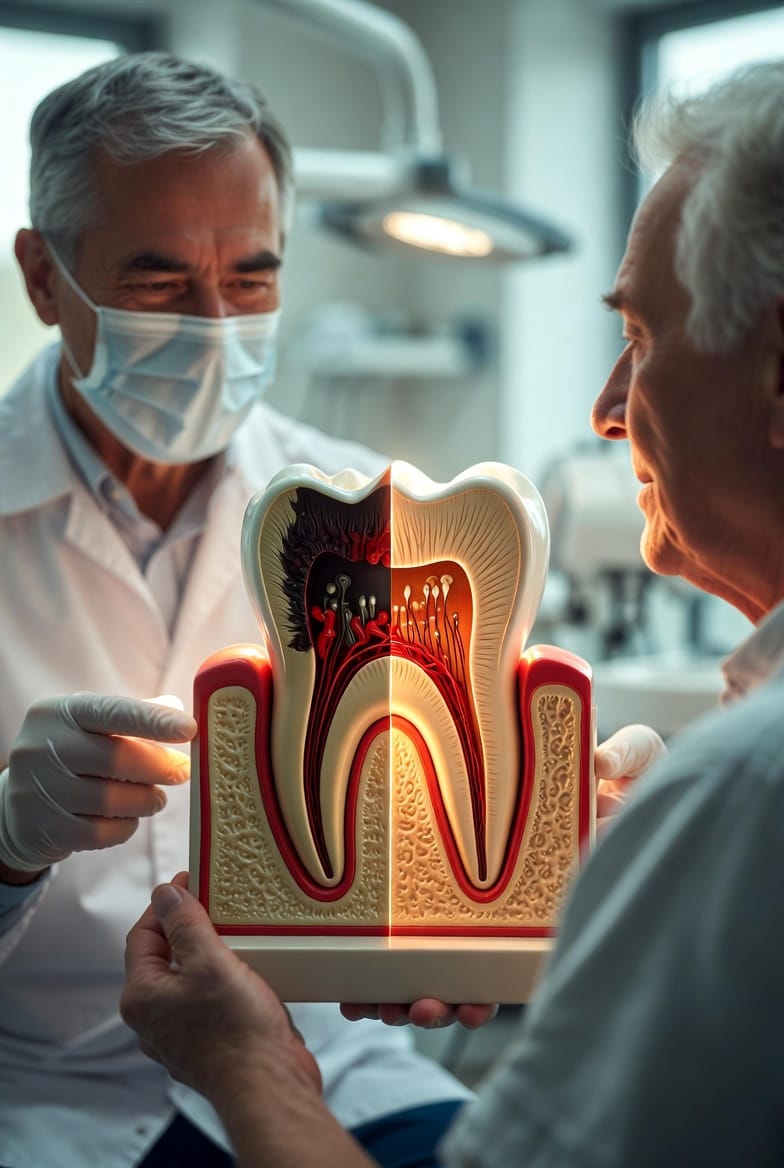
Many patients arrive at the dental chair convinced that a root canal means hours of agony. That outdated belief no longer matches reality. Today’s root canal treatment is a precise, comfortable procedure that removes infected pulp, eliminates pain at its source, and saves your natural tooth for years to come. Far from the horror stories of the past, this treatment now offers predictable relief and long-term oral health benefits.
Ready to Save Your Tooth Comfortably? Call Now
If you have been avoiding the dentist because of fear, this guide will replace anxiety with confidence. We will walk through exactly what happens inside the tooth, why saving it matters, how modern techniques make the process virtually painless, and what recovery truly looks like. By the end, you will understand why a root canal is often the smartest, most conservative choice for an infected or damaged tooth.
Recognizing the Early Warning Signs
Your body sends clear signals when the soft tissue inside a tooth becomes inflamed or infected. Ignoring them can lead to more serious complications, including abscesses or the need for extraction.
Common signs you may need a root canal include:
- Severe, lingering toothache that wakes you at night or intensifies when you lie down
- Prolonged sensitivity to hot or cold that lasts minutes after the stimulus is gone
- Swelling or tenderness in the nearby gums or face
- Tooth discoloration – a darkening or graying that signals internal damage
- Pain when chewing or tapping on the tooth
- A pimple-like bump on the gum (a draining fistula)
These symptoms do not appear suddenly. They develop gradually as bacteria reach the pulp through deep decay, a crack, or trauma. The good news? Acting early dramatically increases the chance of saving the tooth comfortably.

What Exactly Is a Root Canal?
A root canal is simply the removal of the infected pulp – the soft tissue containing nerves and blood vessels deep inside the tooth. Once that tissue becomes inflamed or necrotic, it cannot heal on its own. Leaving it untreated allows bacteria to spread, causing an abscess and potential bone loss.
The procedure cleans the inside of the tooth, shapes the root canals, fills them with a biocompatible material, and seals the tooth with a crown. The result is a strong, functional tooth that continues to serve you naturally. Think of it as emergency plumbing for your tooth: the infection is cleared, the space is disinfected and sealed, and the outer structure is reinforced.
Why Saving Your Natural Tooth Matters
Extraction may seem like a quicker fix, but preserving your natural tooth offers clear advantages that implants and bridges cannot fully replicate.
Your own tooth maintains proper bite alignment, prevents neighboring teeth from shifting, and preserves jawbone density. It feels, functions, and looks exactly like the rest of your smile. Studies consistently show that root canal-treated teeth with proper restoration last as long as – or longer than – most replacement options.
Saving the tooth also avoids the higher long-term costs and multiple appointments often required for implants. Most importantly, it keeps your smile intact without the psychological impact many patients feel after losing a visible tooth.
Modern Techniques That Make Root Canals Comfortable
The reputation of root canal pain belongs to dental history, not today’s practice.
Modern anesthesia begins with a gentle topical numbing gel followed by precisely controlled injections. Many offices now use computer-assisted delivery systems that eliminate the “sting” patients once feared. Once the area is fully numb, you feel only gentle pressure – never sharp pain.
Advanced tools further enhance comfort and precision:
- Dental operating microscopes provide up to 25× magnification, allowing the doctor to see every tiny canal.
- Nickel-titanium rotary files clean and shape canals faster and more thoroughly than older hand instruments.
- Electronic apex locators determine exact root lengths without repeated X-rays.
- Rubber dams isolate the tooth, keeping the area sterile and protecting your airway.
These innovations shorten appointment time, reduce discomfort, and raise success rates well above 95 percent in properly selected cases.
The Root Canal Procedure: Step by Step
The entire process usually fits into one or two comfortable visits.
- Access – After profound numbing, a small opening is made through the crown to reach the pulp chamber.
- Removal of infected pulp – The damaged tissue is gently taken out using fine instruments.
- Cleaning and shaping – Canals are meticulously cleaned, disinfected, and shaped to prepare for filling.
- Filling and sealing – A rubber-like material called gutta-percha is placed and sealed to prevent re-infection.
- Restoration – A temporary filling protects the tooth until a permanent crown is placed, restoring full strength and appearance.
Throughout, you remain relaxed and in complete control. Most patients listen to music or podcasts and are surprised at how uneventful the appointment feels.
What to Expect During Recovery
Recovery from a root canal is typically mild and brief. You may feel slight tenderness for one to three days – similar to the feeling after a routine filling. Over-the-counter pain relievers usually manage any discomfort.
Simple aftercare tips include:
- Avoid chewing on the treated tooth until the permanent crown is placed
- Maintain gentle but thorough brushing and flossing
- Use any prescribed antibiotics exactly as directed if an active infection was present
- Return promptly for the final crown to protect the tooth
Most patients return to normal activities the same day. The treated tooth feels increasingly comfortable as swelling subsides and the body completes its natural healing.
The Long-Term Benefits of Preserving Your Natural Tooth
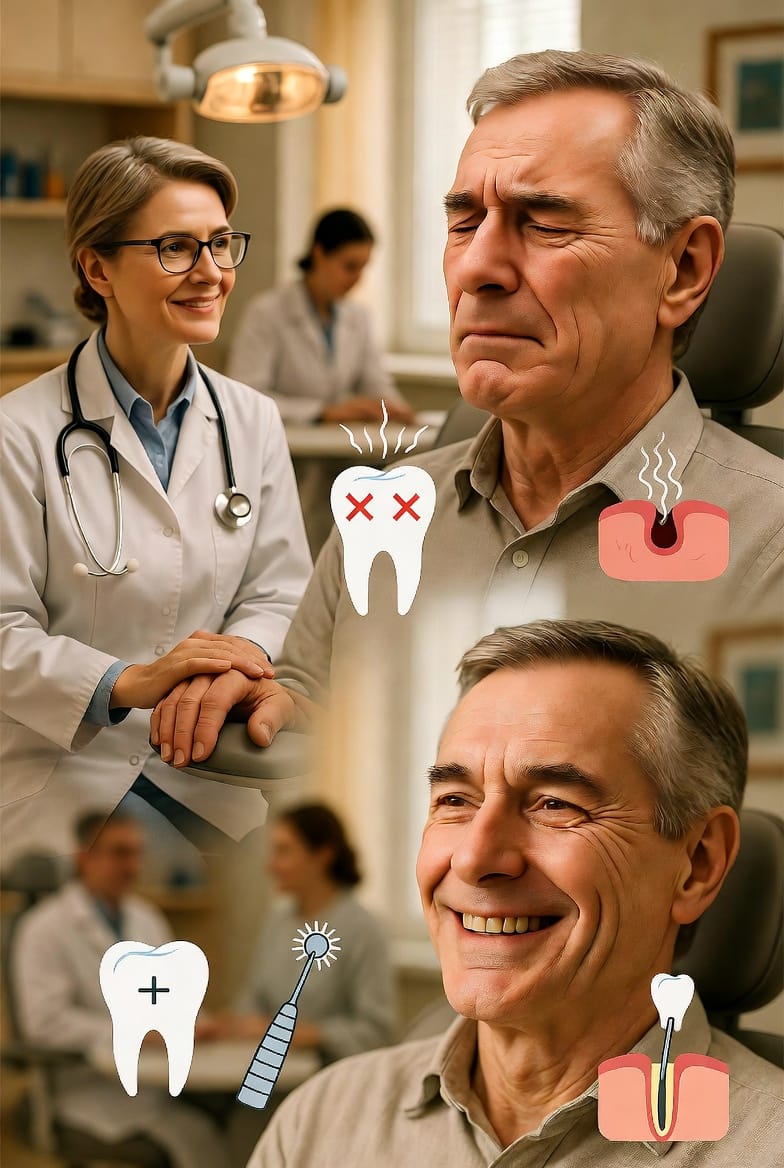
Beyond immediate pain relief, a successfully treated root canal protects your overall oral health. The sealed canals prevent bacteria from re-entering. The crown restores chewing efficiency and prevents fractures. You avoid the bone loss that follows extraction and the potential need for more invasive procedures later.
Patients consistently report higher satisfaction with their own saved tooth compared to replacements. The procedure supports confident smiling, clear speech, and proper nutrition – all without the self-consciousness that can accompany missing teeth or bulky prosthetics.
Is a Root Canal Right for You?
If you recognize any of the warning signs listed earlier, do not wait. Early evaluation often means a simpler, more predictable outcome. During your consultation, the dentist will take digital images, discuss your symptoms, and explain whether root canal treatment is the best path or if other options exist.
The goal is always the same: eliminate infection, relieve pain, and keep your natural tooth healthy and functional for decades.
Save Your Natural Tooth Comfortably
A root canal is no longer something to fear – it is a proven, comfortable solution that preserves your smile and oral health. With today’s modern anesthesia, precision instruments, and caring techniques, the procedure delivers reliable relief without the discomfort of the past.
Save your natural tooth comfortably. Our team is ready to answer your questions and guide you through every step with clarity and compassion.
Get Relief with Modern Root Canal Treatment – Call Today