The Wisdom Teeth Removal: What to Expect and When It's Necessary
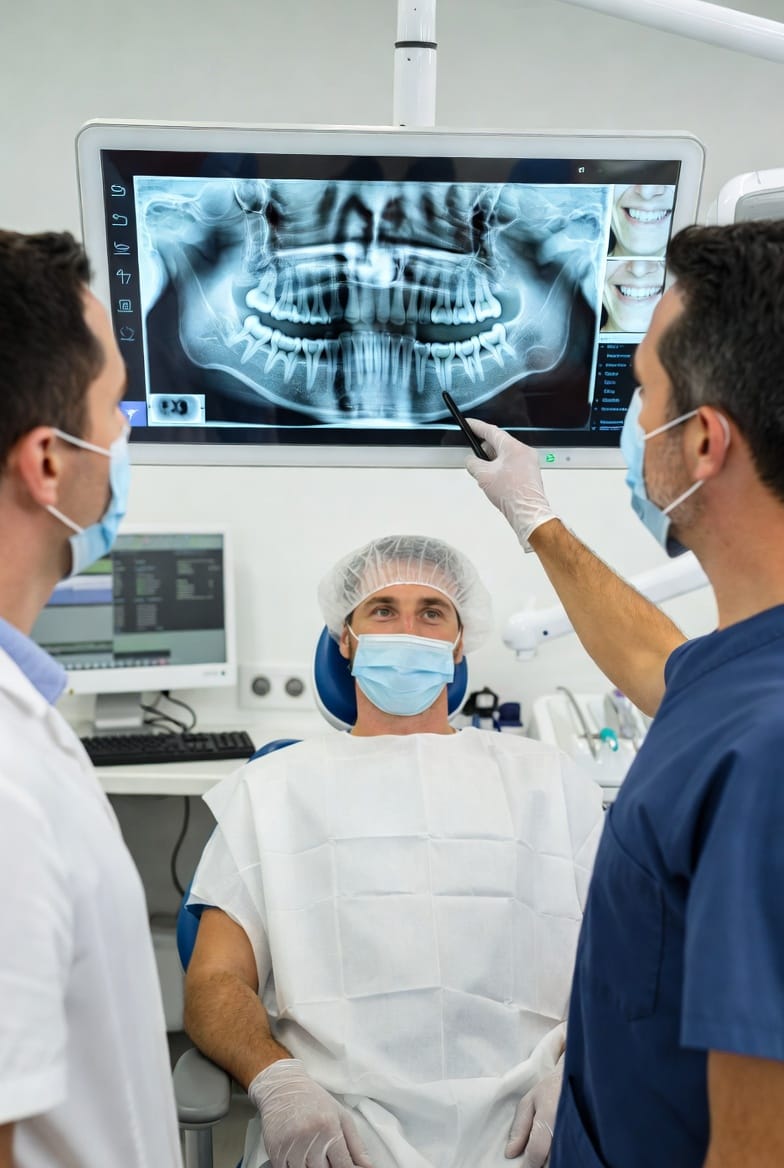
Wisdom teeth, also known as third molars, are the last teeth to emerge in the back of your mouth, typically appearing between ages 17 and 25. For many adults, these late-arriving teeth cause more problems than they solve. Wisdom teeth removal is one of the most common dental procedures performed today, and when handled by experienced professionals, it is safe, predictable, and highly effective at preventing long-term oral health issues.
Call Now for a Pain-Free Wisdom Teeth Evaluation
If you have been experiencing discomfort in the back of your mouth or your dentist has mentioned impacted wisdom teeth, you are not alone. This comprehensive guide explains exactly when wisdom teeth removal is necessary, walks you through the entire extraction process, and details what recovery truly looks like. Our goal is to replace fear with facts and empower you with clear, reassuring information so you can make confident decisions about your smile.
Understanding Wisdom Teeth and Their Place in Your Mouth
Wisdom teeth served a useful purpose for our ancient ancestors who needed extra chewing power to process tough, uncooked foods. Today, with smaller jaws and softer diets, most people simply do not have enough room for these four additional molars. When space is limited, the teeth may only partially erupt or remain trapped beneath the gums and bone.
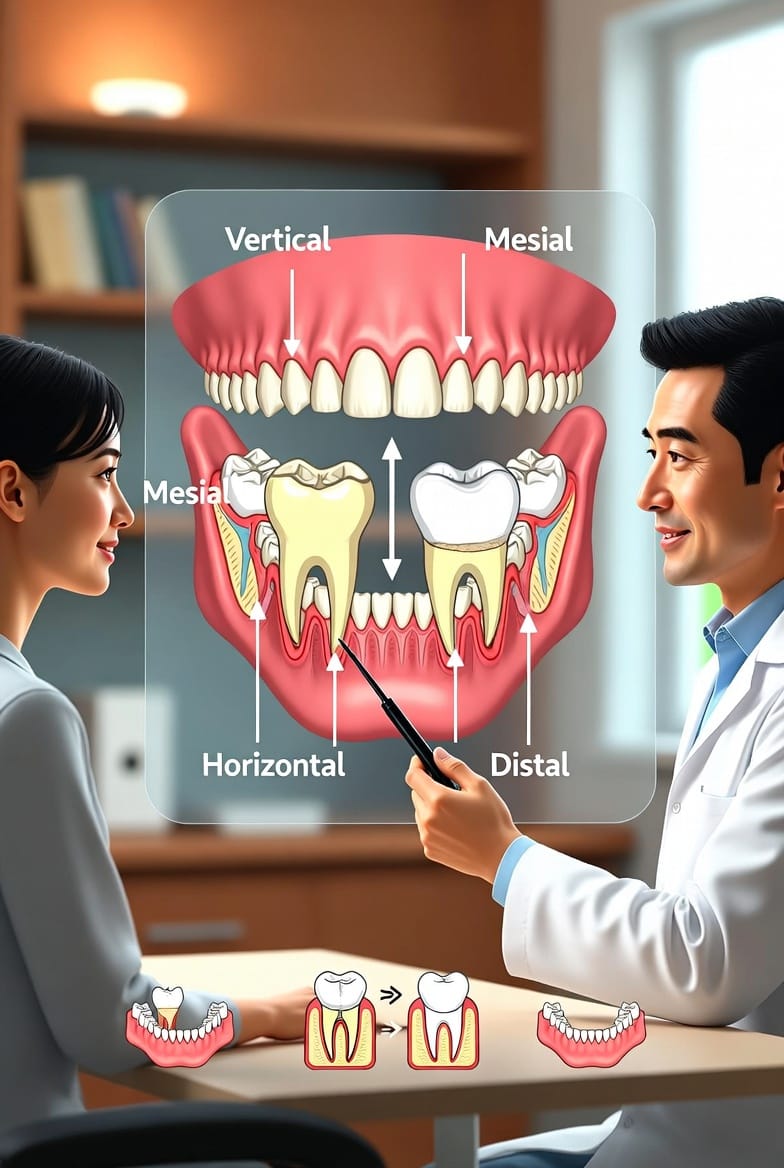
Impaction occurs when a wisdom tooth cannot fully emerge into its proper position. This is the leading reason wisdom teeth removal becomes necessary. Left untreated, impacted teeth can lead to crowding, decay, infection, and even damage to neighboring healthy teeth. Modern dentistry focuses on proactive care rather than waiting for pain to force a decision.
Why Wisdom Teeth Are Often Removed
Dentists recommend wisdom teeth removal for several evidence-based reasons that protect your overall oral health:
- Impaction: The tooth is blocked by bone or other teeth and cannot erupt normally.
- Crowding: Emerging wisdom teeth push against adjacent molars, causing misalignment that may undo years of orthodontic work.
- Decay risk: Partially erupted teeth are extremely difficult to clean, allowing bacteria to thrive and cause cavities or gum disease.
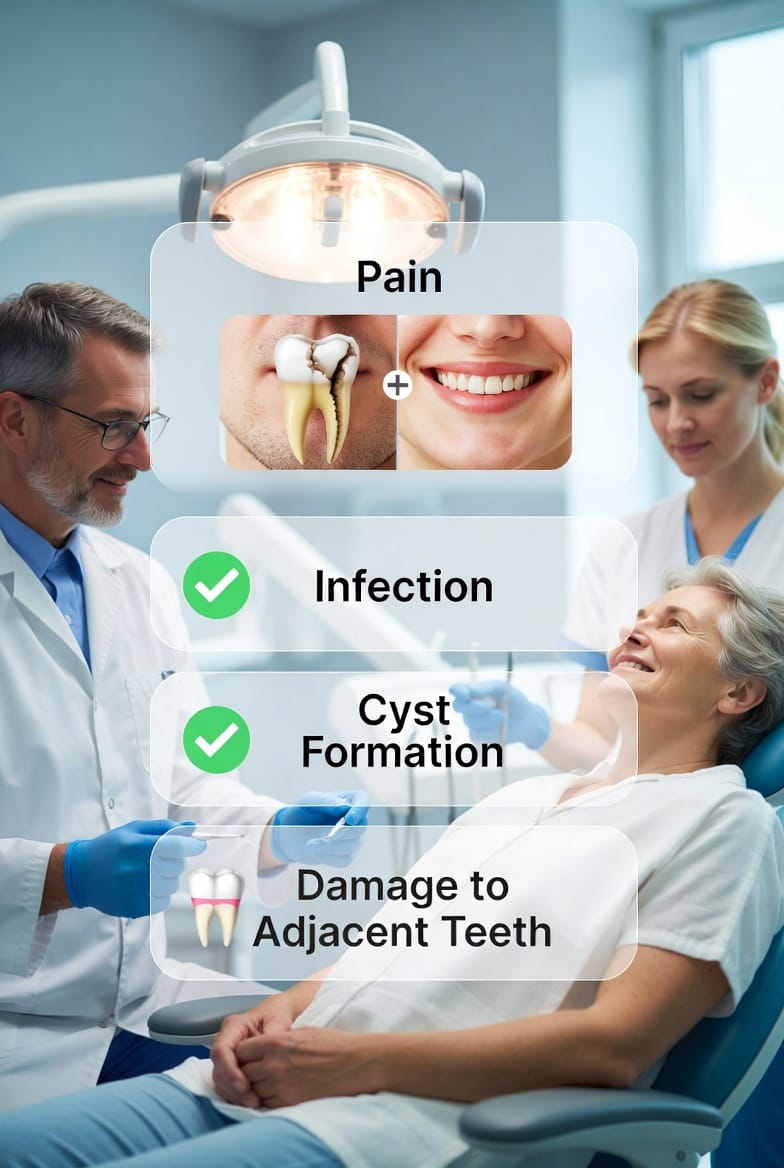
- Infection and inflammation: Trapped food and bacteria can lead to painful pericoronitis around the gum flap.
- Cyst or tumor formation: Fluid-filled sacs can develop around impacted teeth, potentially damaging the jawbone and nearby structures.
- Damage to adjacent teeth: Pressure from wisdom teeth can erode the roots of second molars, leading to premature loss.
Early evaluation is key. Routine panoramic X-rays during late teens or early adulthood allow dentists to spot potential problems before they become painful emergencies. Removing wisdom teeth preventively is often simpler and involves shorter recovery than waiting until complications arise.
Signs That Wisdom Teeth Removal Is Necessary
Recognizing the warning signs early can save you from unnecessary pain and complications. Watch for these common indicators that wisdom teeth removal should be scheduled promptly:
- Persistent or recurring pain in the back of the jaw
- Swelling or tenderness around the gums
- Bad breath or unpleasant taste caused by trapped debris
- Difficulty opening your mouth fully
- Frequent headaches or earaches originating from the jaw area
- Visible partial eruption with inflamed gum tissue
- Radiographic evidence of cyst formation or root damage to neighboring teeth
If you notice any of these symptoms, do not ignore them. Prompt consultation prevents minor issues from escalating into infections or structural damage. Your dentist will use advanced imaging to confirm the diagnosis and discuss personalized timing for the procedure.
The Wisdom Teeth Extraction Process: Step by Step
Knowing what happens during wisdom teeth removal removes much of the anxiety surrounding the procedure. Here is the typical sequence:
- Initial Consultation and ImagingYour dentist or oral surgeon reviews your medical history, performs a thorough exam, and takes digital X-rays or a 3D cone-beam scan to map the exact position of each tooth.
- Anesthesia OptionsDepending on the complexity and your comfort level, choices include local anesthesia, nitrous oxide, IV sedation, or general anesthesia. Most patients report feeling relaxed and comfortable throughout.
- The Extraction Itself
- For fully erupted teeth: a simple extraction similar to any other tooth removal.
- For impacted wisdom teeth: a surgical approach involving a small incision in the gum, careful sectioning of the tooth if needed, and gentle removal of surrounding bone.Stitches are usually placed and dissolve on their own within days.
- Immediate Post-Procedure CareYou rest in a recovery area while the anesthesia wears off. Detailed written instructions and a follow-up plan are provided before you leave.
The entire appointment typically lasts 45 to 90 minutes, and modern techniques minimize trauma to surrounding tissues.
What to Expect During Recovery
Recovery from wisdom teeth removal is highly individual, but most patients follow a predictable timeline when they follow aftercare guidelines:
- First 24–48 hours: Some swelling and mild discomfort are normal. Ice packs applied in 20-minute intervals help control both. Rest with your head elevated and avoid strenuous activity.
- Days 3–7: Swelling peaks around day 3 then steadily decreases. Soft foods such as yogurt, mashed potatoes, and smoothies are recommended.
- Week 2: Most patients return to normal activities. Stitches begin to dissolve, and any residual soreness fades.
- Full healing: Bone and soft tissue continue to remodel for several weeks, but you will feel back to normal much sooner.
Pain management combines over-the-counter or prescribed medications with natural strategies such as warm salt-water rinses after the first day. Avoiding straws, smoking, and vigorous rinsing prevents the painful condition known as dry socket.
Your dental team remains available 24/7 for any concerns. With proper care, the vast majority of patients describe recovery as far easier than anticipated.
Benefits of Timely Wisdom Teeth Removal
Addressing impacted wisdom teeth proactively delivers multiple long-term advantages:
- Prevents crowding and protects orthodontic results
- Eliminates chronic infection risk
- Reduces the chance of painful cysts or tumors
- Preserves the health and integrity of neighboring teeth
- Improves overall oral hygiene by removing hard-to-clean areas
Patients often report greater confidence and comfort once these potential troublemakers are gone.
Common Myths About Wisdom Teeth Removal Debunked
Myth: Everyone must have their wisdom teeth removed.
Fact: Only those showing signs of problems or high risk require extraction.
Myth: The procedure is always painful and involves weeks of downtime.
Fact: With today’s techniques and sedation options, most people resume normal routines within a few days.
Myth: Older patients cannot have wisdom teeth removed safely.
Fact: While earlier removal is often simpler, experienced surgeons successfully treat patients of all ages.
Choosing the Right Dental Professional for Your Procedure
Select a provider who specializes in wisdom teeth removal and uses state-of-the-art imaging and sedation. Look for clear communication, transparent pricing, and a caring team that answers every question thoroughly. A single consultation can give you peace of mind and a personalized treatment plan.
Understand Your Wisdom Teeth Options
Wisdom teeth removal is a routine, well-understood procedure that delivers lasting benefits when performed at the right time. Whether your teeth are currently causing discomfort or your dentist has identified potential future issues, you now have the knowledge to move forward confidently.
Schedule a consultation today to discuss your unique situation. Our compassionate team is ready to guide you through every step with expertise and care.
Understand Your Wisdom Teeth Options – Schedule Today