The Roofing Project Dumpster: Sizing, Placement, and Shingle Disposal Tips
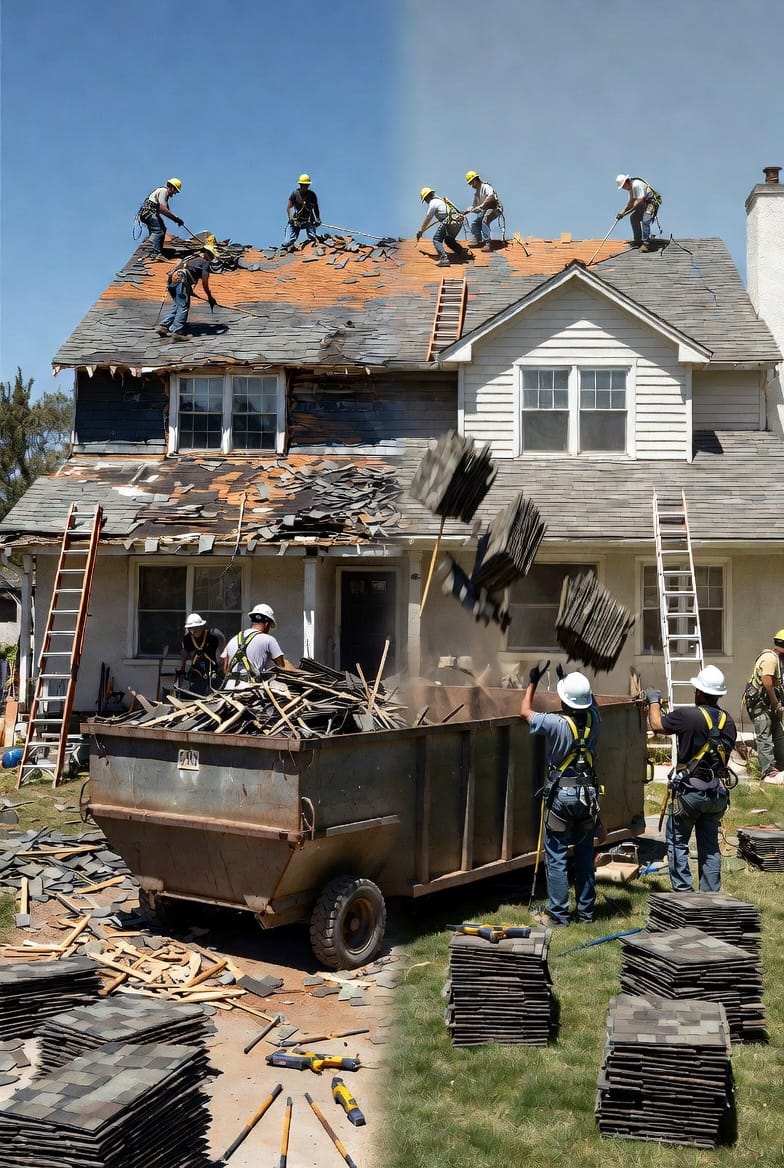
When tackling a roof replacement, homeowners quickly discover that the old shingles, underlayment, and flashing create far more waste than anticipated. Without the right roofing project dumpster, your driveway can turn into a hazardous pile of debris, timelines stretch, and unexpected costs pile up. Choosing the correct container size, placing it strategically, and handling heavy shingles properly are essential steps that keep your project safe, efficient, and on budget.
Ready for Your Roof Replacement? Call for Perfect Dumpster Sizing
At our dumpster rental service, we specialize in making roof replacement projects seamless from start to finish. This comprehensive guide walks you through every detail you need to know for successful shingle disposal and debris management. Whether you’re replacing the roof on a modest ranch or a larger two-story colonial, these proven strategies ensure you select the ideal dumpster, position it without damaging your property, and load it correctly. You’ll finish with a clean site and peace of mind.
Why a Dedicated Roofing Project Dumpster Is Non-Negotiable
Roofing jobs generate dense, heavy material that standard trash pickup simply cannot handle. Asphalt shingles alone can weigh thousands of pounds, and when mixed with nails, wood, and felt paper, the total volume grows rapidly. Renting a roofing project dumpster eliminates the stress of multiple trips to the landfill and keeps your property protected.
Key benefits include:
- Single-container convenience that handles all debris in one place
- Compliance with local regulations on construction waste
- Protection of your driveway and landscaping from heavy equipment damage
- Faster project completion because crews never wait for disposal
By planning your dumpster needs early, you avoid common headaches and keep your roof replacement moving smoothly.
Calculating the Right Dumpster Size Based on Roof Squares
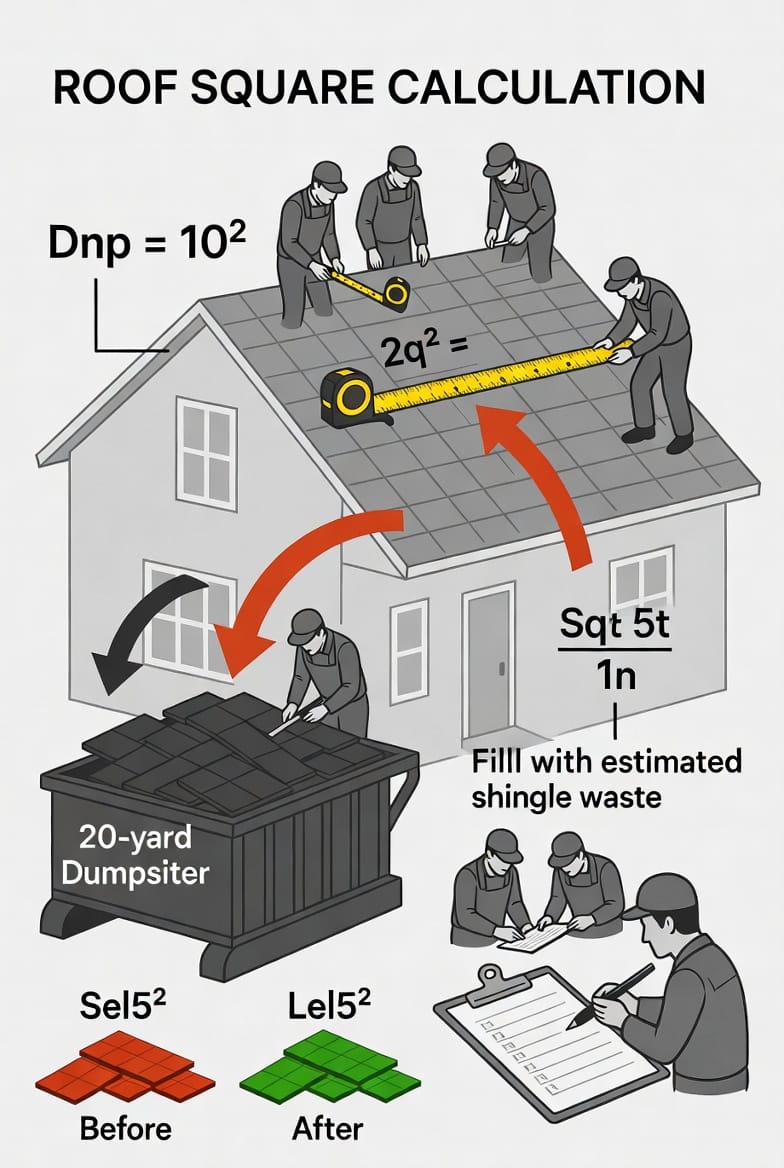
The foundation of any successful roofing project dumpster rental is understanding roof squares. One square equals 100 square feet of roof surface. Most homes range from 15 to 35 squares, but waste volume is typically 1.5 to 2 times the actual roof area because of overlap, damaged material, and packaging.
For example, a 1,500-square-foot roof (15 squares) usually produces 20 to 30 cubic yards of debris once everything is torn off. A 2,500-square-foot roof (25 squares) can easily fill 30 to 40 cubic yards. Always add a 10–20% buffer for unexpected extras such as deteriorated sheathing or old vents.
Quick sizing guide for typical roof replacements:
- 10–15 squares – A 10- or 15-yard dumpster often suffices for small additions or single-story homes.
- 16–25 squares – Choose a 20-yard dumpster as the sweet spot for most standard residential projects.
- 26+ squares – Opt for a 30-yard container or schedule a second pickup to handle the extra weight and volume.
Factors that increase waste include roof pitch (steeper roofs create more scrap), age of the roof (older layers add bulk), and whether you’re removing multiple layers. Our team can review your roof measurements over the phone and recommend the precise size—no guesswork required.
Strategic Placement for Easy Access Without Driveway Damage
Proper dumpster placement protects your investment and keeps the job site safe. The ideal location is close enough for roofers to toss materials directly into the container yet far enough from the house foundation to avoid structural stress.
Best practices for placement include:
- Position the dumpster on a flat, stable surface—preferably the driveway or a reinforced side yard.
- Use plywood or protective mats under the wheels or rollers to prevent cracking concrete or asphalt.
- Ensure at least 10 feet of clearance above for the delivery truck and 20 feet of straight-line access from the street.
- Avoid low-hanging branches, power lines, or septic systems.
If your driveway is narrow or newly paved, request a rubber-wheeled dumpster or place it on the street with proper permitting. Our drivers are experienced at navigating tight residential spaces and will guide you on local requirements so your roofing project dumpster arrives exactly where it’s needed.
Shingle Weight Considerations and Safe Loading Techniques
Shingle weight is one of the most overlooked factors in roof replacement. A single square of asphalt shingles can weigh 200–300 pounds, and a full load quickly reaches several tons. Overloading beyond the container’s weight limit creates safety hazards and extra fees.
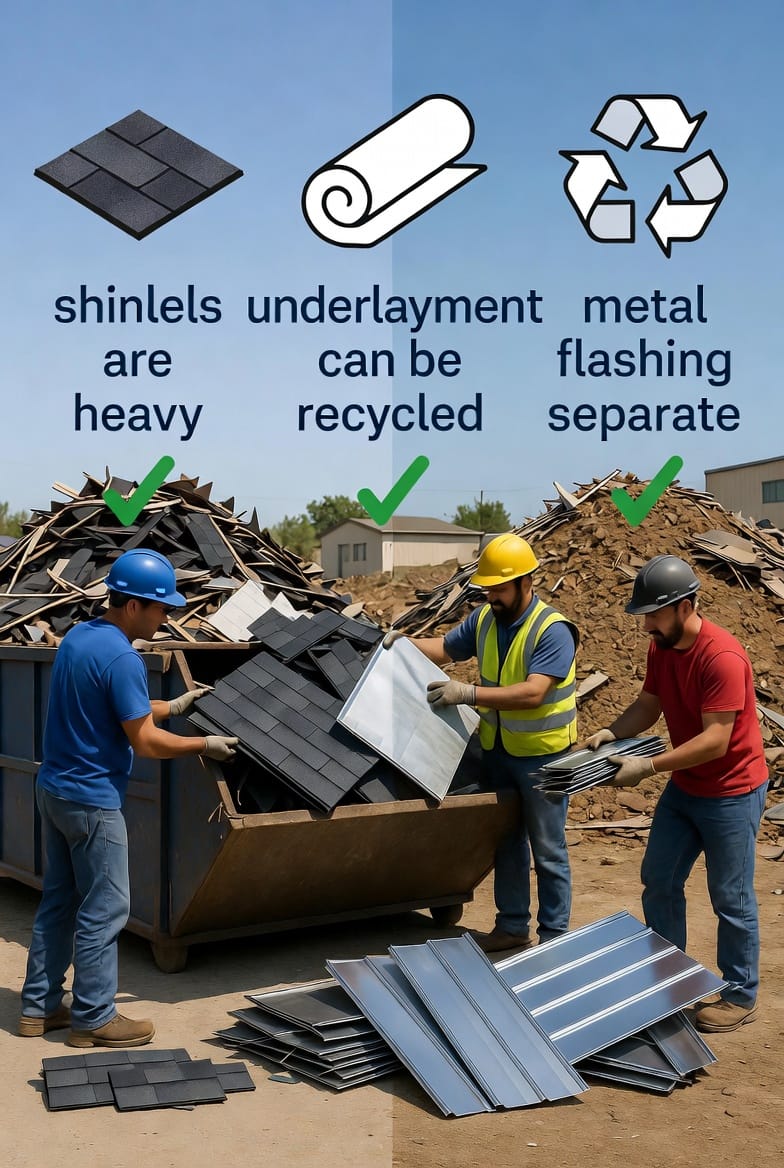
Load heavy shingles evenly across the floor of the dumpster first, then layer lighter materials on top. Keep the load level—no piling above the side walls. Separate metal flashing, gutters, and vents into a designated corner or ask about a second smaller container for recyclable metals. Underlayment and felt paper can often be bundled tightly to save space.
Pro loading tips:
- Use a tarp to cover the dumpster overnight and prevent moisture from adding weight.
- Break down large bundles before tossing to maximize space.
- Never throw sharp objects without warning—communicate with your crew for safety.
When you partner with an experienced dumpster rental provider, you receive containers rated for heavy construction debris, ensuring your load stays within legal limits every time.
Common Mistakes to Avoid in Roofing Debris Management
Even experienced homeowners occasionally slip up. Renting a container that’s too small forces expensive last-minute swaps. Placing the dumpster too close to the house risks damage from falling tools. Ignoring weight limits leads to overweight tickets or refused pickup.
Another frequent error is mixing hazardous materials—old paint cans or asbestos-containing products require special handling. Always confirm with your rental company what is and isn’t allowed. Planning ahead and communicating clearly with your roofing crew eliminates these risks entirely.
Environmental and Cost-Saving Advantages of Professional Dumpster Rental
Choosing the right roofing project dumpster isn’t just practical—it’s responsible. Many shingles can be recycled into new road materials, and separating metals keeps them out of landfills. Our service sorts where possible and directs waste to the most eco-friendly facilities.
Cost-wise, one properly sized container almost always beats multiple trips in a pickup truck. You save on fuel, time, and landfill fees while protecting your vehicle from damage. The reassurance of knowing everything is handled professionally lets you focus on the beautiful new roof rising above your home.
Preparing Your Site for Dumpster Delivery
A little preparation goes a long way. Clear the chosen spot of vehicles, toys, and low branches. Mark any underground utilities or sprinkler lines. Have a quick conversation with neighbors if the dumpster will be visible from the street. These small steps ensure smooth delivery and pickup, keeping your entire roof replacement on schedule.
Real-World Example: A 22-Square Colonial Roof Replacement
Consider a recent project we supported—a 22-square colonial home in a tight neighborhood. The homeowner calculated 25 squares of actual surface plus two existing layers. We recommended a 20-yard dumpster with a mid-project swap option. The crew placed it on the wide driveway using protective mats. Shingles were loaded first, followed by neatly bundled underlayment. Metal flashing went into a separate 10-yard roll-off for recycling. The project finished two days ahead of schedule with zero driveway damage and a spotless yard. The homeowner later told us the dumpster planning made the entire experience stress-free.
Final Checklist Before You Rent
- Measure your roof accurately or have your contractor provide square footage.
- Decide on dumpster size with a 15% buffer.
- Schedule delivery two days before tear-off begins.
- Prepare the placement area and review safety rules with your crew.
- Ask about weight limits and acceptable materials.
Following this checklist guarantees your shingle disposal goes exactly as planned.
Right Size, Right Placement – Call for Roofing Dumpster Rental