The Roof Ventilation Equation: Intake, Exhaust, and the Balanced Airflow That Keeps Your Roof Cool and Dry
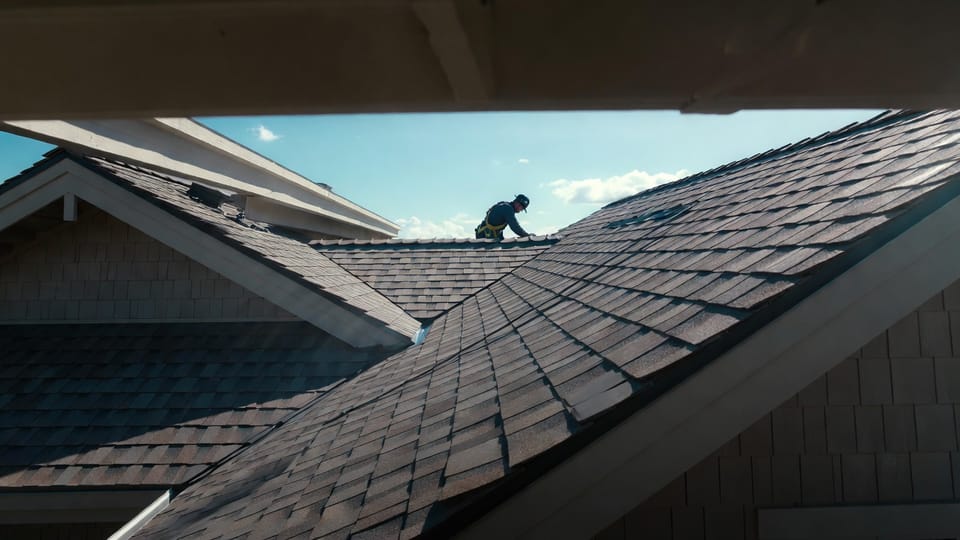
Proper roof ventilation is far more than a construction detail—it is the invisible force that determines whether your roof will last twenty years or fifty. At the heart of this science lies a precise roof ventilation equation: equal parts intake and exhaust creating continuous, balanced airflow. When this equation is solved correctly, your attic stays cool in summer, dry in winter, and your entire roof system performs exactly as engineered.
Choose Your Perfect Concrete Color Method – Call Today
Homeowners who understand and apply the 50/50 rule enjoy lower energy bills, longer shingle life, and peace of mind knowing moisture and heat are actively managed. In the following sections we explore the physics, the components, the calculations, and the real-world consequences of getting the equation wrong—so you can make confident, informed decisions about your home’s most important protective layer.
The Science Driving Balanced Airflow
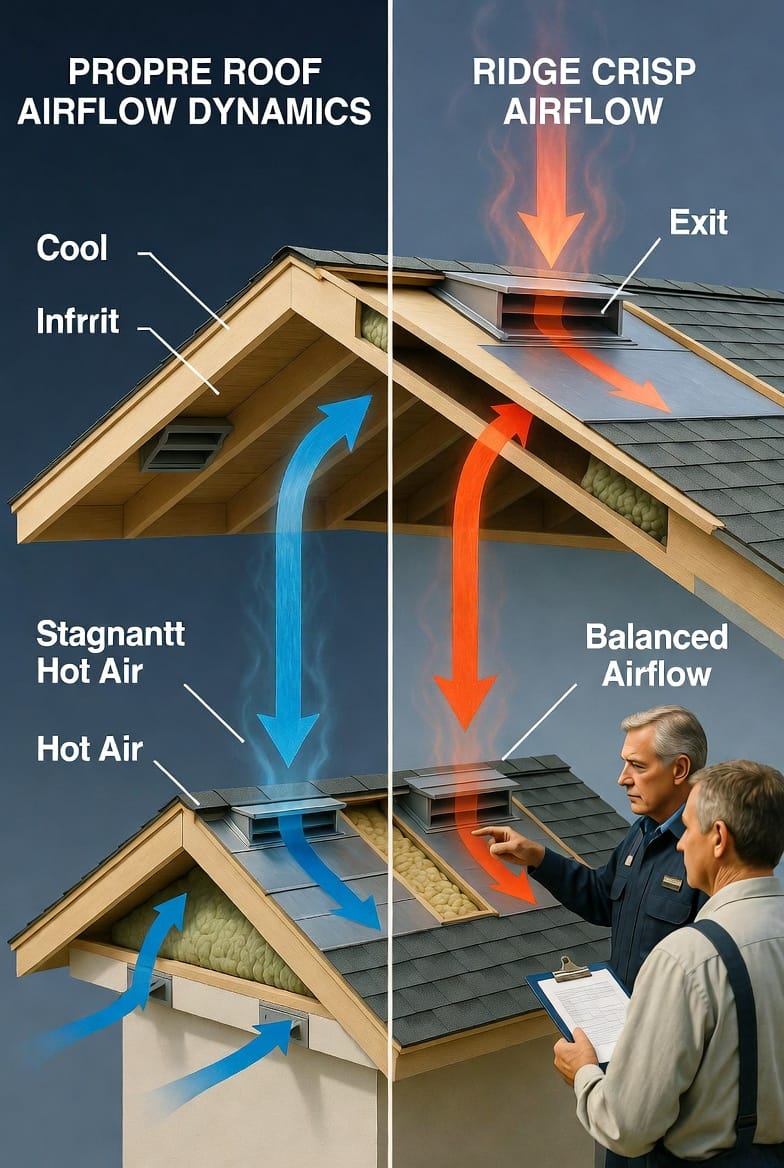
Warm air naturally rises. This simple physical law, known as the stack effect, is the engine behind effective attic ventilation. Cooler, denser air enters low through intake vents, absorbs heat from the attic space, becomes lighter, and exits high through exhaust vents. The result is a gentle, continuous current that removes heat and moisture without any moving parts.
When intake and exhaust are perfectly proportioned, the attic temperature stays within 10–15 °F of outside air on the hottest summer days and prevents condensation on the coldest winter nights. Disrupt that balance and the attic becomes a pressure chamber or a moisture trap—both scenarios accelerate damage.
The 50/50 Rule Explained
The 50/50 rule is the cornerstone of proper roof ventilation. Exactly half of the total net free vent area (NFVA) must be dedicated to intake (low) and half to exhaust (high). This ratio ensures the natural convection current flows smoothly from eaves to ridge without short-circuiting or back-pressure.
Builders and roofing scientists have validated this proportion across thousands of climates and home designs. When intake exceeds exhaust, hot air lingers. When exhaust exceeds intake, the system pulls conditioned air from living spaces, raising energy costs and lowering comfort. The 50/50 rule eliminates both problems and delivers predictable, reliable performance year after year.
Soffit Vents – The Critical Intake Foundation
Soffit vents located under the eaves provide the essential low-level intake your roof demands. Continuous soffit venting along the entire length of the eaves delivers the most uniform airflow, while individual round or rectangular vents can be used where continuous runs are impractical.
These vents draw outside air into the attic, replacing the rising hot air and keeping the roof deck cool. Because they sit below the insulation line, they also prevent wind-driven rain from entering while allowing free air movement. A well-designed soffit system typically accounts for 50 percent of total NFVA and forms the foundation of the entire ventilation equation.
Properly installed soffit vents are barely noticeable yet deliver outsized protection. They keep rafter bays ventilated, reduce heat transfer to living areas, and ensure insulation performs at its rated R-value. Neglect them and the entire system collapses.
Ridge Vents and Box Vents – Mastering Exhaust
At the highest point of the roof, ridge vents provide continuous, weather-resistant exhaust along the entire peak. Their slotted design allows hot air to escape while baffles and filters block wind-driven rain and insects. When paired with balanced intake, ridge vents create the most efficient passive ventilation possible.
Box vents (also called static vents) serve the same purpose on roofs without a continuous ridge or on complex rooflines. Multiple strategically placed box vents can achieve the required exhaust area, though continuous ridge venting remains the gold standard for uniformity and aesthetics.
Both exhaust types must be positioned at the absolute highest point to capture the hottest air. Placement even a few feet lower reduces efficiency dramatically. When correctly sized and paired with matching intake, these exhaust components complete the roof ventilation equation and keep your attic breathing freely.
Calculating Your Minimum Net Free Vent Area
The formula is straightforward and powerful:
Minimum Net Free Vent Area = Attic floor square footage ÷ 300
For every 300 square feet of attic floor space, you need at least one square foot of total NFVA, split 50/50 between intake and exhaust. A 1,200-square-foot attic therefore requires 4 square feet of total ventilation—2 square feet intake and 2 square feet exhaust.
Always use the manufacturer’s NFVA rating for each vent product rather than the physical opening size. Screens, louvers, and baffles reduce effective area, so accurate ratings ensure the 50/50 rule is truly satisfied.
Professional roofers measure the attic floor precisely, count existing vents, and calculate any shortfall. The result is a customized ventilation plan that meets or exceeds code while delivering optimal performance for your specific home and climate.
Real-World Consequences of Imbalanced Ventilation
When the roof ventilation equation is ignored, problems appear slowly then accelerate.
Ice dams form in cold climates when attic heat melts snow on the upper roof. Water runs down to the cold eaves, refreezes, and builds a dam that forces melting water under shingles and into the home. Proper balanced ventilation keeps the entire roof deck near outside temperature, virtually eliminating ice-dam risk.
Shingle overheating shortens roof life dramatically. Without adequate exhaust, attic temperatures can exceed 160 °F, causing asphalt to soften, granules to shed, and shingles to curl or crack. Balanced airflow keeps roof surface temperatures 20–30 °F cooler, extending shingle warranty performance by years.
Attic moisture leads to mold, wood rot, and reduced insulation effectiveness. In summer, humid air trapped in the attic condenses on cooler surfaces at night. In winter, household moisture rises and meets a cold roof deck. Either way, prolonged dampness destroys materials. Continuous balanced airflow removes moisture before it can condense, keeping the attic dry and healthy.
Achieving and Maintaining Perfect Balance
Professional assessment is the fastest path to solving the roof ventilation equation. A qualified roofing technician will:
- Measure exact attic square footage
- Inventory existing intake and exhaust
- Calculate current NFVA and 50/50 compliance
- Recommend precise upgrades or corrections
- Install or retrofit components with code-compliant detailing
Once installed, the system requires minimal maintenance—occasional visual checks and cleaning of vents ensure decades of reliable service.
The Long-Term Rewards of Proper Ventilation
A correctly ventilated roof delivers measurable benefits:
- Extended shingle and underlayment life
- Lower cooling costs in summer
- Reduced risk of structural damage in winter
- Healthier indoor air quality
- Higher resale value and buyer confidence
These advantages compound over time, turning a one-time ventilation investment into years of protection and comfort.
Let your roof breathe properly. Get a ventilation assessment today at (855) 321-3154 and solve the roof ventilation equation once and for all. Your home deserves the science-backed protection of balanced intake and exhaust.