The Ridge Vent Revealed: Why This Simple Ridge-Line Opening is Critical for Attic Ventilation
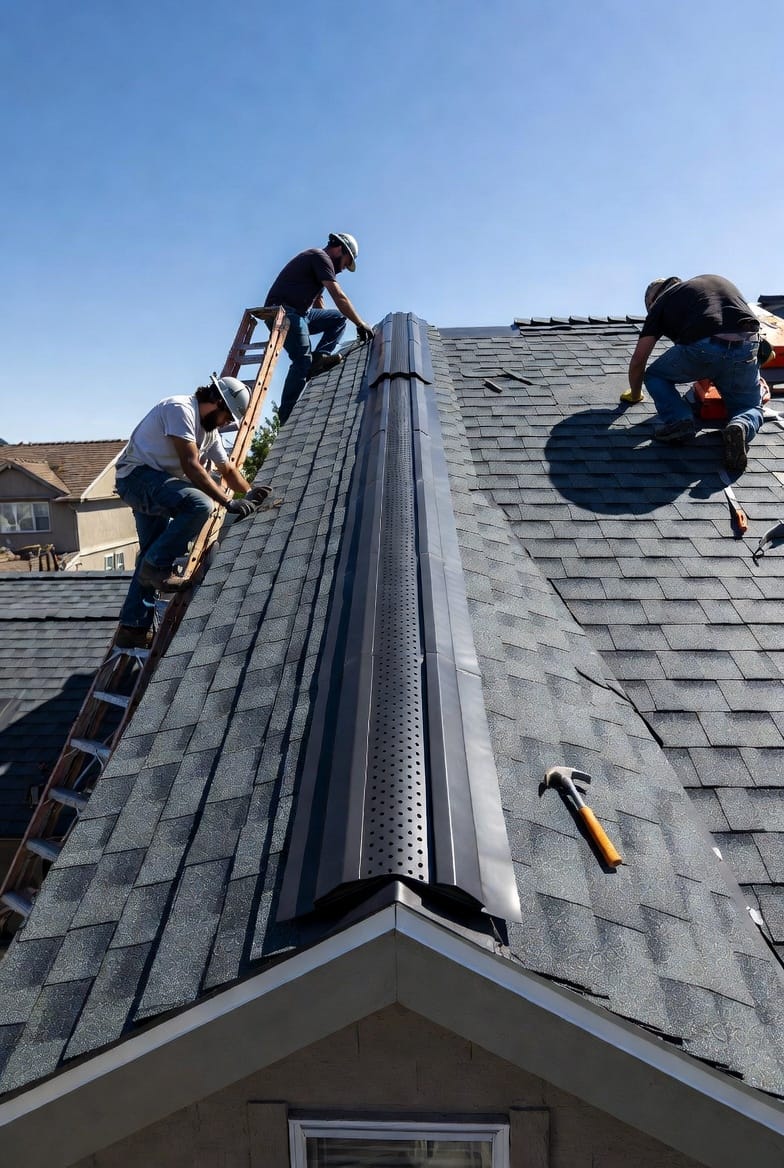
Your roof does more than shield your home from the elements—it actively manages temperature and moisture through proper attic ventilation. At the heart of an effective system lies one often-overlooked component: the ridge vent. This unassuming opening along the roof's highest point serves as the primary exhaust for hot, humid air, working in tandem with intake vents to maintain balanced airflow.
Protect Your Roof from Heat & Moisture – Call for Inspection
When installed and functioning correctly, a ridge vent prevents a cascade of costly problems, from premature shingle wear to structural damage and higher energy bills. In this in-depth guide, we explore exactly how ridge vents operate, the key types available, common pitfalls during installation, and why getting this detail right matters for long-term roof performance.
Understanding the Power of Proper Attic Airflow
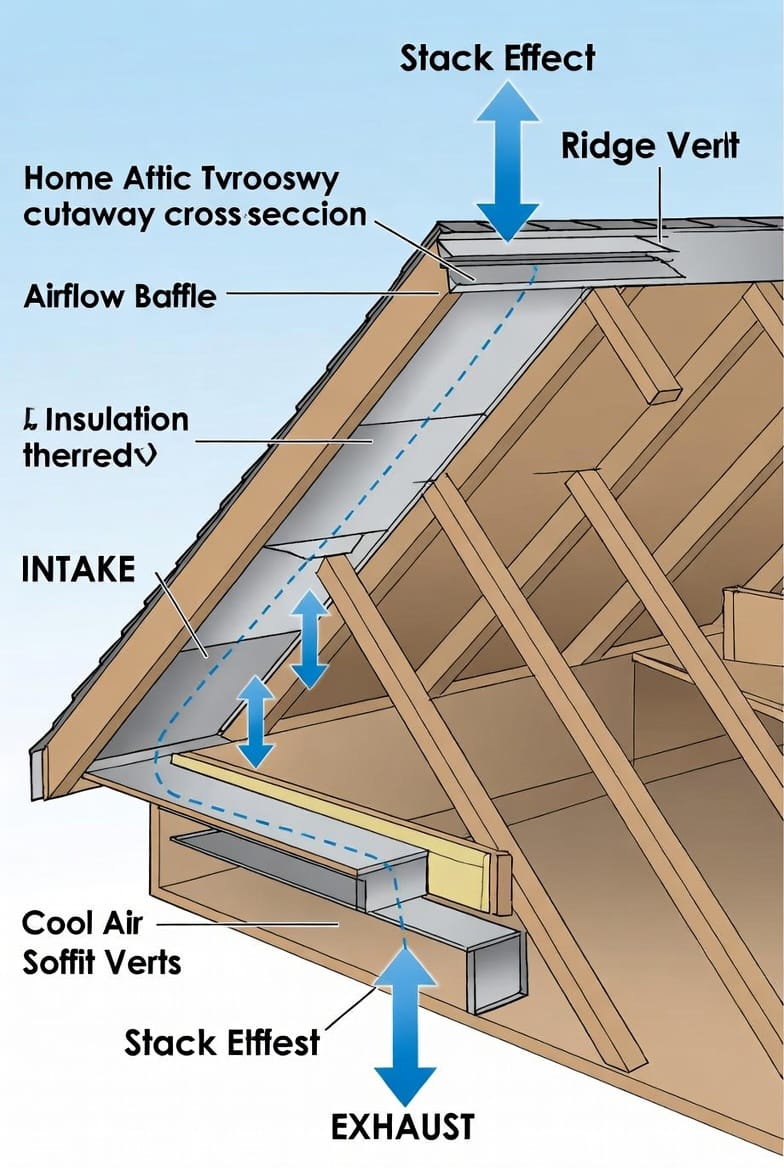
Attic ventilation relies on a fundamental principle known as the stack effect (also called thermal buoyancy). Warm air naturally rises. In a properly vented attic:
- Cooler outside air enters through soffit vents (or other intake vents) at the eaves.
- As air warms from heat radiated by the roof deck and interior living spaces, it becomes less dense and rises.
- This rising hot, moisture-laden air exits through the ridge vent at the peak.
The result? Continuous, passive airflow that removes heat buildup in summer and excess moisture year-round. Without this balanced intake-to-exhaust pathway, attics can reach temperatures exceeding 150°F (65°C) in hot weather, accelerating shingle deterioration and forcing HVAC systems to work harder.
Key benefits of effective ridge vent performance include:
- Reduced heat stress on roofing materials, extending shingle lifespan.
- Lower cooling costs by keeping attic temperatures closer to outdoor levels.
- Minimized risk of wood rot, mold growth, and insulation degradation from trapped moisture.
- Improved indoor comfort with fewer hot spots near ceilings.
A single, continuous ridge vent often provides more net free ventilation area (NFVA) than multiple smaller exhaust vents, making it one of the most efficient solutions for modern homes.
How Ridge Vents Actually Work
A ridge vent consists of a narrow slot cut along the roof ridge (typically 1–2 inches wide on each side of the peak), covered by a weather-resistant vent material. External shingles or a low-profile cap conceal the opening while allowing air to escape.
Airflow dynamics are straightforward yet powerful:
- Intake air enters low via soffits.
- The attic acts as a plenum, where rising heat creates positive pressure at the peak.
- The ridge vent releases this pressure, drawing fresh air upward in a natural convection loop.
This system requires balanced ventilation—roughly equal intake and exhaust areas (often 1:1 ratio per building code). When balanced, the stack effect operates efficiently without mechanical assistance.
Types of Ridge Vents: Shingle-Over vs. Aluminum
Homeowners and contractors generally choose between two main categories:
- Shingle-over ridge vents (most common for residential applications)These flexible, low-profile vents are designed to be covered completely by standard shingles or ridge caps. Made from durable plastic or composite materials with weather filters (often polypropylene mesh), they blend seamlessly with the roofline. Advantages include superior aesthetics, wind resistance, and compatibility with most shingle types. They provide excellent protection against rain, snow, and insects while delivering high NFVA ratings.
- Aluminum ridge vents (often roll-style or sectional)These rigid metal vents feature external baffles or hoods and remain partially visible. They offer robust durability in extreme climates and higher airflow capacity in some designs. However, they can appear more industrial and may require painting to match the roof. Aluminum models excel where maximum ventilation volume is needed, such as in very hot regions or steep roofs.
Both types incorporate filtering media to block wind-driven rain, pests, and debris. Quality products meet or exceed standards like ASTM D3161 (wind-driven rain resistance) and provide at least 18 square inches of NFVA per linear foot.
Pro tip: Always verify the manufacturer's NFVA rating and ensure it complies with local building codes (typically 1/150 or 1/300 of attic floor area, depending on vapor retarder presence).
Common Installation Mistakes That Sabotage Performance
Even the best ridge vent product fails if installed incorrectly. Here are the most frequent errors that block airflow or compromise weather resistance:
- Blocking the ridge slot with insulation or bafflesContractors sometimes allow fiberglass batts or spray foam to encroach into the vent opening, sealing off exhaust entirely.
- Inadequate slot width or inconsistent cutA slot narrower than recommended (or uneven along the length) drastically reduces exhaust capacity.
- Missing or improperly installed ridge cap shinglesShingles that overlap too far or are nailed incorrectly can restrict airflow or allow water intrusion.
- Ignoring soffit intake balanceA powerful ridge vent means nothing if soffit vents are clogged with paint, insulation, or debris—intake restriction kills the entire system.
- Poor sealing at ends and penetrationsOpen ends of the vent or gaps around chimneys/skylights invite moisture and pests.
- Using low-quality vent materialCheap products without adequate filtering allow insects or wind-driven rain entry, leading to callbacks.
Avoiding these pitfalls requires attention to detail during the roofing process. Professional installation ensures the vent performs as engineered, delivering years of reliable service.
Signs Your Ridge Vent System Needs Attention
Wondering if your current setup is working? Look for these red flags:
- Excessive heat in upper rooms during summer.
- Ice dams forming along eaves in winter (indicating trapped heat melting snow).
- Visible condensation or mold on roof decking (peek during inspection).
- Higher-than-expected energy bills tied to cooling.
- Premature curling, blistering, or granule loss on shingles.
If any apply, schedule a professional inspection. A quick check of soffits, baffles, and the ridge can reveal simple fixes before damage escalates.
Ensuring Long-Term Success: The Ridge Vent Checklist
Proper performance depends on the entire system working together. Use this practical checklist to verify effectiveness:
- Clear soffit vents — No blockages from insulation, bird screens, or exterior paint.
- Continuous ridge opening — Slot runs uninterrupted along the full ridge length (excluding hips/valleys unless specially designed).
- Unblocked baffles — Air chutes at eaves remain open, preventing insulation from contacting the roof deck.
- Adequate NFVA balance — Exhaust matches or slightly exceeds intake per code requirements.
- Secure installation — Vent material properly fastened, ends sealed, and cap shingles correctly overlapped.

Final Thoughts: Let Your Roof Breathe at the Peak
The ridge vent may appear simple, but its role in attic ventilation is indispensable. By enabling the natural stack effect, it expels heat and moisture that would otherwise shorten your roof's life and inflate energy costs.
Whether you're building new, replacing a roof, or troubleshooting existing issues, prioritize a high-quality ridge vent installation. The small investment in proper design and execution pays massive dividends in comfort, durability, and savings.
Ensure your roof breathes properly at the peak. If you're unsure about your attic ventilation or suspect problems, contact a trusted roofing professional today for an inspection.
Maximize Roof Life & Lower Bills – Free Consultation