The Rental Agreement Decoder: Understanding Terms like 'Weight Allowance,' 'Overage Fees,' and 'Prohibited Materials'
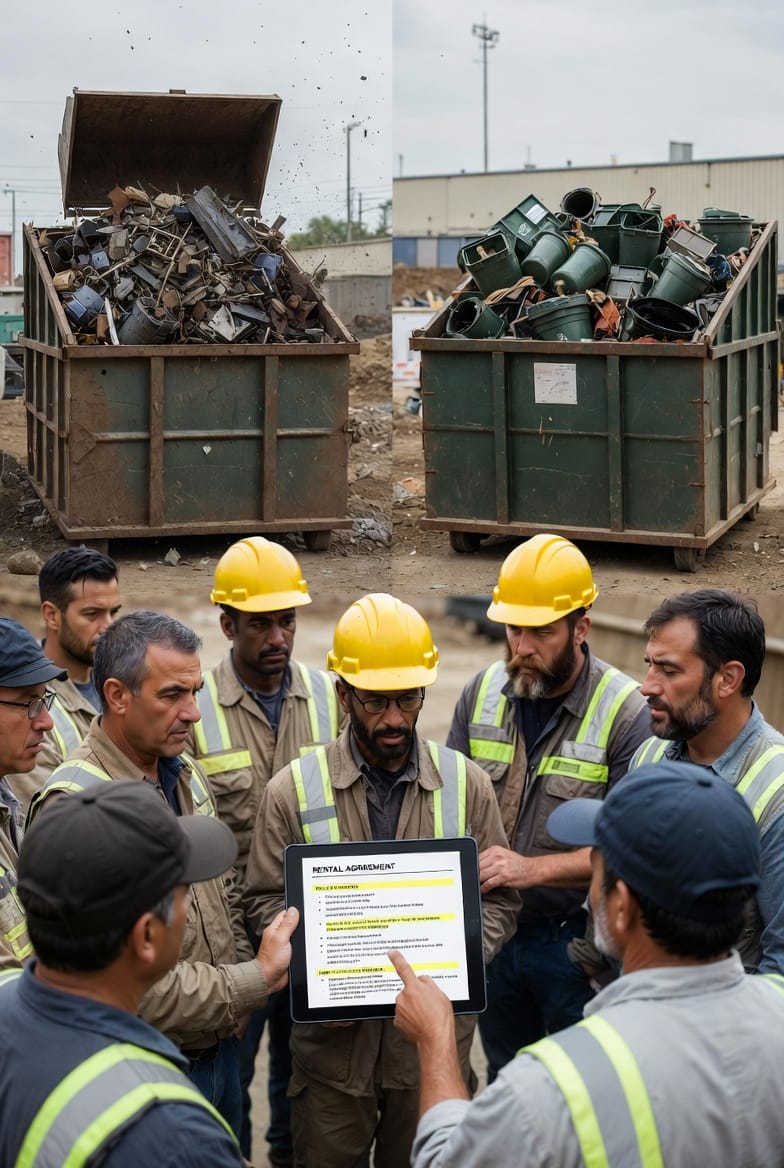
Renting a dumpster for your home renovation, construction project, or major cleanout can be a straightforward process—when you understand the terms in the rental agreement. At our company, we believe in transparency, so we're here to break down the fine print in simple, everyday language. This guide will empower you to make informed decisions, avoid unexpected costs, and ensure a hassle-free experience. Whether you're a first-time renter or a seasoned pro, knowing these key elements builds confidence in your project.
Avoid Overage Fees – Call for Smart Rental Advice
As a leading provider of dumpster rental services, we prioritize clear contracts that protect both you and the environment. Let's dive into the essentials, from weight allowances to prohibited materials, and everything in between. By the end, you'll feel equipped to tackle your waste management needs without surprises.
What Is a Dumpster Rental Agreement?
A dumpster rental agreement is essentially a contract between you and the rental company outlining the rules, responsibilities, and costs involved. It's designed to ensure safe, legal, and efficient use of the dumpster. Think of it as a roadmap for your project—detailing what you can dispose of, how much it can hold, and what happens if things go over the limit.
In plain terms, this document covers:
- Rental period: How long you can keep the dumpster, typically 7-10 days, with options for extensions.
- Delivery and pickup details: Where and when the dumpster will arrive and be removed.
- Payment terms: Upfront costs, deposits, and any potential additional fees.
Our agreements are crafted to be fair and easy to read, avoiding jargon wherever possible. If something seems unclear, we're always a call away to explain.
Decoding 'Weight Allowance': The Foundation of Your Rental
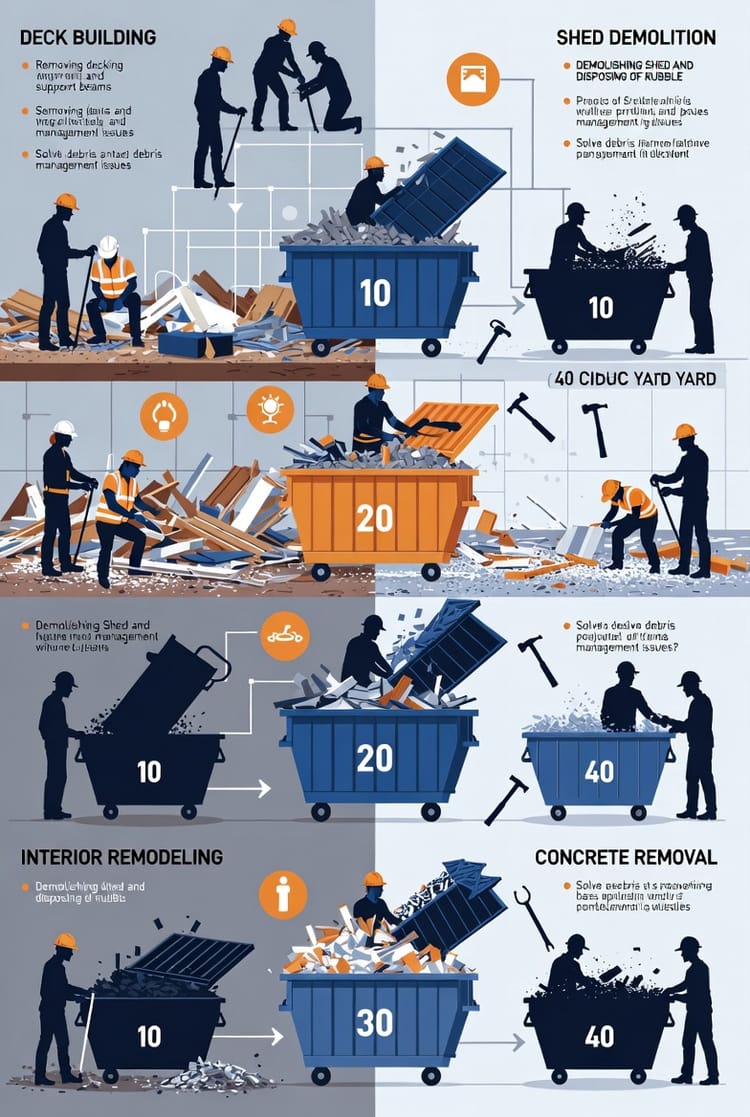
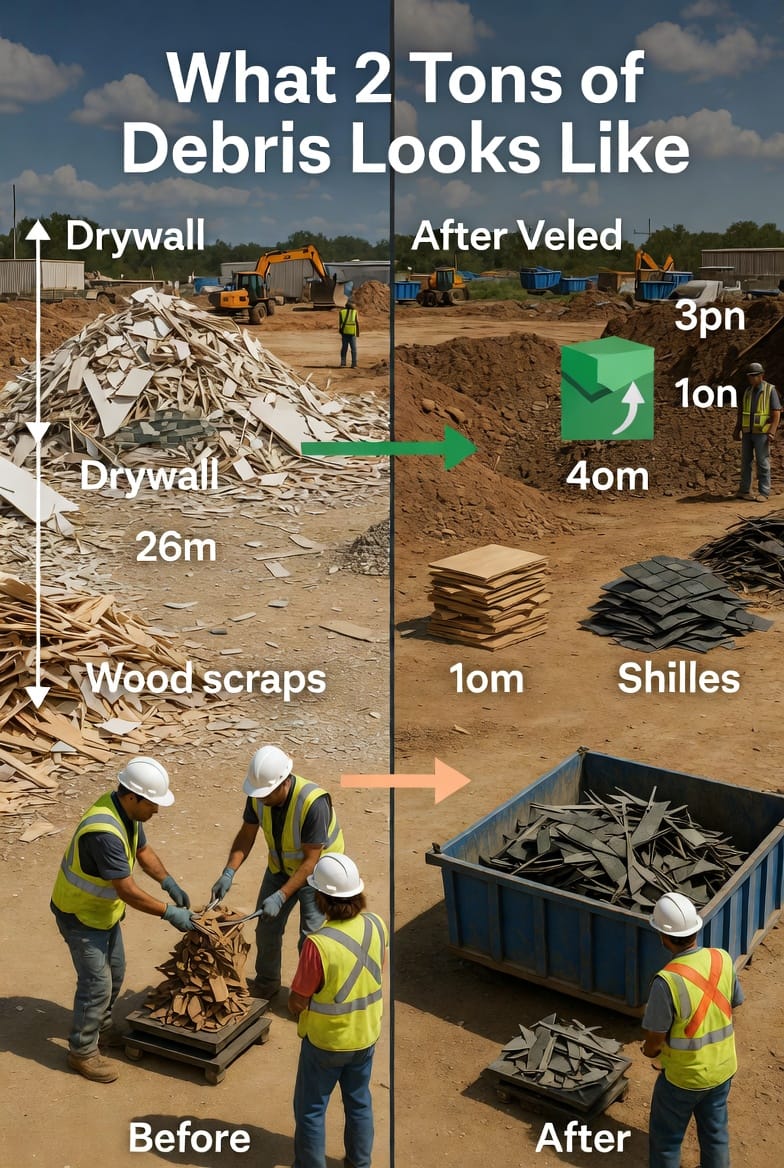
One of the most important terms you'll encounter is weight allowance. This refers to the maximum weight of debris your rented dumpster can hold without incurring extra charges. It's measured in tons—usually 1 to 4 tons depending on the dumpster size (e.g., 10-yard, 20-yard, or 30-yard).
Why does weight matter? Dumpsters are transported on trucks, and landfills charge disposal fees based on weight. Exceeding the allowance can lead to safety issues during transport and higher disposal costs for the rental company, which are passed on to you.
For example:
- A 10-yard dumpster might have a 2-ton weight allowance (about 4,000 pounds), ideal for light household junk.
- Larger 30-yard units could allow up to 4 tons (8,000 pounds), suitable for heavy construction materials like concrete or roofing shingles.
To visualize this, consider that weight allowance is like a luggage limit on a flight—stay under, and you're good; go over, and fees apply. We recommend estimating your debris weight upfront. Tools like online calculators can help, or our team can provide guidance based on your project type.
How Overage Fees Are Calculated: Avoiding Costly Surprises
Overage fees are charges applied when your dumpster exceeds its weight allowance. These aren't penalties but reimbursements for the extra disposal costs at the landfill. Understanding the calculation helps you budget effectively and prevents sticker shock.
Here's how it typically works:
- The rental company weighs the empty dumpster before delivery.
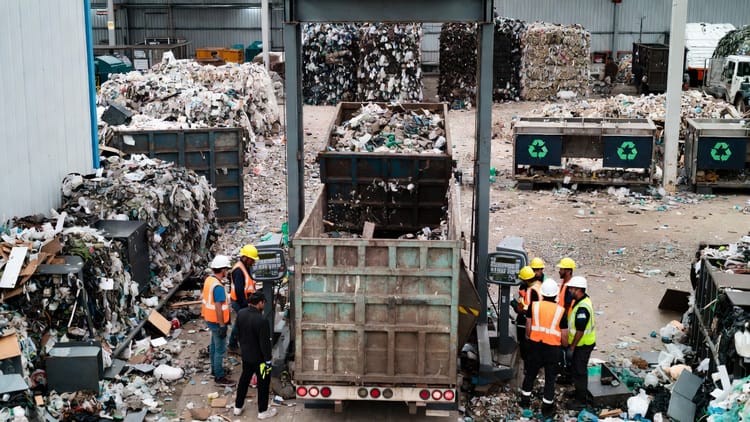
- After pickup, it's weighed again at the landfill or transfer station.
- The difference is your debris weight.
- If over the allowance, you pay a fee per ton (or fraction thereof)—often $50 to $100 per ton, varying by location and material type.
For instance, if your 2-ton allowance is exceeded by 1.5 tons at $75 per ton, the overage fee would be $112.50. It's that straightforward.
To minimize risks:
- Sort materials: Separate heavy items like dirt or bricks, which can quickly add up.
- Monitor filling: Don't pack the dumpster beyond the fill line; aim for even distribution.
- Choose the right size: Opting for a larger dumpster can provide a higher weight allowance, reducing overage risks.
Rest assured, our pricing is competitive and transparent—no hidden multipliers. We even offer tips during consultation to help you stay within limits.
Prohibited Materials: What You Can't Toss and Why
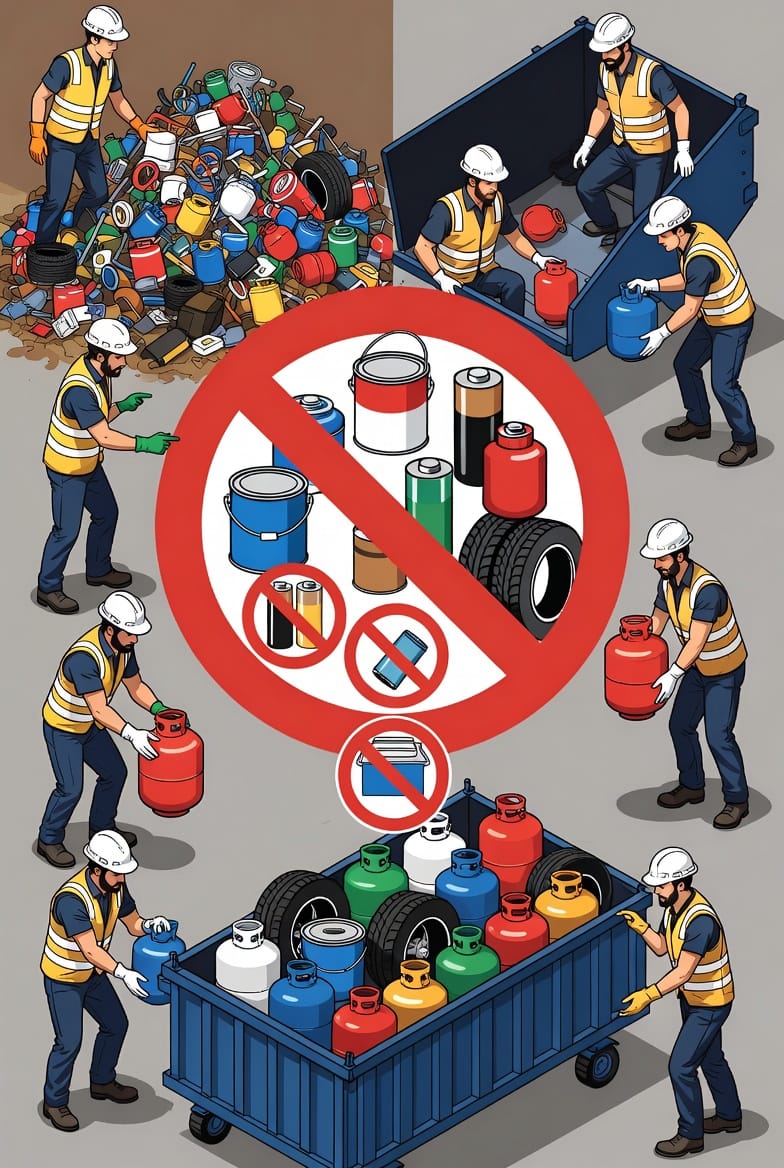
Every rental agreement includes a list of prohibited materials—items that are illegal, unsafe, or environmentally harmful to dispose of in a standard dumpster. Ignoring this can result in fines, rejected loads at the landfill, or even legal issues. We're here to clarify these so you can comply effortlessly.
Universally prohibited items include:
- Hazardous waste: Things like paints, solvents, oils, and chemicals that can contaminate soil and water.
- Tires: They don't compact well and can harbor pests; most areas require special recycling.
- Appliances with Freon: Refrigerators, air conditioners, and freezers contain refrigerants that must be professionally removed to prevent ozone depletion.
- Batteries: Lead-acid or lithium types that pose fire risks and contain toxic metals.
- Propane tanks: Highly flammable and explosive if damaged.
- Medical waste: Sharps, pharmaceuticals, or biohazards that require specialized handling.
- Electronics: E-waste like TVs and computers, often banned due to heavy metals.
Why these restrictions? Landfills are regulated to protect public health and the environment. For example, hazardous waste can leach into groundwater, while tires create breeding grounds for mosquitoes. Always check local regulations, as they may vary, but our agreements align with federal and state standards.
If you have prohibited items:
- Contact recycling centers or hazardous waste facilities.
- Use our referral services for proper disposal options.
By adhering to these, you're not just avoiding fees—you're contributing to a greener planet.
Clarifying Liability for Driveway Damage: Protecting Your Property
A common concern is liability for driveway damage during dumpster delivery or pickup. The weight of a full dumpster (up to several tons) can crack asphalt or concrete if not placed carefully. Our agreements spell this out clearly to set expectations.
Typically:
- The rental company is responsible for damages caused by negligent delivery (e.g., improper placement).
- However, you're liable if the damage results from your instructions, like placing it on a soft surface, or from overloading.
To mitigate risks:
- Prepare the site: Choose a flat, hard surface like a driveway or street (with permits if needed).
- Use protection: Place plywood under the dumpster to distribute weight.
- Inspect beforehand: Note any existing cracks and inform the company.
We take pride in our careful drivers and equipment, minimizing incidents. In rare cases of damage, our insurance covers company faults, and we work with you for fair resolutions. This approach ensures peace of mind for your property.
Additional Key Terms to Know
Beyond the basics, here are other terms that might appear:
- Rental extension fees: Daily charges if you need more time—plan ahead to avoid them.
- Trip fees: Costs for unscheduled pickups or swaps.
- Environmental fees: Small surcharges for eco-friendly disposal practices.
Understanding these holistically helps you compare providers. Look for companies like ours that offer all-inclusive pricing where possible, bundling delivery, pickup, and a set tonnage.
Tips for a Smooth Dumpster Rental Experience
To make the most of your rental:
- Estimate accurately: Calculate debris volume and weight using online tools or our free consultations.
- Communicate needs: Discuss project specifics upfront for the best dumpster match.
- Follow guidelines: Load evenly, avoid overfilling, and segregate materials.
- Schedule wisely: Align delivery with your timeline to maximize the rental period.
These steps not only save money but also streamline your project.
Common Myths Debunked
Myth: All debris is the same. Reality: Weight and type matter—yard waste is lighter than roofing materials.
Myth: Overages are rare. Reality: They're common in underestimated projects, but preventable with planning.
Myth: Prohibited items can sneak in. Reality: Landfills inspect loads; violations lead to returns and fees.
We're debunking these to build your trust in the process.
Why Choose Us for Your Dumpster Needs?
Our commitment to clarity sets us apart. With years of experience, we provide reliable dumpster rentals tailored to residential, commercial, and construction needs. Our contracts are straightforward, our service prompt, and our team knowledgeable.
Prohibited Items? Overages? Ask Us First – Call Now