The Range Oven Door Seal: Signs of Failure and Replacement
In today’s busy kitchens, your range oven is the reliable centerpiece for everything from weeknight dinners to weekend baking projects. Yet one small but essential component often goes unnoticed until problems arise: the oven door gasket. This humble seal plays a critical role in keeping heat exactly where it belongs—inside the oven cavity. When it begins to fail, the consequences can quietly affect cooking performance, energy costs, and even the lifespan of your appliance.
Fix Your Oven Door Seal Now – Call for Expert Help!
At first glance, a failing range oven door seal may seem minor. However, as experienced appliance repair professionals, we know that ignoring early warning signs leads to bigger headaches down the road. In this comprehensive guide, we explain exactly how the oven door gasket wears out, the clear signs it is time for action, and the straightforward replacement process that restores efficiency. You will finish this article confident that you can spot trouble early and take the right steps—whether handling a simple DIY fix or calling for expert help. Rest assured, addressing this issue promptly keeps your kitchen running smoothly and your energy bills in check.
What Is a Range Oven Door Seal and Why Does It Matter?
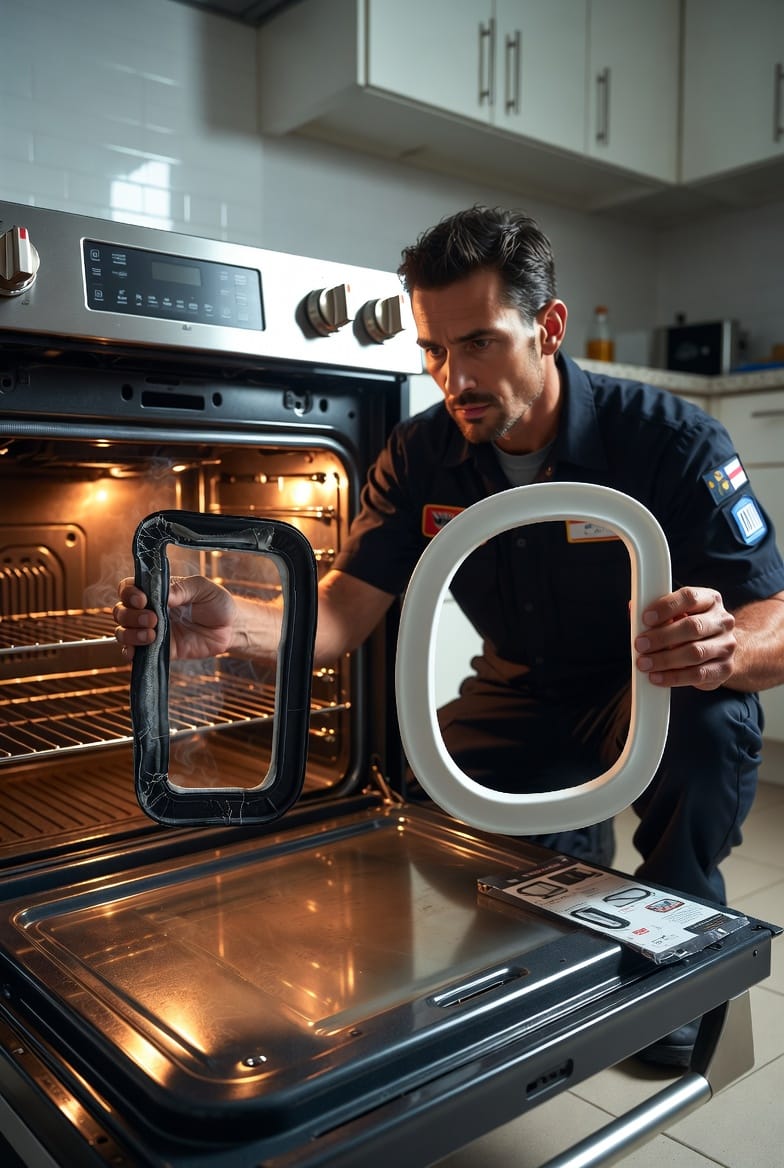
The oven door gasket is a flexible rubber or fiberglass rope that lines the entire perimeter of your oven door. When the door closes, the gasket compresses to create an airtight barrier. This seal prevents hot air from escaping while keeping cooler room air from rushing in. Without it, your oven must work harder to reach and maintain the selected temperature.
Over time, repeated heating and cooling cycles, along with normal door movement, cause the material to compress, crack, or harden. A compromised range oven door seal directly impacts cooking consistency. Heat loss forces the heating elements to cycle more frequently, which wastes energy and extends cook times. Homeowners often notice these subtle changes long before visible damage appears, which is why understanding the component is the first step toward prevention.
Common Signs Your Oven Door Gasket Is Failing
Recognizing trouble early saves time and money. Here are the most reliable indicators that your oven door gasket needs attention:
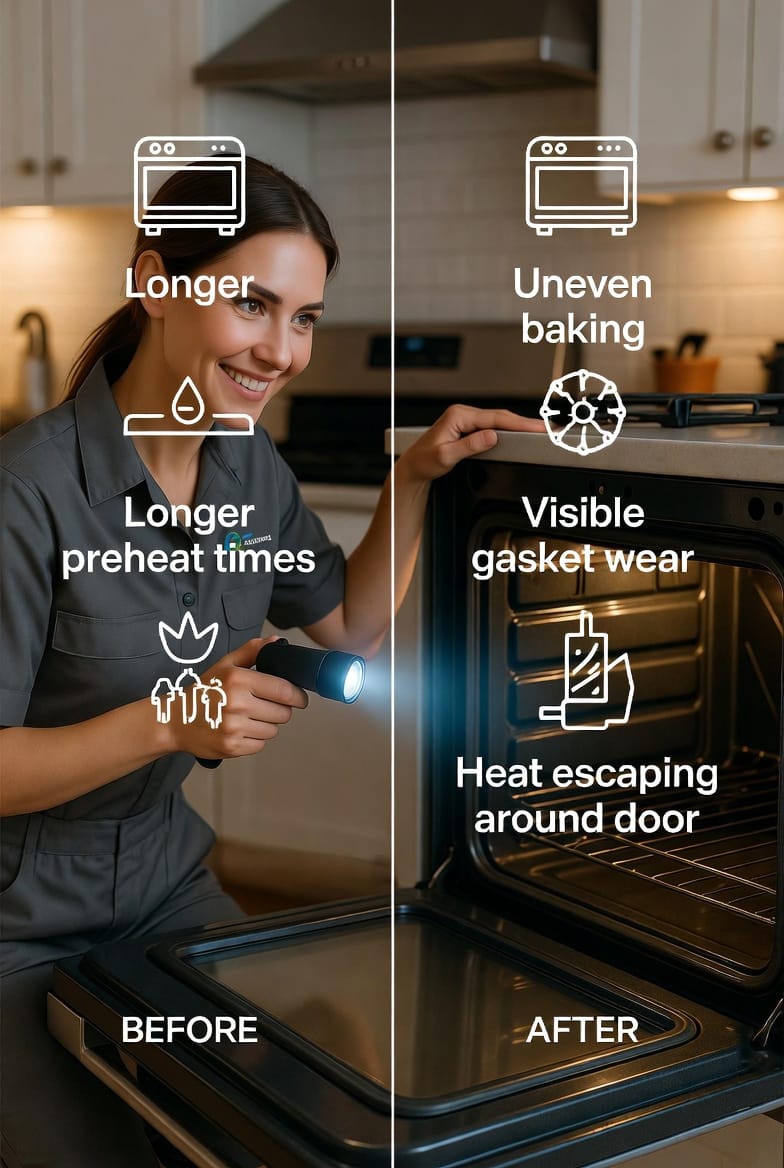
- Longer preheat times: If your oven now takes ten or fifteen extra minutes to reach 350°F, heat is likely escaping around the door edges.
- Uneven baking results: Cakes that rise higher on one side or cookies that brown unevenly often point to inconsistent internal temperatures caused by a leaky seal.
- Visible wear and tear: Inspect the gasket closely. Look for flattening, cracking, brittleness, or sections that have pulled away from the door channel.
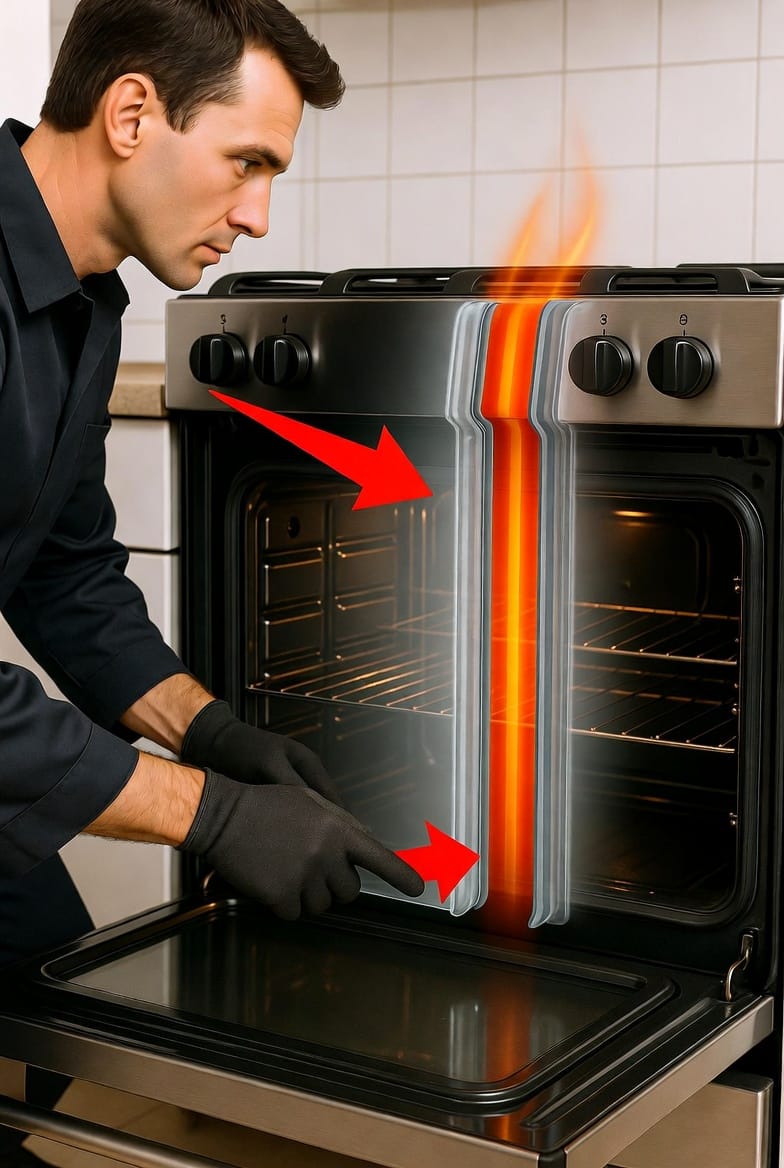
- Heat escaping at the door edges: Stand near the closed oven during preheating; you should not feel hot air blowing outward. If you do, the oven door gasket is no longer doing its job.
- Rising energy bills: A failing seal can increase electricity or gas usage by up to 20 percent because the oven compensates for constant heat loss.
These symptoms rarely appear overnight. They develop gradually, which is why regular visual checks every six months are recommended.
Why Timely Replacement Matters
A worn range oven door seal does more than slow dinner down. It forces your appliance to run longer and hotter, raising utility costs and placing unnecessary strain on heating elements and thermostats. Over months, this extra workload can shorten the overall life of the oven itself. More importantly, consistent heat retention ensures food safety and predictable results—critical when baking delicate pastries or roasting meats to precise internal temperatures.
Replacing the gasket restores factory-level performance. Most homeowners see preheat times return to normal within one cycle after installation, and energy consumption drops noticeably on the next utility bill. The repair is straightforward, cost-effective, and delivers immediate peace of mind.
Causes of Oven Door Gasket Wear
Daily use naturally degrades the seal. Frequent door openings during cooking, accidental spills that harden inside the gasket channel, and simply aging rubber compounds all contribute. High-temperature self-cleaning cycles accelerate breakdown because intense heat dries out the material. Even slamming the door repeatedly can shift the gasket out of position, creating gaps that worsen over time.
Environmental factors play a role too. Kitchens with high humidity or exposure to cooking oils see faster deterioration. Understanding these causes helps you adopt better habits and catch problems before they escalate.
Step-by-Step Guide to Replacing the Oven Door Seal
Replacing the oven door gasket is a manageable project for most DIY enthusiasts. Always unplug the range or shut off the circuit breaker first for safety. Gather a new gasket matched to your exact model number, a flathead screwdriver, and a clean cloth.
- Remove the oven door – Open the door fully, then lift it straight up and off the hinges. Set it on a padded surface to protect the glass.
- Extract the old gasket – Gently pull the worn seal from its channel. Some models use metal clips; others rely on a friction fit. Work slowly around the perimeter to avoid tearing.
- Clean the channel thoroughly – Wipe away any residue, grease, or debris. A clean surface ensures the new gasket seats properly and lasts longer.
- Install the new gasket – Start at the top center and press the new seal firmly into the channel, working your way around. Make sure the ends meet snugly without overlap.
- Reattach the door – Align the hinges and lower the door back into place until it clicks securely.
- Test the repair – Run a preheat cycle and check for even heat distribution and no escaping air.
The entire process typically takes under thirty minutes. If your model features a fiberglass rope gasket instead of rubber, the steps remain similar but require extra care to avoid fraying the fibers.
When to Call a Professional Appliance Repair Service
While many homeowners succeed with DIY replacement, certain situations call for expert assistance. If the gasket channel is bent, the door alignment feels off, or you cannot locate the correct replacement part, professional help ensures the job is done right the first time. Certified technicians also verify that the thermostat and heating elements have not been affected by prolonged heat loss.
Our team at the service center fields calls daily from homeowners who initially tried a DIY fix only to discover hidden issues. We arrive equipped with the precise gasket and the experience to restore full function quickly and cleanly.
Preventive Maintenance Tips for Long-Lasting Seals
Extend the life of any oven door gasket with simple habits. Wipe up spills immediately before they bake into the seal. Avoid slamming the door—close it gently to maintain proper compression. Skip harsh chemical cleaners that can degrade rubber compounds; a mild solution of vinegar and water works best. During self-clean cycles, remove the gasket if your manual recommends it, or choose models with a protected seal design.
A quick monthly visual inspection takes seconds and can prevent costly surprises. These small steps keep your appliance performing at peak efficiency for years.
Seal the Heat In for Efficient Cooking
Your range oven door seal may be a simple component, but its role in everyday kitchen success is enormous. By recognizing the signs of failure early and acting with a prompt replacement, you protect cooking quality, lower energy bills, and extend the life of your investment. Whether you tackle the job yourself or enlist professional help, the result is the same: reliable, even heat that delivers perfect meals every time.
Seal the heat in for truly efficient cooking. If you notice any of the symptoms described or simply want expert confirmation. We provide fast, friendly service and genuine parts that restore your oven to peak performance. Your kitchen—and your wallet—will thank you.
Bring Back Perfect Oven Performance – Call Now!