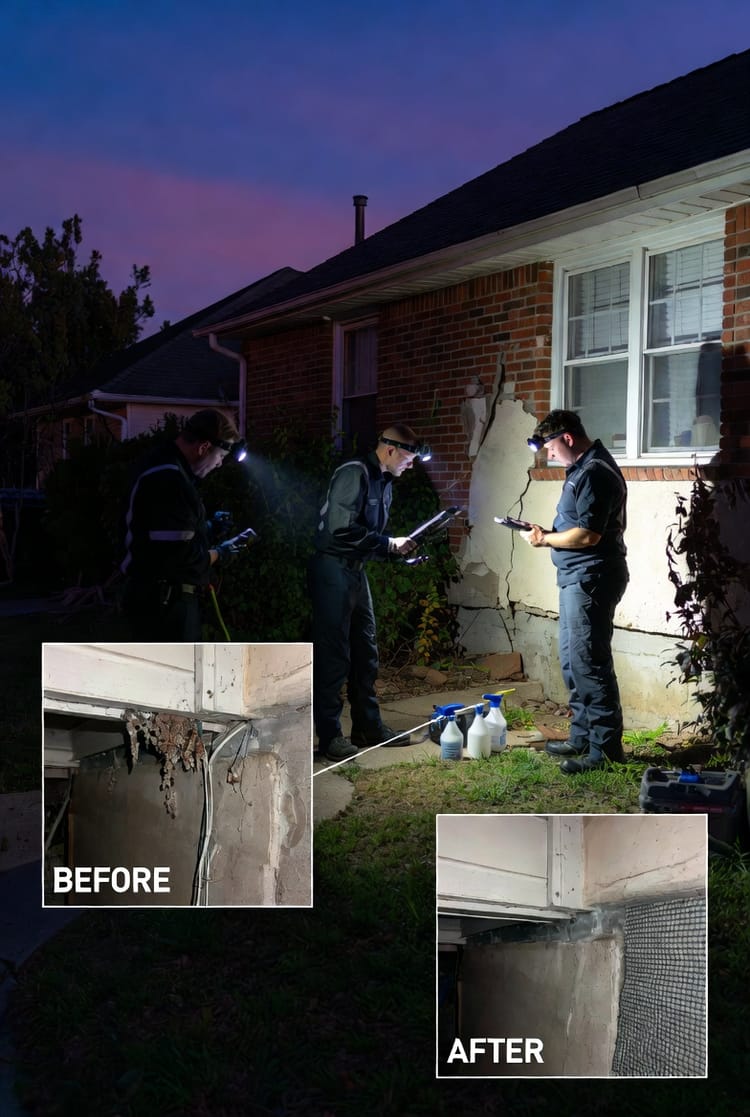
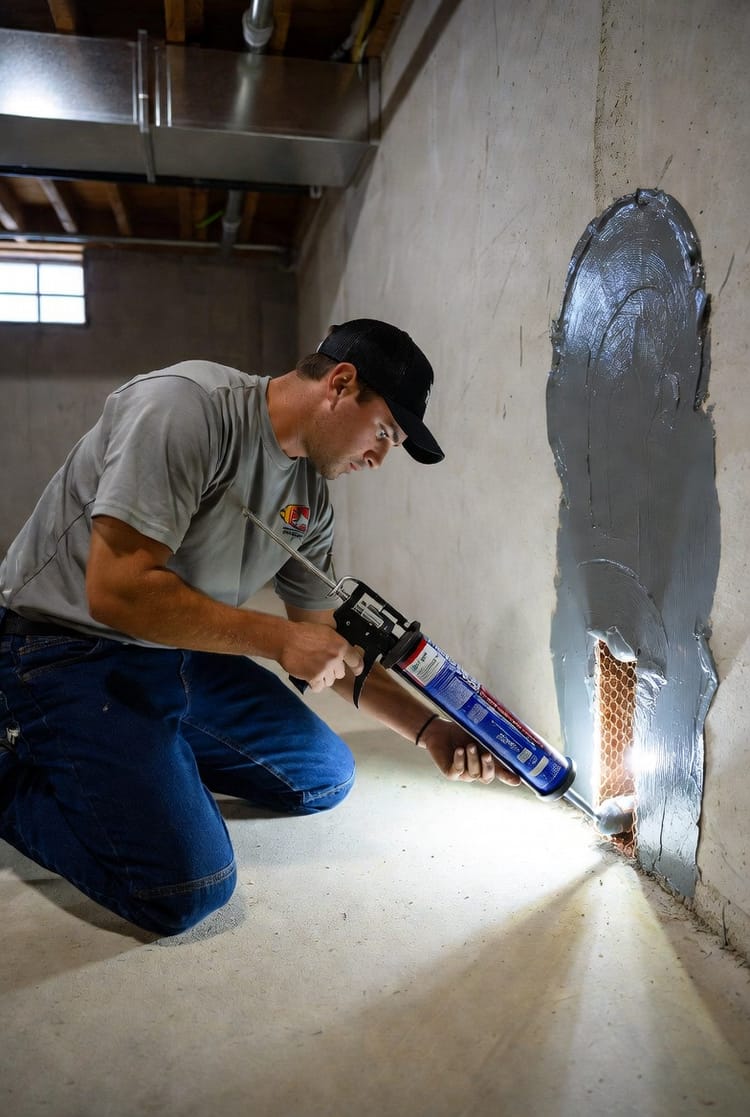
The Powderpost Beetle Threat: Identifying Damage in Hardwood Floors and Furniture.
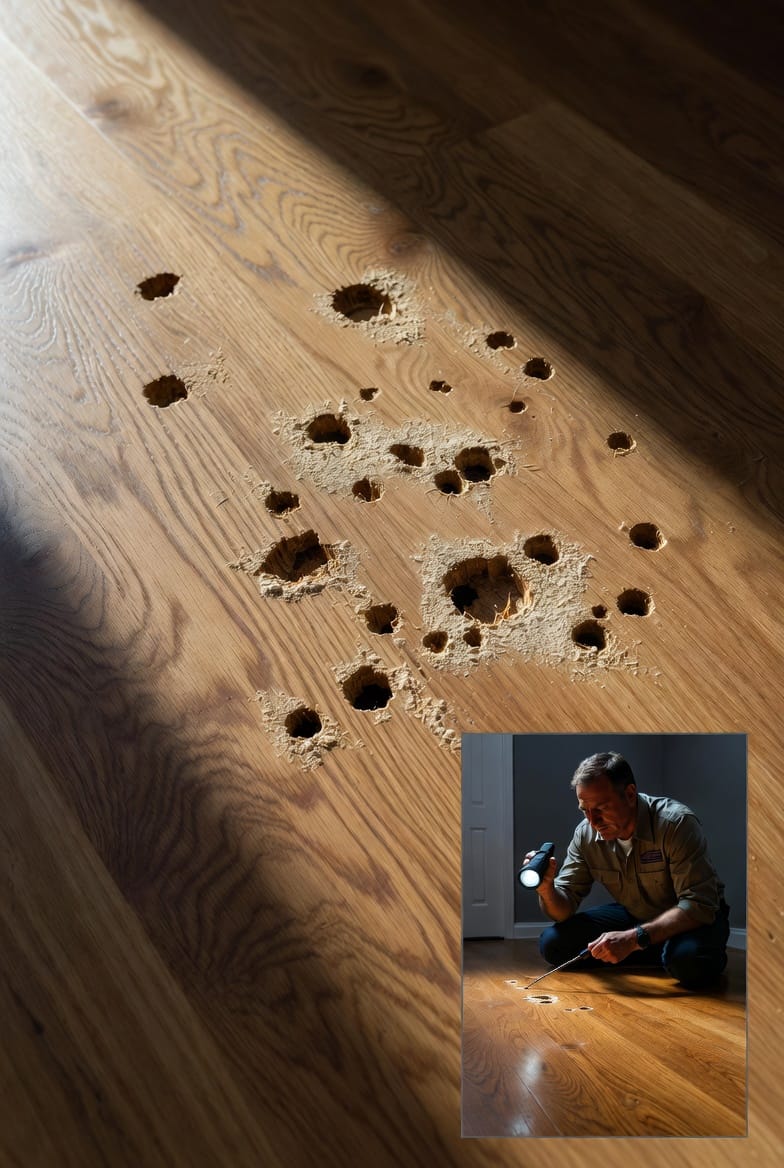
Hardwood floors and fine furniture bring timeless beauty and warmth to any home. Yet beneath their polished surfaces, a hidden threat can quietly compromise their integrity. Powderpost beetles are among the most destructive wood-boring insects targeting seasoned hardwoods, and early recognition is essential to prevent costly repairs.
Save Your Floors & Furniture – Schedule Inspection Now
At our pest control service, we specialize in protecting valuable woodwork with precise identification and proven solutions. This comprehensive guide explains everything homeowners need to know about powderpost beetle damage in hardwood floors and furniture. You will learn how these pests differ from termites, the telltale signs of an active infestation, and the most effective treatment options available today.
Rest assured, with prompt professional intervention your cherished hardwood can be protected and restored to its original condition. Let’s explore the powderpost beetle threat step by step so you can act confidently and safeguard your investment.
What Are Powderpost Beetles?
Powderpost beetles belong to several families, primarily Lyctidae, Bostrichidae, and Anobiidae. These small insects specifically prefer hardwoods such as oak, maple, ash, and cherry that have been properly seasoned and installed in homes. Unlike many other wood-destroying pests, they thrive in dry, finished lumber rather than damp or decaying wood.
Adults are tiny, often only 1/16 to 1/4 inch long, and reddish-brown to black. They lay eggs in the tiny pores and cracks of hardwood surfaces. Once hatched, the larvae begin the real destruction by tunneling through the wood for one to five years, depending on species and environmental conditions. The result is a network of hidden galleries that weaken the structure while leaving only a thin surface layer intact.
Because the damage occurs internally for years before becoming visible, many homeowners discover the problem only after noticing telltale signs on floors or antique pieces. Understanding this biology empowers you to stay ahead of the powderpost beetle threat before extensive structural compromise occurs.
How Powderpost Beetles Differ from Termites
One of the most common questions we receive is how to distinguish powderpost beetles from termites. While both can damage wood, their behavior, appearance, and treatment needs differ significantly. Knowing these distinctions prevents misdiagnosis and ensures the correct solution.
- Wood preference: Powderpost beetles almost exclusively attack hardwoods with high starch content; termites consume both softwoods and hardwoods.
- Moisture requirement: Termites need moisture and often build mud tubes to travel; powderpost beetles prefer dry, seasoned wood and require no external moisture source.
- Visible evidence: Termites leave mud tubes, shelter tubes, or hollowed-out wood eaten along the grain. Powderpost beetles produce no mud tubes and create perfectly round exit holes with loose, talcum-like powder.
- Damage pattern: Termite galleries follow the grain and can collapse entire sections quickly. Powderpost beetle tunnels are random and winding, often leaving the surface looking solid until larvae mature.
- Colony size and speed: Termite colonies are massive and can destroy wood rapidly. Powderpost beetle infestations grow more slowly but remain active for years inside the same piece of wood.
These differences mean that a treatment successful against termites may prove ineffective against powderpost beetles. Accurate identification by trained professionals ensures you choose the right strategy and avoid unnecessary expense.
Signs of Powderpost Beetle Infestation
Early detection dramatically improves outcomes. Look for these reliable indicators of an active powderpost beetle presence in your hardwood floors or furniture.
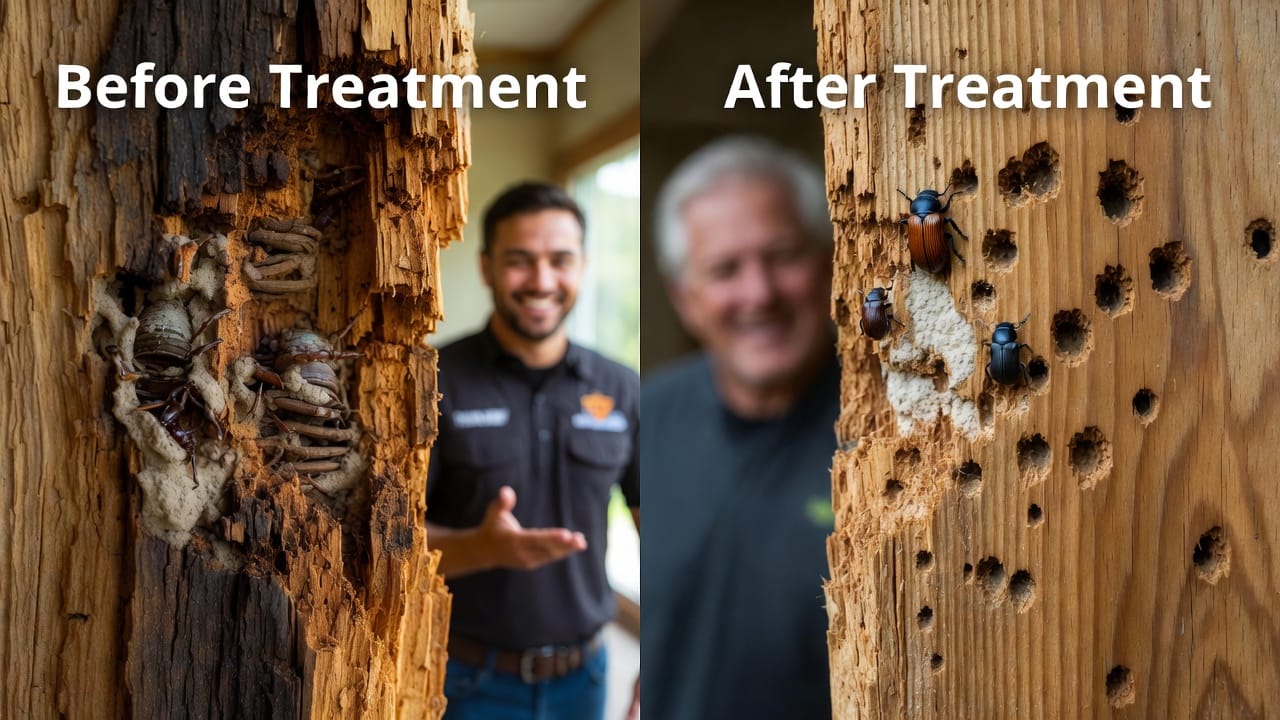
• Fine sawdust (frass): The most distinctive sign is piles of talcum-powder-fine wood dust accumulating beneath exit holes or on floor surfaces. Unlike coarse carpenter ant debris, this frass feels silky and sifts easily between fingers.
• Tiny exit holes: Perfectly round holes measuring 1/16 to 1/8 inch in diameter appear in the wood surface. These holes are clean-edged and often accompanied by fresh frass.
• Tunneling sounds: In quiet rooms you may hear faint rasping or ticking noises as larvae chew through wood fibers.
• Weakened structure: Floors that feel soft or bouncy underfoot, or furniture legs that suddenly crack under normal weight, signal advanced internal tunneling.
• Fresh powder accumulation: If you sweep away frass and new powder appears within days, the infestation remains active.
When you notice any combination of these signs, contact a licensed pest control specialist immediately. Delaying allows larvae to continue expanding their galleries, turning minor damage into major restoration projects.
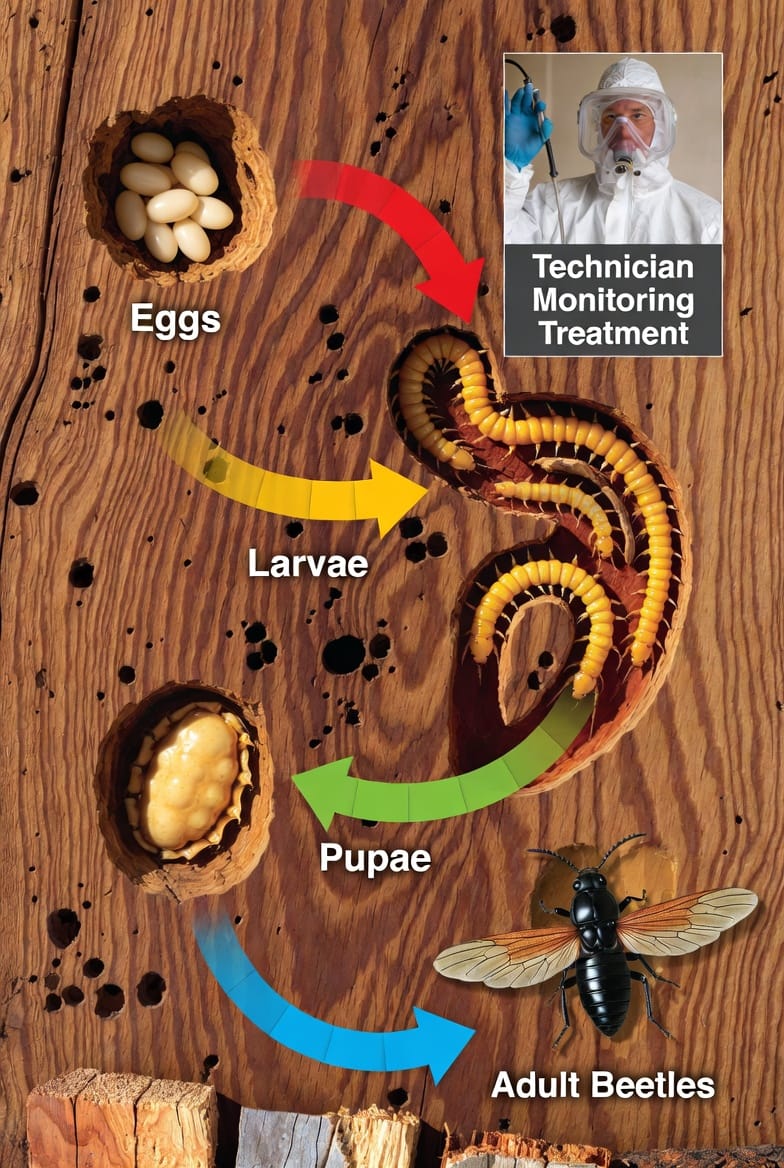
The Lifecycle of Powderpost Beetles
The powderpost beetle lifecycle explains why infestations can remain hidden for years. Adults emerge in spring or summer and fly to new wood surfaces. Females lay dozens of eggs inside pores or small cracks.
Larvae hatch within one to three weeks and immediately begin boring inward, creating winding tunnels as they feed on starch. This stage lasts one to five years, during which the majority of structural damage occurs. Mature larvae then pupate near the surface, transforming into adults that chew their way out, leaving the characteristic round exit holes.
New adults mate, and females seek fresh wood to restart the cycle. Because multiple generations can occupy the same piece of hardwood simultaneously, infestations intensify over time unless interrupted by professional treatment.
Damage to Hardwood Floors and Furniture
Powderpost beetle damage in hardwood floors often begins in high-traffic areas or under rugs where eggs were originally laid during construction. Over years the internal tunneling compromises subfloor support, leading to squeaks, dips, and eventual cracking.
Antique furniture and cabinetry are equally vulnerable. Legs, tabletops, and drawer fronts may appear flawless until a sudden collapse reveals extensive internal galleries. The fine frass that sifts out can damage rugs, discolor finishes, and create unsightly piles that detract from the room’s elegance.
Left untreated, the powderpost beetle threat can reduce the resale value of your home and destroy irreplaceable heirlooms. The good news is that modern detection tools and targeted treatments allow us to stop the damage and restore wood strength without replacing entire floors or pieces.
Treatment Options for Powderpost Beetles
When an infestation is confirmed, several proven methods deliver reliable results. The choice depends on infestation severity, wood type, and property layout.
Fumigation remains one of the most effective whole-structure solutions. Licensed technicians seal the building and introduce a gas that penetrates every gallery, eliminating all life stages in a single treatment. The process is safe when performed by certified professionals and allows occupants to return within 24–48 hours.
Heat treatment offers a chemical-free alternative ideal for sensitive environments. Specialized equipment raises the core temperature of infested wood to 135–150°F for several hours, killing eggs, larvae, pupae, and adults without residue. This method works especially well for localized infestations in furniture or smaller rooms.
Additional supportive measures include targeted borate applications that penetrate wood and provide long-term protection, or precise wood replacement for severely compromised sections followed by matching finishes.
Our team evaluates each situation individually to recommend the safest, most cost-effective combination. In most cases, homeowners see complete resolution and restored wood integrity within weeks.
Prevention Tips to Keep Beetles Away
Prevention is always more economical than cure. Implement these practical steps to minimize future risk:
• Store firewood outdoors and away from the home foundation.
• Inspect any antique or reclaimed hardwood furniture before bringing it indoors.
• Maintain proper indoor humidity levels between 35–50 % to discourage egg laying.
• Seal cracks and pores in existing wood with appropriate finishes.
• Schedule annual professional inspections of high-value floors and furniture.
These simple habits, combined with expert monitoring, create an effective barrier against new powderpost beetle invasions.
Why Professional Inspection and Treatment Matter
DIY products rarely reach deep galleries where larvae feed. Professional pest control technicians use moisture meters, fiber-optic scopes, and acoustic detection devices to map the full extent of infestation. They also possess the licensing, equipment, and insurance required for fumigation and heat treatment.
Choosing experienced specialists gives you peace of mind knowing every life stage has been eliminated and your wood receives appropriate protective follow-up. The investment protects both your property value and family safety.
Don’t Let Beetles Destroy Your Woodwork
Powderpost beetles pose a serious yet manageable risk to hardwood floors and furniture. By recognizing the signs early, understanding their unique lifecycle, and choosing the right professional treatment, you can protect and preserve the beauty and value of your home for generations.
Whether you have noticed tiny exit holes, fine powder, or simply want proactive peace of mind, our certified team stands ready to deliver thorough inspection and customized solutions. Early action saves time, money, and your treasured hardwood.
Don’t Let Beetles Win – Get Professional Help Today