The Plank Direction Rule: How to Orient Flooring for Perceived Space, Flow, and Structural Harmony
When you invest in beautiful new flooring, the last thing you want is a result that feels “off.” Many homeowners discover too late that plank direction dramatically changes how a room looks, feels, and even performs over time. The Plank Direction Rule is your guiding principle for achieving perceived space, effortless flow, and lasting structural harmony.
Call for Professional Flooring Orientation Guidance
Follow these proven guidelines and your floors will not only look stunning but will actively enhance the way your home lives and breathes. In this comprehensive guide, we explore the design psychology behind plank orientation, the three essential rules of thumb, practical installation steps, and how to avoid costly mistakes. By the end, you’ll understand exactly why professional installers treat plank direction as a non-negotiable foundation of every successful project.
Perceived space is not an illusion – it is real psychology at work. The human eye naturally follows long, continuous lines. When flooring planks run in the right direction, rooms appear larger, hallways feel more inviting, and open-concept spaces transition seamlessly. Get it wrong, and even the most expensive hardwood can make a space feel smaller, choppier, and disconnected.
Structural harmony matters just as much. Proper orientation distributes weight evenly across subfloor joists, reducing the risk of cupping, squeaking, or premature wear. When you combine visual beauty with engineering strength, you create floors that look incredible today and remain flawless for decades.
Understanding Design Psychology: How the Brain Reads Your Floors
The direction of your planks influences mood and movement in subtle but powerful ways. Long, uninterrupted lines guide the eye forward, creating a sense of calm and expansion. Short, interrupted lines create visual stops that make spaces feel boxed in.
Natural light plays a starring role. When planks run parallel to the main light source (usually the longest window wall), light travels along the grain rather than across it. This minimizes shadow lines between planks, making the floor appear smoother and the room brighter and more spacious.
In contrast, planks running perpendicular to light create repeated micro-shadows that can make even premium flooring look busy and smaller. Design psychologists have long noted that humans prefer environments with clear visual pathways – the Plank Direction Rule delivers exactly that.
Traffic flow also improves dramatically. Planks that follow the natural walking path feel intuitive and welcoming. Guests move through your home with ease instead of subconsciously hesitating at visual breaks.
Bold truth: Changing plank direction mid-room (especially in open floor plans) is one of the most common regrets we see. It breaks the visual continuity your brain craves and can shrink the perceived size of the entire living area by up to 20-30% according to established spatial perception studies.
Rule 1: Run Planks Parallel to the Main Light Source
This is the golden rule for maximizing perceived space and natural beauty.
Why it works: Sunlight or artificial light streaming across the length of the planks highlights the natural variation in wood grain without creating harsh cross-shadows. The result? Floors that look wider, richer, and more expensive.
Practical application:
- Identify the primary window or light source in each room.
- Orient planks so they run in the same direction as the incoming light.
- In rooms with multiple light sources, prioritize the largest or most used wall.
Reassuring note: Even in north-facing rooms with softer light, this rule still creates a calmer, more expansive feel. Professional designers always start here because the payoff in visual comfort is immediate and dramatic.
In bedrooms, running planks parallel to the window wall makes the space feel like a serene retreat rather than a narrow box. In living rooms, it draws the eye toward the focal point – fireplace, TV wall, or view – creating effortless elegance.
Rule 2: Run Planks Lengthwise Down Hallways and Narrow Spaces
Nothing transforms a hallway faster than correct plank direction.
Before-and-after magic: Short planks running across a hallway make it feel stubby and confining. Long planks running the full length create an elegant runway effect that makes even modest corridors feel grand and welcoming.
Expert tip: Always continue the same direction from adjacent rooms into the hallway when possible. This maintains flow and prevents the jarring visual break that screams “afterthought.”
In entryways and mudrooms, lengthwise orientation guides guests naturally into the home while making the space appear larger – a subtle but powerful first impression.
Structural bonus: Hallways often sit over fewer joists. Lengthwise planks still benefit from perpendicular joist crossing in the main span, delivering both beauty and stability.
Rule 3: Install Planks Perpendicular to Joists for Structural Harmony
This is the non-negotiable engineering rule that protects your investment.
Floor joists typically run perpendicular to the longest exterior walls. Installing planks perpendicular to the joists means each plank crosses multiple supports, distributing weight evenly and minimizing deflection.
Risks of ignoring this rule:
- Increased chance of squeaks and movement over time
- Higher risk of plank cupping or gapping in seasonal humidity changes
- Reduced overall floor lifespan
Reassuring reality: Following this rule does not limit your design choices – it actually enhances them. You can still achieve perfect visual flow while enjoying rock-solid performance.
In multi-story homes, aligning upper and lower floors when possible creates vertical harmony that feels intentional and luxurious.
Creating Seamless Flow in Open-Concept Homes
Open floor plans demand special attention to plank direction.
Best practice: Choose one dominant direction for the entire open area – usually the longest dimension of the combined space. This creates a single, powerful visual sweep that makes the whole home feel larger and more connected.
Transition strategies:
- Keep the same direction from kitchen to dining to living
- Use natural focal points (island, fireplace, large windows) to guide your choice
- Avoid arbitrary changes at room thresholds – they break flow and shrink perceived space
Creative solution for L-shaped rooms: Run planks parallel to the longest leg of the “L” and let the shorter leg follow naturally. The result is unified elegance instead of visual chaos.
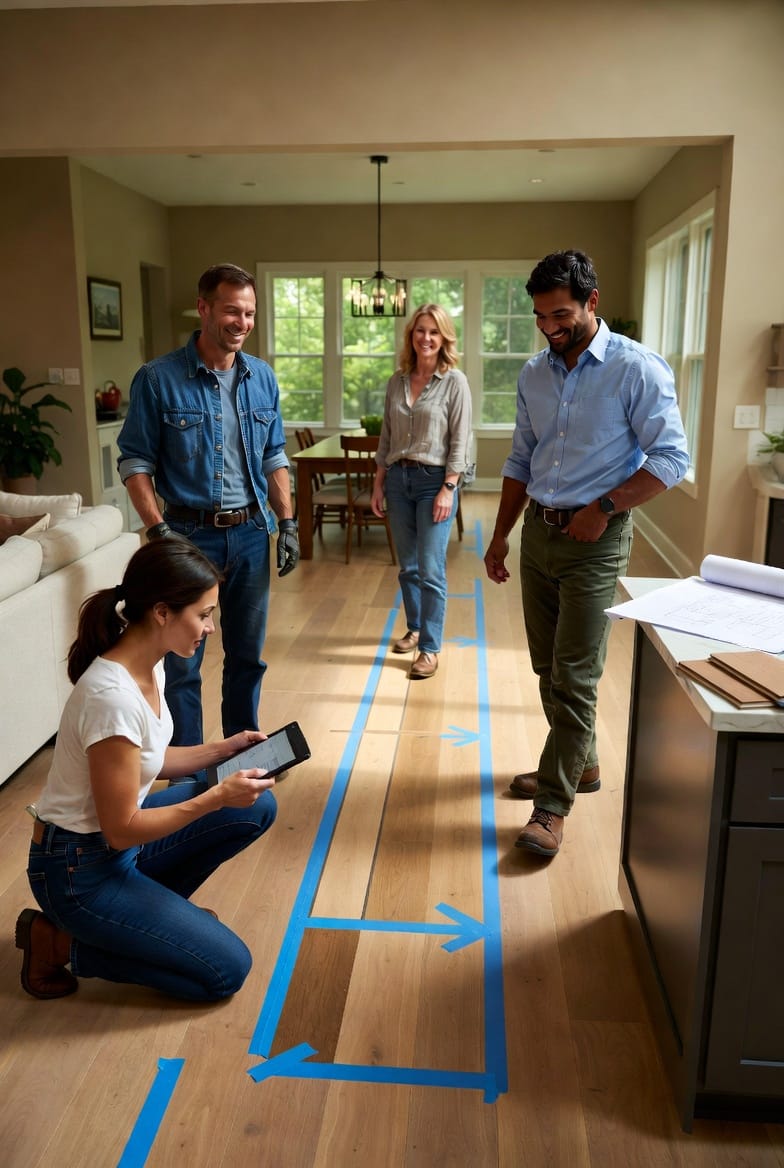
Practical Installation Steps Every Homeowner Should Know
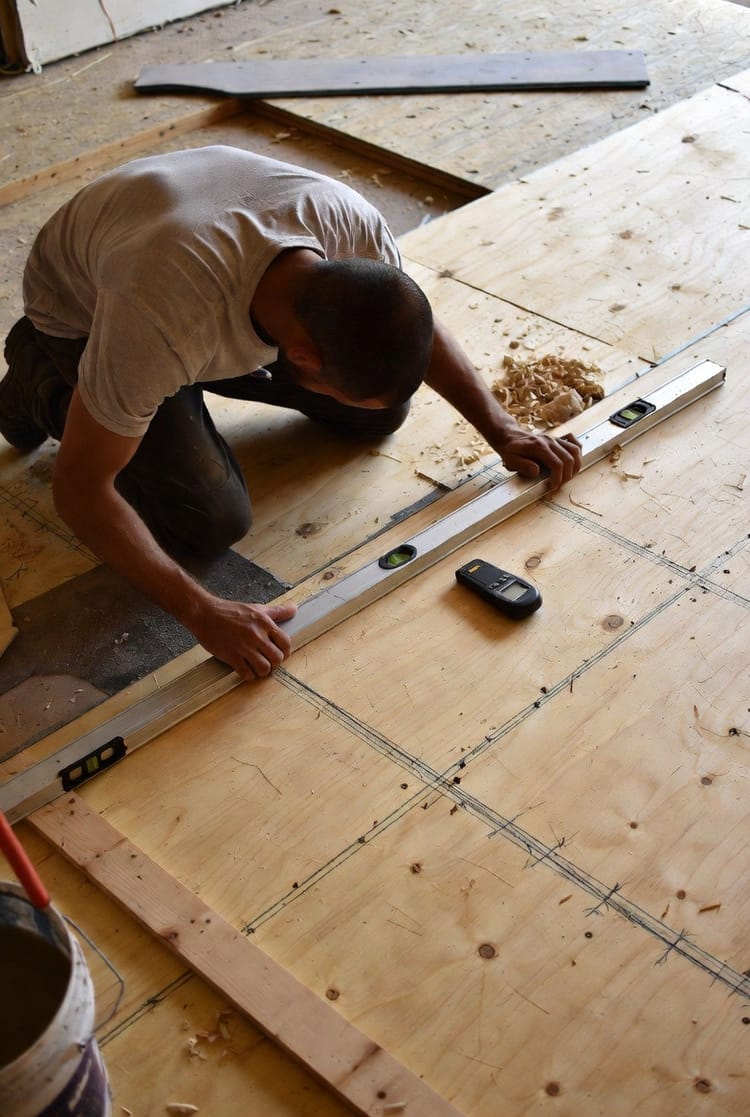
- Measure twice, plan once – Map joist direction and primary light sources before ordering material.
- Dry-lay a test row in the center of the room to visualize the final effect.
- Start from the focal wall and work outward, maintaining consistent direction.
- Use expansion gaps correctly – they are invisible when planks are properly oriented.
- Acclimate material for 48-72 hours in the exact room conditions.
Pro tip: Professional installers always photograph the subfloor with joist lines marked before covering it. This documentation prevents future mistakes during repairs or renovations.
Common Mistakes and How to Avoid Them
Even experienced DIYers fall into these traps:
- Changing direction in open plans – creates visual “fault lines” that shrink the space.
- Running planks parallel to joists – leads to bouncy floors and long-term structural issues.
- Ignoring light direction in north-facing rooms – still important for shadow control.
- Forcing a “pretty” pattern that fights the room’s natural proportions.
Reassuring solution: A quick 15-minute site assessment by a qualified professional eliminates all guesswork and guarantees results you’ll love for years.
Bold warning: Once flooring is installed, correcting plank direction requires complete removal – an expensive and disruptive mistake that proper planning completely prevents.
Real-World Benefits You’ll Experience Every Day
- Larger-looking rooms without moving a single wall
- Smoother daily flow that reduces visual fatigue
- Stronger, quieter floors that stand up to family life
- Higher resale value – buyers notice well-oriented flooring instantly
- Timeless beauty that never goes out of style
Homes with expertly oriented flooring consistently receive compliments on how “open and welcoming” they feel, even when square footage is modest.
When to Call in the Professionals
While the Plank Direction Rule is straightforward in theory, every home has unique challenges – angled walls, varying joist spacing, multiple light sources, or historic subfloors.
Before you install, get professional design advice on orientation. A single consultation can save thousands in rework and deliver results that perfectly match your lifestyle and vision.
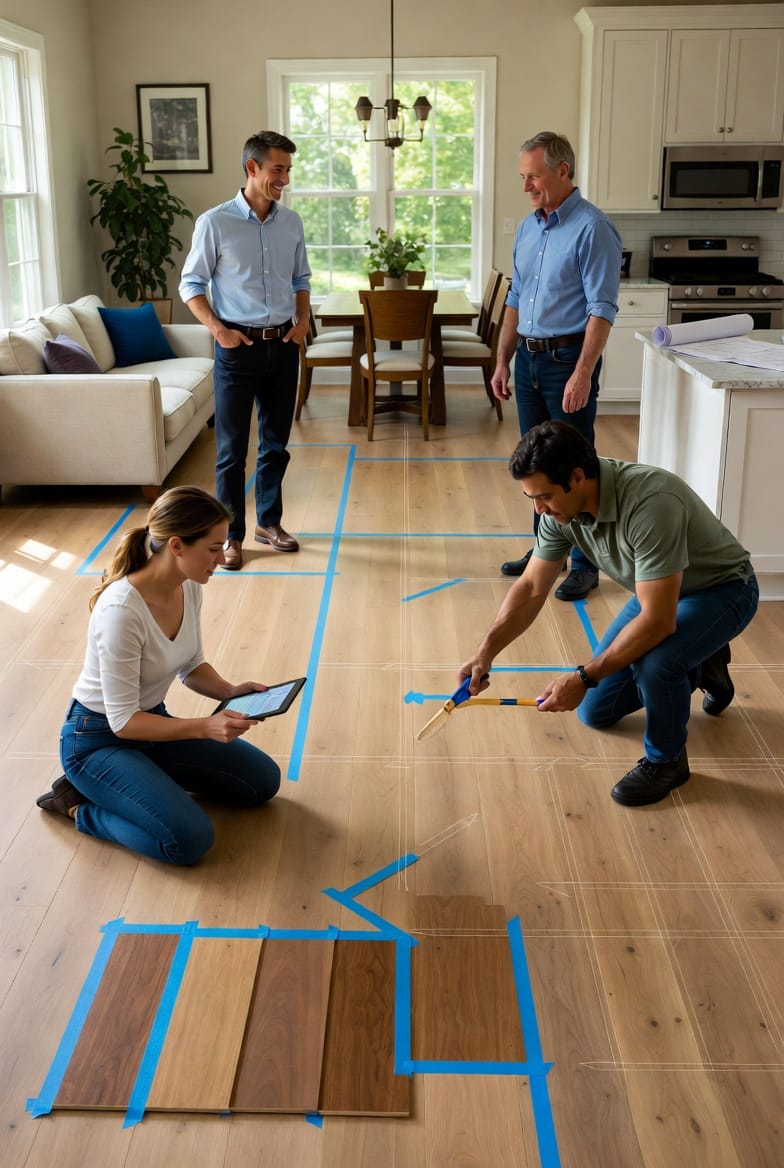
Final Thoughts: Make the Right Choice the First Time
The Plank Direction Rule is more than installation advice – it is the secret to flooring that enhances every moment spent in your home. By running planks parallel to the main light source, lengthwise down hallways, and perpendicular to joists, you create perceived space, effortless flow, and true structural harmony.
Your floors will look more expensive, feel more comfortable, and last longer when oriented correctly. Don’t leave something this important to chance or guesswork.
Our experts will visit your space, apply the Plank Direction Rule to your unique layout, and deliver a flooring plan you’ll love for a lifetime.
Your dream floors are just one correct decision away.
Get Pro Flooring Design Advice Before You Start – Call Today!