The Pathway to Recovery: Understanding Treatment Options and Building a Support System

Recovery from substance use disorders or behavioral addictions is not just possible—it is a proven, achievable reality for countless individuals who take that courageous first step. The journey often feels overwhelming at first, filled with uncertainty and challenges, but with the right treatment options, professional guidance, and a solid support system, lasting change becomes not only attainable but sustainable.
Begin Lasting Sobriety Today – Speak to Our Team
This guide offers a compassionate yet authoritative overview of the recovery pathway. Whether you're seeking help for yourself or supporting a loved one, understanding the structured levels of care and the essential role of ongoing support can bring clarity and hope.
Why Professional Treatment Matters
Addiction is a complex chronic condition that affects the brain, body, and behavior. Attempting to stop without support often leads to relapse due to unmanaged withdrawal symptoms, underlying emotional pain, or environmental triggers. Evidence-based treatment addresses these root causes, providing tools for long-term sobriety and improved quality of life.
Professional programs offer:
- Medical safety during withdrawal
- Therapeutic interventions to rebuild healthy coping mechanisms
- Education on addiction as a disease
- Community to reduce isolation
The good news? Recovery rates improve significantly with appropriate care and continued support.
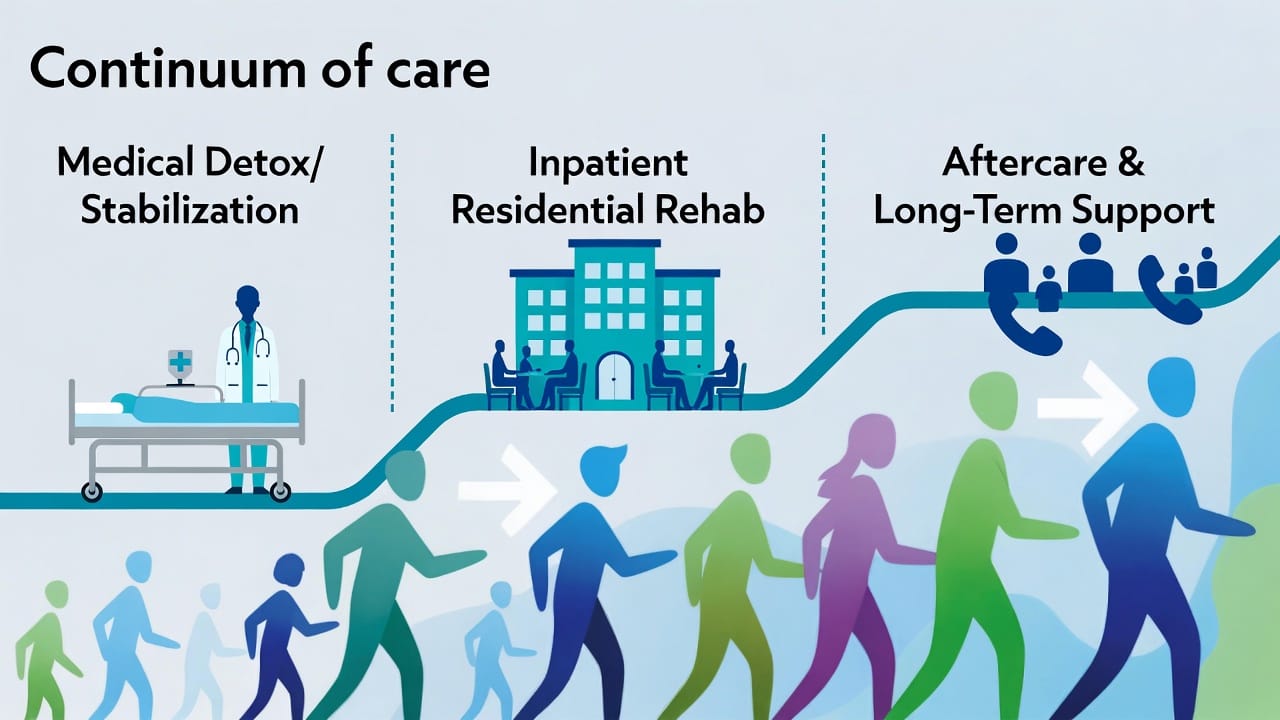
Levels of Care: Finding the Right Fit
Treatment isn't one-size-fits-all. Levels of care are matched to the severity of the addiction, co-occurring conditions, and personal circumstances.
- Detoxification (Medical Stabilization)The initial phase focuses on safely managing withdrawal symptoms under medical supervision. This may occur in a hospital or specialized detox facility. Medications ease discomfort, while vital signs are monitored 24/7. Detox alone is not treatment—it's the critical first step toward deeper healing.
- Inpatient / Residential RehabilitationFor those needing structure and removal from triggers, inpatient rehab provides 24-hour care in a live-in setting, typically 30–90 days. Programs include individual therapy, group sessions, medical oversight, wellness activities, and skill-building. This immersive environment fosters focus on recovery without everyday distractions.
- Outpatient ProgramsIdeal for those with stable home environments or milder needs, outpatient care allows individuals to live at home while attending scheduled sessions. Options include:
- Partial Hospitalization Programs (PHP) — Intensive daily treatment (5–7 days/week)
- Intensive Outpatient Programs (IOP) — Several sessions per week
- Standard Outpatient — Weekly or bi-weekly therapy
Outpatient flexibility supports work, school, or family responsibilities while maintaining accountability.
The key is progression: Many start with higher levels of care and step down as stability grows, creating a personalized step-down model.
Therapeutic Approaches That Drive Change
Effective recovery draws from proven modalities tailored to individual needs.
Cognitive Behavioral Therapy (CBT) helps identify and reframe negative thought patterns that fuel addictive behaviors.
Dialectical Behavior Therapy (DBT) builds emotional regulation and distress tolerance skills—especially helpful for those with trauma or co-occurring mental health issues.
Motivational Interviewing enhances intrinsic motivation, resolving ambivalence about change.
12-Step Facilitation and SMART Recovery offer peer-driven frameworks emphasizing accountability, spirituality (optional), and practical tools.
Trauma-Informed Care, Mindfulness-Based Relapse Prevention, and family therapy address deeper wounds and relational dynamics.
Holistic elements—nutrition counseling, exercise, yoga, art therapy—support whole-person healing.
The Critical Role of Aftercare Planning
Recovery doesn't end when formal treatment concludes—it's a lifelong process. Aftercare planning begins early in treatment and includes:
- Transition to lower levels of care (e.g., sober living or outpatient)
- Ongoing therapy or counseling
- Participation in support groups (AA, NA, Refuge Recovery, etc.)
- Relapse prevention strategies and emergency contacts
- Lifestyle changes: employment support, healthy routines, stress management
Strong aftercare reduces relapse risk dramatically. Studies show consistent engagement in support services correlates with higher abstinence rates over time.
Building a Powerful Support System
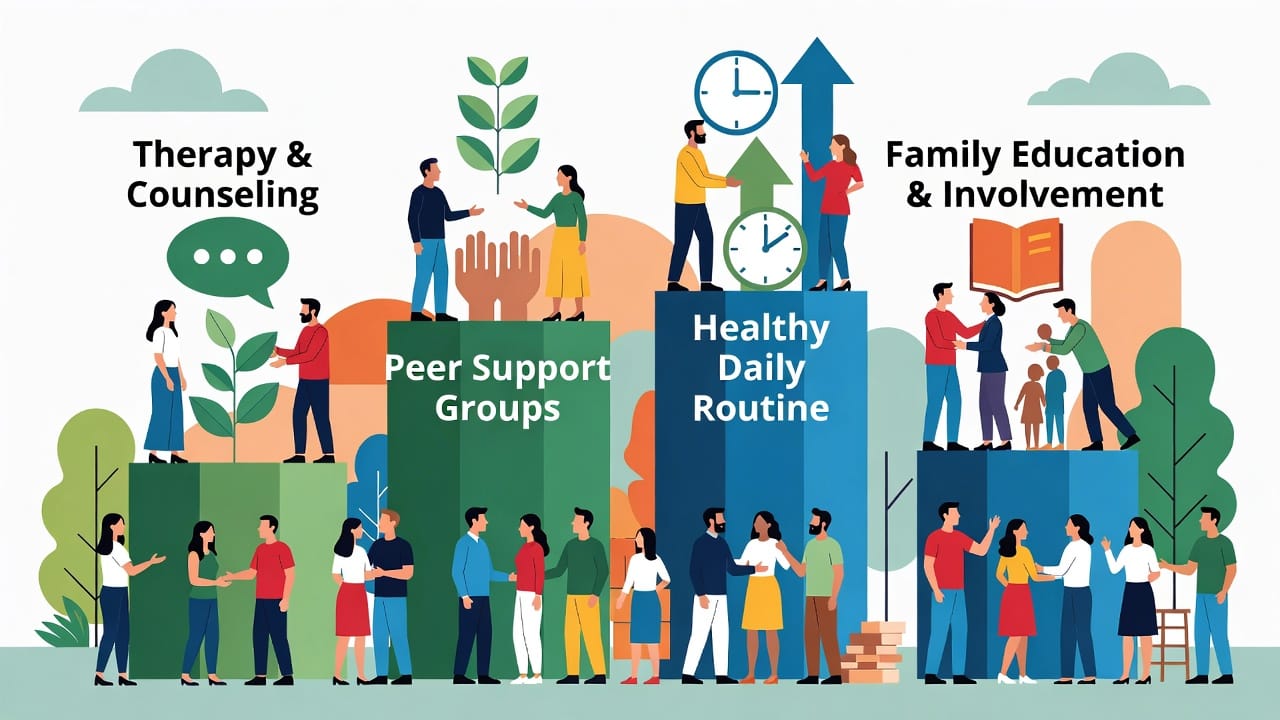
No one recovers in isolation. A robust support network provides encouragement, accountability, and perspective.
Key pillars include:
- Professional Guidance — Therapists, counselors, and medical providers offer expertise.
- Peer Support — Connecting with others in recovery through groups fosters understanding and reduces shame.
- Family Involvement — Educating loved ones about addiction, boundaries, and communication rebuilds trust.
- Healthy Daily Routine — Structure with exercise, nutrition, sleep, and hobbies replaces old patterns.
- Community Resources — Sober activities, employment assistance, and spiritual practices (if desired).
When families participate in education and therapy, outcomes improve for everyone involved.
Embracing Hope on the Journey Ahead
The pathway to recovery is deeply personal, yet universal in its potential for transformation. Every step forward—whether entering detox, completing a program, or attending a meeting—represents courage and commitment. Setbacks may occur, but they are learning opportunities, not failures.
With compassionate care, evidence-based treatment, and a committed support system, individuals reclaim their lives, relationships, and purpose. You are not alone, and healing is within reach. Reach out today—your brighter future begins with one call.
Ready for Real Change? Call Our Caring Team Today