The Overseeding Strategy: Thickening Thin Lawns with the Right Seed at the Right Time
If your lawn looks sparse, patchy, or just lacks that vibrant, thick appearance you've always wanted, overseeding could be the game-changer you're seeking. As a trusted expert in lawn care, I assure you that this proven technique isn't just about scattering seeds—it's a strategic process that rejuvenates your turf from the ground up. In this comprehensive guide, we'll dive into how overseeding improves lawn density, the optimal timing based on your grass type, seedbed preparation essentials, and tips for selecting the perfect seed blend. By the end, you'll feel confident in transforming your thin lawn into a lush, resilient masterpiece. Let's get started on building that dream yard.
Overseed & Thicken Your Lawn – Call for Pro Help!
Understanding Overseeding: The Key to Denser Lawns
Overseeding is more than a quick fix; it's a deliberate method to introduce new grass seeds into an existing lawn, filling in bare spots and enhancing overall thickness. This approach works by encouraging new growth amid established turf, leading to a denser canopy that resists weeds, withstands foot traffic, and maintains a healthier appearance year-round.
Why does it matter? Thin lawns often result from factors like heavy use, poor soil quality, or seasonal stress. Overseeding addresses these by:
- Boosting density: New seedlings intermingle with older grass, creating a fuller look.
- Improving resilience: A thicker lawn better handles drought, pests, and diseases.
- Enhancing aesthetics: Say goodbye to bald patches and hello to uniform green coverage.
Rest assured, with the right strategy, even the thinnest lawns can rebound spectacularly. Professional services often see results in just weeks, turning lackluster yards into envy-worthy landscapes.
Timing Is Everything: When to Overseed Your Lawn
One of the most critical aspects of overseeding is choosing the right time. Seeding too early or late can lead to poor germination and wasted effort. Fortunately, nature provides ideal windows based on your grass type and climate.
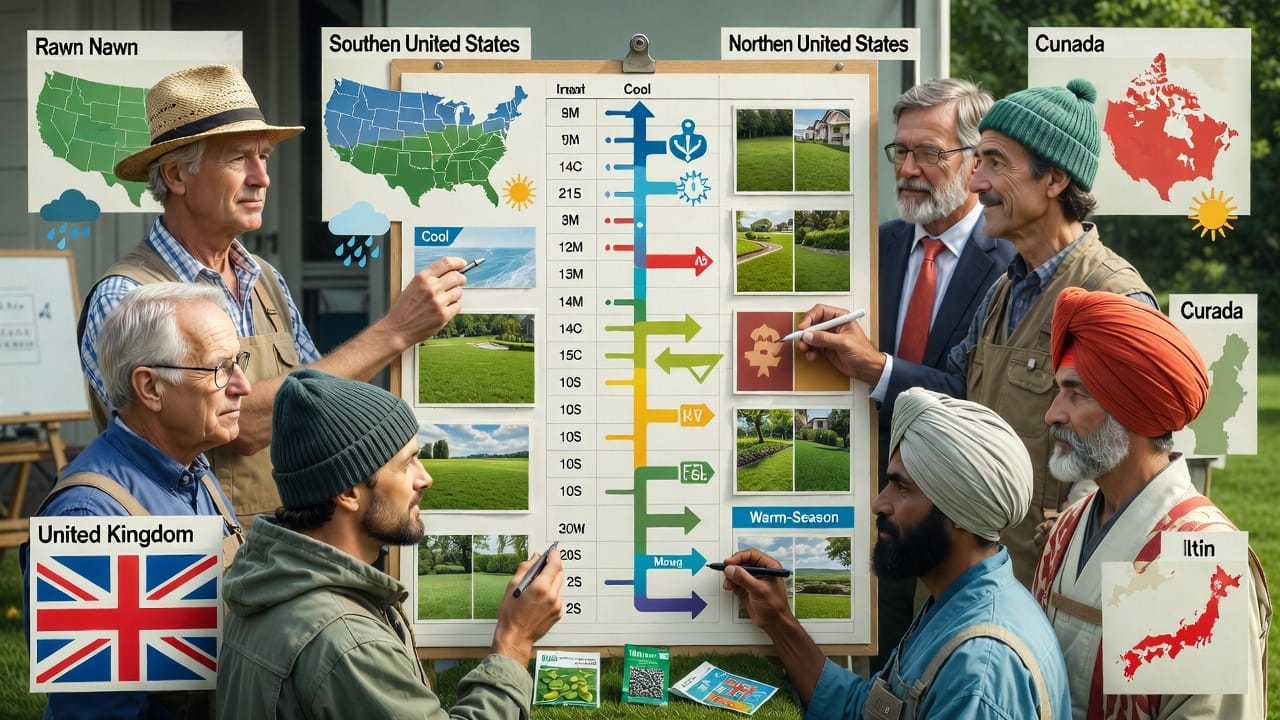
For cool-season grasses like Kentucky bluegrass, fescue, or ryegrass, the best time is fall—typically late summer to early autumn. During this period, soil temperatures (around 50-65°F) are perfect for germination, and cooler weather reduces competition from weeds.
- Advantages of fall overseeding: Warmer soil from summer promotes quick root establishment before winter dormancy, leading to a robust spring emergence.
- Regional tips: In northern states, aim for August to September; in transitional zones, extend to October.
Conversely, warm-season grasses such as Bermuda, Zoysia, or St. Augustine thrive with spring overseeding. Wait until soil warms to 65°F or higher, usually late spring to early summer, to ensure vigorous growth.
- Benefits of spring seeding: Aligns with the natural growth cycle, allowing seeds to establish before summer heat.
- Climate considerations: Southern regions might overseed as early as March, while warmer climates delay until May to avoid frost risks.
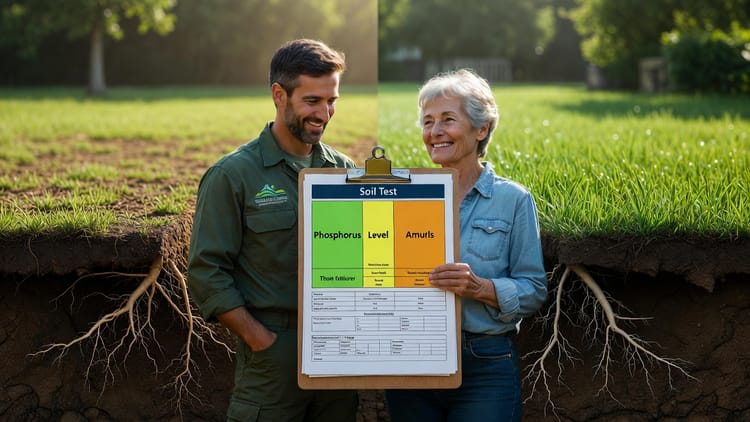
No matter your location, monitor local weather patterns and soil temps for precision. If unsure, a quick soil test can guide you—professional lawn care teams often include this in their assessments for foolproof timing.
Preparing the Seedbed: Setting the Stage for Success
A successful overseeding project starts with proper preparation. Think of your lawn as a canvas—prepping it ensures seeds take root effectively. Skipping this step is a common pitfall, but with these authoritative steps, you'll avoid it entirely.
First, mow low. Cut your grass to about 1-2 inches to allow seeds better soil contact. Remove clippings to prevent smothering new growth.
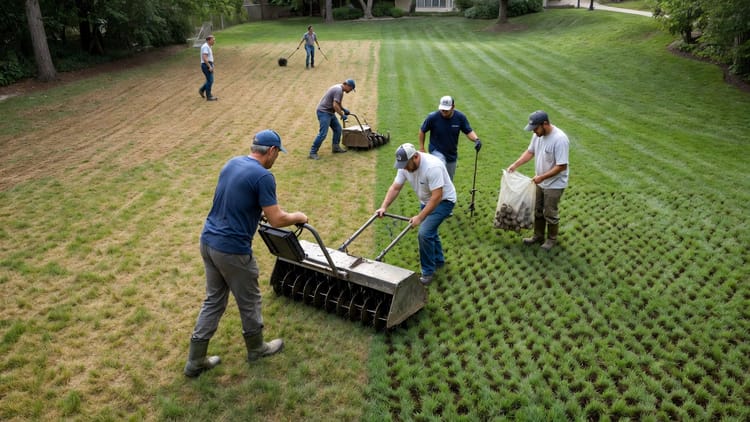
Next, aerate the soil. Core aeration is essential, especially for compacted lawns. This process punches holes into the turf, alleviating soil compression and improving air, water, and nutrient penetration.
- How to aerate: Rent a core aerator or hire pros for even coverage. Aim for 20-40 holes per square foot.
- Benefits: Enhances root development and seed-to-soil contact, boosting germination rates by up to 50%.
After aeration, lightly rake or dethatch to remove excess thatch (over ½ inch thick), which can block seeds. Finally, topdress with a thin layer of compost or topsoil to nurture emerging seedlings.
Pro tip: Water lightly post-prep to settle the soil, but avoid saturation. This preparation phase is where professionals shine, using specialized equipment for uniform results that homeowners might struggle to achieve alone.
Selecting the Right Seed Blend: Matching to Your Lawn's Needs
Choosing seeds isn't arbitrary—it's about tailoring to your lawn's specific conditions for optimal density. The wrong blend can lead to uneven growth or vulnerability, but the right one ensures long-term success.
Start by identifying your grass type and environmental factors. Cool-season blends often mix fescues for shade tolerance, while warm-season options favor Bermuda for heat resistance.
Key considerations include:
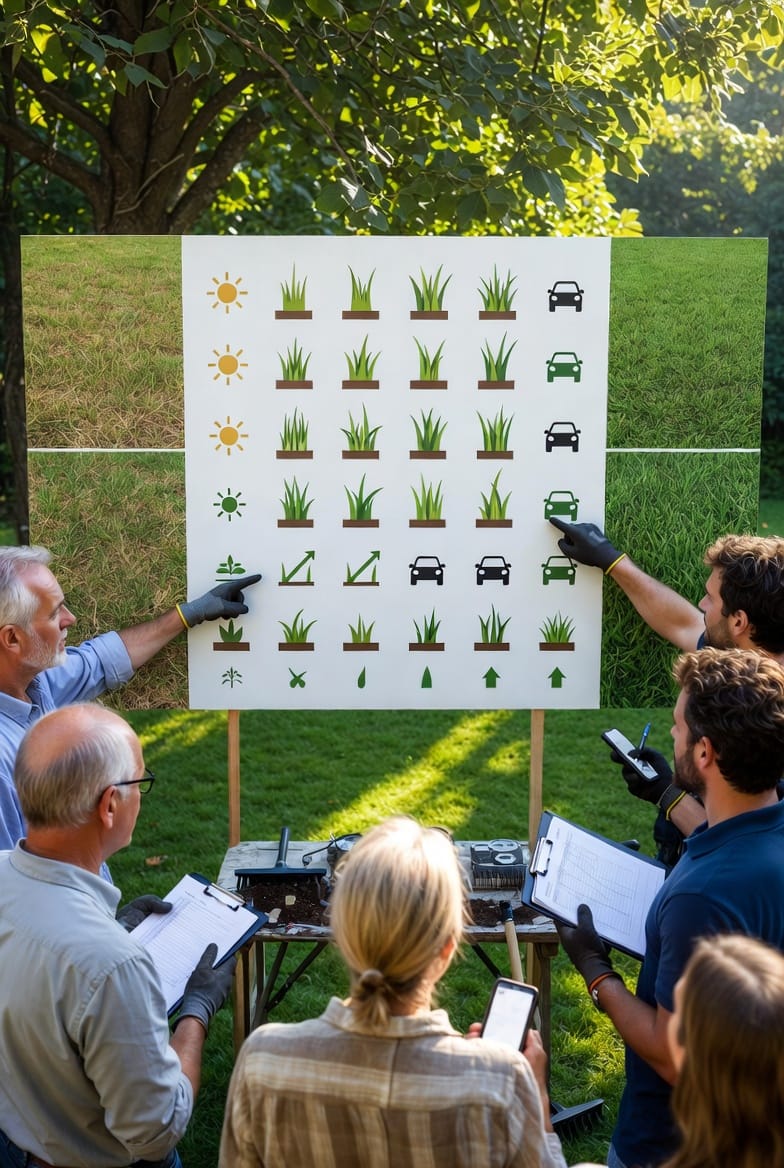
- Sunlight exposure: Full-sun lawns suit bluegrass; shady areas need fine fescue.
- Traffic levels: High-traffic zones require durable ryegrass; low-use spots can thrive with slower-growing varieties.
- Soil and climate: Test pH (aim for 6.0-7.0) and choose disease-resistant seeds for humid areas.
Opt for high-quality, certified seeds free of weeds. Blends with 80-90% germination rates are ideal. For mixed conditions, a versatile mix like tall fescue with perennial ryegrass provides balance.
Remember, overseeding rates vary: Use 5-10 pounds per 1,000 square feet for cool-season, less for warm-season to avoid overcrowding. Professionals can customize blends based on soil tests, ensuring your investment yields a thicker, healthier lawn.
Step-by-Step Overseeding Process: From Seed to Thick Turf
Now, let's walk through the execution. This reassuring roadmap ensures even novices can succeed, though enlisting experts amplifies results.
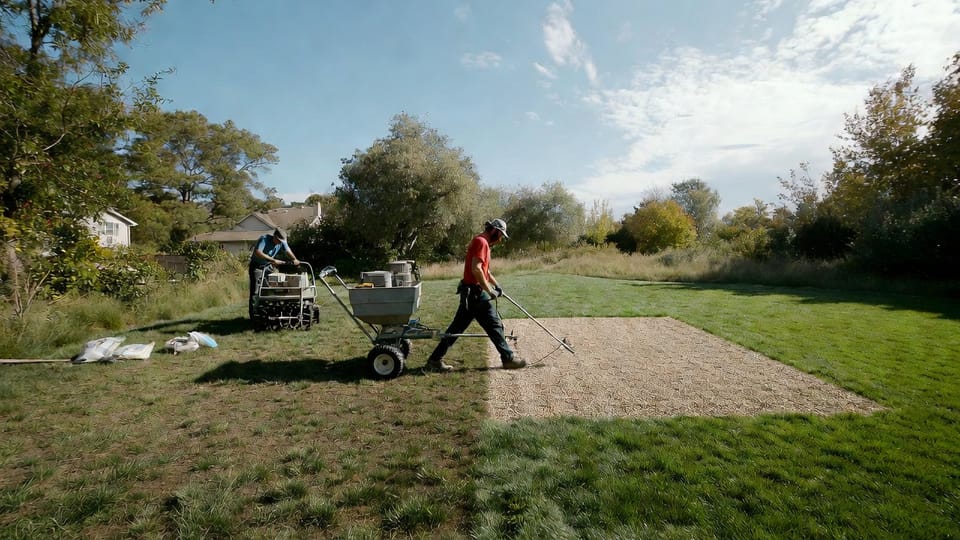
- Apply seeds: Use a broadcast spreader for even distribution. Walk in overlapping patterns.
- Incorporate seeds: Lightly rake to ensure contact without burying too deep (1/8 inch max).
- Fertilize wisely: Apply a starter fertilizer high in phosphorus to support root growth, avoiding excess nitrogen.
- Water consistently: Keep soil moist (not soggy) for 2-3 weeks post-seeding. Early morning watering minimizes evaporation.
- Maintain post-overseeding: Mow only when new grass reaches 3 inches, and limit traffic for 4-6 weeks.
Common risks? Overwatering can cause fungal issues—stick to shallow, frequent sessions. Underaerated soil might yield spotty results, emphasizing prep's importance.
Long-Term Care: Nurturing Your Newly Thickened Lawn
Post-overseeding, ongoing maintenance locks in density. Fertilize every 6-8 weeks, aerate annually, and overseed every 1-2 years for sustained thickness.
Watch for weeds—pre-emergent herbicides in spring help without harming new growth. Integrated pest management keeps threats at bay.
With patience, your lawn will thicken noticeably in 4-8 weeks, fully maturing by the next season. It's a rewarding process that pays dividends in curb appeal and enjoyment.
Potential Challenges and Solutions
Even with the best plans, hurdles arise. Dormant seeds? Ensure fresh stock. Poor germination? Double-check timing and prep.
Solutions:
- Test soil annually for nutrient balance.
- Monitor for pests early.
- Adjust watering based on rainfall.
Professionals mitigate these with experience, offering guarantees for peace of mind.
Why Professional Help Makes Sense
While DIY overseeding is feasible, pros bring precision tools, custom blends, and expertise that save time and money long-term. They handle everything from assessment to follow-up, ensuring your thin lawn becomes a thick triumph.
Ready for a Thicker Lawn? Call (855) 321-3316