The Oral Cancer Screening: The Vital Minute During Your Checkup That Could Save Your Life
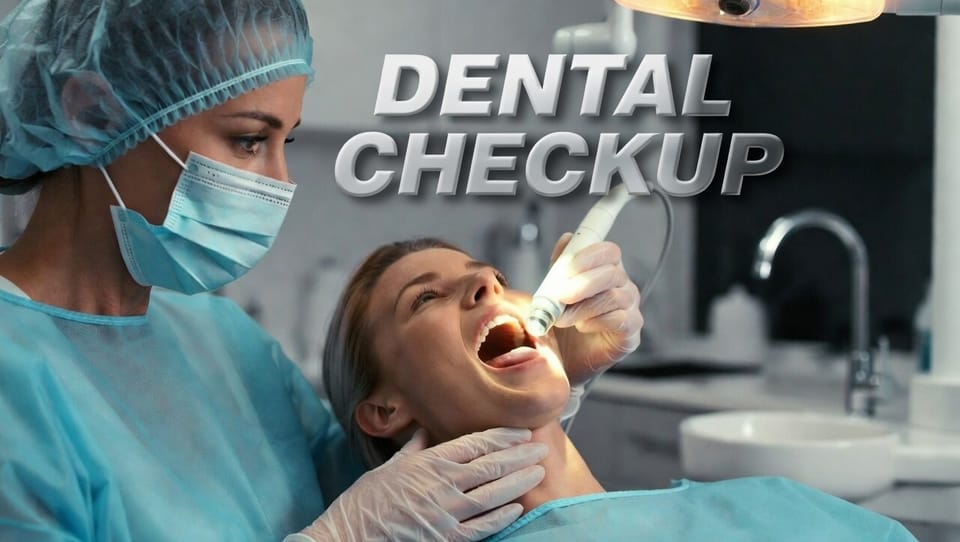
Many people schedule dental appointments thinking mainly about cleaning tartar, checking for cavities, or brightening their smile. Yet preventive dental care goes much deeper. Oral cancer screening—a simple, quick examination performed during nearly every routine visit—can detect early warning signs of a serious condition. This vital minute could make the difference between successful treatment and advanced disease.
Call Now – Affordable Dentistry You Can Trust
Early detection changes everything. Recent data shows that when oral cancer is found at a localized stage, the five-year survival rate often exceeds 85-90%. In contrast, rates drop significantly—sometimes to around 40%—once the cancer spreads to distant sites. Regular screenings catch subtle changes long before patients notice symptoms, leading to simpler treatments and a better quality of life.
What Happens During an Oral Cancer Screening?
The process is gentle, painless, and thorough. Your dentist or hygienist uses bright lighting and a systematic approach to inspect:
- The lips and outer mouth for unusual color changes or growths
- The tongue (top, sides, and underside) for persistent red or white patches
- The gums, inner cheeks, and floor of the mouth for lumps, swellings, or rough textures
- The roof of the mouth and the back of the throat for irregularities
- The neck and jaw area by feeling for enlarged or firm lymph nodes
They look specifically for:
- Red patches (erythroplakia) — often more concerning than white ones
- White patches (leukoplakia) that cannot be scraped off
- Sores or ulcers that do not heal within two weeks
- Thickened, hardened, or velvety areas
- Unexplained bleeding or numbness
This examination usually takes under a minute but provides critical insight.
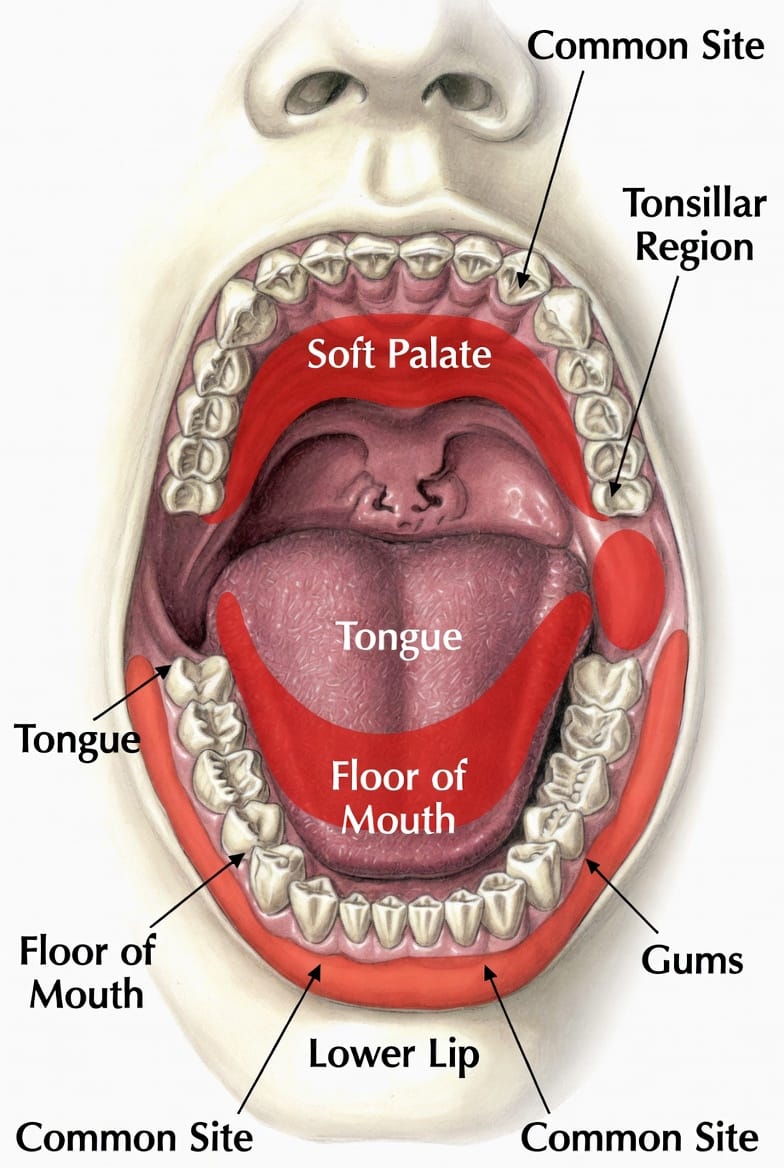
Key Risk Factors You Should Know
While anyone can develop oral cancer, certain factors raise the likelihood:
- Tobacco use in any form (smoking, chewing, vaping) — the leading cause
- Heavy alcohol consumption, especially combined with tobacco
- HPV infection (human papillomavirus), now linked to many oropharyngeal cases, often in younger adults
- Age over 40, though cases are rising in younger groups
- Excessive sun exposure without lip protection (for lip cancers)
- Poor diet low in fruits and vegetables
- Weakened immune system or family history
Even without these risks, annual or biannual screenings remain essential because many cases occur without obvious predisposing factors.
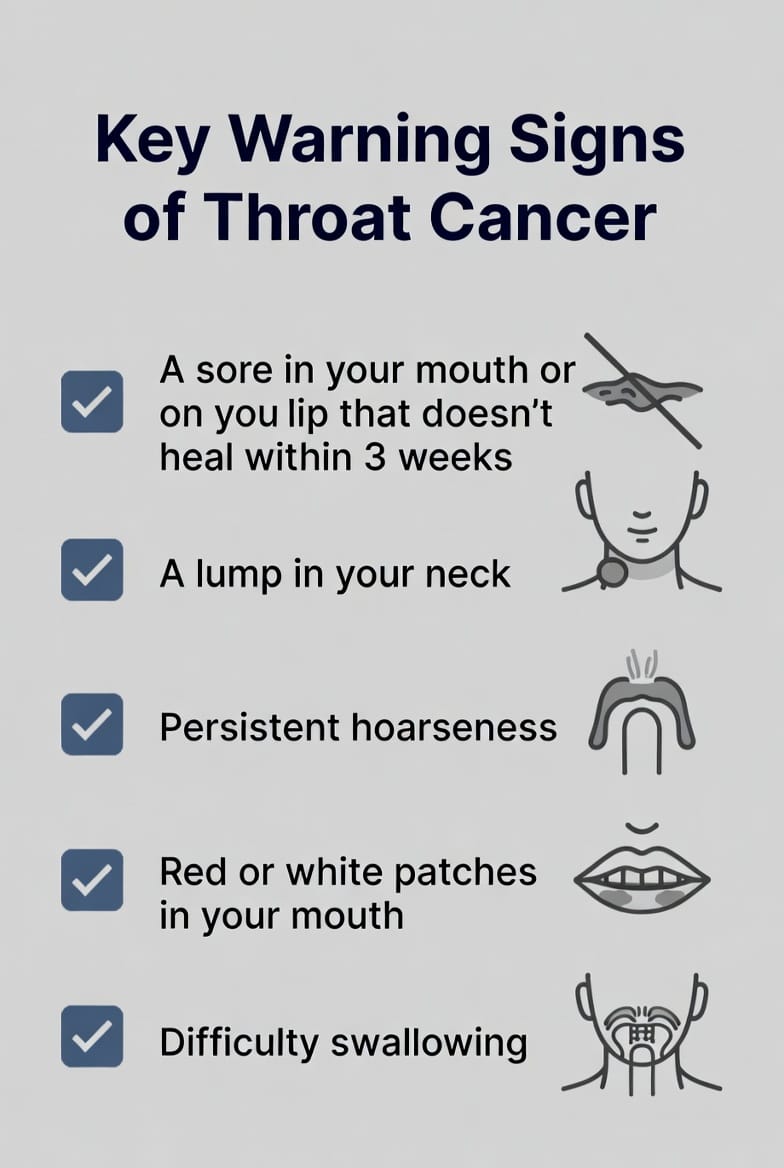
Warning Signs to Watch For Between Visits
Stay proactive. Contact your dentist right away if you notice:
- A sore or irritation that doesn't heal after two weeks
- Persistent hoarseness or voice changes
- Difficulty swallowing, chewing, or moving the jaw/tongue
- A lump or thickening in the cheek or neck
- Red or white patches inside the mouth
- Unexplained numbness, pain, or earache on one side
- Loose teeth with no apparent dental cause
Why Early Detection Makes Such a Dramatic Difference
When identified early, oral cancer treatments are often less invasive—focusing on targeted surgery or localized therapies—with higher success rates and fewer long-term effects on speech, eating, or appearance. Advanced cases may require extensive surgery, radiation, chemotherapy, or reconstruction, impacting daily life more severely.
Beyond screenings, prevention strengthens your defense:
- Quit all tobacco products
- Limit alcohol
- Eat antioxidant-rich foods (fruits, vegetables)
- Use SPF lip balm outdoors
- Consider the HPV vaccine if eligible
- Maintain excellent oral hygiene to reduce chronic irritation
Your dentist integrates this screening seamlessly into every checkup—no extra appointment needed.
Your routine dental visit is more than just a cleaning—it's an opportunity for life-saving prevention.
Book Your Comfortable Checkup – Call Today!