The Night Guard Necessity: Protecting Teeth from Bruxism and TMJ Disorders
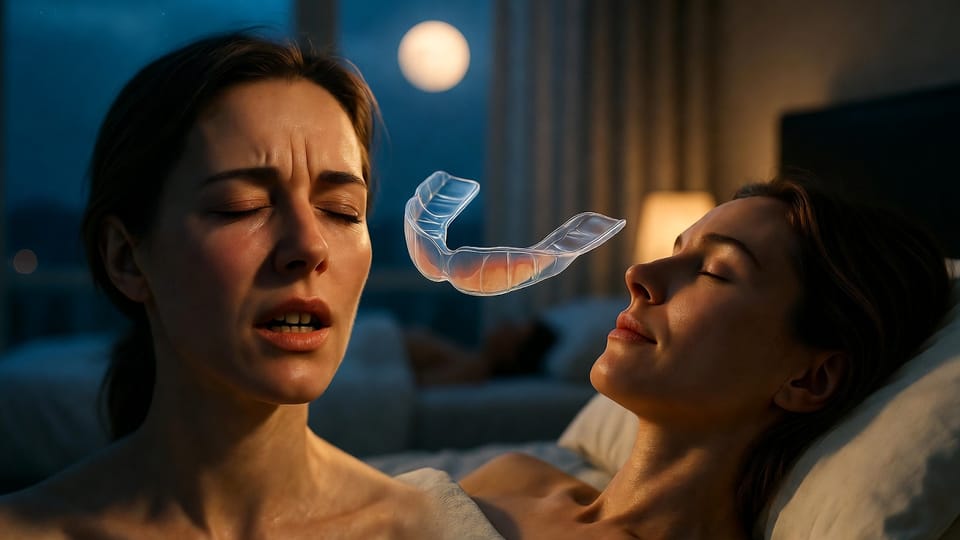
If you wake up with a sore jaw, dull headaches, or the nagging feeling that something isn’t quite right with your teeth, you’re not alone—and you’re not imagining it. Teeth grinding, medically known as bruxism, affects millions of adults every night, often without them realizing it. What begins as a subtle habit during sleep can quietly erode your enamel, strain your jaw joints, and trigger a cascade of discomfort that spills into your waking hours.
Protect Your Teeth & Jaw While You Sleep – Call Today
At the heart of effective protection stands one simple, proven solution: a custom night guard. Unlike temporary fixes, a professionally crafted night guard is designed to shield your teeth and ease the pressure on your temporomandibular joints (TMJ). It’s not just about stopping the grinding—it’s about preserving your smile, your comfort, and your long-term oral health.
In this comprehensive guide, we’ll explore the realities of bruxism, its connection to TMJ disorders, and why a custom-fitted night guard is often the smartest investment you can make for your dental future. You deserve restful nights and pain-free days. Let’s show you how to get there.
Understanding Bruxism: The Silent Nighttime Battle
Bruxism is far more than occasional tooth clenching. It’s a repetitive, involuntary behavior where the jaw muscles forcefully grind or clench the teeth together—most commonly during sleep. While some people grind during the day (awake bruxism), the nocturnal form is particularly destructive because you have no conscious control over the intensity.
The forces involved are astonishing. During normal chewing, your teeth experience about 20–40 pounds of pressure. When bruxism strikes, that number can skyrocket to over 250 pounds. Repeated night after night, this extreme force wears down the protective enamel layer, flattens cusps, and can even fracture teeth over time.
Stress, anxiety, misaligned bites, and certain medications are common triggers, but the condition often runs deeper. Many patients discover their bruxism only after a dental exam reveals telltale signs they never noticed.
Key risk factors include:
- High-stress lifestyles
- Sleep disorders like sleep apnea
- Alcohol or caffeine consumption before bed
- Family history of teeth grinding
- Certain antidepressants or stimulants
Left unaddressed, bruxism doesn’t just affect your teeth—it impacts your overall quality of life.
Recognizing the Signs: When Your Body Is Asking for Help
Most people with bruxism don’t hear the grinding (though partners often do). Instead, they notice the consequences the next morning—or months later.
Common signs of bruxism include:
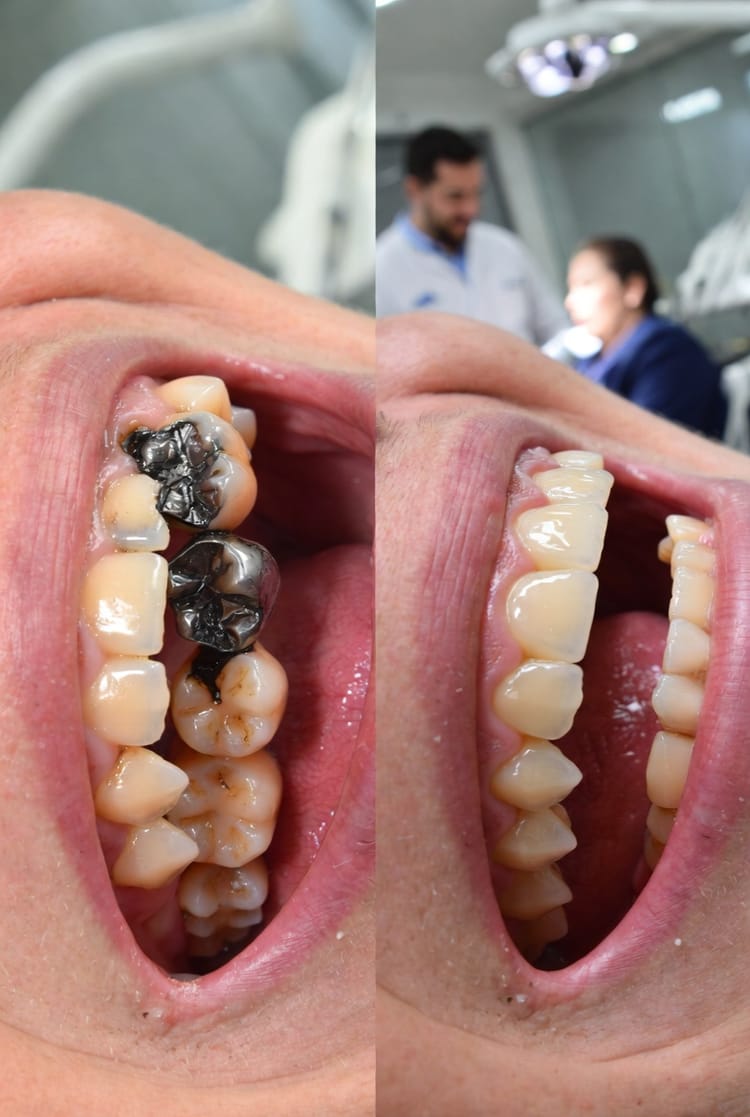
- Worn or flattened teeth that look shorter or chipped
- Increased tooth sensitivity to hot, cold, or sweet foods
- Jaw pain or tightness, especially in the morning
- Frequent headaches, often starting at the temples
- Earaches or a feeling of fullness in the ears without infection
- Clicking or popping sounds when opening or closing the mouth
- Tired or sore facial muscles upon waking
- Indentations on the tongue or cheek biting
These symptoms are your body’s way of signaling that the nightly battle is taking its toll. The good news? Early intervention with a night guard can reverse many of these effects and prevent further damage.
The Hidden Link Between Bruxism and TMJ Disorders
Your jaw joint—technically the temporomandibular joint (TMJ)—is one of the most complex and hardworking joints in your body. It allows you to speak, chew, yawn, and laugh. When bruxism forces the jaw into constant clenching, the joint and surrounding muscles become overworked and inflamed.
TMJ disorders (often called TMD) frequently develop as a direct result of untreated grinding. The constant pressure misaligns the joint’s delicate disc, leading to pain, limited movement, and even chronic headaches that mimic migraines.
Patients often describe the discomfort as:
- A deep ache in front of the ear
- Difficulty opening the mouth fully
- Locking or catching sensations
- Radiating pain into the neck and shoulders
The reassuring truth is that a well-designed night guard doesn’t just protect teeth—it stabilizes the jaw, reduces muscle hyperactivity, and gives the TMJ the recovery time it desperately needs.
Why a Night Guard Is Essential Protection
A night guard acts as a protective barrier between your upper and lower teeth. By creating a smooth, durable surface, it prevents direct tooth-to-tooth contact and absorbs the enormous forces of clenching and grinding.
More importantly, the right night guard redistributes pressure evenly across the jaw, relaxing overworked muscles and allowing the TMJ to rest in a healthier position.
Without this protection, the consequences compound:
- Enamel loss leading to costly crowns or veneers
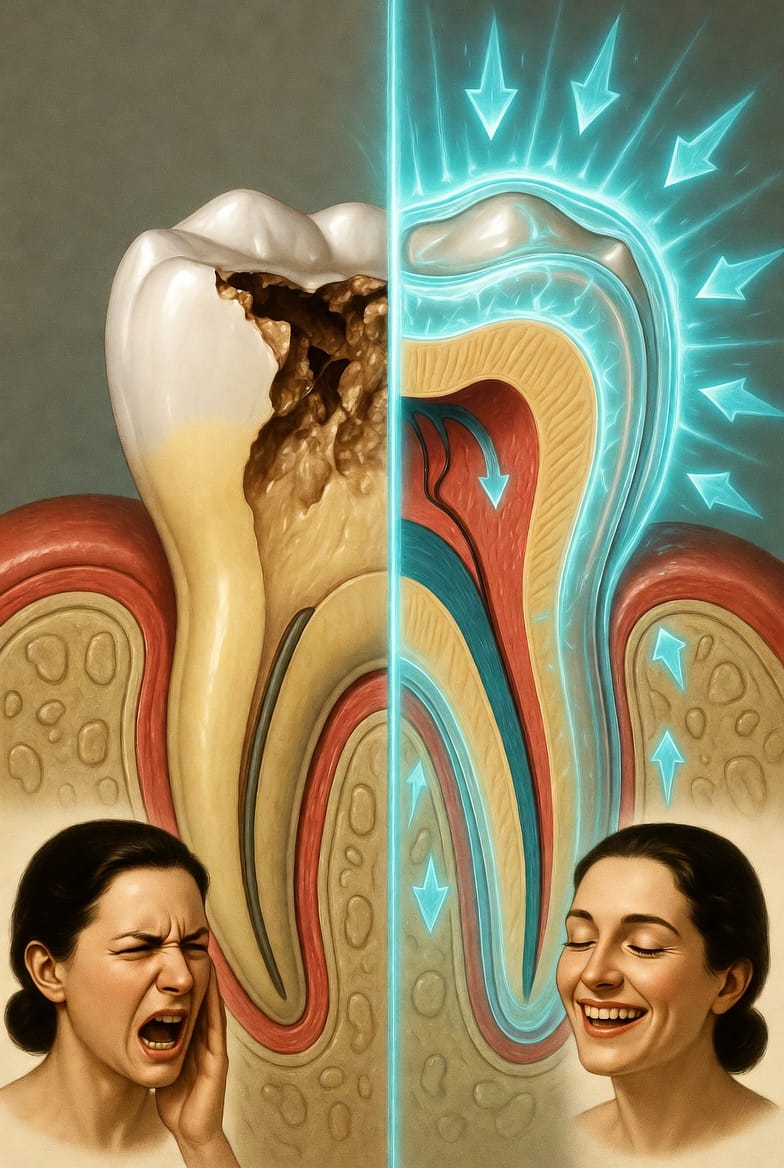
- Cracked teeth requiring root canals
- Progressive TMJ degeneration
- Chronic pain affecting sleep, work, and relationships
With a custom night guard, patients routinely report:
- 70–90% reduction in morning jaw pain
- Fewer tension headaches
- Significantly less tooth wear
- Improved sleep quality
Over-the-Counter vs. Custom-Fitted: The Critical Difference
When patients first learn about night guards, many start with an over-the-counter (OTC) option. These boil-and-bite guards are inexpensive and readily available—but they come with important limitations.
Here’s how they compare:
The difference isn’t subtle. An ill-fitting OTC guard can actually shift your bite over time, creating new problems. A custom-fitted night guard, on the other hand, is engineered specifically for your mouth by dental professionals who understand the biomechanics of bruxism and TMJ disorders.
How Custom Night Guards Deliver Superior Protection
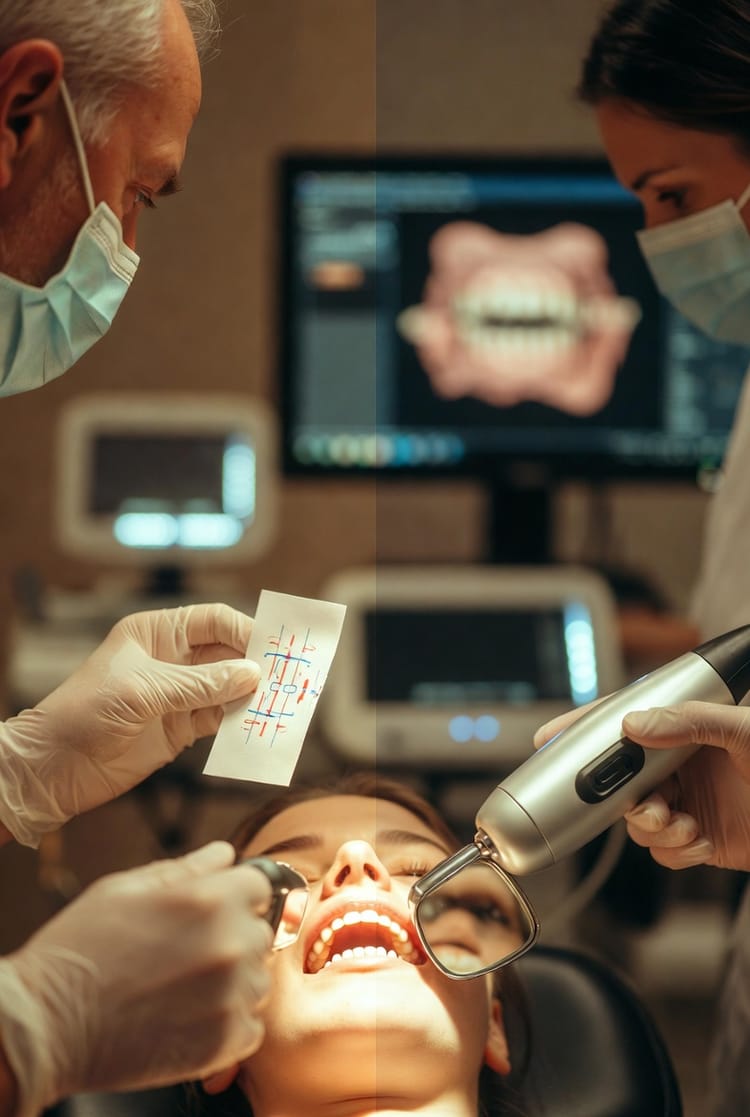
Every custom night guard begins with detailed impressions or digital scans of your teeth. Skilled dental technicians then fabricate the appliance using high-grade materials—often a combination of hard and soft layers for optimal comfort and durability.
The result is a guard that:
- Fits so precisely it stays in place all night
- Allows natural jaw movement while preventing harmful grinding
- Cushions the teeth and absorbs shock
- Can be adjusted over time as your bite changes
Many patients are amazed at how quickly they adapt. Within a week, wearing the night guard becomes as routine as brushing your teeth—and the difference in how they feel each morning is profound.
The Life-Changing Benefits of Professional Night Guards
Beyond protection, a custom night guard delivers benefits that touch every area of life:
Physical relief
- Reduced jaw tension and headaches
- Less facial muscle fatigue
- Improved TMJ function and range of motion
Dental preservation
- Prevention of enamel erosion
- Protection against fractures and chipping
- Extended lifespan of existing dental work
Emotional and lifestyle gains
- Better sleep quality
- Reduced anxiety about dental damage
- Increased confidence in your smile
Patients often tell us the night guard gave them back something they didn’t realize they’d lost: peaceful, restorative sleep.
Your Path to a Custom Night Guard
Getting a professional night guard is straightforward and remarkably comfortable.
The process typically includes:
- Comprehensive exam and discussion of your symptoms
- Digital impressions or traditional molds of your teeth
- Laboratory fabrication of your custom guard
- Fitting appointment with any necessary adjustments
- Follow-up care to ensure ongoing comfort and effectiveness
Most patients complete the entire process in just two visits. The investment is modest compared to the cost of repairing years of grinding damage.
Supporting Your Night Guard with Smart Daily Habits
While a custom night guard is your primary defense, a few lifestyle adjustments can enhance its effectiveness:
- Manage stress through meditation, exercise, or therapy
- Avoid chewing gum or hard foods in the evening
- Limit caffeine and alcohol before bedtime
- Practice jaw relaxation exercises during the day
- Maintain regular dental check-ups to monitor wear patterns
These small changes, combined with your night guard, create a comprehensive strategy for long-term oral health.
Protect Your Smile While You Sleep
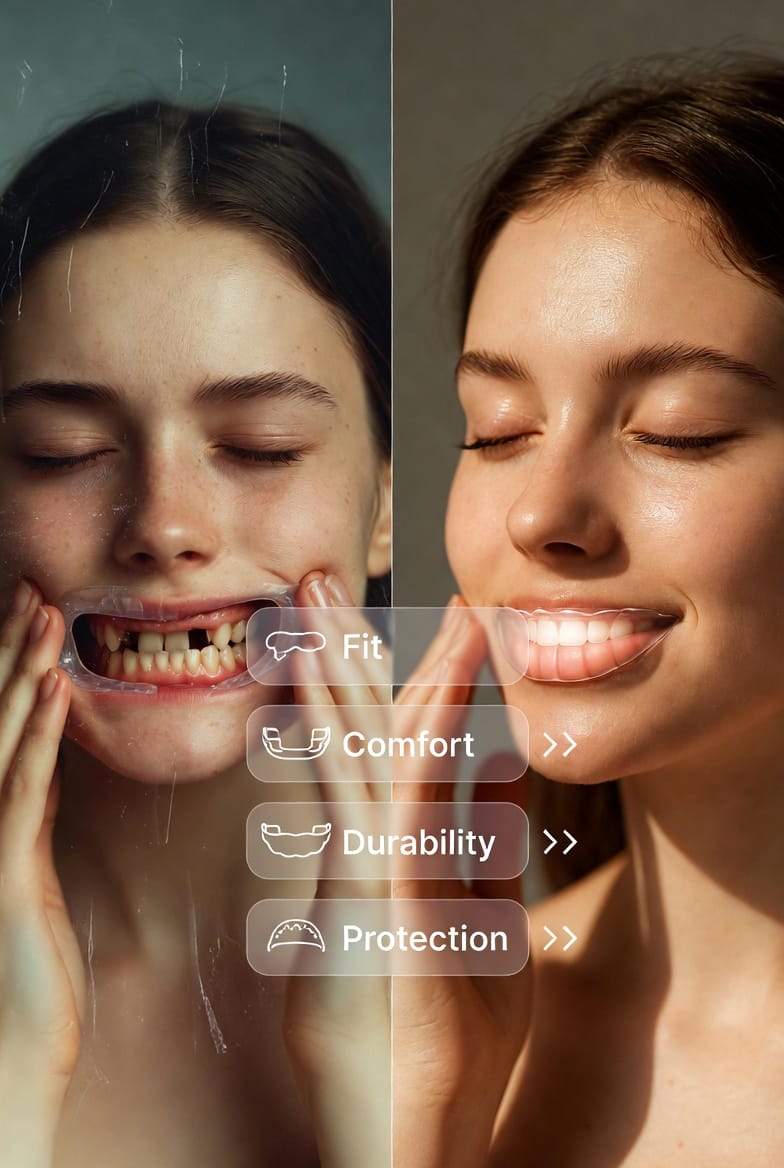
You don’t have to accept bruxism or TMJ pain as your normal. A custom night guard offers a simple, effective, and comfortable way to protect your teeth, ease jaw tension, and reclaim restful nights.
At our practice, we’ve helped thousands of patients break free from the cycle of grinding and pain. The transformation is real—and it starts with one thoughtful decision.
Protect your smile while you sleep. Your future self—and your teeth—will thank you.
Protect Your Teeth & Jaw While You Sleep – Call Today