The Multi-Car Discount: How Insuring Multiple Vehicles on One Policy Saves Money
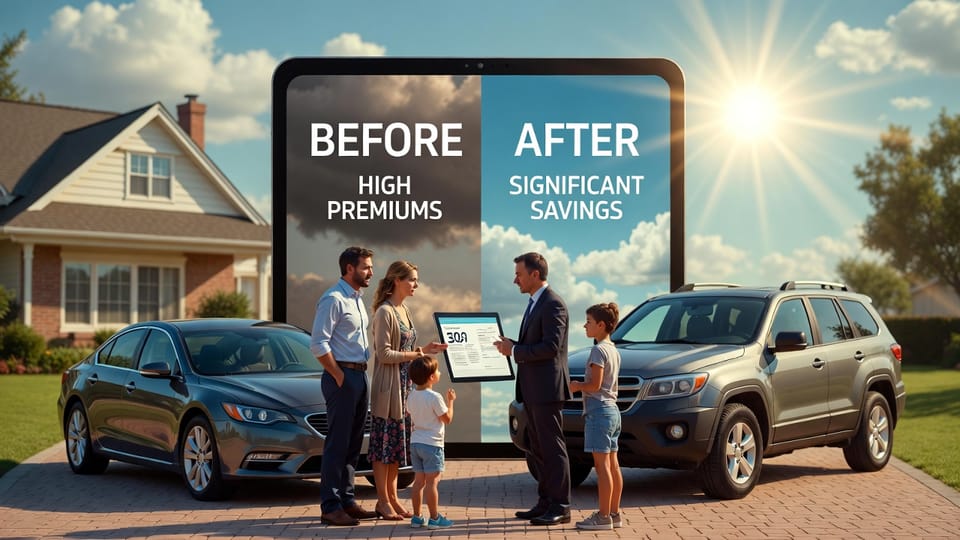
In today's fast-paced world, owning multiple vehicles is more common than ever—whether it's for commuting, family errands, or weekend adventures. But with rising costs everywhere, savvy drivers are always on the lookout for ways to trim expenses without sacrificing coverage. Enter the multi-car discount, a straightforward yet powerful tool offered by most insurers that can significantly reduce your auto insurance premiums. This discount rewards households for insuring more than one vehicle under a single policy, often leading to savings of 10% to 25% or more. If you're managing a fleet of family cars, this could be the key to keeping your budget in check while ensuring everyone stays protected on the road.
Claim Your Multi-Vehicle Savings Today – Call Now
As an experienced guide in the insurance landscape, I'll walk you through how this discount works, its structure, potential pitfalls, and when it makes the most sense for your situation. By the end, you'll feel confident in evaluating whether bundling is right for you. Let's dive in.
Understanding the Multi-Car Discount
At its core, the multi-car discount is an incentive from insurance companies to consolidate your vehicles onto one policy. Instead of maintaining separate policies for each car—which can mean duplicating administrative fees and missing out on economies of scale—you combine them. This not only simplifies billing and management but also signals to the insurer that you're a lower-risk customer overall, as multi-vehicle households often demonstrate stability.
Insurers like Geico, Progressive, and State Farm typically apply this discount automatically when you add a second vehicle. The rationale? It's cheaper for them to handle one policy with multiple cars than several individual ones. This efficiency translates directly to your wallet. For example, a family with two cars might see their total premium drop by hundreds of dollars annually, depending on location, driving records, and coverage types.
But why does this matter now? With inflation affecting everything from gas prices to repairs, optimizing your insurance is a smart, proactive step. Rest assured, this isn't a gimmick—it's a standard industry practice backed by data showing that bundled policies lead to fewer claims disputes and higher customer retention.
How the Discount Structure Works
The structure of a multi-car discount varies by provider, but there are common patterns that make it predictable and beneficial. Here's a breakdown:
- Percentage-Based Savings: Most discounts start at around 10% for the second vehicle and can increase with each addition. For three or more cars, savings might reach 25% or higher. This is applied to the base premium after other factors like safe driver bonuses are considered.
- Tiered Additions: Some insurers use a flat rate reduction per vehicle. For instance, adding a second car could shave $200 off your annual bill, with diminishing but still valuable returns for the third or fourth.
- Bundling Synergies: Often, this discount stacks with others, such as multi-policy discounts if you also insure your home or boat with the same company. This compounding effect can amplify savings exponentially.
To illustrate, consider a hypothetical scenario: A couple in California insures a sedan individually at $1,200 per year. Adding an SUV separately costs another $1,300, totaling $2,500. But under one policy with a 15% multi-car discount, the combined premium might drop to $2,125—a $375 savings. These figures are estimates, but they highlight the real-world impact.
Of course, not all policies are created equal. Factors like your state's regulations play a role—some areas mandate minimum coverage levels that could influence the discount's applicability. Always review your quote details to ensure transparency.
When to Consider Separate Policies
While the multi-car discount is advantageous for most, there are scenarios where keeping policies separate might be wiser. It's important to weigh these carefully to avoid unintended consequences.
- Differing Driver Profiles: If one vehicle is driven by a high-risk individual, such as a teen driver with recent tickets, bundling could increase rates for the entire policy. Separating allows the low-risk vehicles to maintain lower premiums.
- Specialized Coverage Needs: Vintage cars or high-performance vehicles often require unique policies with collectors' insurance. Mixing these with standard auto coverage might not qualify for discounts and could complicate claims.
- Geographic Variations: If vehicles are registered in different states (e.g., one for work travel), separate policies might be necessary due to varying laws and rates.
In these cases, the potential discount loss is offset by tailored protection. However, consult an agent to run the numbers—sometimes, even with separations, overall costs remain competitive. Remember, insurance is about peace of mind as much as savings; forcing a bundle that doesn't fit could lead to gaps in coverage.
Factors Influencing Multi-Car Discounts
Several elements determine how much you'll save with a multi-car discount. Understanding these empowers you to maximize benefits:
- Number of Vehicles: The more cars, the bigger the discount potential. Households with three or more often see the steepest reductions.
- Driver Ages and Records: Younger drivers might dilute savings, but clean records across the board enhance them. Insurers assess the collective risk.
- Coverage Levels: Higher deductibles or comprehensive add-ons can amplify discounts, as they reduce the insurer's payout likelihood.
- Vehicle Types: Sedans and SUVs typically qualify easily, but trucks or EVs might unlock additional green discounts when bundled.
- Location and Usage: Urban areas with higher theft risks could adjust rates, but multi-car policies often include anti-theft perks.
By optimizing these, you can turn a good deal into a great one. Pro tip: Annual policy reviews ensure you're not missing evolving discounts.

Real-World Benefits and Tips for Success
Beyond the dollars, bundling offers intangible perks. A single policy means one renewal date, easier claims filing, and potentially better customer service. Many insurers provide 24/7 apps for managing everything in one place, reducing administrative headaches.
To get started:
- Shop Around: Compare quotes from at least three providers to find the best multi-car discount structure.
- Disclose All Details: Honesty about drivers and usage ensures accurate savings without surprises.
- Combine with Other Savings: Look for safe driver discounts or telematics programs that track habits for extra reductions.
In essence, this discount isn't just about cost—it's about efficiency and security for your household.
Final Advice: Bundle for Better Rates
If you're insuring multiple vehicles, embracing the multi-car discount is often a no-brainer. It streamlines your life while padding your savings, all without compromising on protection. Take the next step today:
Insure All Cars, Pay Less – Call for Personalized Savings