The Mosquito Breeding Ground: Eliminating Standing Water Sources Around Your Property
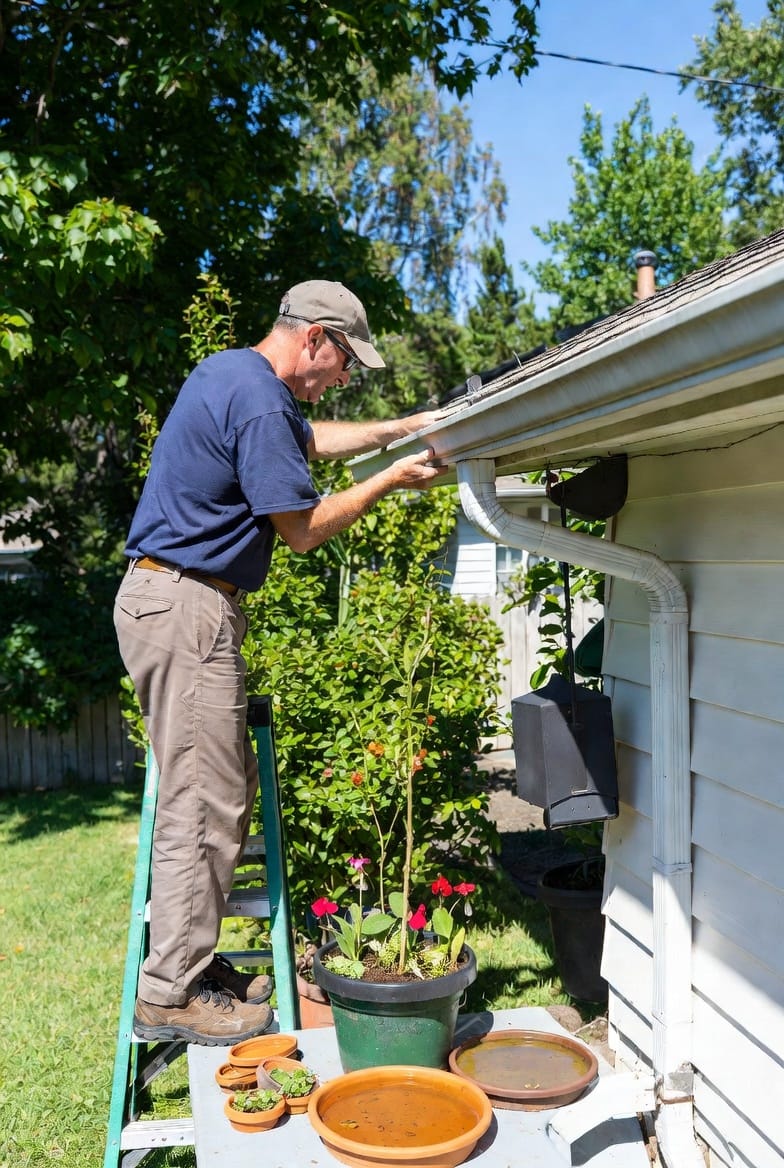
Mosquitoes are more than just a nuisance—they can transmit serious diseases and ruin outdoor enjoyment. The most effective way to control them is through source reduction, which means eliminating the standing water where they breed. By targeting these breeding sites directly, you can significantly reduce mosquito populations on your property without relying solely on chemical treatments.
Get a Professional Property Inspection for Standing Water – Call Now
Understanding how mosquitoes reproduce is the first step toward taking control. Female mosquitoes lay eggs in or near water. These eggs hatch into larvae that thrive in stagnant conditions. Even small amounts of water can support hundreds of mosquitoes in a short time.
How Mosquitoes Breed in Standing Water
Mosquitoes have a rapid life cycle that depends entirely on water. A female mosquito can lay up to 300 eggs at once on the surface of still water. Within days, these eggs hatch into wriggling larvae, often called "wigglers." These larvae feed on organic matter in the water and develop into pupae before emerging as adult mosquitoes ready to bite.
The entire process from egg to adult can take as little as 7 to 10 days in warm weather. This means that even temporary standing water after rain can quickly become a mosquito factory. Because mosquitoes can fly only short distances from their breeding sites (usually 300 feet or less), controlling water sources on your own property has an immediate impact on the mosquito activity you experience.
Source reduction is considered the foundation of integrated mosquito management. It is environmentally responsible, cost-effective, and provides longer-lasting results than adulticides alone.
Common Overlooked Sources of Standing Water
Many homeowners focus on obvious puddles but miss several hidden breeding grounds that produce the majority of backyard mosquitoes.
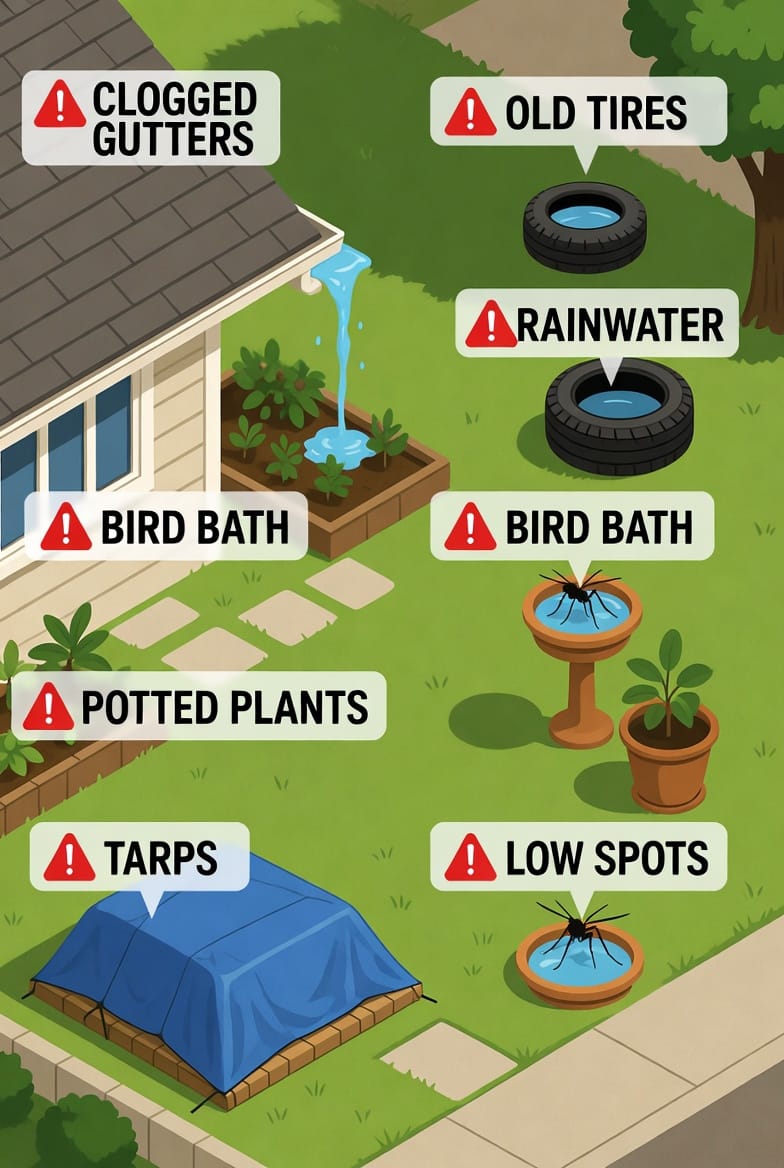
- Clogged Gutters: Leaves and debris block water flow, creating perfect breeding pools along rooflines. Even a small amount of trapped water in gutter sections can support larvae development.
- Tarps and Covers: Plastic tarps over boats, firewood, or equipment often sag and collect rainwater. These low spots hold water for weeks if not addressed.
- Plant Saucers and Pots: Decorative planters and their saucers trap water after watering or rainfall. Overlooked for days, they become ideal nurseries for mosquitoes.
- Bird Baths: While delightful for birds, stagnant water in bird baths needs frequent changing—ideally every 2-3 days—to prevent mosquito reproduction.
- Tires and Buckets: Old tires, empty buckets, wheelbarrows, and children’s toys left outdoors collect rainwater easily and are frequently missed during cleanups.
- Low Spots in Lawns and Landscaping: Uneven grading or poor drainage creates persistent puddles after storms. French drains or soil amendments may be needed in severe cases.
- Ornamental Features: Fountains, ponds, and rain barrels can become breeding sites if water is not circulating or properly maintained.
These sources are often small and scattered, yet each one contributes to the overall mosquito problem. Regular attention to these areas is essential for effective control.
Property Inspection Checklist for Standing Water Elimination
Perform this thorough inspection at least once a week, especially during mosquito season. A consistent routine will keep populations low and protect your family’s comfort.
- Walk the entire property perimeter and note any areas where water might collect.
- Check and clean all gutters to ensure proper drainage; remove leaves and debris promptly.
- Empty and scrub bird baths, replacing water every 2-3 days.
- Tip out plant saucers and flower pots after rain or watering; consider using self-watering systems that minimize standing water.
- Secure or remove tarps, ensuring they are tightly stretched to prevent sagging and water accumulation.
- Dispose of or store old tires, buckets, and unused containers upside down or under cover.
- Fill in or improve drainage in low spots in the yard and around foundations.
- Maintain rain barrels with tight-fitting screens and treat water with approved larvicides if necessary.
- Inspect outdoor equipment, toys, and recreational items that might hold water.
- Trim vegetation and improve airflow to help water evaporate faster.
Consistency is key. What takes just 15-20 minutes weekly can prevent thousands of mosquitoes from emerging on your property.
Additional Tips for Long-Term Mosquito Source Reduction
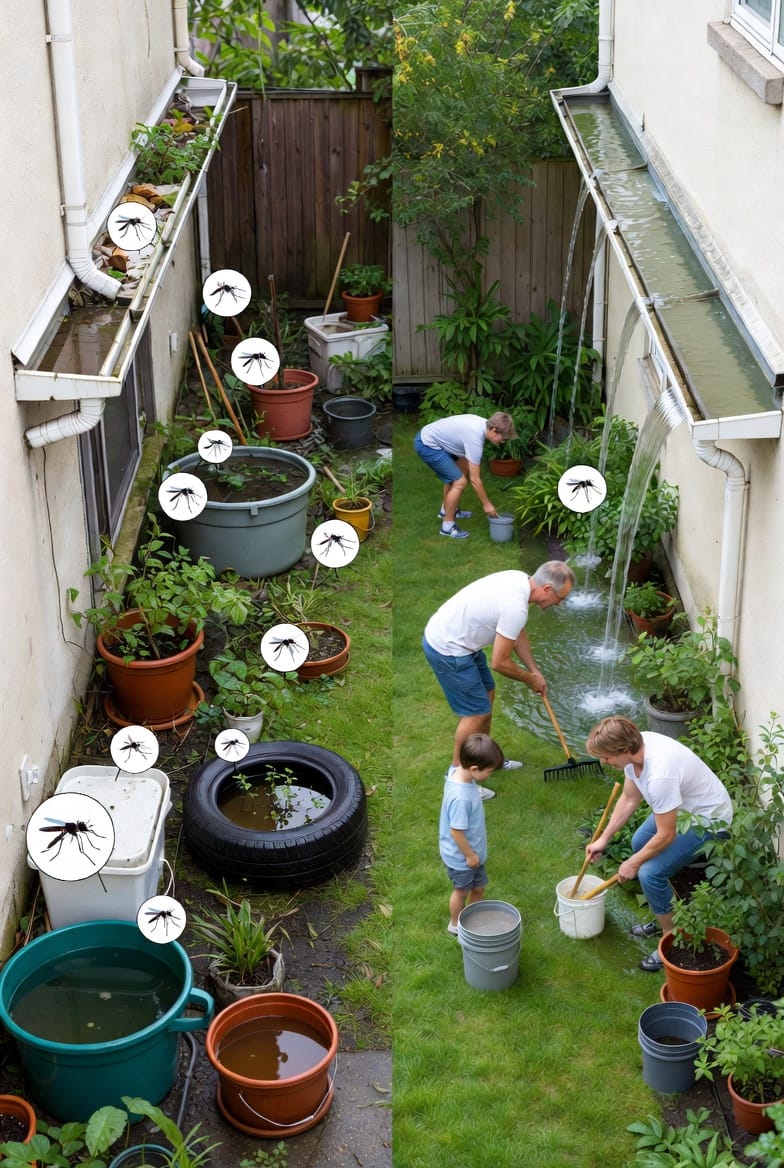
Beyond the checklist, consider these proactive strategies:
- Install gutter guards to reduce debris buildup and minimize maintenance.
- Use mosquito dunks or biological larvicides (containing Bti) in unavoidable water features like ponds or rain barrels.
- Improve overall yard drainage through grading, aeration, or professional landscaping adjustments.
- Encourage natural predators by maintaining bat houses or dragonfly-friendly plants, though these support rather than replace source reduction.
- Coordinate with neighbors when possible, as mosquitoes do not respect property lines.
Remember that source reduction works best as part of a comprehensive approach. Combining it with targeted treatments when needed delivers the most reliable protection.
Why Professional Help Makes a Difference
While homeowners can handle many standing water issues, professional pest control technicians bring expertise in identifying hidden breeding sites and applying appropriate larvicides safely. They can also assess larger property challenges like drainage problems that may require specialized solutions.
A professional property inspection provides peace of mind and a customized plan tailored to your specific landscape and risk factors.
Our team is ready to help you reclaim your outdoor spaces.
By committing to regular elimination of standing water, you take the most powerful step toward a mosquito-free property. Start today—your family and neighbors will thank you for creating a more comfortable, healthier environment.
Control Mosquitoes at the Source – Call for Expert Help Today