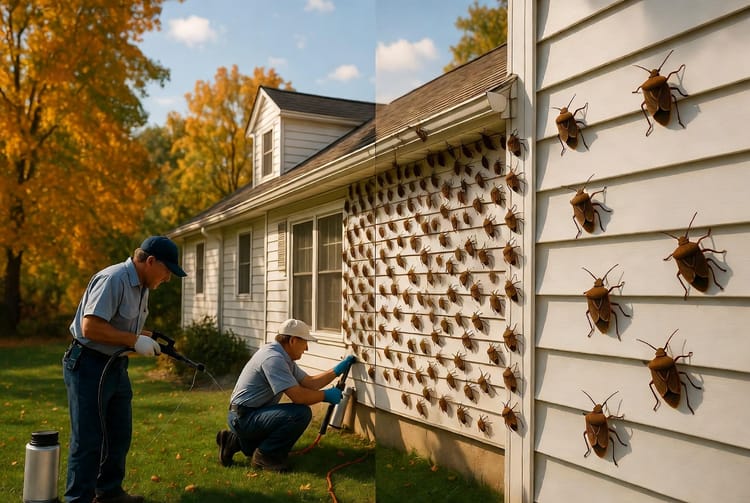
The Millipede Migration: Why These Moisture-Loving Arthropods Invade and How to Stop Them
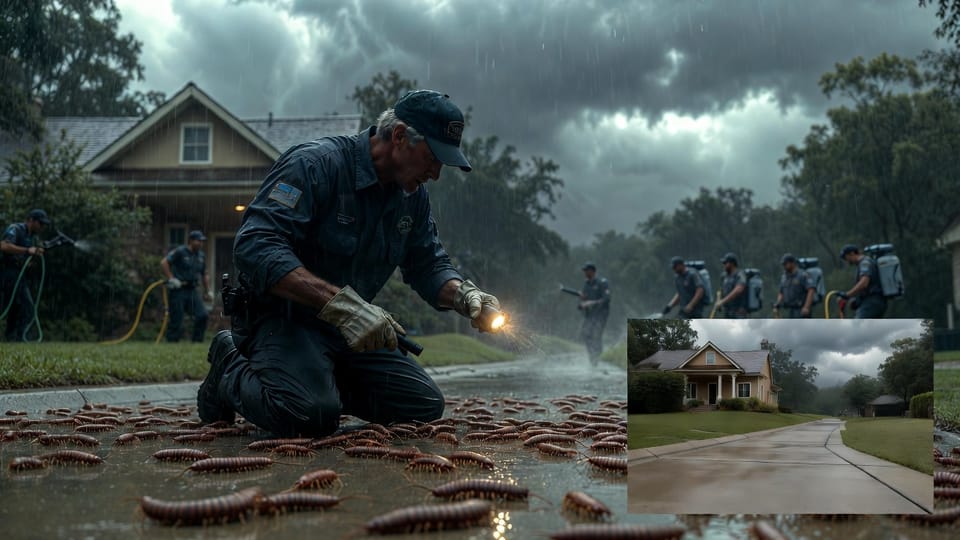
Seasonal rains bring more than green lawns and blooming flowers. They often trigger a sudden, visible wave of millipedes marching across sidewalks, driveways, and straight toward your foundation. Homeowners across the country watch in disbelief as these many-legged creatures appear by the hundreds, even thousands, overnight.
Keep Millipedes Out for Good – Schedule Perimeter Treatment
While the sight can feel overwhelming, rest assured: millipedes are not a sign of structural failure or an uncontrollable plague. They are simply following their natural instincts in search of moisture. With the right understanding and proven millipede control strategies, you can stop the invasion at your doorstep and keep your home comfortable all season long.
At our pest control service, we have helped thousands of families manage these seasonal visitors quickly and effectively. This guide explains exactly why millipedes migrate, why they target certain homes, and the most reliable exclusion methods that deliver lasting results.
The Science Behind Millipede Migrations
Millipedes are not insects but myriapods—arthropods with two pairs of legs per body segment. They thrive in damp, organic environments where they feed on decaying leaves, mulch, and plant matter. Their bodies are designed to conserve moisture, which explains their strong attraction to wet conditions.
After heavy rainfall, soil becomes saturated. Millipedes sense the excess water and begin mass migrations to escape drowning or to find new moist shelter. These movements can cover dozens of yards in a single night. Once they reach a structure, they crawl along foundations searching for tiny openings that lead to even more protected, humid spaces inside walls or under floors.
This behavior peaks in late summer and autumn when rains are frequent and temperatures remain warm. Understanding this natural cycle removes the mystery and lets you prepare before the next storm arrives.
Why Your Home Becomes a Target
Homes with poor drainage, thick leaf litter against the foundation, or overgrown landscaping act like magnets during these migrations. Millipedes follow moisture gradients. Cracks as thin as a credit card, gaps beneath doors, and unscreened weep holes provide easy highways into your living space.
Once inside, they do not seek food or damage wood—they simply hide in damp corners, basements, or crawl spaces. The annoyance factor is high when they appear on floors or walls, yet their presence signals a simple environmental cue rather than a deep infestation.
Rest Assured: Millipedes Pose No Real Threat
Millipedes are completely harmless to people and pets. They do not bite, sting, or carry diseases. When threatened, some species secrete a mild defensive fluid that may stain skin or fabric and can cause minor irritation if rubbed into eyes. That is the extent of any risk.
Knowing they are nuisance pests rather than dangerous invaders allows you to respond calmly and effectively. Professional millipede control focuses on prevention, not panic.
Spotting the Signs of Millipede Activity
Early detection makes management far easier. Look for:
- Clusters of dark, segmented creatures along foundation lines after rain
- Curled-up bodies on basement floors or garage slabs
- Tiny tracks in dust or damp soil near entry points
These clues appear predictably after storms and disappear once conditions dry. Tracking patterns helps you time your exclusion efforts perfectly.
Sealing Your Home: Effective Exclusion Methods
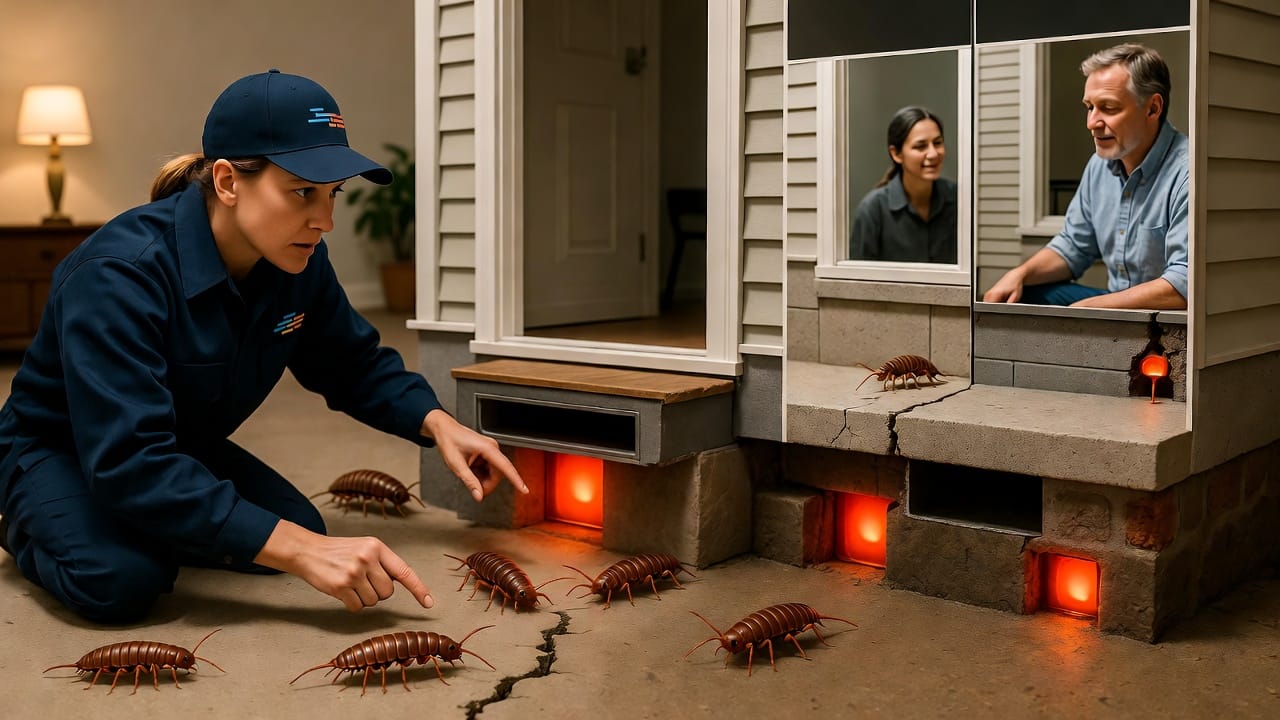
The most powerful defense is physical exclusion. Begin by inspecting every inch of your foundation, doors, and windows. Fill cracks with high-quality caulk or concrete patch. Install door sweeps and weather-stripping on all exterior doors. Cover weep holes with fine mesh screens that allow water drainage but block arthropods.
These small upgrades create a solid barrier that millipedes cannot cross. Because they rely on crawling rather than flying or jumping, even minor repairs deliver dramatic results.
Moisture Management: The Foundation of Prevention
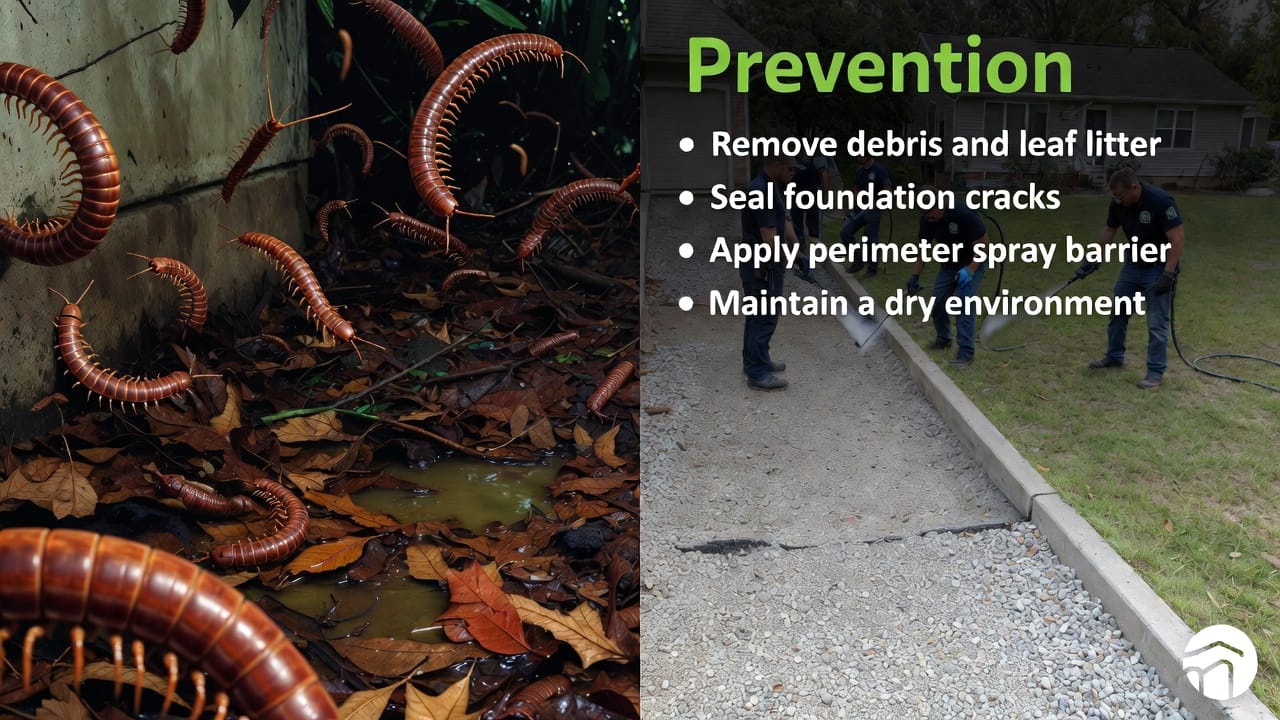
Millipedes follow water. Reduce moisture around your home and you eliminate their reason to approach. Clean gutters and downspouts so water flows away from the foundation. Grade soil to slope outward. Repair leaky outdoor faucets and improve ventilation in crawl spaces.
Remove thick layers of mulch, leaves, and grass clippings within 18 inches of your foundation walls. These organic piles retain moisture and provide both food and shelter. Replace them with gravel or ornamental stone that drains quickly and offers no hiding spots.
Natural and Chemical Barriers That Work
For immediate relief, a properly applied perimeter treatment creates an invisible shield. Professional-grade products labeled for millipede control are safe when used according to label directions and far more effective than over-the-counter sprays. Our technicians use targeted low-volume applications that last through multiple rain events.
Combine chemical barriers with the physical and moisture steps above for a layered defense that millipedes simply cannot penetrate.
When to Call the Professionals for Perimeter Treatment
DIY efforts work well for light activity, yet widespread migrations after heavy storms often require expert intervention. A licensed technician can:
- Identify every potential entry point you might miss
- Apply precise treatments along the entire foundation
- Recommend long-term landscaping changes tailored to your property
Our perimeter treatment service is fast, odor-controlled, and backed by satisfaction guarantees. Most homeowners notice a complete stop to indoor sightings within 48 hours.
Maintaining a Millipede-Free Zone Year-Round
Prevention never truly ends, but it becomes simple routine. Schedule seasonal inspections before major rainy periods. Keep landscaping tidy. Monitor basement humidity with a simple gauge and run dehumidifiers when needed.
With consistent attention to these details, the dramatic “millipede migration” becomes a thing of the past rather than an annual headache.
Real Results Homeowners Experience
Families tell us the same story every season: sudden appearance of hundreds of millipedes, worry about larger problems, then swift relief after professional perimeter treatment and exclusion work. One recent client in a low-lying neighborhood watched her sidewalk clear within hours of service and reported zero indoor sightings for the rest of the year.
These outcomes come from addressing root causes—moisture and entry points—rather than chasing individual creatures.
Stop the Invasion at Your Doorstep
You no longer need to tolerate these seasonal visitors. Simple, proven steps combined with professional millipede control deliver clean, dry, comfortable living spaces all year.
Stop the invasion at your doorstep. Call for perimeter treatment at (855) 321-2977.
Our team stands ready to assess your property, explain every step, and restore peace of mind with the same authoritative care we have provided for thousands of homes just like yours.
Say Goodbye to Millipede Swarms – Call for Expert Treatment