The Maple vs. Birch Flooring: Two Light, Hard Woods Compared
When selecting light hardwood flooring for your home, two popular choices often rise to the top: maple and birch. Both offer bright, airy aesthetics that can transform any space, making rooms feel larger and more inviting. Yet they differ in meaningful ways that impact long-term satisfaction, durability, and value.
Get Expert Maple vs Birch Flooring Advice – Call Now!
This comprehensive guide delivers an authoritative comparison to help you choose confidently. Whether you're renovating a high-traffic family area or designing a serene bedroom retreat, understanding maple vs. birch flooring ensures you invest wisely in flooring that complements your lifestyle and home.
Why Light Hardwood Flooring Matters for Modern Homes
Light-toned hardwoods like maple and birch have surged in popularity among homeowners seeking timeless elegance without the darkness of traditional walnut or cherry. These species reflect natural light beautifully, creating warm, welcoming environments ideal for open-concept living in suburban homes across Texas and beyond.
Key benefits of choosing either maple or birch include:
- Enhanced sense of space – Light floors make rooms appear larger and brighter.
- Versatile design compatibility – Pair seamlessly with various wall colors, cabinetry, and décor styles.
- Natural warmth – Wood floors provide better insulation and comfort underfoot than tile or concrete.
- Increased home value – Quality hardwood remains a top resale feature for potential buyers.
However, not all light hardwoods perform the same. Let's dive deep into how maple and birch stack up.
Hardness and Durability: Maple Holds the Edge
One of the most critical factors in flooring selection is Janka hardness rating, which measures resistance to denting and wear.
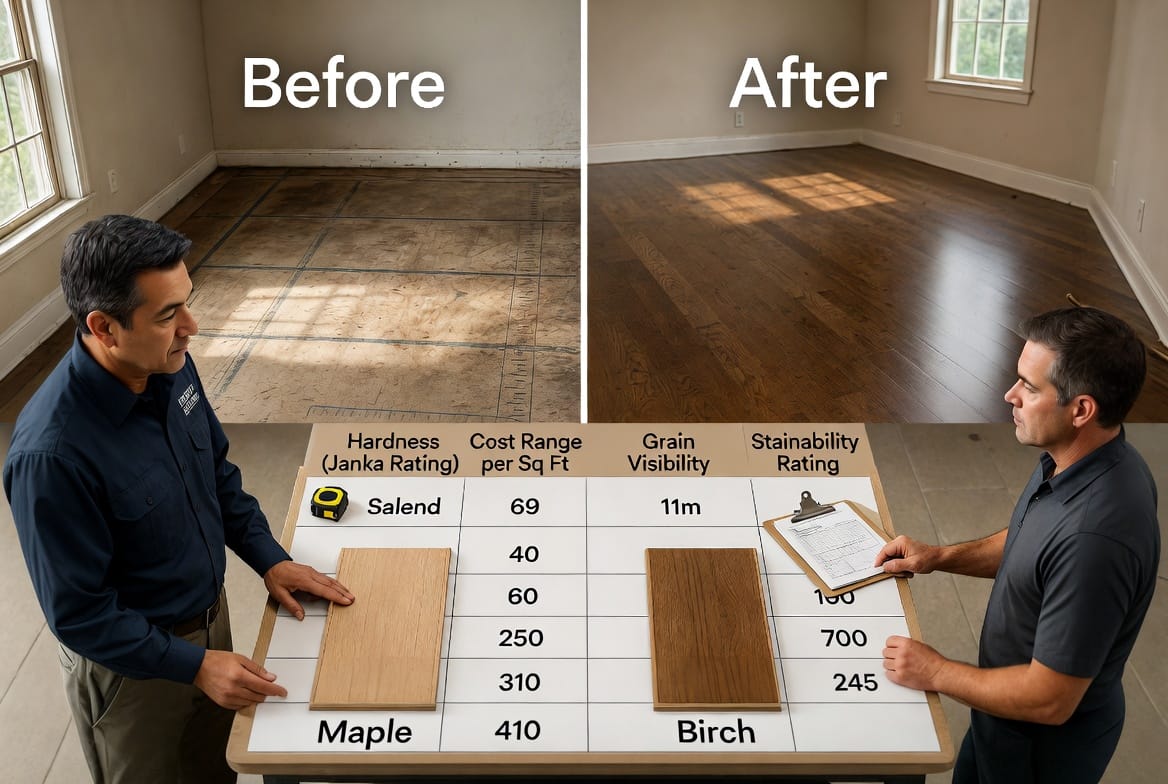
Maple flooring typically rates around 1450 on the Janka scale, making it significantly harder than many other domestic species. This superior hardness translates to exceptional performance in busy households with children, pets, or frequent entertaining.
Birch flooring, while still respectable at approximately 1260 Janka, is softer by comparison. It suits lighter traffic areas but may show wear faster in high-use zones.
Reassuring note: Both options far exceed softer woods like pine, offering years of reliable service when properly maintained. Professional installation further enhances longevity by ensuring stable subfloor preparation and correct acclimation.
Bullet-point durability advantages of maple:
- Better resistance to dents from dropped objects or furniture movement.
- Ideal for kitchens, hallways, and living areas.
- Maintains appearance longer under daily wear.
Birch shines in bedrooms or low-traffic offices where its softer nature feels more comfortable and its subtle charm can be fully appreciated.
Appearance and Grain Patterns: Distinctive Character Differences
Visually, maple and birch share light coloring but diverge in grain and uniformity.
Maple features a finer, more uniform grain with less pronounced variation. Its color ranges from creamy white to pale tan, creating a clean, consistent look prized in contemporary and minimalist designs. The tight grain pattern minimizes visual distractions, allowing other design elements to take center stage.
Birch, conversely, displays more noticeable grain variation and occasional figure (natural patterns or markings). This adds warmth and organic character, making each plank unique. Birch often exhibits a slightly warmer tone with subtle reddish undertones that develop beautifully over time.
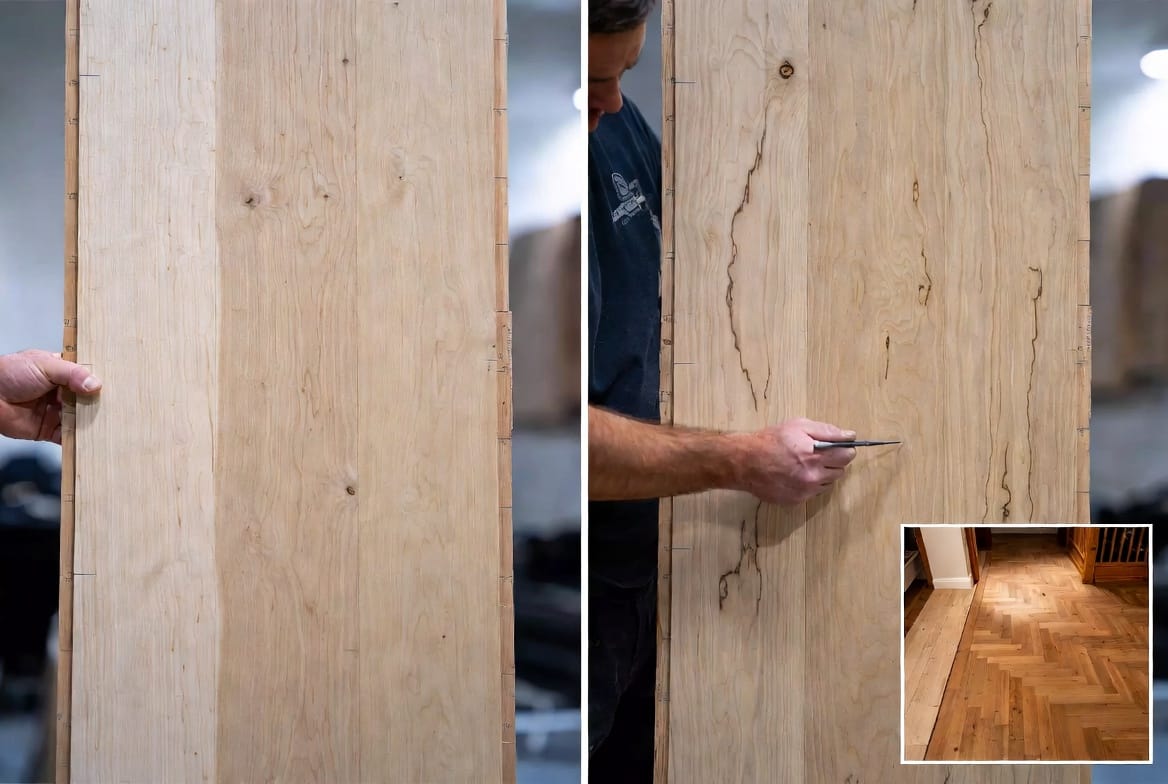
This visual distinction helps homeowners select the right aesthetic. Prefer a sleek, modern uniformity? Choose maple. Desire natural character that tells a story? Birch delivers.
Cost Considerations: Birch Offers Budget-Friendly Appeal
Initial cost represents another important comparison point.
Birch generally comes at a lower price point, making it attractive for larger installations or budget-conscious renovations. The material savings can be redirected toward premium finishes or complementary upgrades.
Maple, due to its higher density and popularity, typically commands a modest premium. However, its enhanced durability often results in better long-term value through reduced maintenance and replacement needs.
Factors influencing final installed cost for both:
- Plank width and thickness – Wider planks increase visual impact but may cost more.
- Grade selection – Clear grades with fewer knots cost more than those embracing natural variation.
- Installation complexity – Site conditions, subfloor preparation, and finishing choices affect total investment.
- Regional availability – Local suppliers in areas like Dallas may influence pricing.
A qualified flooring professional can help balance upfront costs with lifetime performance for optimal return on investment.
Stainability and Finishing Options
Both maple and birch accept stains well, but results differ due to grain structure.
Maple’s tighter grain produces more even stain absorption, yielding consistent colors across the floor. It excels with lighter stains that preserve its natural brightness or subtle gray washes for modern farmhouse looks.
Birch’s more open grain can result in greater color variation when stained, which some homeowners love for added depth. It takes darker stains effectively, allowing transformation into richer tones if desired.
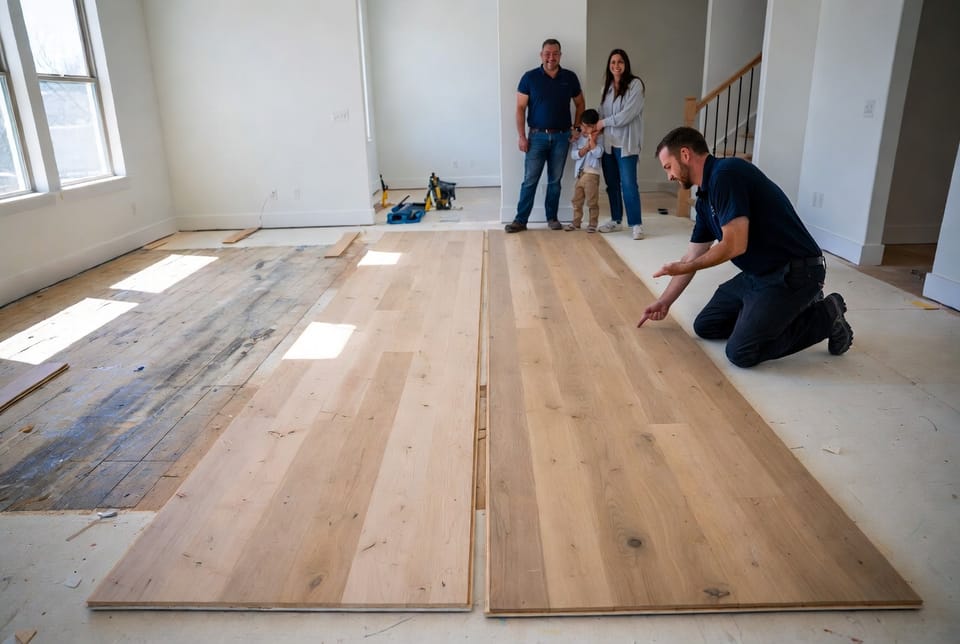
Pro tip: Always request samples stained with your preferred colors before final selection. Professional finishing ensures proper sealing that protects against moisture and daily wear.
Applications: Matching Wood to Your Lifestyle
Maple flooring excels in:
- High-traffic family homes
- Kitchens and dining areas
- Commercial spaces seeking durability
- Homes with active pets or children
Birch flooring performs beautifully in:
- Bedrooms and home offices
- Accent walls or feature areas
- Smaller rooms where character adds charm
- Budget-friendly whole-home installations
Many Texas homeowners blend both species strategically – using harder maple in main living zones and birch in secondary spaces for balanced beauty and performance.
Installation and Maintenance Best Practices
Proper installation is non-negotiable for long-lasting hardwood floors.
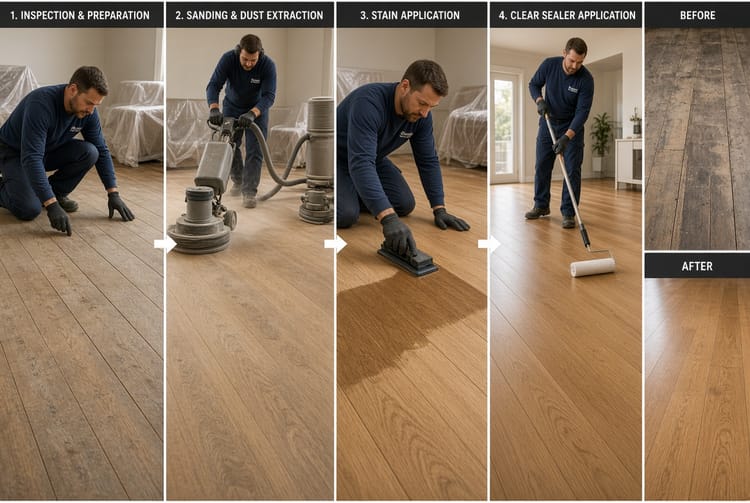
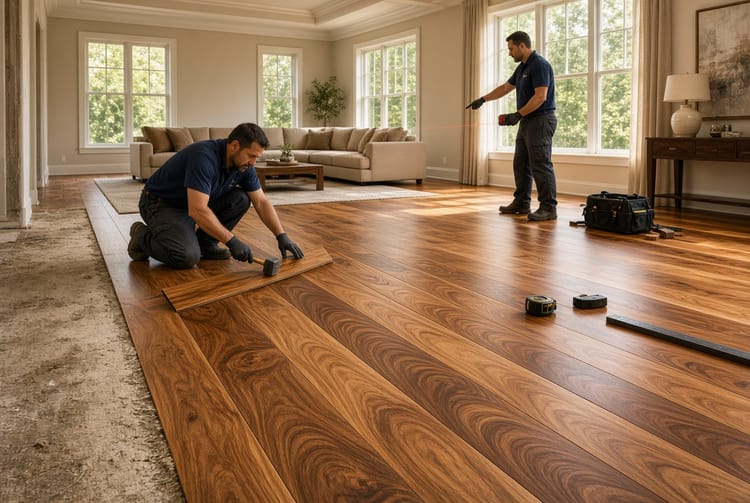
Recommended steps include:
- Thorough subfloor inspection and leveling.
- Acclimation of materials to the home’s humidity levels.
- Professional nailing or gluing techniques suited to the species.
- High-quality underlayment for sound reduction and comfort.
Daily maintenance for both maple and birch is straightforward:
- Regular sweeping or vacuuming with a soft brush.
- Occasional damp mopping with appropriate wood cleaners.
- Immediate spill cleanup to prevent moisture damage.
- Use of felt pads on furniture to minimize scratches.
With routine care, your light hardwood floors will retain their beauty for decades.
Environmental and Sustainability Factors
Both maple and birch are responsibly harvested domestic species, supporting local economies and reducing transportation emissions. Look for suppliers with sustainable forestry certifications to ensure your flooring choice aligns with eco-conscious values.
Making Your Final Decision
Choosing between maple and birch flooring ultimately depends on your priorities: maximum durability and uniformity (maple) or character, warmth, and value (birch). Many homeowners find success by consulting experienced professionals who assess their specific space, traffic patterns, and design goals.
Expert insight: In regions like Dallas with varying humidity, proper moisture management during and after installation proves essential for both species to prevent seasonal movement.
Investing in quality light hardwood flooring enhances not only your home’s appearance but also daily comfort and long-term property value.
Whether you lean toward maple’s robust performance or birch’s inviting character, both deliver beautiful, practical solutions for modern living.
Ready to choose the right light hardwood for your home? Explore premium maple and birch options and receive expert guidance tailored to your property.
Transform Your Home with Beautiful Light Hardwood – Call Today