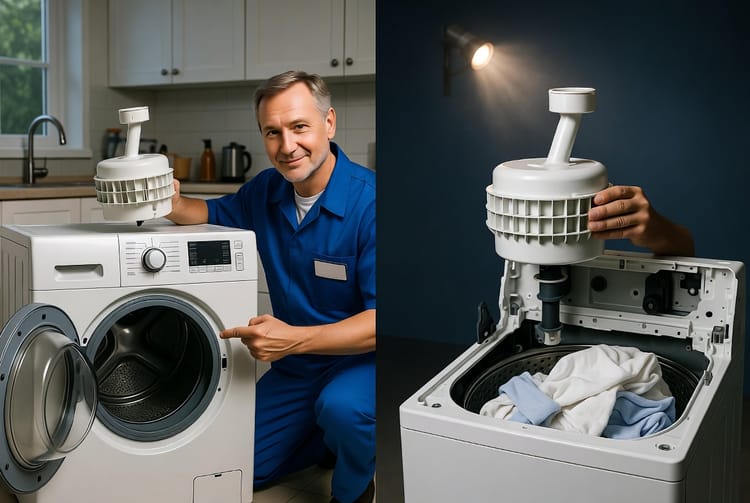
The Maintenance Manual You Never Got: Essential Care to Extend the Life of Every Major Appliance
In today's fast-paced world, your home appliances work tirelessly behind the scenes to make life easier. From chilling your groceries to washing your clothes, these machines are indispensable. Yet, many homeowners overlook the simple maintenance tasks that can significantly extend appliance life and prevent costly breakdowns. This comprehensive guide serves as the maintenance manual you wish came with your purchases. We'll walk you through a room-by-room approach to essential appliance care, focusing on often-ignored routines like cleaning refrigerator coils, descaling dishwashers and washing machines, clearing dryer vents, and running oven self-cleaning cycles. By framing these as cost-saving preservation strategies, you'll see how a little proactive effort can save you hundreds—if not thousands—in repair bills and replacement costs.
Protect Your Appliances – Call Now for Expert Maintenance!
Think of your appliances as investments. With average lifespans ranging from 10 to 15 years, proper upkeep can push that to 20 years or more. According to industry experts, neglected maintenance accounts for up to 70% of premature failures. But don't worry— we're here to empower you with authoritative advice that's easy to follow. Whether you're a busy professional or a new homeowner, these tips are designed to fit into your routine without overwhelming you. Let's dive in, starting with the heart of the home: the kitchen.
Kitchen Appliances: The Hub of Daily Life
The kitchen is where most major appliances reside, and it's often the busiest room. Here, we'll cover the refrigerator, dishwasher, and oven—focusing on tasks that keep them running efficiently.
Refrigerator: Keeping It Cool and Efficient
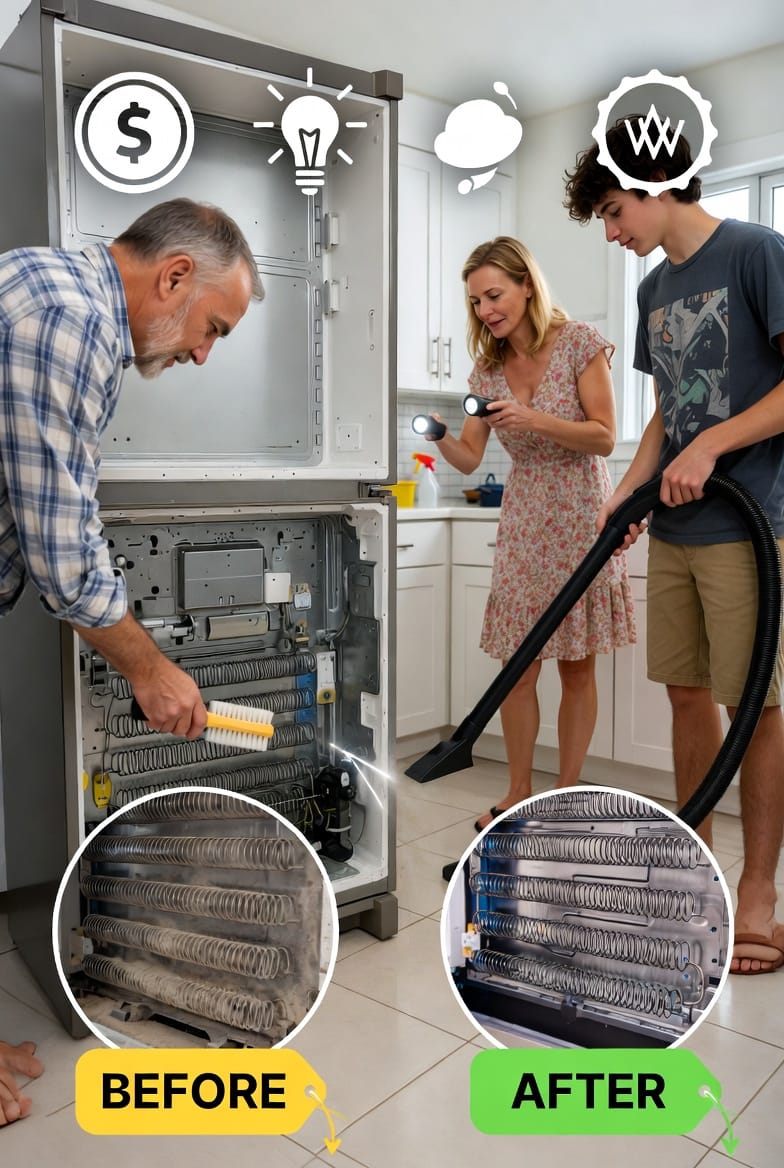
Your refrigerator is the unsung hero, running 24/7 to preserve your food. But dust and debris on the condenser coils can force it to work harder, spiking energy bills by up to 25% and shortening its life. Cleaning refrigerator coils is a straightforward task that pays dividends.
- Unplug and Access: Safely unplug the fridge and pull it away from the wall. For models with coils at the back, remove the rear panel if needed. Bottom-mounted coils require removing the kick plate.
- Gentle Brushing: Use a soft coil brush or vacuum attachment to remove dust buildup. Avoid harsh tools that could damage the fins.
- Frequency: Do this every six months, or quarterly in pet-heavy homes.
- Benefits: Cleaner coils mean better heat dissipation, lower energy use, and fewer compressor failures—potentially saving $50-100 annually on utilities.
Beyond coils, check door seals for cracks (test with a dollar bill—if it slips out easily, replace them) and clean the drip pan to prevent odors. These steps ensure your fridge stays efficient, reducing the risk of expensive repairs like compressor replacements, which can cost $500 or more.
Dishwasher: Banishing Buildup for Spotless Results
Dishwashers save time, but mineral deposits from hard water can clog sprays and reduce performance. Descaling the dishwasher is key to maintaining its sparkle.
- Vinegar Cycle: Place a cup of white vinegar on the top rack and run a hot cycle. This dissolves limescale without harsh chemicals.
- Baking Soda Boost: Follow with a sprinkle of baking soda on the bottom for deodorizing.
- Filter Check: Remove and rinse the filter monthly to prevent food particle clogs.
- Cost Savings: Regular descaling prevents heater element failures, avoiding repairs up to $300.
Incorporate this into your monthly routine, and you'll notice cleaner dishes and quieter operation. It's a small investment in time that preserves your machine's longevity.
Oven: Self-Cleaning for a Pristine Bake
Modern ovens often feature self-cleaning cycles, but many owners skip them, leading to grease buildup and smoke issues. Running these cycles properly is essential.
- Prep Work: Remove racks and wipe loose debris before starting.
- Cycle Run: Activate the self-clean mode (3-5 hours) in a well-ventilated space.
- Post-Clean: Wipe away ash residue once cooled.
- Alternative for Non-Self-Clean: Use a baking soda paste for manual scrubbing.
- Risks of Neglect: Ignored buildup can cause uneven heating or fire hazards, with repairs costing $200+.
Schedule this quarterly for heavy users. It's reassuring to know that this built-in feature handles the heavy lifting, keeping your oven safe and efficient.
Transitioning from the kitchen, let's move to the laundry room, where moisture and lint pose unique challenges.
Laundry Room: Tackling Moisture and Lint
Laundry appliances handle heavy loads, but without care, they can become inefficient or dangerous. Focus on descaling the washing machine and clearing dryer vents.
Washing Machine: Descaling for Fresh Loads
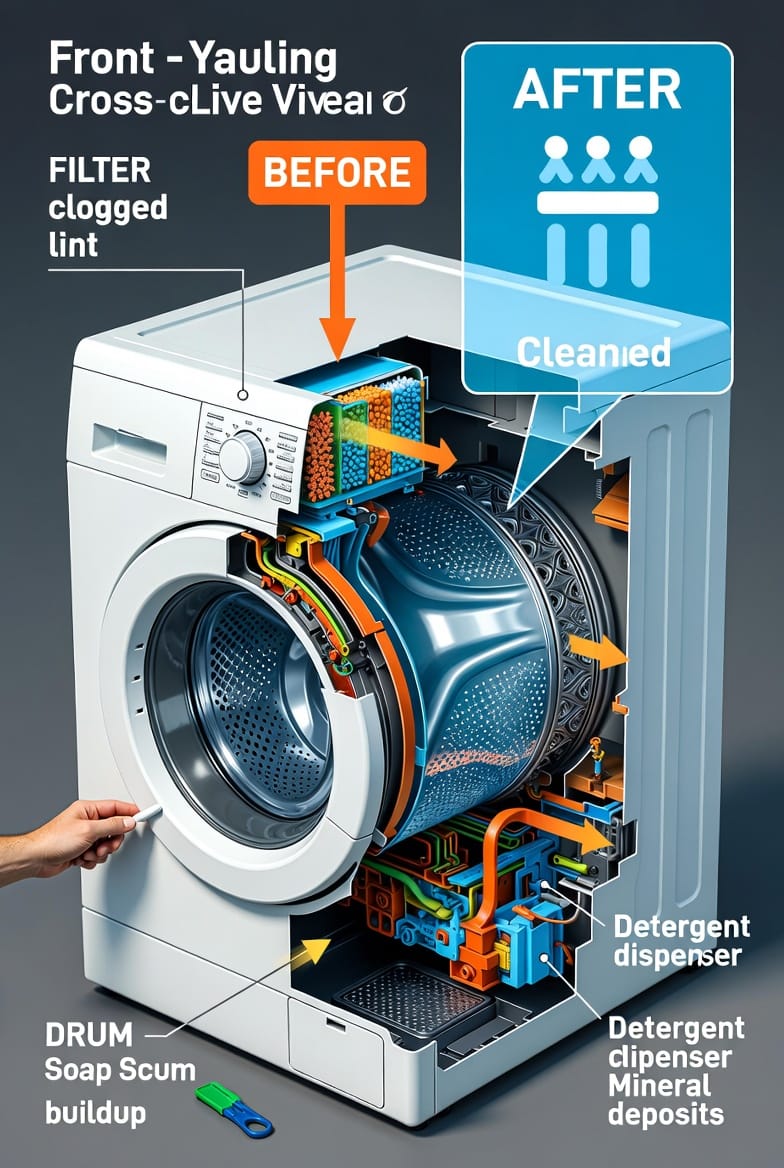
Front-loaders are prone to mold, while top-loaders battle hard water scale. Descaling the washing machine keeps it odor-free and functional.
- Affresh or Vinegar: Run a hot cycle with a descaling tablet or two cups of vinegar.
- Drum Wipe: Clean the drum and gaskets with a microfiber cloth.
- Dispenser Deep Clean: Remove and soak drawers in soapy water.
- Filter Maintenance: Check and clean the drain filter bimonthly.
- Preservation Perks: Prevents pump clogs and heater damage, saving $400 in potential repairs.
For high-efficiency models, use HE detergent to minimize residue. This routine ensures clothes come out cleaner and extends machine life by years.
Dryer: Vent Clearing to Prevent Hazards
Lint buildup in dryer vents is a leading cause of house fires—over 15,000 annually in the US. Clearing them is non-negotiable for safety and efficiency.
- Disconnect and Vacuum: Unplug, detach the vent, and use a vent brush kit to remove lint.
- Exterior Check: Clean the outdoor vent flap.
- Frequency: Every six months, or more if you dry heavy loads.
- Efficiency Gains: Clear vents reduce drying time by 30%, cutting energy costs and preventing overheating repairs ($250+).
Always dry on appropriate settings to minimize lint production. It's authoritative advice: prioritizing this task safeguards your home and wallet.
Now, let's explore other areas like the utility room or garage, where appliances like water heaters might reside, but we'll tie back to major ones.
Beyond the Basics: Utility and Whole-Home Tips
While not room-specific, consider integrating these into your overall appliance maintenance plan.
- Water Heater Flush: Drain sediment annually to improve efficiency.
- HVAC Filter Changes: Though not an appliance per se, it impacts others by maintaining air quality.
- Smart Monitoring: Use apps to track usage and alert for issues.
These holistic approaches amplify the benefits of room-specific care.
Creating a Maintenance Schedule: Your Personalized Plan
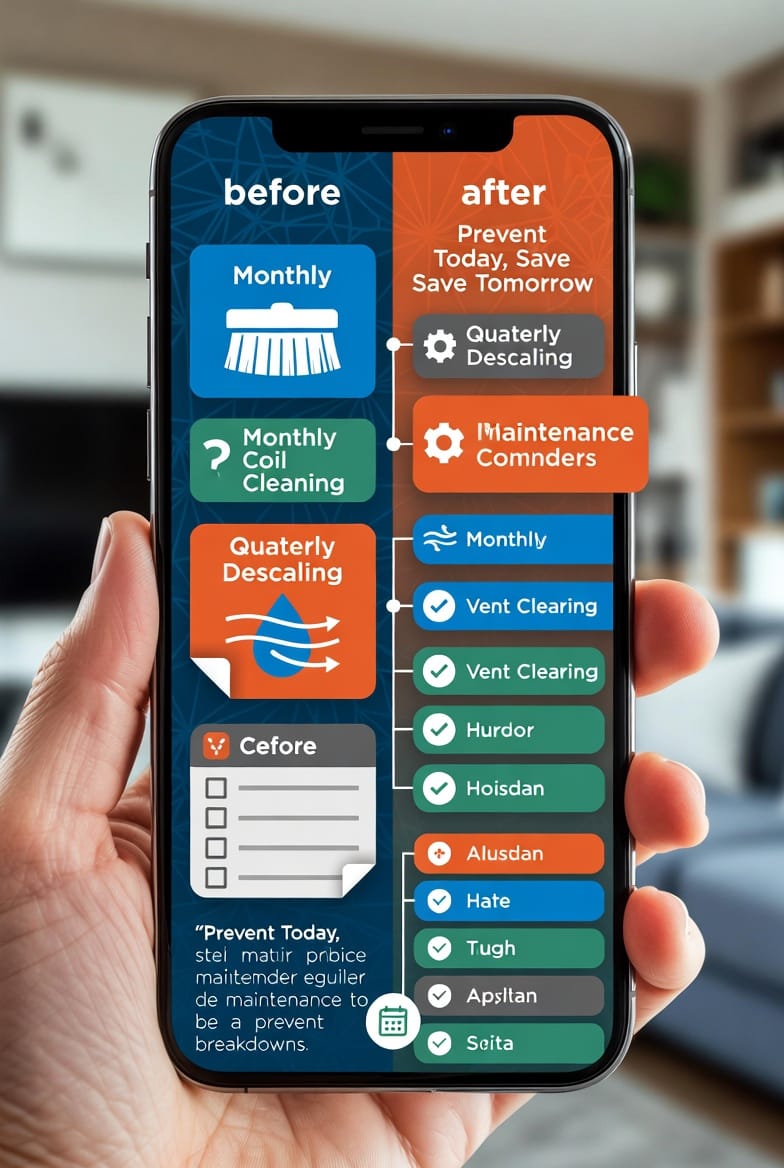
To make this actionable, build a custom maintenance calendar. Start with:
- Monthly Tasks: Filter checks, surface wipes.
- Quarterly Duties: Coil cleaning, descaling cycles.
- Annual Overhauls: Vent clearing, professional inspections.
Use digital tools like Google Calendar for reminders. This systematic approach turns maintenance from a chore into a habit, reassuring you that your appliances are protected.
The Financial Impact: Why Maintenance Matters
Neglecting these tasks can lead to premature appliance failure, with replacement costs soaring: $800 for a fridge, $600 for a washer. Conversely, preventative care extends life and efficiency, yielding long-term savings. Studies show maintained appliances use 10-20% less energy, translating to lower utility bills.
Moreover, well-cared-for machines retain value if you sell your home. It's not just about avoidance—it's about optimization.
Common Myths Debunked
- Myth: Appliances are 'set it and forget it.' Reality: Regular care is essential.
- Myth: Professional service is always needed. Reality: DIY tasks handle most prevention.
- Myth: Newer models don't need maintenance. Reality: All benefit from upkeep.
Armed with facts, you're empowered to act.
Eco-Friendly Angle: Sustainable Appliance Care
Maintenance isn't just cost-effective—it's green. Efficient appliances reduce energy consumption, lowering your carbon footprint. Descaling with natural vinegar minimizes chemical use, aligning with eco-conscious living.
When to Call the Pros
While DIY is great, some issues require expertise. If you notice unusual noises, leaks, or inefficiency despite maintenance, don't hesitate. Professional intervention can catch problems early.
In conclusion, a little care prevents costly repairs. By following this room-by-room guide, you'll extend the life of every major appliance with confidence.
Prevent Expensive Fixes – Call for Reliable Appliance Care!