The Lightning Protection Connection: Why Large, Historic Trees Need Lightning Rods Too
In the world of tree care and preservation, large and historic trees stand as silent sentinels of our landscapes, offering shade, beauty, and a connection to the past. However, these irreplaceable specimens face significant threats from nature's fury, particularly lightning strikes. While many homeowners and property managers consider tree removal as a last resort after storm damage, there's a proactive approach that extends far beyond removal: lightning protection systems. These innovative solutions, involving copper cables and ground rods, can safeguard your legacy trees from catastrophic splitting and destruction. In this comprehensive guide, we'll explore how these systems work, why they're essential for historic trees, and when to consider installing them. With a reassuring blend of expertise and practical advice, you'll learn how to protect your trees effectively, ensuring they thrive for generations.
Install Lightning Protection Before the Next Storm – Call Today
Understanding the Threat: Lightning's Impact on Trees
Lightning strikes are more common than you might think, with millions occurring worldwide each year. For large trees, especially those towering in open fields or historic sites, the risk is amplified. A single strike can deliver billions of volts, causing explosive damage as the tree's internal moisture superheats and vaporizes. This often results in catastrophic splitting, where the trunk shatters, branches fall, and the tree's structural integrity is compromised beyond repair.
But here's the good news: preservation strategies like lightning protection can prevent this devastation. Instead of facing the heartbreak of emergency tree removal after a storm, investing in protection maintains the tree's health and historical value. Historic trees, such as ancient oaks or maples in parks and estates, aren't just plants—they're living landmarks. Losing them to lightning not only erases natural beauty but also cultural heritage.
Consider the statistics: According to arboricultural studies, trees over 50 feet tall in exposed areas are prime targets. Without protection, a strike can lead to:
- Immediate structural failure: Bark peeling away in strips, exposing the cambium layer.
- Secondary infections: Open wounds inviting pests and diseases.
- Long-term decline: Even if the tree survives, weakened roots and branches may necessitate removal years later.
By shifting focus from reactive removal to proactive preservation, lightning protection offers a reliable shield, blending modern technology with respect for nature.
How Lightning Protection Systems Work
At the heart of tree lightning protection is a system designed to intercept and safely redirect electrical current. Unlike myths suggesting trees "attract" lightning, these systems don't invite strikes—they manage them when they occur. The core components include copper cables, air terminals (often called lightning rods), and ground rods, all installed with minimal impact on the tree's aesthetics and health.
Here's a step-by-step breakdown of how it functions:
- Interception: Air terminals are strategically placed at the tree's highest points, such as the crown or major branches. These pointed rods provide a preferred path for lightning, drawing the strike away from the tree's conductive tissues.
- Conduction: Once intercepted, the current travels along high-conductivity copper cables discreetly fastened along the trunk and major limbs. These cables are flexible and tree-friendly, allowing for natural growth without constriction.
- Grounding: The energy is then channeled into the earth via multiple ground rods driven deep into the soil around the tree's base. This dissipates the charge harmlessly, bypassing the tree entirely and preventing internal damage.
This process is grounded in principles from the National Fire Protection Association (NFPA) standards, adapted for arboreal applications. Professional installation ensures the system integrates seamlessly, often invisible from a distance. For historic trees, certified arborists use techniques that preserve bark integrity, avoiding unnecessary drilling or cabling that could harm the specimen.
The result? A tree that withstands strikes without the explosive splitting that leads to hazardous tree removal. Studies from tree care associations show protected trees have a survival rate over 95% post-strike, compared to unprotected ones facing up to 50% mortality.
When to Recommend Lightning Protection for Your Trees
Not every tree needs a lightning rod, but for large, historic specimens, it's often a wise investment. Recommendations hinge on several factors, evaluated by a professional arborist during a site assessment. If your tree matches these criteria, protection could be the key to its longevity:
- Height and Prominence: Trees exceeding 40-50 feet, especially isolated in open areas like fields or hilltops, are natural lightning magnets. Their elevation makes them vulnerable, increasing the need for safeguards.
- Historic or Sentimental Value: Irreplaceable trees—those centuries old, linked to historical events, or family heirlooms—deserve extra care. Preservation here isn't just practical; it's about legacy.
- Location and Exposure: In regions prone to thunderstorms, such as the Midwest or Southeast U.S., trees near structures or in lightning hotspots benefit most. Urban trees near power lines may require coordinated protection to avoid collateral damage.
- Previous Damage or Risk Signs: Trees with past storm scars, like bark furrows from minor strikes, signal urgency. Soil type also matters—conductive soils enhance grounding efficiency.
If you're unsure, a quick consultation can clarify. Lightning protection isn't a DIY project; it requires expertise to ensure compliance with safety codes and tree health standards. Costs vary but typically range from $500 to $2,000 per tree, a fraction compared to removal and replacement.
Benefits of Preservation Over Removal
Shifting from tree removal to preservation via lightning protection yields multifaceted benefits. Environmentally, it sustains biodiversity—mature trees support wildlife, improve air quality, and combat climate change by sequestering carbon. Economically, protected trees enhance property values; studies indicate homes with mature landscapes sell for 5-20% more.
Aesthetically, these systems maintain the tree's natural form. Discreet installations ensure your historic oak or elm remains a focal point without visible clutter. Moreover, in communities, preserving landmark trees fosters a sense of place and history, avoiding the void left by removal.
Real-world examples abound: In historic estates like Mount Vernon, lightning protection has saved George Washington's original plantings. Similarly, urban parks use these systems to protect veteran trees from city storms, extending their lifespans by decades.
Installation Process: What to Expect
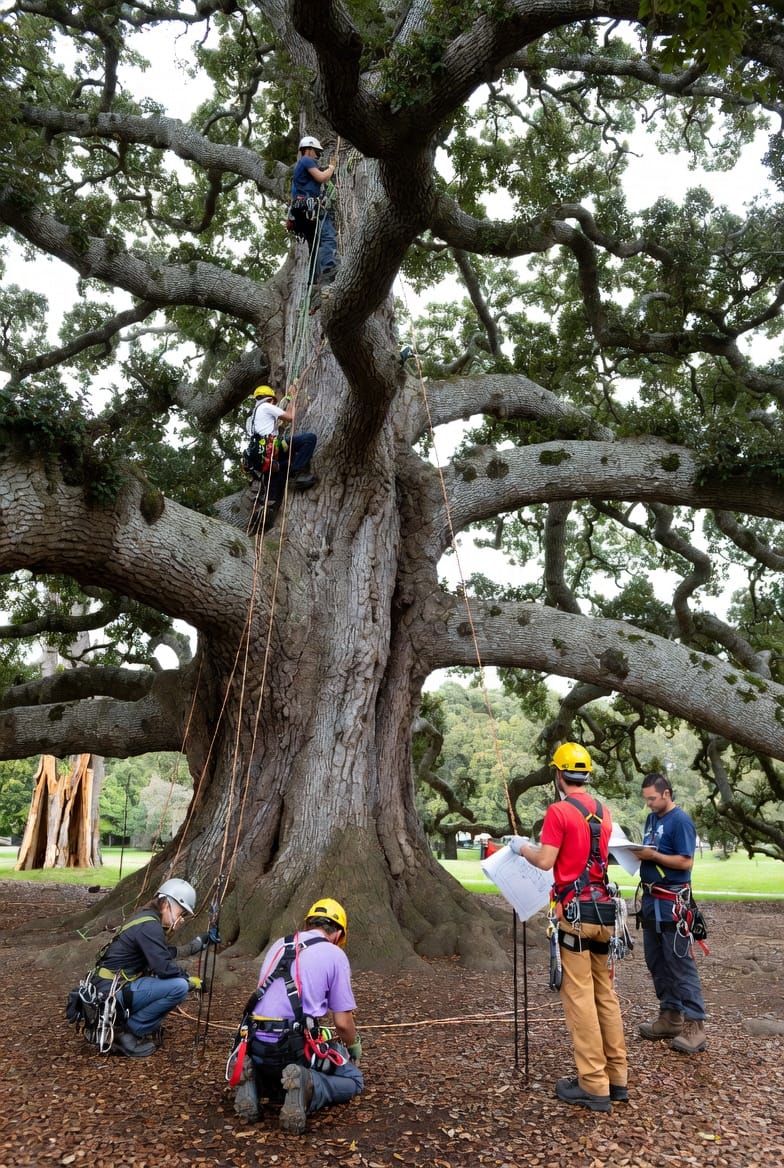
Installing a lightning protection system is a meticulous process handled by certified professionals. It begins with a thorough tree evaluation, including health checks and risk assessments. Arborists then design a custom setup, selecting cable gauges and rod placements based on tree size and soil conditions.
The actual installation involves:
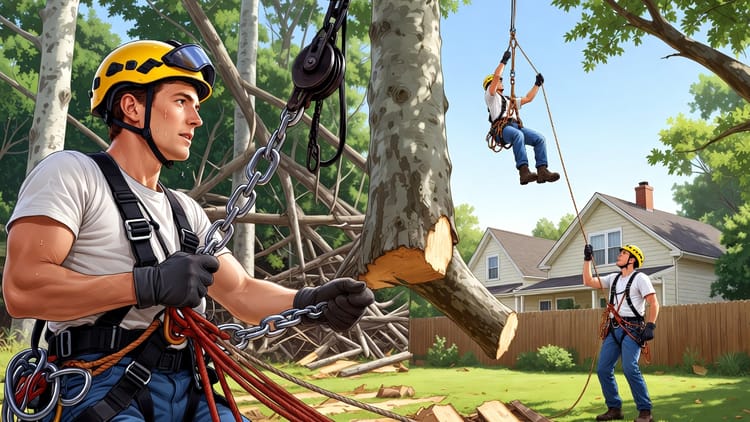
- Climbing and Placement: Using ropes and harnesses, technicians affix air terminals to high branches without damaging cambium.
- Cabling: Copper strands are woven along the trunk, secured with non-invasive fasteners that allow for expansion.
- Grounding: Rods are driven 8-10 feet deep, connected via buried conductors to form a low-resistance path.
Post-installation, annual inspections ensure efficacy, adjusting for growth. This ongoing care reinforces the system's reliability, providing peace of mind during storm seasons.
Common Myths Debunked
Misconceptions can deter tree owners from protection. Let's address a few authoritatively:
- Myth: Lightning rods attract strikes. Reality: They provide a safe path if a strike occurs, not an invitation.
- Myth: Protection harms the tree. Fact: Proper installation by experts minimizes impact, often improving overall health monitoring.
- Myth: It's only for buildings. Truth: Adapted systems for trees are proven effective, with standards from the Lightning Protection Institute.
By dispelling these, we empower informed decisions toward preservation.
Case Studies: Success Stories in Tree Preservation
To illustrate, consider a 200-year-old oak in a Midwest farmstead. After a near-miss strike caused minor splitting, owners installed protection. Subsequent storms saw the system divert multiple hits, saving the tree from removal and preserving family heritage.
In coastal Florida, a historic banyan tree in a public garden faced frequent thunderstorms. Lightning rods prevented catastrophic damage, allowing it to continue as a community icon. These stories highlight how protection turns potential loss into enduring success.
Maintenance and Long-Term Care
Once installed, lightning protection requires minimal but essential maintenance. Annual visual checks for cable integrity and ground connections suffice, often bundled with general tree care. In high-risk areas, soil testing ensures optimal conductivity.
Integrating this with pruning and fertilization creates a holistic preservation plan, reducing overall risks and extending tree life.
Environmental and Ethical Considerations
Preserving historic trees aligns with sustainable practices. By avoiding removal, we reduce carbon emissions from decomposition and heavy equipment. Ethically, it honors the tree's role in ecosystems, supporting birds, insects, and soil health.
For property managers, it's a responsible choice, enhancing resilience against climate-driven storm increases.
Conclusion: Safeguard Your Natural Heritage
In summary, lightning protection systems offer a vital bridge from threat to tranquility for large, historic trees. By conducting current safely via copper cables and ground rods, they prevent the splitting that often leads to removal, preserving these treasures when recommended for tall, exposed, or valuable specimens.
Safeguard Your Majestic Oaks & Elms – Call for Expert Protection