The Ice and Water Shield Imperative: Protecting the Vulnerable Edges of Your Roof from Wind-Driven Rain
When homeowners think about roof replacement or repair, the focus usually lands on the shingles—the color, style, and curb appeal. Yet the true strength of any roof lies in what you don’t see: the layers beneath that quietly defend against water intrusion. Among these, the self-adhering ice and water protection membrane (commonly called ice and water shield) stands out as one of the most effective and essential weatherproofing components available today.
Get Your Roof Protected Today – Call Now!
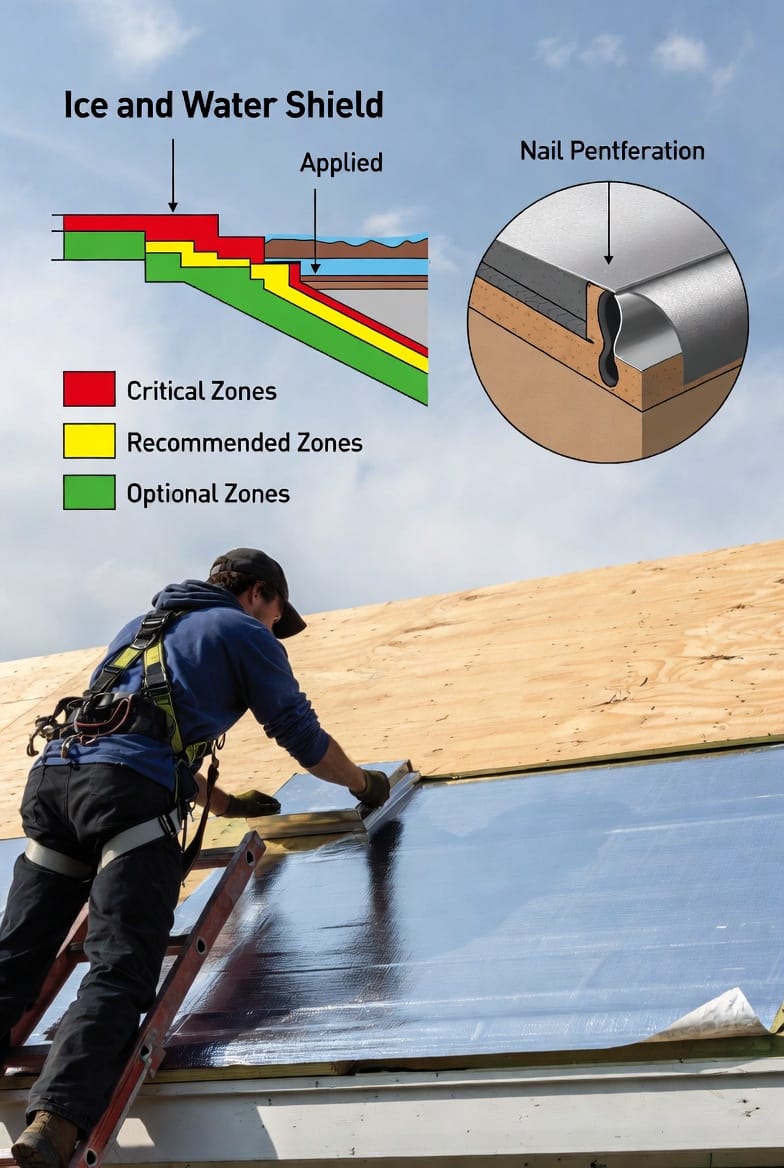
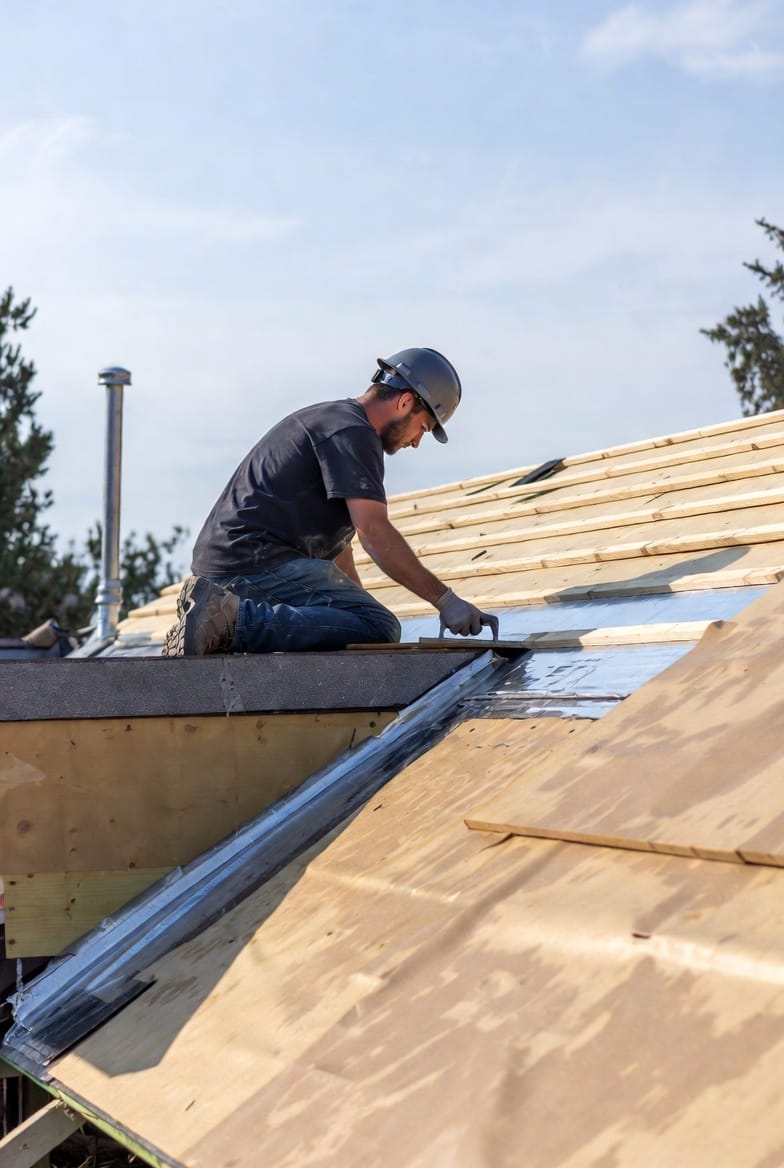
This peel-and-stick underlayment creates a permanent, waterproof bond directly to the roof deck. It serves as a reliable secondary barrier precisely where shingles are most vulnerable—eaves, valleys, and penetrations—during ice dams in winter or wind-driven rain in severe storms. Skipping or skimping on this layer in high-risk zones often leads to the most expensive and frustrating types of roof failures: slow interior leaks, rotted sheathing, mold, and damaged ceilings.
What Is Self-Adhering Ice and Water Shield?
Ice and water shield is a roll-form, flexible sheet typically 36 inches wide, designed specifically for roofing applications. Its construction includes:
- A thick, rubberized adhesive layer (polymer-modified bitumen) on the bottom that bonds aggressively to clean plywood or OSB decking once the silicone release paper is removed.
- A durable top surface—either smooth polymer film or granule-embedded for better traction and temporary UV resistance during installation.
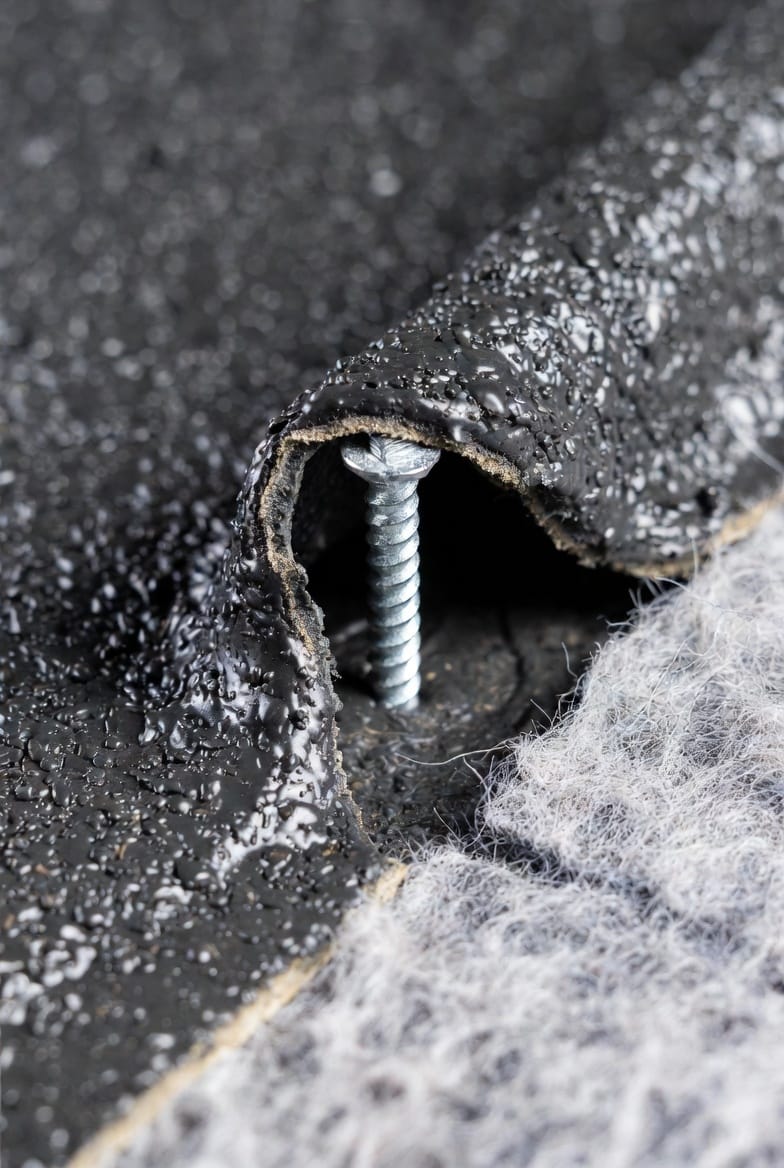
- Self-sealing properties that allow the material to grip and close around nails, screws, or other penetrations, preventing water from tracking along fasteners.
Unlike traditional #15 or #30 felt paper—which is loose-laid, can shift, tear, or allow water to migrate beneath it—this membrane fuses permanently to the deck. That bond is what makes it dramatically more effective when primary roofing materials are compromised.
High-quality versions remain flexible down to very low temperatures, resist flow in hot weather, and maintain adhesion for decades under normal roof conditions.
Why Building Codes Mandate It in Critical Zones
Most U.S. building codes (based on the International Residential Code with local amendments) require self-adhering ice barriers in specific high-risk areas. These mandates exist because decades of damage claims show that leaks from ice dams and wind-driven rain almost always start in the same predictable spots.
- Eaves
The overhangs at the roof’s lowest edges are the #1 priority in cold climates. Codes typically require the membrane to start at the drip edge and extend upslope at least 24 inches inside the exterior wall line (some regions demand 36 inches or two full courses).
Reason: Attic heat melts snow on the warmer upper roof; water runs down, refreezes at the colder eave, forming an ice dam that backs water uphill under shingles. Without a sealed barrier, the deck becomes saturated quickly. - Valleys
Where two roof slopes meet, water volume and speed increase significantly. Codes require full membrane coverage here to stop concentrated runoff from penetrating even small shingle gaps or wind-lifted edges. - Penetrations & Transitions
Around chimneys, vents, skylights, dormers, and roof-to-wall junctions, flashing is important—but flashing can develop tiny gaps over time. Self-adhering membrane installed beneath step flashing and counter-flashing creates a continuous, forgiving seal at these interruption points.
These are not optional upgrades in code-enforced areas; they are minimum requirements designed to prevent the most common and costly roof-related failures.

How It Provides a True Secondary Waterproof Barrier
Shingles rely on overlapping design and gravity to shed water under ordinary conditions. Extreme weather frequently defeats that system.
Ice dam conditions
Water pools behind the ice ridge and forces its way under shingles through any available path—wind-lifted tabs, starter-strip gaps, exposed nail heads. Traditional felt underlayment offers little resistance once breached; water can travel laterally across the deck for long distances. Ice and water shield stops this completely: its full adhesion prevents side-to-side migration, and its self-sealing nature closes around every fastener. Water stays on top of the membrane and is redirected to the gutters.
Wind-driven rain & hurricanes
High winds (80+ mph) push rain horizontally under shingle edges. Valleys become pressurized channels, and eaves experience uplift that can dislodge starter courses. Even if shingles are torn away, the bonded membrane remains in place, refusing to let water pass through punctures or seams.
Smart Installation & Long-Term Benefits
Proper installation is critical for performance:
- Deck must be clean, dry, and free of debris.
- Apply in suitable temperatures (usually above 40°F; some products allow lower with primer).
- Start at eaves, maintain generous overlaps (typically 3–6 inches), and roll firmly to eliminate air pockets.
- Integrate carefully with drip edge, valley metal, and flashing.
Many professionals now recommend full-deck coverage in storm-prone or mixed-climate regions for maximum protection—especially on complex roofs or low-pitch designs.
Benefits include:
- Prevention of deck rot and structural damage
- Reduced mold risk from hidden moisture
- Better energy efficiency (less wet insulation)
- Improved insurability and resale value
Don’t Overlook the Hidden Defender
A great-looking roof can still hide serious vulnerabilities if the underlayment is inadequate in the wrong places. The ice and water shield is a relatively small investment that delivers enormous protection against the weather events most likely to cause major damage.
Demand the hidden details that prevent leaks.
Ensure your roof includes proper membrane protection.
Call today for a professional consultation and make sure your home is truly weather-ready.