The Homeowner's Guide to Water Efficiency: Upgrades That Save Money and Resources
In today's world, where water conservation is more critical than ever, homeowners are increasingly seeking ways to reduce their environmental footprint while cutting down on utility bills. This comprehensive guide explores practical upgrades for water efficiency that not only preserve precious resources but also deliver impressive return on investment (ROI). From high-efficiency toilets to low-flow fixtures, tankless water heaters, and smart leak detection systems, we'll delve into how these innovations can transform your home. Whether you're a first-time homeowner or a seasoned property manager, these upgrades offer long-term savings and peace of mind.
Upgrade to Water-Efficient Plumbing – Schedule Your Free Consultation
Understanding the Importance of Water Efficiency
Water is a finite resource, and with growing populations and climate challenges, efficient use is essential. According to environmental experts, the average American household uses about 300 gallons of water per day, with much of it wasted through outdated plumbing. By adopting water-efficient upgrades, you can slash your consumption by up to 30-50%, leading to lower bills and a smaller carbon footprint.
Why focus on ROI? These investments aren't just eco-friendly—they pay for themselves over time. For instance, the initial cost of a high-efficiency toilet might be $200-400, but it can save thousands in water bills over its lifespan. Let's break down the key upgrades, their benefits, and how to calculate your potential savings.
High-Efficiency Toilets: Flushing Away Waste
High-efficiency toilets (HETs) are a game-changer for any bathroom. Unlike traditional models that guzzle 3.5-7 gallons per flush (GPF), HETs use just 1.28 GPF or less, certified by the EPA's WaterSense program. This reduction can save a family of four up to 13,000 gallons annually.
- Key Benefits: Reduced water usage without sacrificing performance; dual-flush options for liquid and solid waste; quieter operation.
- Installation Considerations: Easy retrofit for most homes; professional plumbers ensure proper sealing to avoid leaks.
- ROI Breakdown: At an average water rate of $0.005 per gallon, annual savings could reach $65. Over 10 years, that's $650—often exceeding the toilet's cost in under five years.
Homeowners often report noticing the difference immediately, with lower water bills and a sense of contributing to sustainability. If you're remodeling, pair HETs with other fixtures for maximum impact.
Low-Flow Fixtures: Small Changes, Big Savings
Moving beyond toilets, low-flow fixtures like showerheads, faucets, and aerators are simple yet effective upgrades. These devices restrict flow without compromising pressure, thanks to innovative designs that mix air with water.
- Showerheads: Standard models use 2.5 gallons per minute (GPM); low-flow versions drop to 1.5-2 GPM, saving 2,700 gallons per person yearly.
- Faucets: Kitchen and bathroom taps can be fitted with aerators reducing flow to 1.5 GPM, cutting usage by 30%.
- Risks to Avoid: Opt for WaterSense-labeled products to ensure quality; poor-quality fixtures might lead to drips, but reputable brands minimize this.
The beauty of low-flow fixtures lies in their affordability—often under $50 per item—and quick installation. For ROI, consider a household spending $200 on upgrades: With savings of $100-150 annually on water and heating costs, payback occurs in 1-2 years. Plus, they enhance your home's resale value by appealing to eco-conscious buyers.
Tankless Water Heaters: On-Demand Hot Water Revolution
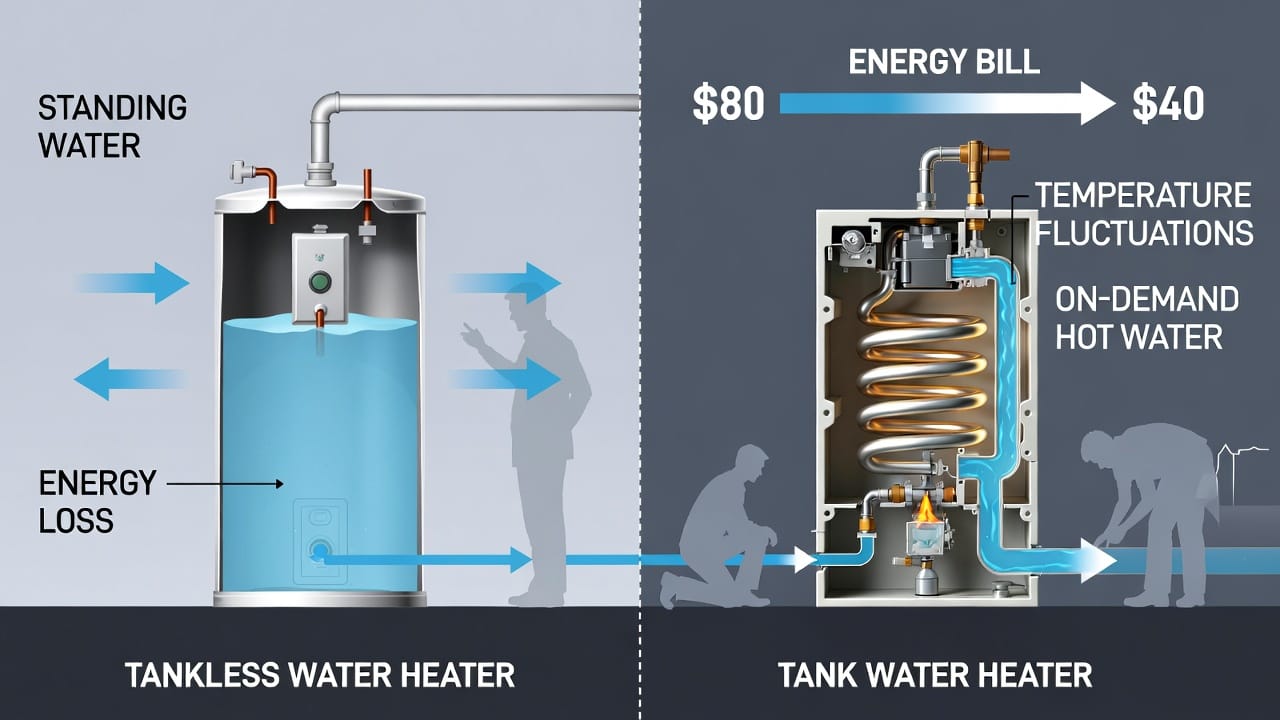
Traditional water heaters store and constantly reheat large tanks of water, leading to energy loss through "standby heat." Enter tankless water heaters, also known as on-demand systems, which heat water only when needed. These compact units can be gas or electric and provide endless hot water.
- How They Work: Water flows through a heat exchanger, warming instantly—no tank means no storage losses.
- Advantages: Up to 34% more energy-efficient for homes using 41 gallons or less daily; longer lifespan (20+ years vs. 10-15 for tanks).
- Potential Drawbacks and Mitigations: Higher upfront cost ($1,000-3,000 installed), but rebates from utilities often offset this. Ensure proper sizing by a professional to avoid underperformance.
Focusing on ROI, the U.S. Department of Energy estimates savings of $100-200 per year on energy bills. For a $2,000 investment, ROI hits 100% in 10-20 years, with even faster returns in high-usage homes. Tankless systems also reduce greenhouse gas emissions, aligning with green living goals.
Smart Leak Detection Systems: Preventing Costly Disasters
Undetected leaks waste over 1 trillion gallons of water annually in the U.S., per EPA data. Smart leak detection systems use sensors, Wi-Fi connectivity, and apps to monitor your plumbing in real-time, alerting you to issues before they escalate.
- Core Features: Flow sensors detect unusual usage; automatic shut-off valves prevent floods; integration with smart home ecosystems like Alexa or Google Home.
- Installation Tips: Place sensors near appliances, toilets, and pipes; DIY options exist, but pros handle complex setups.
- Risk Management: False alarms are rare with advanced models; regular maintenance ensures accuracy.
The ROI here is preventive: A single leak can cost $1,000+ in repairs and wasted water. Systems priced at $200-500 can pay for themselves by averting one major incident. Annual savings from early detection average $50-100, plus insurance discounts for smart tech.
Calculating Your Overall ROI on Water Upgrades
To maximize returns, combine these upgrades. For a typical family of four:
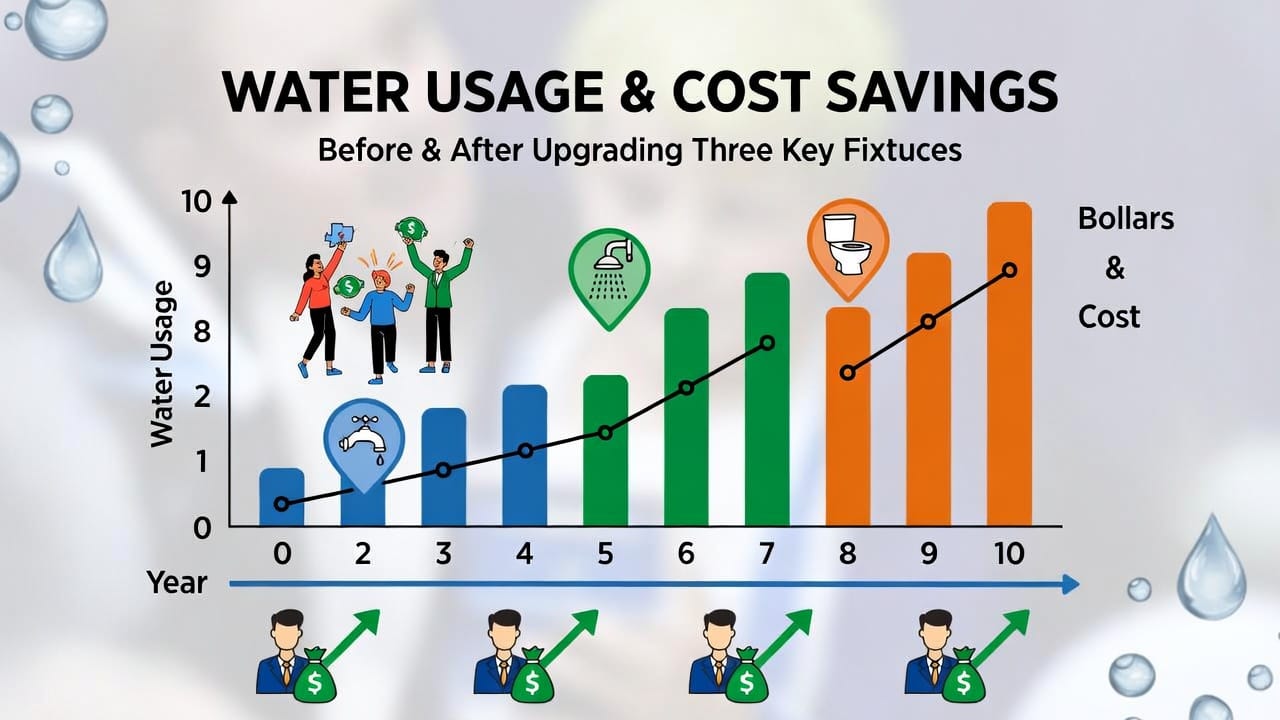
- Baseline Usage: 110,000 gallons/year at $600 in bills.
- Post-Upgrades: Reduce to 70,000 gallons/year, saving $240 annually.
- Total Investment: $2,500 (toilet, fixtures, heater, detectors).
- Break-Even Point: 10 years, with net savings of $2,400 thereafter.
Use online calculators from sites like Energy Star to personalize estimates. Factors like local water rates and household size influence ROI, but the trend is clear: Efficiency pays off.
Environmental and Lifestyle Benefits
Beyond finances, these upgrades promote sustainability. Conserving water reduces strain on municipal systems and protects ecosystems. Homeowners enjoy modern aesthetics, like sleek fixtures, and the reassurance of smart tech guarding against surprises.
Common myths? Some worry about reduced performance, but modern designs deliver robust flow. Always choose certified products for reliability.
Implementing Upgrades: Step-by-Step Guide
Ready to start? Follow this authoritative plan:
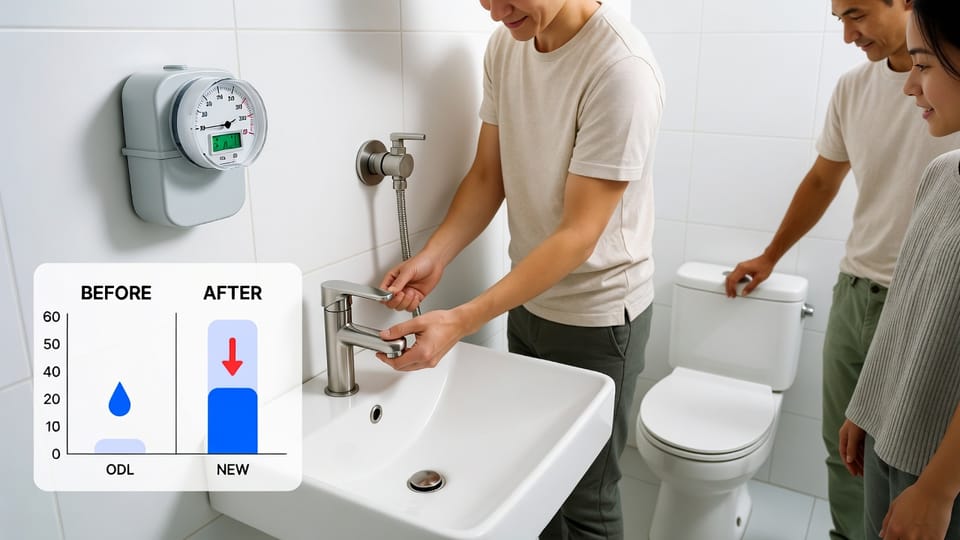
- Assess Your Home: Audit current usage with a water meter check.
- Prioritize Upgrades: Begin with high-impact items like toilets and showerheads.
- Seek Professional Help: Licensed plumbers ensure compliance and warranties.
- Monitor Progress: Track bills post-installation to verify savings.
- Explore Incentives: Look for rebates via utilities or government programs.
With these steps, you'll achieve optimal water efficiency confidently.
In conclusion, investing in high-efficiency toilets, low-flow fixtures, tankless water heaters, and smart leak detection systems is a smart move for any homeowner. The ROI is compelling, with savings compounding over time. Embrace these changes for a greener, more cost-effective home.
Maximize ROI on Water-Saving Upgrades – Call Our Experts