The Hidden Economics of Debris: How Landfill Tipping Fees Influence Dumpster Rental Costs
In the world of waste management, understanding the financial undercurrents can transform how you approach your next renovation, cleanup, or construction project. As a trusted provider in the dumpster rental industry, we're here to demystify the often-overlooked aspects of debris disposal. This article dives deep into the economics of waste streams, focusing on landfill tipping fees—a pivotal factor that directly shapes the cost of renting a dumpster. By grasping these concepts, you'll make informed decisions, avoid unexpected charges, and contribute to more sustainable practices. Rest assured, transparency is at the heart of our service, empowering you to budget effectively and minimize environmental impact.
Get Transparent Dumpster Pricing Today – Call Now!
What Are Landfill Tipping Fees?
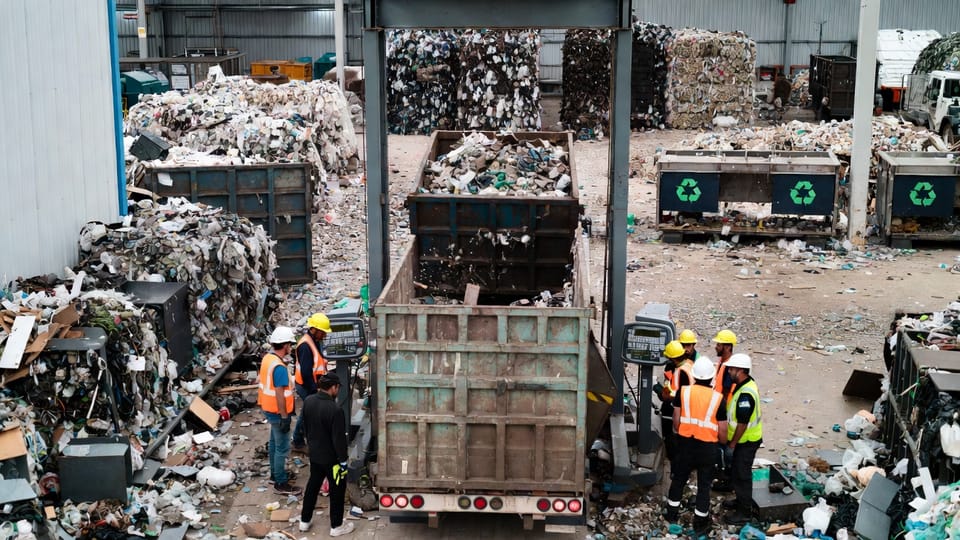
At its core, a tipping fee is the charge imposed by landfills or transfer stations for accepting and processing waste. Think of it as the "entry fee" for your debris to enter the disposal system. These fees are calculated per ton or sometimes per cubic yard, reflecting the operational costs of managing waste safely and compliantly.
Tipping fees aren't arbitrary; they're influenced by a myriad of factors, including regulatory requirements, environmental protections, and market dynamics. For instance, landfills must cover expenses like site maintenance, leachate treatment, and methane capture systems to prevent pollution. As a result, these fees form a substantial portion of your overall dumpster rental costs, often accounting for 30-50% of the total bill depending on the project scale.
Why does this matter to you? When you rent a dumpster, the rental company handles the hauling and disposal, passing on these fees transparently. Understanding them helps you anticipate expenses and plan accordingly, ensuring your project stays on track without financial surprises.
How Tipping Fees Vary by Material Type
Not all debris is created equal in the eyes of a landfill. Tipping fees fluctuate significantly based on the type of material you're disposing of, encouraging smarter sorting and recycling habits. Let's break this down:
- Clean Wood and Yard Waste: These lighter, organic materials often incur lower fees—typically $20-50 per ton—because they're easier to process and can be mulched or composted. This makes them ideal for separate disposal, reducing overall costs.
- Mixed Construction Debris: Items like drywall, insulation, and miscellaneous building scraps fall into this category, with fees ranging from $50-100 per ton. The variability comes from the need for sorting and potential contaminants, which increase handling efforts.
- Heavy Materials like Concrete or Dirt: Expect higher charges here, often $80-150 per ton or more, due to their density and the strain they place on landfill space. These materials compact quickly, filling up sites faster and necessitating more frequent expansions.
By separating your waste—such as pulling out recyclables like metal or cardboard—you can lower the effective tipping fee per load. This practice not only saves money but also aligns with eco-friendly principles, diverting reusable items from landfills.
Regional Variations in Tipping Fees
Geography plays a starring role in the economics of debris. Tipping fees can differ dramatically from one locality to another, influenced by local regulations, population density, and available landfill capacity.
- In urban areas like New York City or Los Angeles, fees might soar to $100-200 per ton due to limited space and stringent environmental laws. High demand for disposal sites drives up costs, reflecting the premium on urban land.
- Rural regions, such as parts of the Midwest or Southern states, often see more affordable rates—$30-70 per ton—thanks to abundant space and fewer regulatory hurdles. However, transportation distances can add indirect costs.
- State-specific policies add another layer: For example, states like California emphasize recycling mandates, which can subsidize lower fees for sorted loads while penalizing unsorted ones with surcharges.
These variations underscore why dumpster rental pricing isn't one-size-fits-all. A reputable provider will factor in your location's specifics, offering tailored quotes that account for local tipping structures. This transparency builds trust and helps you compare options wisely.

The Role of Tipping Fees in Dumpster Rental Pricing
When you receive a quote for a dumpster rental, it's more than just the container's price tag. Tipping fees are a major driver, seamlessly integrated into the overall structure. Here's how it typically breaks down:
- Equipment Costs: This covers the dumpster itself, including delivery and pickup. It's a fixed fee, usually 20-30% of the total.
- Transportation Expenses: Fuel, labor, and vehicle maintenance for hauling your load to the disposal site add another 15-25%.
- Disposal Fees (Tipping): As the heavyweight, this can be 40-60%, directly tied to the weight and type of your debris.
- Profit and Overhead: A modest 10-20% ensures the business sustainability, including insurance and administrative costs.
Understanding this pie helps you see why weight limits exist. Most rentals include a base tonnage allowance—say, 2-4 tons—with overage fees kicking in at $50-100 per additional ton. Exceeding limits isn't just costly; it can strain the rental company's operations. By estimating your debris volume accurately (tools like online calculators can help), you stay within bounds and keep costs predictable.
Moreover, transparent providers like ours disclose these components upfront, avoiding hidden surprises. This approach fosters long-term relationships, as informed customers are empowered ones.
Promoting Transparency Through Weight Limits
Weight limits aren't punitive; they're protective. They ensure safe transportation and fair pricing, directly linked to tipping fees. Overloading a dumpster risks fines, damage, or even accidents—issues no one wants.
To navigate this:
- Assess Your Project: For a home remodel, calculate debris from demo phases. Kitchen gut-outs might yield 1-2 tons, while roofing could double that.
- Sort Strategically: Separate high-fee items early. Recycle metals for free or low-cost offsets.
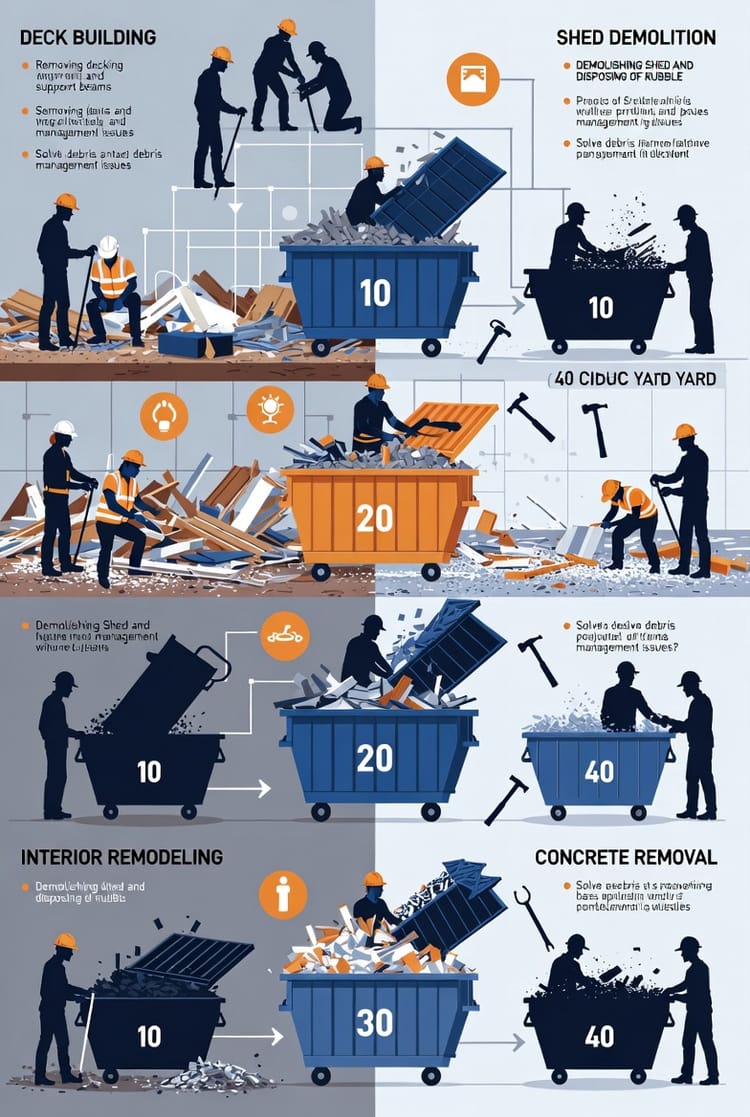
- Choose the Right Size: Opt for a 20-yard dumpster for medium projects to avoid multiple hauls, balancing capacity with weight constraints.
Our team offers expert guidance here, drawing from years of experience to recommend setups that minimize tipping impacts. It's all about efficiency—turning potential pitfalls into smooth operations.
Strategies to Minimize Tipping Fee Impacts
Empowering yourself with knowledge is key, but actionable strategies take it further. Here's how to optimize your dumpster rental experience:
- Recycle and Donate: Many materials like appliances or furniture can be diverted, reducing your load's weight and fees.
- Compact Wisely: Break down bulky items to maximize space without exceeding weight.
- Schedule Smartly: Time your rental during off-peak periods if possible, potentially accessing lower local fees.
- Partner with Experts: Choose providers who audit loads for compliance, ensuring you're not overpaying for misclassified debris.
These steps not only cut costs but also support broader economic benefits, like job creation in recycling sectors and reduced landfill dependency.
The Broader Economic Implications of Waste Streams
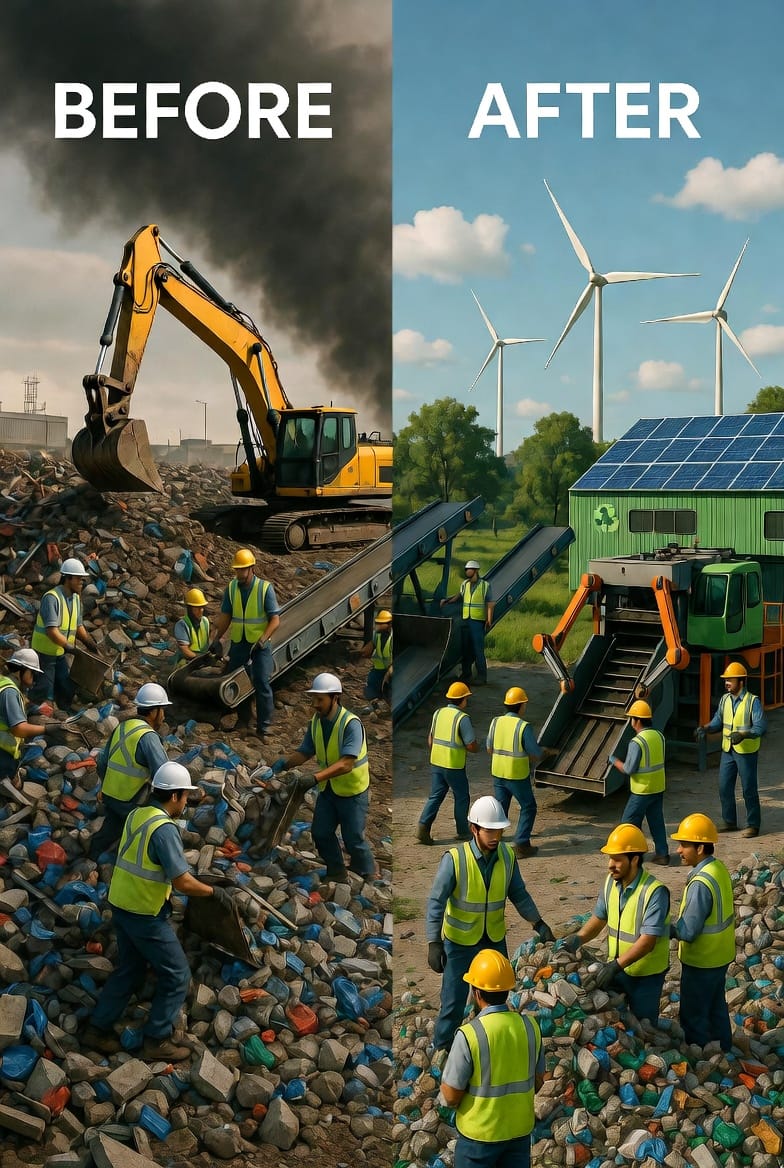
Delving deeper, waste-stream economics reveal interconnected systems. Tipping fees fund innovations like waste-to-energy plants, which convert debris into power, offsetting fossil fuel reliance. In regions with high fees, this drives recycling rates up to 50-70%, boosting local economies through material recovery industries.
For businesses and homeowners alike, ignoring these dynamics can lead to inflated project budgets. Conversely, embracing them promotes sustainability—reducing greenhouse gases and conserving resources. It's a win-win: lower personal costs and a healthier planet.
Consider the ripple effects: Lower tipping through better practices eases pressure on municipal budgets, potentially stabilizing taxes. In construction, efficient waste handling can shave 5-10% off total costs, enhancing profitability.
Case Studies in Tipping Fee Management
Real-world examples illustrate these principles. A mid-sized renovation in a high-fee urban area might start with a $500 rental quote, but unsorted debris could add $300 in overages. By separating concrete (high-fee) from wood (low-fee), the client saves $150, redirecting funds elsewhere.
In rural settings, a large cleanup with mixed loads at $40/ton keeps costs under $400 total, but adding recycling drops it to $250. These scenarios highlight how informed choices amplify savings.
Our clients often share success stories, from DIY enthusiasts to contractors, all benefiting from transparent tipping breakdowns.
Future Trends in Debris Economics
Looking ahead, tipping fees are poised to evolve. With global pushes for zero-waste goals, expect incentives for green practices—subsidies for sorted loads or penalties for contaminants. Technology like AI sorting at landfills could streamline processes, potentially lowering base fees.
Regulatory shifts, such as extended producer responsibility laws, might shift some costs upstream to manufacturers, easing end-user burdens. Staying informed positions you to capitalize on these changes.
In summary, mastering the hidden economics of debris equips you for smarter dumpster rentals. It's about more than disposal—it's investing in efficiency and sustainability.
No Surprises on Tipping Fees – Get Your Free Quote Today