The Grub Identification Guide: Recognizing the Enemy Beneath Your Turf Before the Damage Appears
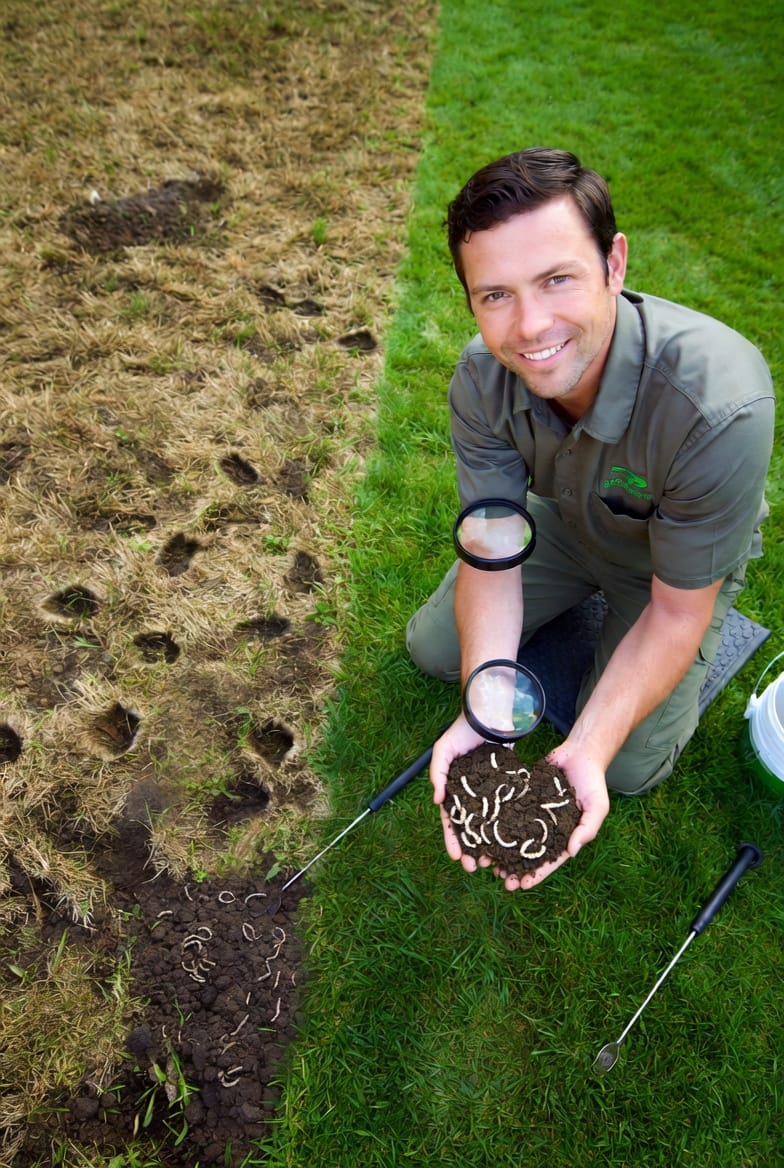
As a homeowner, maintaining a lush, green lawn is a point of pride. But lurking beneath the surface, lawn grubs can silently undermine your efforts, turning vibrant turf into a patchy nightmare. The good news? Early detection is your best defense. In this comprehensive guide, we'll empower you with the knowledge to identify common culprits like the C-shaped white grubs from Japanese beetles and June bugs, assess infestation levels through simple digging techniques, and decide between preventative and curative controls. With proactive steps, you can protect your yard before visible damage emerges—saving time, money, and frustration. Rest assured, armed with this information, you're well-equipped to keep your lawn thriving.
Stop Grubs Before They Ruin Your Lawn – Call Now!
Understanding Lawn Grubs: The Hidden Invaders
Lawn grubs are the larval stage of various beetles, feeding on grass roots and causing widespread damage if left unchecked. These pests thrive in moist, organic-rich soils, making well-maintained lawns an ideal habitat. The key to control lies in grub identification, as not all grubs are equally destructive. By recognizing their distinct features early, you prevent them from maturing into beetles that lay more eggs, perpetuating the cycle.
Common species in North America include those from scarab beetles, but we'll focus on two prevalent ones: Japanese beetle grubs and June bug grubs. These white grubs are notorious for their root-feeding habits, which weaken grass and attract wildlife like raccoons or skunks that dig up your yard in search of a meal. Early intervention is crucial because once the grass starts wilting or turning brown in irregular patches, the damage is already underway.
- Why Early Detection Matters: Spotting grubs before symptoms appear allows for targeted treatments, minimizing chemical use and environmental impact.
- Common Misconceptions: Not all soil-dwelling larvae are harmful; some, like earthworms, benefit your lawn. Accurate identification ensures you address only true threats.
Homeowners often overlook these pests until it's too late, but with regular monitoring, you can stay ahead. Let's dive into the specifics of identifying these enemies.
Identifying Japanese Beetle Grubs
Japanese beetle grubs (Popillia japonica) are among the most destructive lawn pests in the eastern and midwestern United States. Introduced from Asia, they've spread rapidly, affecting millions of lawns annually.
These grubs are easily recognizable by their C-shaped body, creamy white color, and brownish head. Measuring about 1 inch long when mature, they have three pairs of legs near the head and a raster pattern—a unique arrangement of spines and hairs on their underside—that resembles a V-shape. This pattern is a key identifier, distinguishing them from other larvae.
To spot them:
- Dig gently into the top 2-4 inches of soil in suspected areas.
- Look for the classic curled C-position they assume when disturbed.
- Note the size: Young grubs start small (1/4 inch) in late summer, growing larger by fall.
Risks associated with these grubs include severe root damage, leading to thatch buildup and increased susceptibility to drought. If you find even a few, monitor closely, as populations can explode.
In regions with mild winters, these grubs overwinter deep in the soil, emerging in spring to feed again. Early fall detection is ideal, as they're closer to the surface and more vulnerable.
Identifying June Bug Grubs
June bug grubs, also known as May/June beetle larvae (Phyllophaga spp.), are native to North America and prevalent across the continent. They're larger than Japanese beetle grubs, often reaching 1-1.5 inches, with a similar white, C-shaped form but a more robust build.
Key distinguishing features:
- A raster pattern that forms parallel lines, unlike the V of Japanese beetles.
- Darker head capsule and stronger legs for burrowing.
- Tendency to feed deeper in the soil during hot summers.
These grubs have a three-year lifecycle, making infestations persistent if not addressed. They prefer sandy soils and can cause extensive damage to golf courses, pastures, and home lawns.
- Behavioral Clues: June bug adults are nocturnal, buzzing around lights in late spring— a sign to start scouting for eggs.
- Regional Variations: In warmer climates, their cycle shortens, increasing damage potential.
By comparing size, raster patterns, and habitat preferences, you can confidently differentiate these from other pests like European chafer grubs or harmless larvae.
The Grub Lifecycle: Timing Your Defense
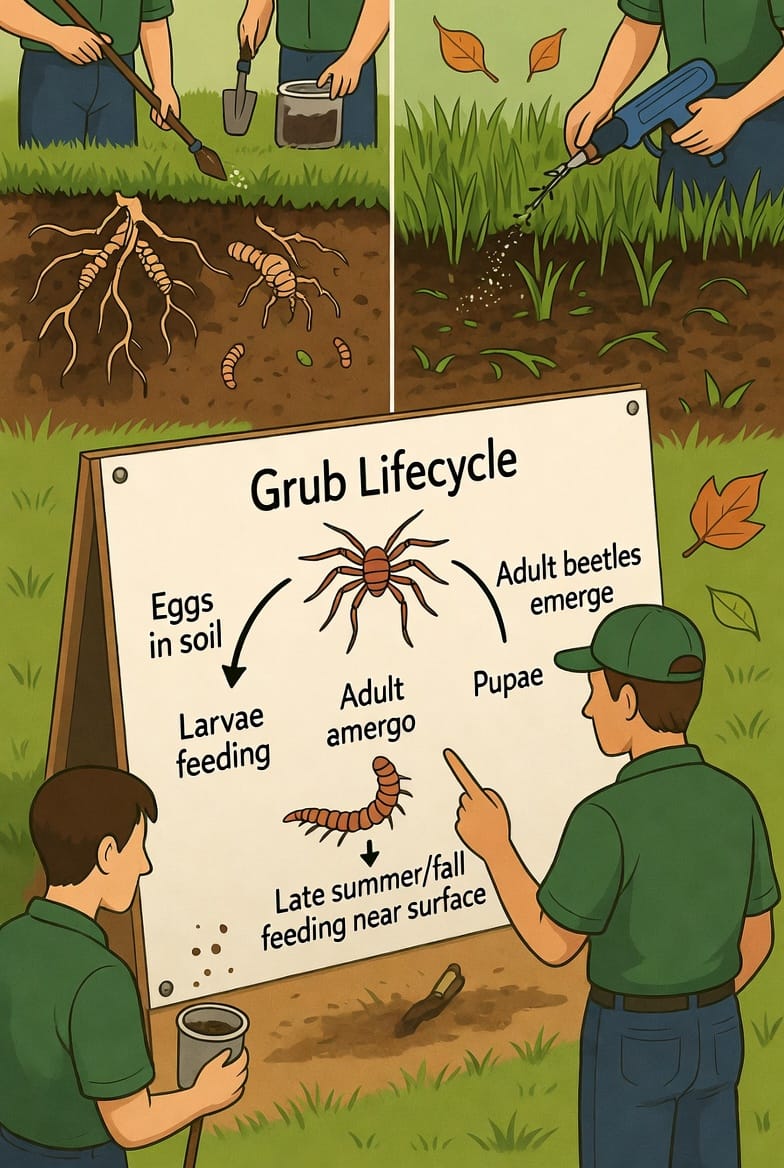
Understanding the grub lifecycle is essential for effective management. Most white grubs follow a similar annual cycle, with variations by species.
- Egg Stage: Adult beetles lay eggs in mid-summer (July-August) in the top inch of soil.
- Larval Stage: Eggs hatch into tiny grubs that begin feeding on roots. By late summer/fall, they're larger and nearer the surface—prime time for detection and treatment.
- Pupal Stage: In late spring, grubs pupate before emerging as adults.
- Adult Stage: Beetles feed on foliage, mate, and restart the cycle.
For Japanese beetles, the cycle is one year, with peak root feeding in fall and spring. June bugs extend to 2-3 years, with grubs feeding intermittently.
Vulnerability peaks in late summer/fall when grubs are small and surface-dwelling. This is when preventative controls shine, as they're easier to target before deep burrowing in winter.
Monitor weather: Wet summers encourage egg-laying, while dry conditions may reduce populations naturally.
Signs of Grub Infestation: What to Watch For
Before digging, look for subtle indicators that grubs are at work. Early signs are often mistaken for drought or disease, but a closer inspection reveals the truth.
- Spongy Turf: Grass feels loose underfoot, as roots are severed.
- Irregular Brown Patches: Starting small, these expand as grubs feed.
- Animal Activity: Raccoons, skunks, or birds digging for grubs— a clear red flag.
- Wilting Grass: Even with watering, turf yellows due to root loss.
These symptoms typically appear in late summer or early fall, but early detection in mid-summer prevents them altogether. If you notice birds pecking excessively, investigate promptly.
In severe cases, entire lawn sections can be rolled up like carpet, exposing the grubs below. Acting early avoids this escalation.
Assessing Infestation Levels: The Square Foot Test
To quantify the threat, perform a simple soil sampling technique. This hands-on method provides concrete data for decision-making.
Here's how:
- Select 5-10 random spots in your yard, focusing on sunny, well-irrigated areas.
- Cut a 1-foot by 1-foot square of turf using a shovel or sod cutter.
- Peel back the sod carefully to expose the soil.
- Count the grubs in the top 4 inches.
- Replace the sod and water well.
Thresholds for action:
- 0-5 grubs per square foot: Low risk—monitor annually.
- 6-10 grubs: Moderate infestation—consider preventative treatments.
- 10+ grubs: High risk—apply curative controls immediately.
This test is quick, cost-free, and empowering. Repeat in multiple areas for accuracy, especially near trees or gardens where beetles congregate.
Preventative Controls: Stopping Grubs Before They Start
Preventative controls are ideal for low-to-moderate risks, applied before hatching to target young grubs.
Options include:
- Biological Agents: Beneficial nematodes or milky spore bacteria—safe, eco-friendly, and long-lasting.
- Insecticides: Products like imidacloprid or halofenozide, applied in mid-summer.
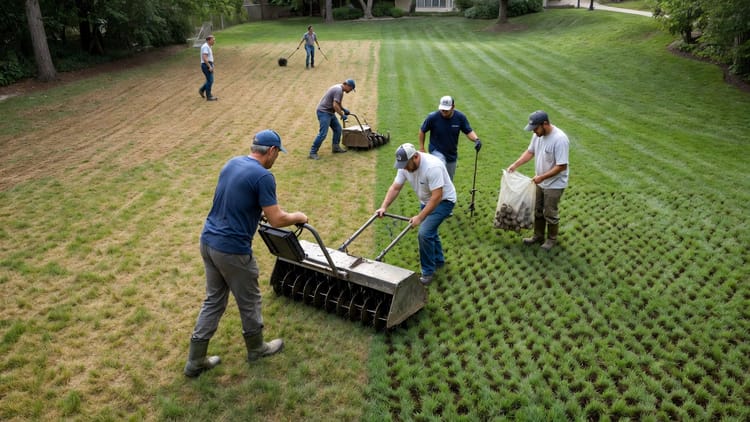
- Cultural Practices: Aerate soil, mow high, and reduce thatch to discourage egg-laying.
Timing is critical: Apply in July-August when eggs are laid. These methods are less disruptive and protect beneficial insects.
For organic lawns, introduce predatory insects or use neem oil derivatives. Consistency over years builds resilience.
Curative Controls: Addressing Active Infestations
When grubs are already feeding, switch to curative controls for rapid knockdown.
- Chemical Treatments: Carbaryl or trichlorfon target mature grubs in fall or spring.
- Natural Alternatives: Essential oils or diatomaceous earth for milder cases.
- Professional Application: For severe issues, experts ensure even coverage and safety.
Apply curatives when grubs are surface-active (late summer/fall or early spring). Water thoroughly post-treatment to drive products into the soil.
Combine with reseeding damaged areas for full recovery.
When to Apply Controls: Seasonal Strategies
Decide based on lifecycle and infestation levels:
- Preventative: Mid-summer for anticipated issues.
- Curative: Fall for active feeding; avoid mid-winter when grubs are dormant.
Monitor post-treatment: Re-test squares after 2-4 weeks. In cooler climates, spring applications address overwintered grubs.
Integrate with overall lawn care: Fertilize sparingly in fall to avoid attracting beetles.
Professional Help: When to Call In the Experts
While DIY methods work for small yards, larger properties or persistent problems benefit from pros. They offer scouting, precise applications, and guarantees.
Don't wait for raccoons to turn your lawn into a battlefield. Early action preserves your investment.
Conclusion: Empower Your Lawn Against Grubs
Mastering grub identification and early detection transforms you from reactive to proactive homeowner. By recognizing C-shaped white grubs, assessing via sample squares, and timing preventative or curative controls, you safeguard your turf. Remember, a healthy lawn starts below the surface.
Healthy Lawn Starts Below the Surface – Call for Grub Solutions Today!