The Glass Break Detector Placement: Acoustic vs. Shock Sensors
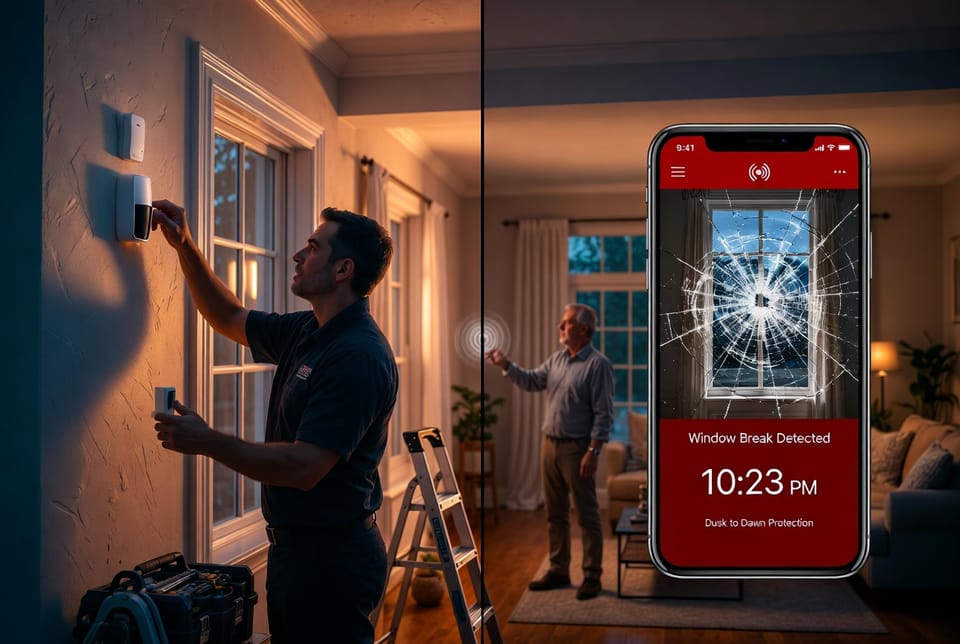
Protecting your home from intruders requires smart, layered security solutions. Among the most effective tools are glass break detectors, which provide an early warning when windows — often the weakest entry points — are compromised. Choosing the right type and placing it correctly can make all the difference in safeguarding your family and property.
Get Expert Glass Break Sensor Installation – Call Now!
In this comprehensive guide, we explore acoustic glass break sensors versus shock sensors, their unique strengths, optimal placement strategies, and how to maximize coverage. Whether you're upgrading an existing system or building a new one, understanding these options ensures reliable, false-alarm-resistant protection.
Understanding Glass Break Threats in Modern Homes
Windows represent convenient access points for burglars, especially in ground-floor or rear areas. The sound or vibration of breaking glass can signal an immediate threat, but not all detectors respond the same way. Acoustic sensors and shock sensors use different technologies to detect breaches, each excelling in specific scenarios.
By selecting the appropriate sensor and positioning it strategically, homeowners gain peace of mind knowing their property is monitored effectively around the clock.
How Acoustic Glass Break Sensors Work
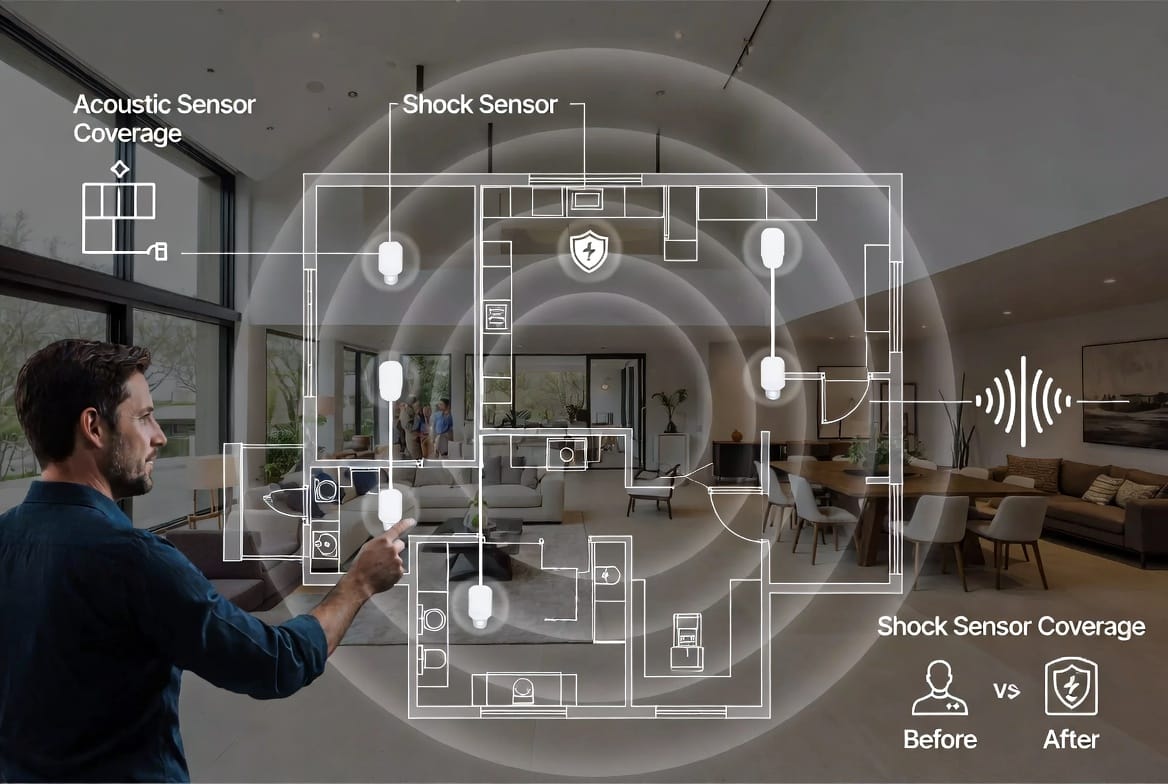
Acoustic glass break detectors listen for the specific frequency and pattern of breaking glass. These sophisticated devices use microphones to analyze sound signatures, distinguishing between an actual break and everyday noises like slamming doors or passing traffic.
Key Advantages of Acoustic Sensors
- Broad coverage area: A single unit can monitor multiple windows and glass doors within range, typically up to 20-30 feet depending on the model.
- Versatile installation: Wall-mounted away from the glass, reducing visibility to potential intruders.
- Rapid response: Detects the sound instantly, triggering alarms before the intruder fully enters.
These sensors are ideal for open floor plans or rooms with several windows. Their ability to cover larger zones makes them cost-effective for comprehensive protection.
However, proper placement is crucial to avoid false alarms. Avoid areas near kitchens, televisions, or high-traffic zones where similar high-frequency sounds might occur.
Shock Sensors: Precision Vibration Detection
Shock sensors, also known as vibration sensors, attach directly to the glass surface. They detect the physical impact and vibrations caused by an attempted break, offering targeted monitoring for individual windows.
Benefits of Shock Sensors
- High reliability: Fewer false triggers since they respond only to direct contact with the protected pane.
- Immediate detection: Activates at the first sign of tampering or impact.
- Discreet appearance: Low-profile designs blend seamlessly with window frames.
These sensors shine in high-risk areas where specific windows need dedicated attention, such as basement or sliding patio doors.
Placement tip: Mount them on the upper corner of the glass for optimal vibration sensitivity while remaining out of easy reach.
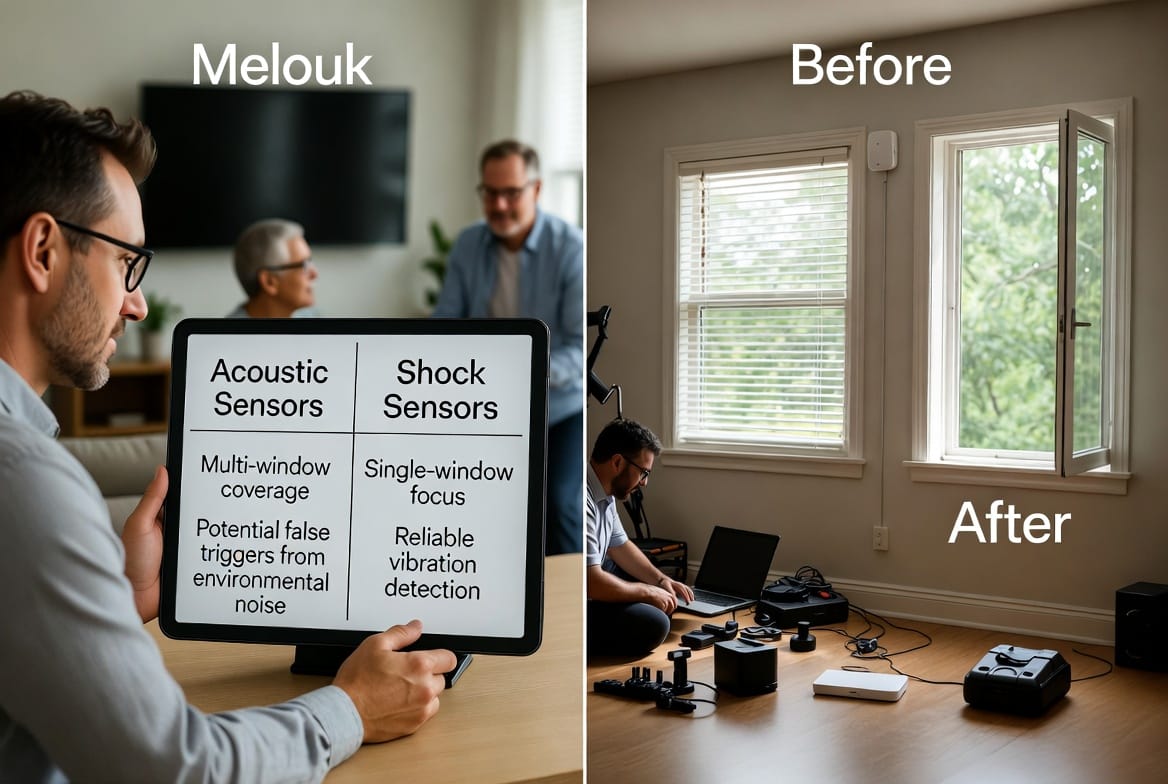
Acoustic vs Shock Sensors: Direct Comparison
When deciding between acoustic and shock sensors, consider your home’s layout, window types, and security priorities.
- Coverage: Acoustic sensors protect multiple windows from one location; shock sensors focus on single panes.
- False Alarm Risk: Acoustic models may occasionally trigger from loud external sounds; shock sensors are generally more stable but require one per window.
- Installation Ease: Acoustic units install on walls with less disruption; shock sensors need glass attachment.
- Cost Efficiency: Acoustic offers better value for larger areas; shock provides precision where needed.
Many security professionals recommend a hybrid approach — combining both types for optimal results. Use acoustic sensors for general room coverage and shock sensors on particularly vulnerable entry points.
Optimal Placement Strategies for Maximum Protection
Effective glass break detector placement depends on understanding your home’s vulnerabilities. Here are proven guidelines:
For Acoustic Sensors
- Position on interior walls opposite or adjacent to clusters of windows.
- Maintain line-of-sight to the glass areas being monitored.
- Install at least 5-10 feet away from the windows for best sound capture.
- Avoid corners with heavy curtains or furniture that might muffle sounds.
For Shock Sensors
- Attach directly to each protected window pane, preferably in the upper section.
- Use on all accessible ground-level windows and high-value areas.
- Ensure secure adhesion and test sensitivity after installation.
- Combine with window film or reinforced glass for added layers.
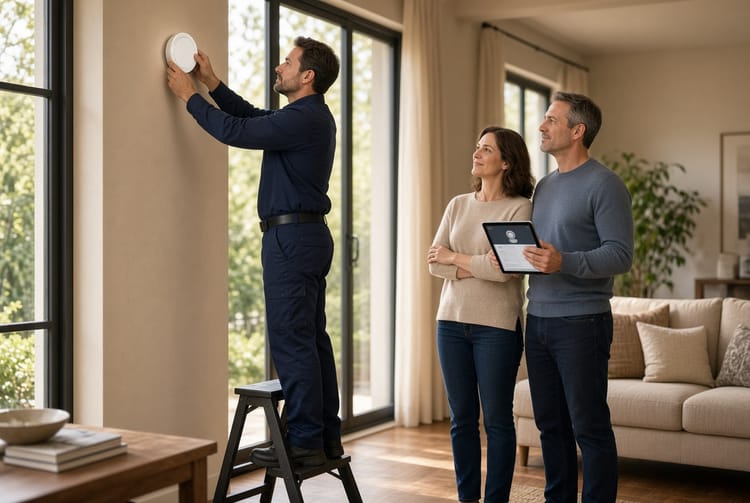
Professional installation ensures sensors integrate seamlessly with your overall security system, including motion detectors and cameras.
Factors Influencing Sensor Performance
Several elements affect how well your glass break detectors perform:
- Window Types: Double-pane, tempered, or laminated glass may require sensor adjustments.
- Room Acoustics: Open spaces favor acoustic sensors; smaller enclosed rooms suit shock sensors.
- Environmental Noise: Urban areas might need more selective acoustic models.
- System Integration: Pairing with smart home apps allows real-time alerts on your phone.
Regular testing and maintenance keep your system reliable year-round. Many providers offer annual check-ups to verify sensor sensitivity and battery life.
Real-World Benefits of Proper Glass Break Protection
Homes equipped with well-placed glass break detectors experience significantly lower break-in success rates. These devices deter criminals who prefer quick, quiet entries and provide crucial seconds for response.
Families report greater peace of mind, especially those with children, elderly members, or valuable collections. The reassuring knowledge that your windows are actively monitored allows you to enjoy your home without constant worry.
Common Mistakes to Avoid
- Installing acoustic sensors too close to noisy appliances.
- Overlooking sliding doors or skylights.
- Skipping professional calibration after setup.
- Neglecting to update your system as your home changes (renovations, new furniture).
Avoiding these pitfalls ensures long-term effectiveness and minimizes unnecessary alerts.
Choosing the Right Solution for Your Home
Every home is unique, and the best glass break detector placement strategy combines technology with practical assessment. Acoustic sensors deliver broad, efficient coverage, while shock sensors provide pinpoint reliability on critical windows.
For vulnerable windows — especially those hidden from street view or near potential hiding spots — glass break protection is essential. Don’t leave your home exposed to unnecessary risks.
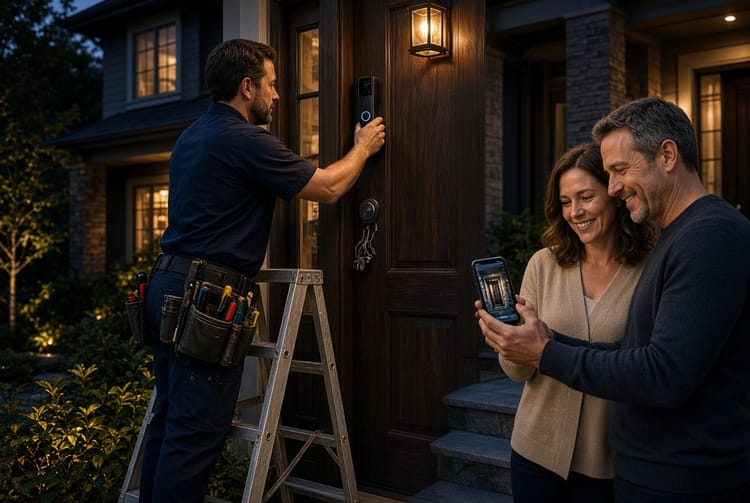
Our experienced team helps homeowners select, install, and optimize the perfect combination of acoustic and shock sensors tailored to their specific needs.
Ready to enhance your home security? Our experts are here to answer your questions and provide a personalized security assessment.
Protect what matters most with reliable, expertly placed glass break sensors. Your family’s safety is our top priority — contact us now for peace of mind you can count on.
Upgrade Your Window Security – Speak to Our Experts