The Garbage Disposal Do's and Don'ts: Extending Life and Preventing Clogs
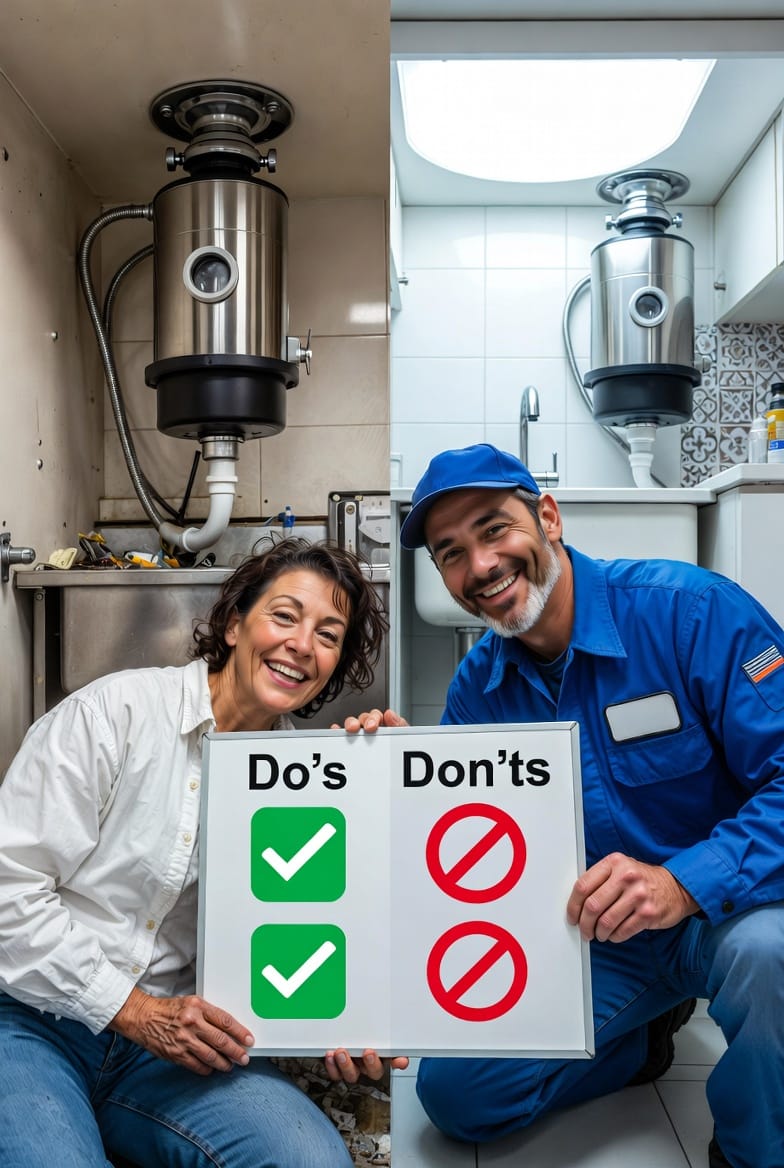
A well-maintained garbage disposal can quietly handle daily kitchen scraps for years without drama. Yet many homeowners unknowingly shorten its lifespan or invite expensive clogs simply by what they send down the drain or how they operate the unit.
Extend Your Disposal Life – Call for Expert Help Today
This comprehensive guide delivers clear, practical garbage disposal do’s and don’ts that protect your investment, keep your kitchen running smoothly, and spare you from sudden plumbing emergencies. Follow these proven strategies and you will enjoy reliable performance while avoiding costly repairs.
Rest assured: proper care is straightforward once you know the rules. Let’s dive in and give your disposal the long, trouble-free life it deserves.
How Your Garbage Disposal Actually Works
Understanding the machine helps you treat it correctly. Inside the disposal chamber, a spinning impeller and sharp shredder ring break food waste into tiny particles that wash safely through your pipes. The motor works hard, but it is not designed for everything you might toss its way.
When used properly, the system handles soft scraps efficiently. Misuse, however, forces the motor to strain, dulls the blades, and leads to jams or clogs farther down the line. With the right habits, you extend the unit’s life significantly—often well beyond the typical eight-to-twelve-year mark.
The Essential Do’s: Habits That Keep Your Disposal Running Strong
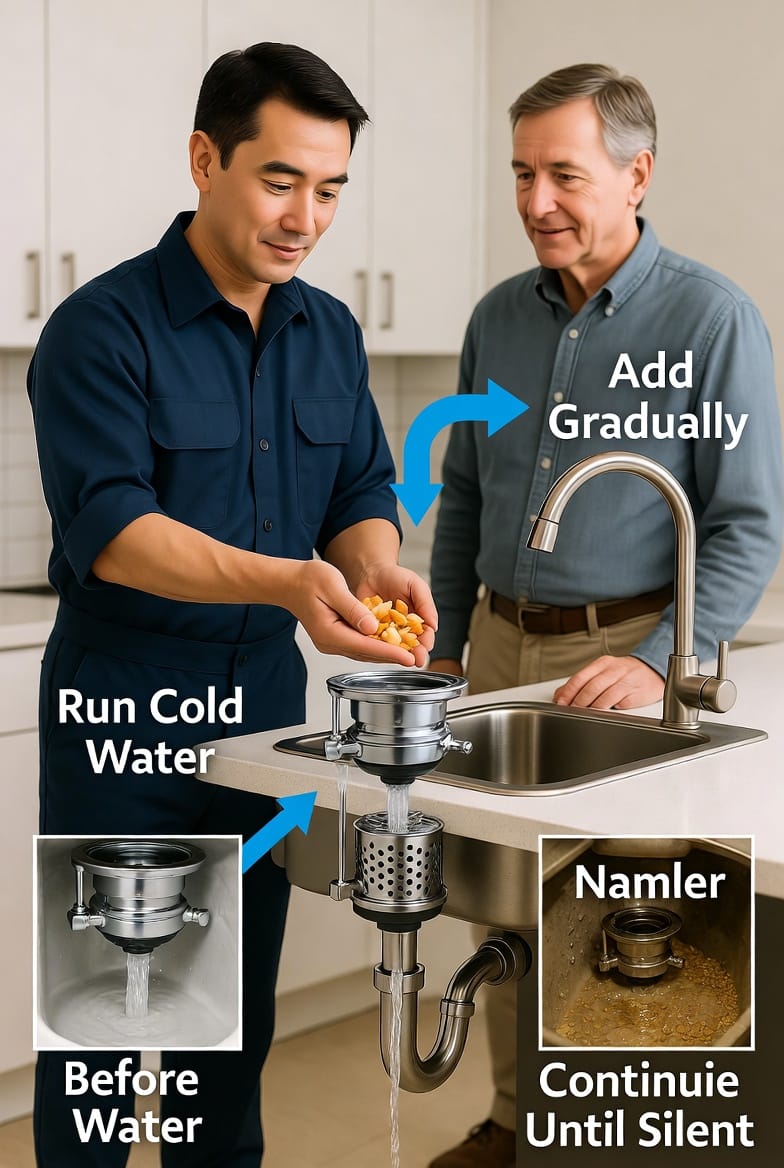
Cold water is your best friend. Always run a steady stream of cold water before, during, and for at least 30 seconds after grinding. Cold water solidifies grease so it can be flushed away instead of coating the inside of the disposal and pipes.
Feed waste gradually. Push small amounts of food into the unit while it runs rather than dumping everything at once. This prevents overload and allows the shredder to work efficiently.
Run the disposal regularly. Even if you only have a few scraps, turn it on daily. Standing water and idle blades invite odors and buildup.
Flush with ice cubes and citrus peels. Once a week, drop a handful of ice cubes mixed with a little rock salt or coarse salt into the running disposal. The ice sharpens the blades while the salt scrubs the chamber. Follow with citrus peels (lemon, lime, or orange) for a fresh, natural deodorizing effect.
Clean the exterior and splash guard. Wipe the rubber splash guard and the top of the unit monthly with a mild cleaner. This simple step removes hidden grease and food particles that contribute to odors.
Use a disposal cleaner safely. Occasionally use a manufacturer-approved foaming cleaner or a homemade baking-soda-and-vinegar mix (never both at the same time inside the unit). These methods break down residue without damaging seals or blades.
Adopting these garbage disposal do’s becomes second nature and pays dividends in fewer service calls and smoother kitchen days.
Critical Don’ts: Items That Shorten Life and Invite Clogs
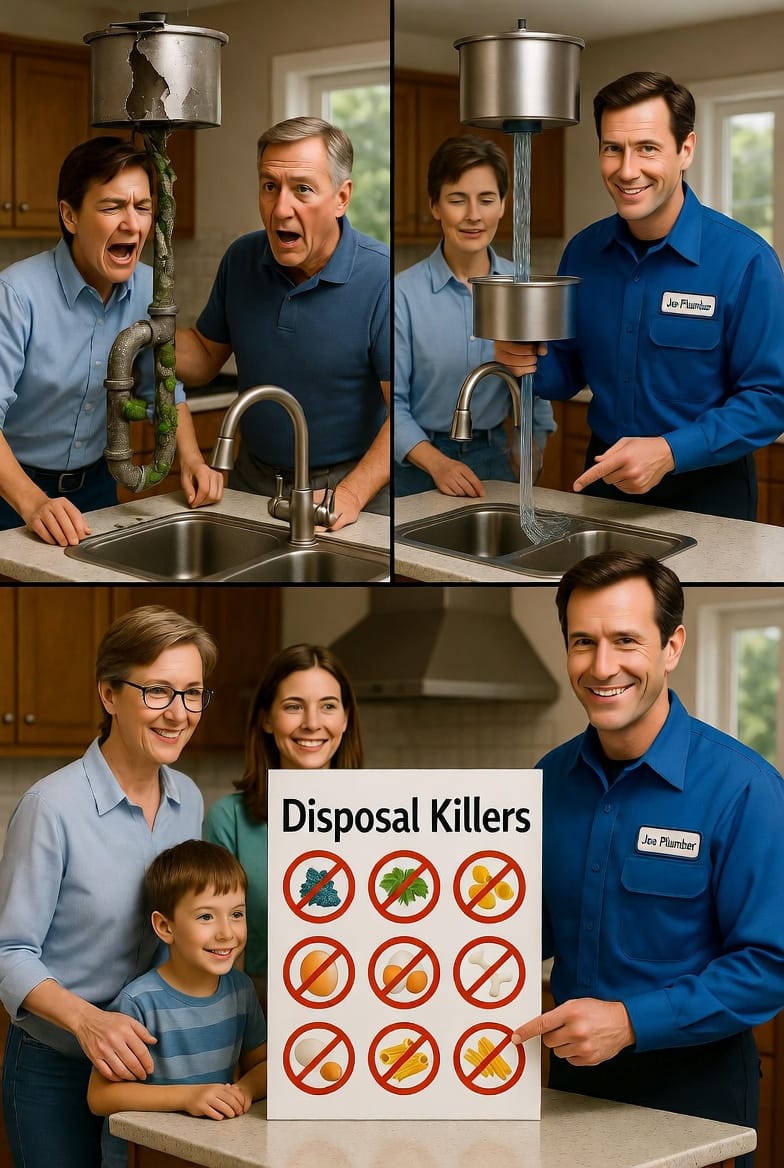
Knowing what never belongs in the disposal is equally important. Certain items damage the mechanism or create blockages that plumbers see every week.
- Grease, oils, and fats — Never pour cooking oil, bacon grease, or melted butter down the drain. Even when mixed with water, these substances solidify as they cool and coat the impeller and pipes, leading to stubborn clogs.
- Fibrous foods — Celery, asparagus, onion skins, corn husks, and carrot peels wrap around the shredder ring like ropes and stall the motor.
- Bones and hard pits — Chicken bones, steak bones, fruit pits, and nut shells are too dense. They can crack the impeller or jam the unit entirely.
- Eggshells and coffee grounds — While sometimes debated, eggshells turn into a gritty paste that clings to everything, and coffee grounds create a thick sludge that clogs drains quickly.
- Pasta, rice, and potato peels — These starchy foods expand when wet and quickly turn into a thick paste that blocks pipes.
- Non-food items — Plastic, glass, metal, paper towels, or cigarette butts have no place in the disposal. They cause immediate mechanical failure.
Hot water is another major risk. Hot water melts grease, allowing it to travel deeper into your plumbing before it hardens and creates a difficult-to-reach blockage. Stick strictly to cold water for every use.
By avoiding these disposal killers, you protect both the unit and your entire drainage system from unnecessary strain.
Proper Operation Techniques That Prevent Most Problems
Even the safest foods require the right technique. Turn on the cold water first and let it flow for several seconds. Then switch on the disposal and feed scraps slowly while the water continues running. Keep the unit running until the grinding sound stops completely and you hear only the whirl of water—usually another 10–20 seconds.
Never run the disposal dry. Water lubricates the chamber and flushes particles away. Overloading or “batch feeding” large amounts at once is one of the fastest ways to cause a jam.
If the disposal makes an unusual humming sound but does not spin, turn it off immediately. This usually signals a jam; never keep trying to force it. Reset the unit using the red button on the bottom and manually turn the impeller with an Allen wrench before resuming normal use.
Routine Maintenance for Maximum Longevity
Simple weekly and monthly habits dramatically extend the life of your garbage disposal.
- Weekly ice-and-salt treatment sharpens blades and scours the chamber.
- Monthly citrus-peel refreshment eliminates odors naturally.
- Quarterly inspection of the splash guard and drain line catches early buildup.
- Annual professional tune-up ensures seals remain tight and the motor stays balanced.
These steps require only minutes but deliver years of reliable service. Homeowners who follow a consistent maintenance schedule report far fewer clogs and enjoy quieter, more efficient operation.
Recognizing Trouble Before It Escalates
Listen for changes: grinding that suddenly becomes louder, frequent resets, or slow drainage after use. These early warning signs often mean residue has begun to accumulate or a minor jam is forming.
Address small issues promptly. Running the disposal with ice and citrus frequently resolves minor buildup. Persistent problems, however, benefit from professional attention before they become major repairs or full replacements.
Why Professional Service Makes All the Difference
Even with perfect home care, wear and tear eventually occur. When your disposal needs repair or replacement, a licensed plumber ensures the job is done correctly the first time—using the right parts and techniques that match your specific plumbing system.
Attempting DIY fixes on electrical or sealed components can void warranties and create safety hazards. Trusting a professional gives you peace of mind and restores full function quickly.
Keep Your Disposal Running Smoothly
By mastering these garbage disposal do’s and don’ts, you protect your kitchen investment, prevent frustrating clogs, and enjoy reliable performance for years to come. Small daily habits and simple weekly maintenance deliver outsized rewards in convenience and cost savings.
Our team is ready to help restore your kitchen’s efficiency with fast, professional service you can trust.
Garbage Disposal Acting Up? Get Professional Service Now