The Fungal Network: How Mycorrhizae and Soil Microbes Are Your Lawn's Secret Allies
In the world of lawn care, what you see above ground – that lush, green carpet of grass – is only half the story. Beneath the surface lies a thriving, invisible ecosystem where mycorrhizal fungi and soil microbes work tirelessly as your turf's unsung heroes. These microscopic allies form symbiotic partnerships with grass roots, enhancing nutrient absorption, boosting drought resistance, and fostering overall lawn resilience. As a homeowner, understanding this fungal network can transform how you maintain your yard, leading to healthier, more sustainable results without excessive chemicals or water. Rest assured, nurturing this underground workforce is simpler than it sounds, and with the right approaches like probiotic soil treatments, you can cultivate a vibrant lawn ecosystem that thrives year-round.
Get Probiotic Soil Treatments That Transform Turf – Call Now
This article delves into the science behind these relationships, explaining how they benefit your lawn and offering practical tips to support them. Whether you're dealing with patchy grass, poor soil quality, or frequent droughts, embracing these natural processes can be a game-changer. Let's explore the fascinating world of mycorrhizae and soil microbes, and discover why they're essential for modern lawn maintenance.
What Are Mycorrhizae? Unraveling the Underground Web
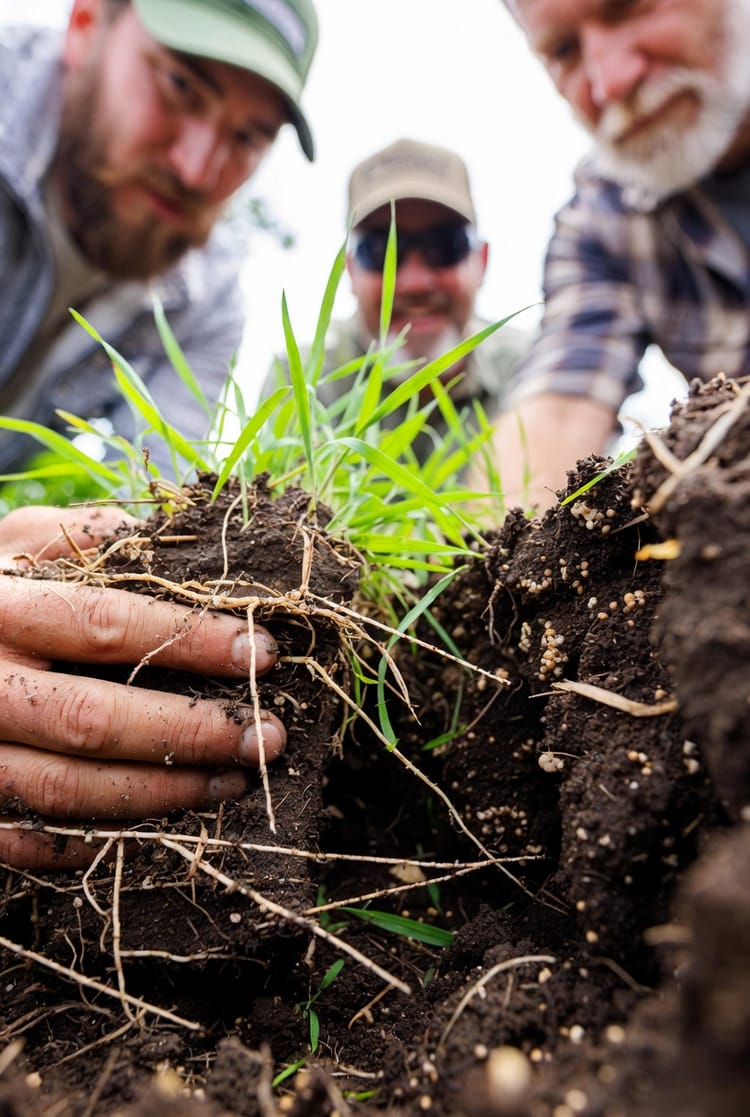
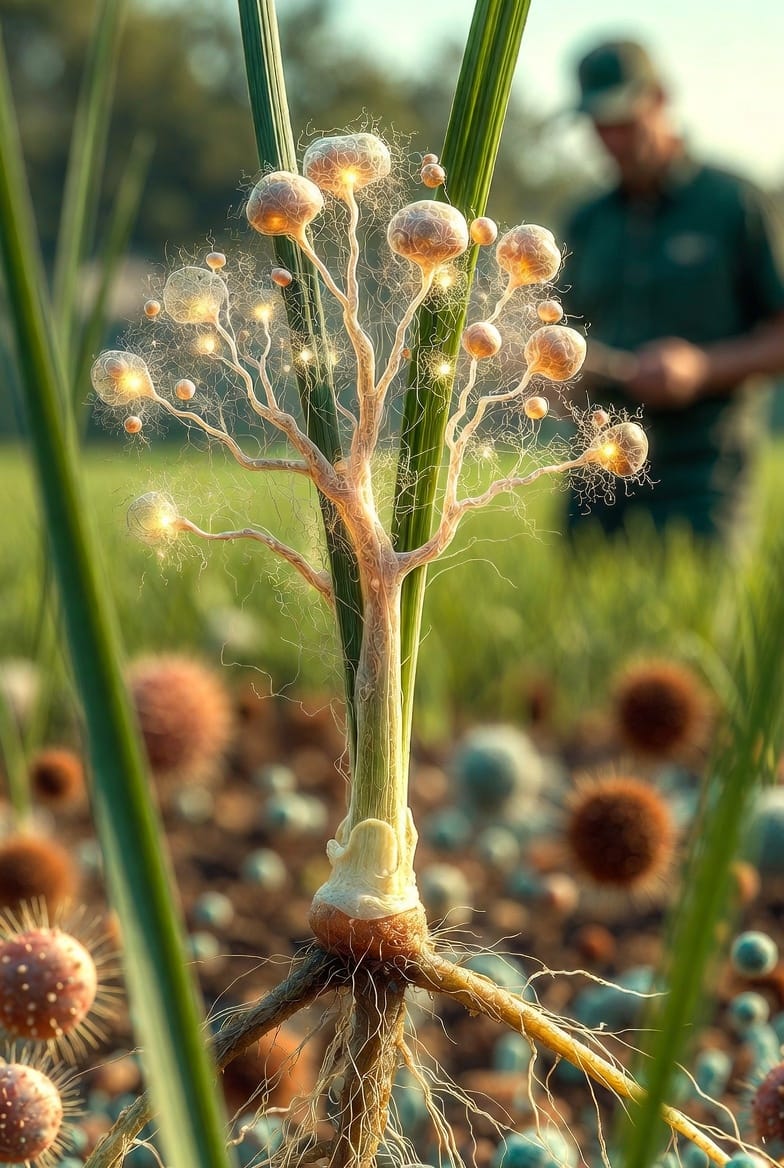
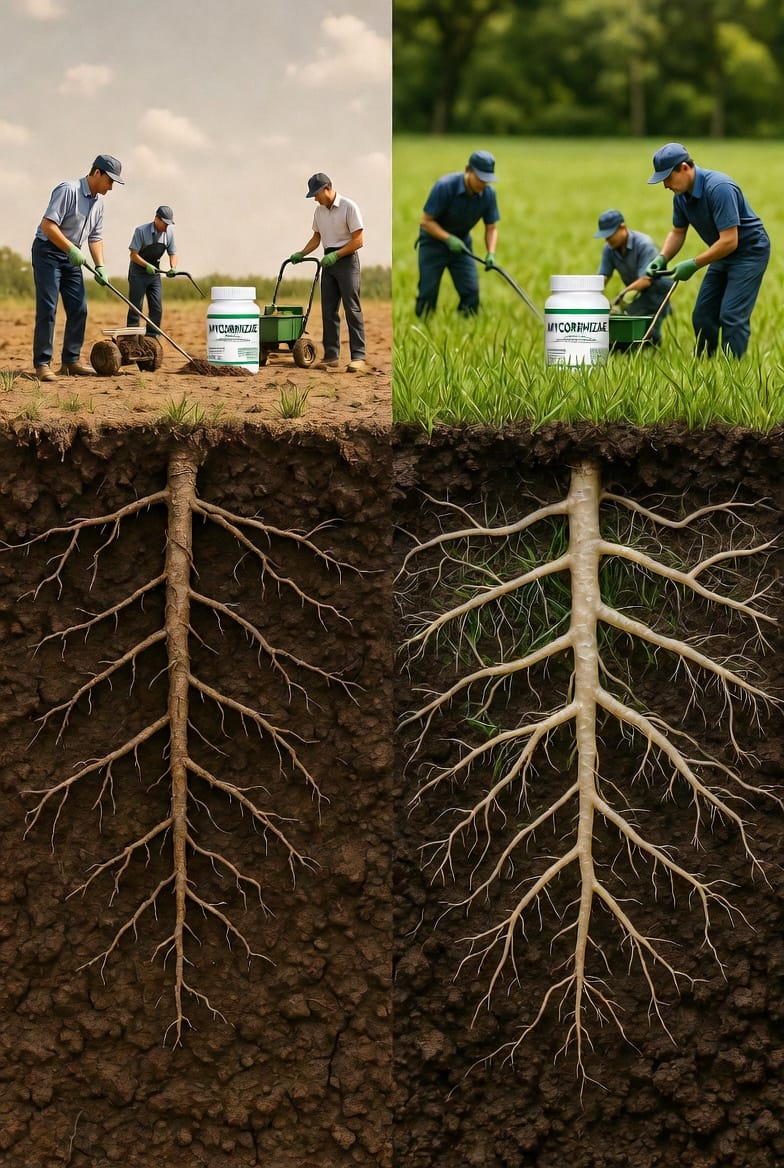
Mycorrhizae – derived from Greek words meaning "fungus" and "root" – refer to the mutually beneficial associations between certain fungi and plant roots. In your lawn, these fungi attach to grass roots, creating an extended network of thread-like structures called hyphae. These hyphae act like super-efficient extensions of the root system, reaching far beyond where roots alone can go.
Imagine your grass roots as the main highways of nutrient uptake. Mycorrhizal fungi build intricate side roads and alleys, accessing pockets of soil that are otherwise unreachable. This partnership isn't new; it dates back millions of years in evolutionary biology, where plants and fungi co-evolved to survive in nutrient-poor environments. For grasses like Kentucky bluegrass, fescue, or Bermuda, this means better access to essential elements such as phosphorus, nitrogen, and trace minerals.
The process begins when fungal spores germinate near grass roots, attracted by root exudates – sugary compounds plants release to "invite" beneficial microbes. Once connected, the fungi receive carbohydrates from the plant for energy, while in return, they deliver water and nutrients. This exchange is highly efficient, with studies showing that mycorrhizal plants can absorb up to 80% more phosphorus than non-mycorrhizal ones. In practical terms for your lawn, this translates to stronger growth, deeper green color, and reduced need for synthetic fertilizers.
But mycorrhizae aren't solitary players. They interact with a broader community of soil microbes, including bacteria, protozoa, and nematodes, forming a holistic soil microbiome. This microbial diversity ensures balanced nutrient cycling, disease suppression, and improved soil structure. Rest easy knowing that by fostering these relationships, you're not just growing grass – you're building a resilient ecosystem that withstands environmental stresses.
The Symbiotic Dance: Grass Roots and Fungi in Harmony
At the heart of this alliance is a symbiotic relationship that's both elegant and essential. Grass roots provide fungi with a steady supply of photosynthesized sugars, while fungi repay the favor by mining the soil for hard-to-reach resources. This isn't a one-way street; it's a dynamic partnership where both parties thrive.
Consider drought conditions, a common challenge in lawn care. Mycorrhizal hyphae are incredibly thin – often narrower than a human hair – allowing them to penetrate tiny soil pores and draw in moisture that roots can't access. This can increase a lawn's drought resistance by up to 50%, meaning less watering and lower utility bills. In nutrient-scarce soils, fungi solubilize bound minerals, making them available to the grass. For instance, phosphorus, often locked in insoluble forms, becomes readily absorbable, promoting robust root development and denser turf.
Moreover, this network enhances disease resistance. Fungi produce compounds that deter pathogens, and by improving overall plant health, they reduce vulnerability to issues like root rot or fungal infections. In essence, mycorrhizae act as a natural shield, minimizing the need for chemical interventions. Homeowners often overlook this, but integrating mycorrhizal inoculants during seeding or sodding can establish these bonds early, leading to long-term benefits.
To visualize this, think of your lawn as a living organism. The visible blades are the "body," but the roots and fungi form the "circulatory system," efficiently distributing vital resources. By supporting this symbiosis, you're ensuring your grass isn't just surviving – it's excelling.
Boosting Water and Nutrient Uptake: Practical Benefits for Your Lawn
One of the standout advantages of the fungal network is its role in optimizing water and nutrient uptake. In traditional lawns, roots might only explore 10-20% of the soil volume. With mycorrhizae, this expands dramatically, as hyphae can extend meters away from the root zone.
This is particularly beneficial in sandy or compacted soils, where water drains quickly or doesn't penetrate well. Fungi help retain moisture, reducing evaporation and runoff. For nutrient uptake, they specialize in scavenging scarce elements, preventing deficiencies that cause yellowing or thin patches. Homeowners in arid regions or with poor soil can see marked improvements in turf density and color within months of encouraging these microbes.
Additionally, this network promotes carbon sequestration, storing atmospheric carbon in the soil and contributing to environmental health. It's a win-win: your lawn looks better, and you're supporting planetary sustainability. To leverage this, avoid practices that disrupt the soil, like excessive tilling, which can sever fungal connections.
The Role of Soil Microbes: Beyond Fungi to a Thriving Ecosystem
While mycorrhizae steal the spotlight, other soil microbes are equally vital. Bacteria fix nitrogen from the air, making it plant-available, while protozoa and nematodes cycle nutrients by consuming organic matter and releasing minerals.
This microbial diversity creates a balanced turf ecosystem, where beneficial organisms outcompete harmful ones. For example, certain bacteria produce antibiotics that suppress weed seeds or pathogenic fungi. In a healthy lawn, this leads to fewer pests, better soil aeration from microbial activity, and enhanced decomposition of thatch.
Probiotic soil treatments – essentially "good bacteria" supplements – can jumpstart this process. These products introduce billions of beneficial microbes, accelerating the establishment of a robust network. Applied via sprays or granules, they're safe, eco-friendly, and compatible with organic lawn care regimens. Many users report thicker grass, reduced weed invasion, and improved recovery from stress after just one season.
Enhancing Microbial Life with Probiotic Treatments
To truly harness the power of mycorrhizae and soil microbes, consider probiotic soil treatments. These are formulated blends of fungi, bacteria, and sometimes enzymes designed to inoculate your lawn.
- Application Methods: Spread evenly during aeration for deep penetration, or mix with compost for surface boosts.
- Timing: Best in spring or fall when soil temperatures are moderate (50-70°F) for optimal microbial activity.
- Benefits: Increased nutrient efficiency, reducing fertilizer needs by 20-30%; enhanced root growth for better anchorage; natural pest deterrence without toxins.
- Compatibility: Works with existing lawns, new seedings, or overseeding projects.
Rest assured, these treatments are backed by science and pose no risk to pets, children, or wildlife. They're a proactive step toward sustainable lawn maintenance, ensuring your yard remains lush even in challenging conditions.
Harmful vs. Helpful Lawn Care Practices: Protecting Your Microbial Allies
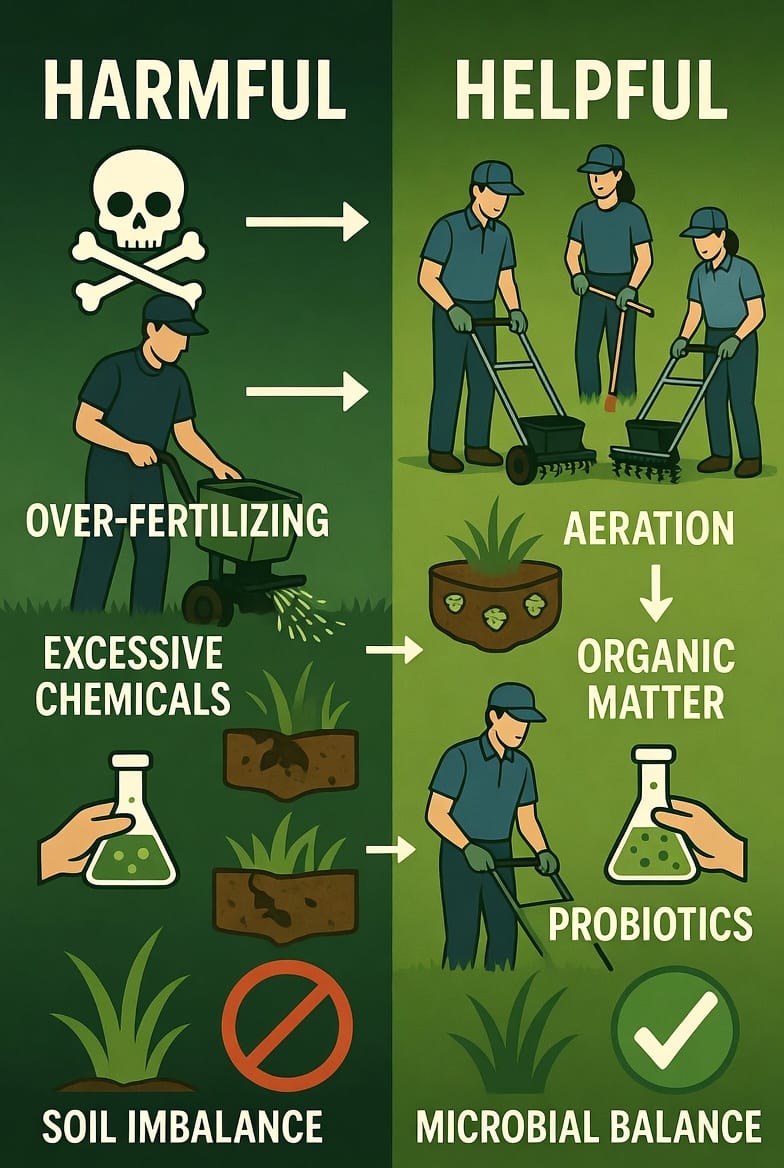
Not all lawn care routines support this underground network. Some common mistakes can decimate microbial populations, while others nurture them.
Harmful Practices to Avoid:
- Over-Fertilizing: High-salt synthetic fertilizers disrupt microbial balance, killing beneficial fungi and leading to nutrient imbalances.
- Fungicide Applications: Broad-spectrum fungicides target all fungi, including helpful mycorrhizae, weakening root systems.
- Excessive Pesticides: These harm non-target microbes, reducing biodiversity and increasing disease susceptibility.
- Compaction from Heavy Traffic: Squeezes out air and water, stifling microbial respiration.
Helpful Practices to Adopt:
- Adding Organic Matter: Compost or mulch feeds microbes, improving soil structure and moisture retention.
- Aeration: Creates pathways for oxygen and nutrients, encouraging fungal growth.
- Minimal Tillage: Preserves fungal networks by avoiding disruption.
- Diverse Plantings: Mixing grass varieties supports varied microbial communities.
By shifting to these methods, you'll see tangible improvements: fewer bare spots, better color, and easier maintenance. It's about working with nature, not against it.
Building Drought Resistance Through Microbial Partnerships
In an era of climate variability, drought resistance is crucial. Mycorrhizae excel here by improving water efficiency. Their hyphae form a web that holds soil particles together, enhancing water-holding capacity.
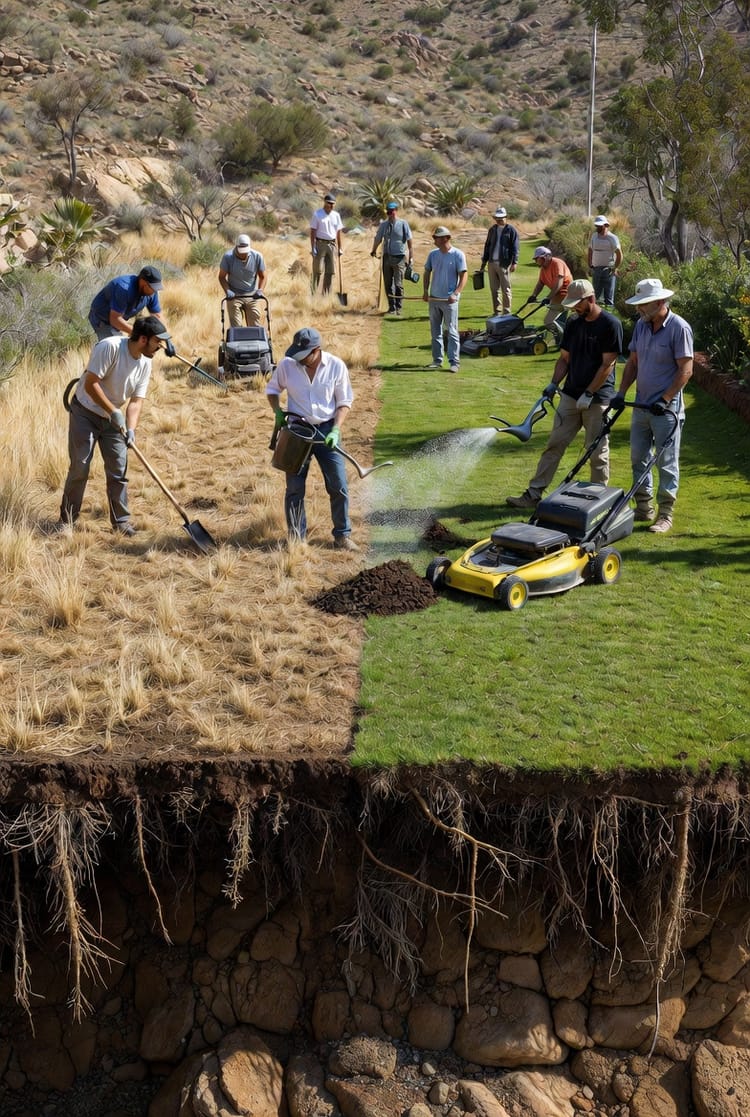
Coupled with soil microbes that promote aggregation, this reduces erosion and runoff. Probiotic treatments amplify these effects, helping lawns endure dry spells without supplemental irrigation. For regions prone to water restrictions, this is invaluable, saving resources while maintaining aesthetics.
Long-Term Health: A Sustainable Turf Ecosystem
Ultimately, embracing mycorrhizae and soil microbes leads to a self-sustaining turf ecosystem. Reduced inputs mean lower costs and environmental impact. Your lawn becomes more resilient to stresses like heat, cold, or pests.
Regular soil testing can monitor microbial health, guiding adjustments. With patience and the right care, you'll cultivate a yard that's the envy of the neighborhood – naturally.
Cultivate the Invisible Workforce – Schedule Your Treatment Now