The Fox Family Under the Shed: Humane Management of Urban Foxes
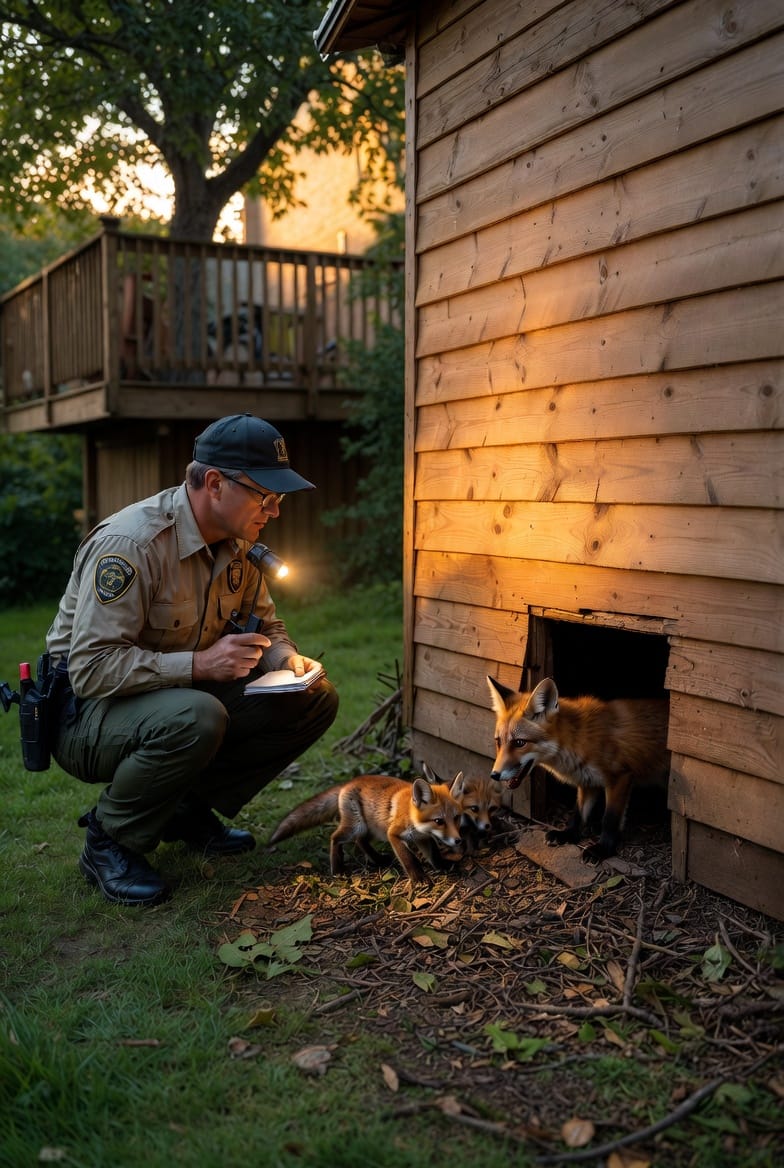
In today’s expanding suburbs, urban foxes have become a common sight, often choosing sheltered spots like the space beneath your shed or deck to raise their young. If you’ve recently spotted a fox family under the shed, you’re not alone. This growing urban wildlife issue reflects how adaptable red foxes are in human landscapes. The good news? With the right knowledge and humane management strategies, you can address the situation confidently while protecting both your property and these fascinating animals.
Resolve Your Fox Family Issue Humanely – Call Now
At our wildlife removal service, we specialize in humane fox removal and long-term coexistence solutions. Rather than panic or resort to harsh measures, understanding fox behavior empowers you to make informed decisions. This comprehensive guide walks you through everything you need to know—from the benefits foxes bring to practical steps for gentle relocation when necessary. By the end, you’ll feel reassured that peaceful resolution is not only possible but also the smartest choice for your home and local ecosystem.
Understanding Red Fox Behavior in Urban Areas
Red foxes (Vulpes vulpes) are highly intelligent and opportunistic mammals that thrive in cities and suburbs. A typical fox family under the shed consists of a mother (vixen), occasionally the father (dog fox), and a litter of four to six kits born in early spring. These dens provide secure, dark shelter perfect for raising young away from predators and traffic.
Foxes are primarily nocturnal, becoming active at dusk to hunt and returning to the den by dawn. Their diet is varied—small mammals, birds, insects, fruits, and even scraps from unsecured trash. This adaptability explains why they select residential properties: abundant food sources combined with safe hiding spots under sheds, decks, or porches.
Unlike more aggressive wildlife, urban foxes tend to avoid direct human contact. They establish territories that can span several acres, but once a vixen chooses a den site, she remains loyal throughout the breeding season. Kits stay with their parents for several months, learning survival skills before dispersing in late summer or fall.
Recognizing these natural patterns helps homeowners shift from concern to informed action. Fox behavior is predictable once you know what to look for—soft yipping sounds at night, faint scratching under the shed, or the occasional sighting of a bushy tail disappearing into the shadows. These signs indicate a temporary family home rather than a permanent invasion.
The Ecological Benefits of Urban Foxes
Before considering any intervention, it’s important to recognize the valuable role urban foxes play in your backyard ecosystem. Far from being pests, they deliver natural rodent control that many homeowners only appreciate after the fact.
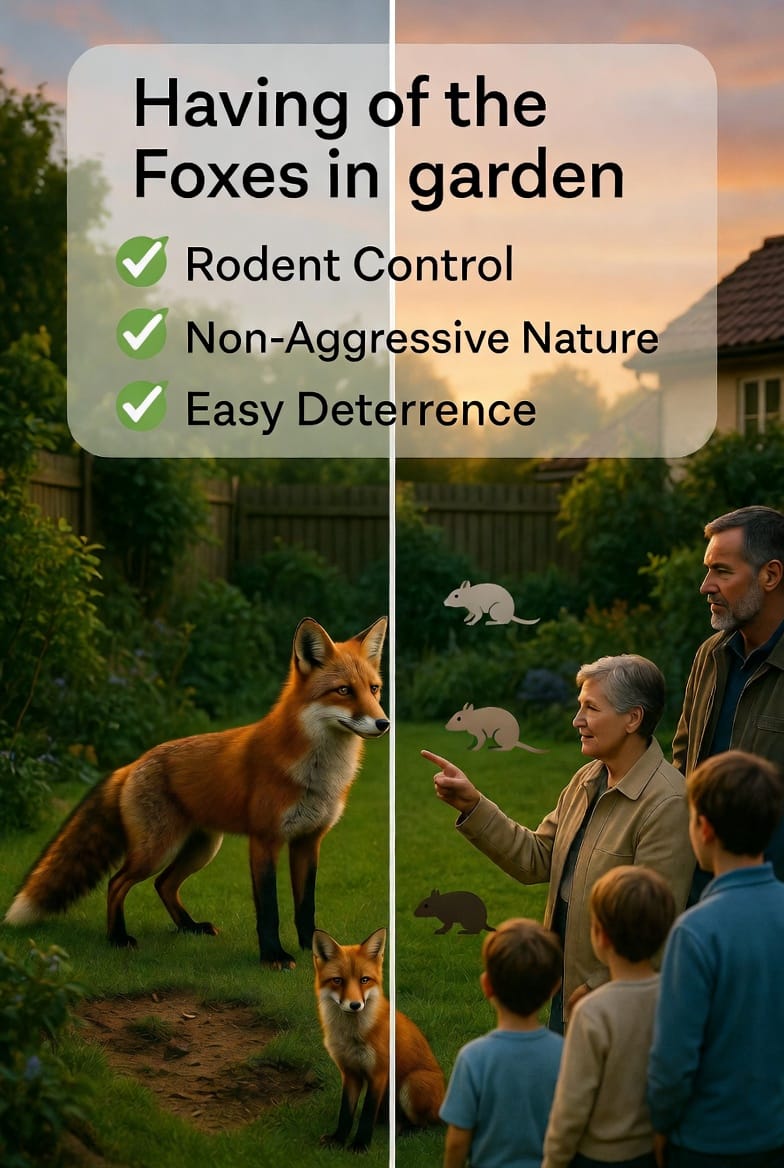
Foxes are efficient hunters of mice, voles, and rats—species that can damage gardens, chew wiring, and spread disease. A single fox family can consume hundreds of rodents during the spring and summer months, acting as nature’s free pest-management team. This benefit alone often outweighs minor inconveniences, especially in suburban areas where rodent populations surge without natural predators.
Additionally, foxes contribute to biodiversity by dispersing seeds through their scat and controlling insect numbers. They are generally non-aggressive toward humans and pets when left undisturbed. Healthy fox populations signal a balanced local environment rather than an imbalance that requires drastic action.
Bold fact: Studies consistently show that foxes pose minimal threat to people. Most urban foxes will flee rather than confront, making them ideal candidates for humane coexistence strategies rather than removal. By allowing them to fulfill their ecological role, you gain free rodent control while supporting local wildlife.
Recognizing When Foxes Become a Nuisance
While the presence of a fox family under the shed is often harmless, certain situations may call for gentle management. Problematic behavior typically appears as persistent digging that undermines shed foundations, noticeable odors from uneaten food caches, or loud nighttime vocalizations during the mating or kit-rearing season.
Structural concerns are rare but possible if foxes enlarge existing gaps under decks. Hygiene issues, such as scattered remnants near the den entrance, can also arise. However, these problems are usually temporary and resolve naturally once the kits mature and the family disperses in autumn.
Importantly, health risks remain extremely low. Urban foxes are not aggressive carriers of rabies when observed from a distance, and simple precautions—like keeping pets vaccinated and securing trash—eliminate nearly all concerns. Our experienced team always assesses each situation individually, reassuring homeowners that most fox families require only minor adjustments rather than full-scale intervention.
Humane Strategies for Coexistence and Deterrence
The cornerstone of humane fox management is prevention through habitat modification. You can encourage foxes to relocate naturally without stress or harm by making your property less appealing while preserving their natural behaviors elsewhere.
Here are proven, non-lethal strategies:
- Remove food sources by securing garbage cans with tight-fitting lids and bringing pet food indoors at night.
- Eliminate shelter opportunities by sealing gaps under sheds with hardware cloth or sturdy mesh buried at least 12 inches underground.
- Install motion-activated lights or sprinklers to create an uncomfortable environment without causing panic.
- Use natural repellents such as predator urine or citrus peels placed strategically around the den entrance.
These methods respect the foxes’ intelligence—they quickly learn that your yard no longer offers easy meals or safe denning sites and move on voluntarily. Timing matters: the ideal window for gentle encouragement is after kits have weaned but before winter sets in.
Coexistence tips for those who prefer to share space include installing visual barriers like dense shrubbery that provide privacy for both parties. Many homeowners report successful long-term harmony simply by respecting the foxes’ nocturnal schedule and keeping a respectful distance.
Professional Fox-Proofing and Relocation Techniques
When DIY efforts fall short or you prefer expert assistance, professional humane fox removal services deliver reliable, long-lasting results. Certified technicians use advanced fox-proofing techniques that combine exclusion, deterrence, and, when necessary, safe relocation.
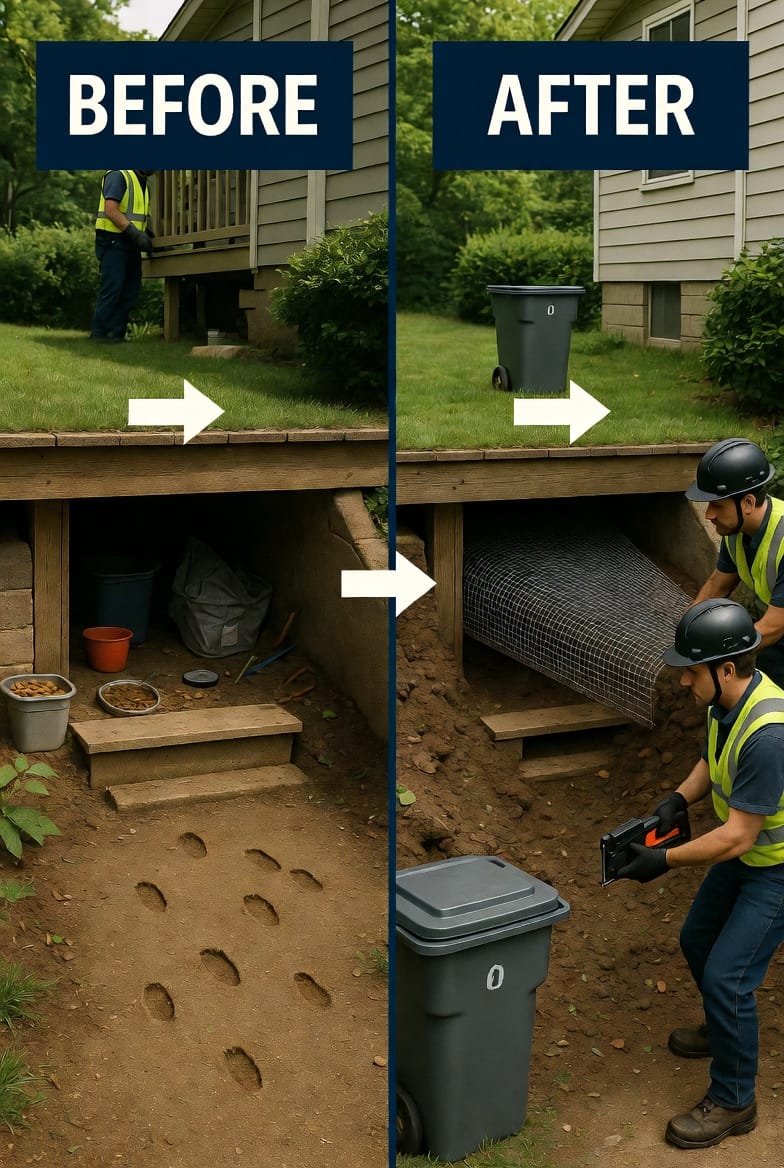
Our process begins with a thorough property inspection to identify entry points and attractants. We then implement secure crawl spaces using durable materials that withstand digging attempts. Food sources are systematically removed or protected, and strategic fencing prevents re-entry while allowing other wildlife to pass harmlessly.
For families that must relocate, we employ one-way exclusion devices and monitoring cameras to ensure kits exit safely before sealing the den. Every step prioritizes animal welfare, complying with local regulations and ethical standards. Homeowners consistently report peace of mind knowing the solution is permanent yet compassionate.
Long-Term Peaceful Coexistence with Urban Wildlife
Successful urban fox management extends beyond immediate action. Implementing seasonal property audits, maintaining secure trash protocols, and educating neighbors creates a community-wide approach that benefits everyone. Over time, these habits reduce future wildlife conflicts while preserving the natural beauty of sharing space with foxes.
Remember, foxes are an indicator of a healthy environment. By choosing humane strategies, you contribute to sustainable suburban ecosystems where wildlife and humans thrive side by side.
Conclusion: Coexist with Urban Wildlife Humanely
Discovering a fox family under the shed doesn’t have to disrupt your peace of mind. With knowledge of their behavior, appreciation for their rodent control benefits, and proven humane management techniques, you can resolve the situation confidently and ethically.
Whether you opt for simple prevention or full professional support, the goal remains the same: coexist with urban wildlife humanely. We’re here to help you restore harmony—quickly, safely, and with compassion for the foxes that share your neighborhood.
Protect Your Property with Compassionate Fox Solutions – Call Now