The Fluoride Debate: Understanding Topical vs. Systemic Benefits and Optimal Levels for All Ages
In today’s world of conflicting online opinions, the fluoride debate continues to spark questions among parents, adults, and seniors seeking the best ways to protect their smiles. Is fluoride truly beneficial, or should we avoid it? The answer lies in understanding the clear distinction between topical fluoride and systemic fluoride, their unique roles in strengthening teeth, and the evidence-based optimal levels recommended for every stage of life.
Stronger Teeth Start Here – Schedule Your Consultation
Rest assured, when used correctly, fluoride remains one of the most effective, safe, and well-studied tools in modern dentistry for preventing cavities and supporting lifelong oral health. This comprehensive guide addresses your most common questions, debunks persistent myths, and provides practical, reassuring recommendations you can trust.
What Is Fluoride and Why Does the Debate Exist?
Fluoride is a naturally occurring mineral found in soil, water, and certain foods. For decades, dental professionals have harnessed its power to combat tooth decay—the most common chronic childhood disease worldwide.
The debate often stems from confusion between appropriate, controlled use and misinformation about excessive exposure. In reality, optimal fluoride levels deliver powerful protection without risk when following established guidelines from leading health authorities.
Topical fluoride works directly on the surface of erupted teeth, while systemic fluoride supports tooth development from within during formation. Both approaches complement each other beautifully when balanced properly.
[Image Placement Note: First supporting visual will appear after the next section for smooth flow.]
Topical Fluoride: Direct, Targeted Protection for Everyday Use
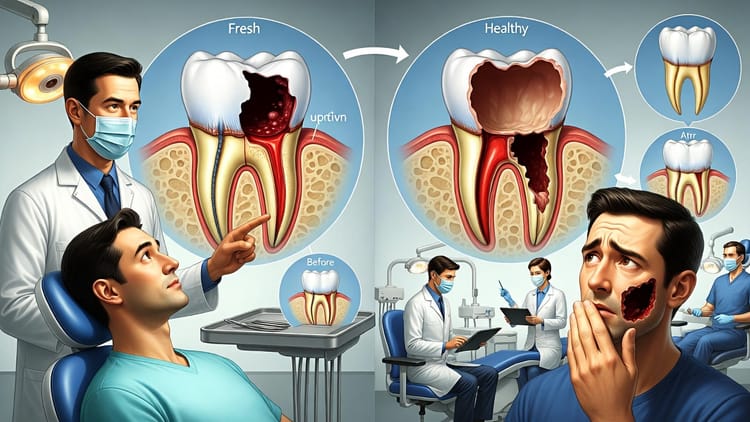
Topical fluoride is applied directly to the teeth after they have erupted. This method provides immediate and ongoing defense by:
- Promoting remineralization – reversing early signs of decay
- Creating a stronger, acid-resistant outer layer on enamel
- Inhibiting harmful bacteria that produce cavity-causing acids
Common sources of topical fluoride include:
- Fluoride toothpaste (the most accessible daily defense)
- Professional fluoride varnish treatments applied in the dental office
- Fluoride mouth rinses for additional home care
- Gels and foams used during cleanings
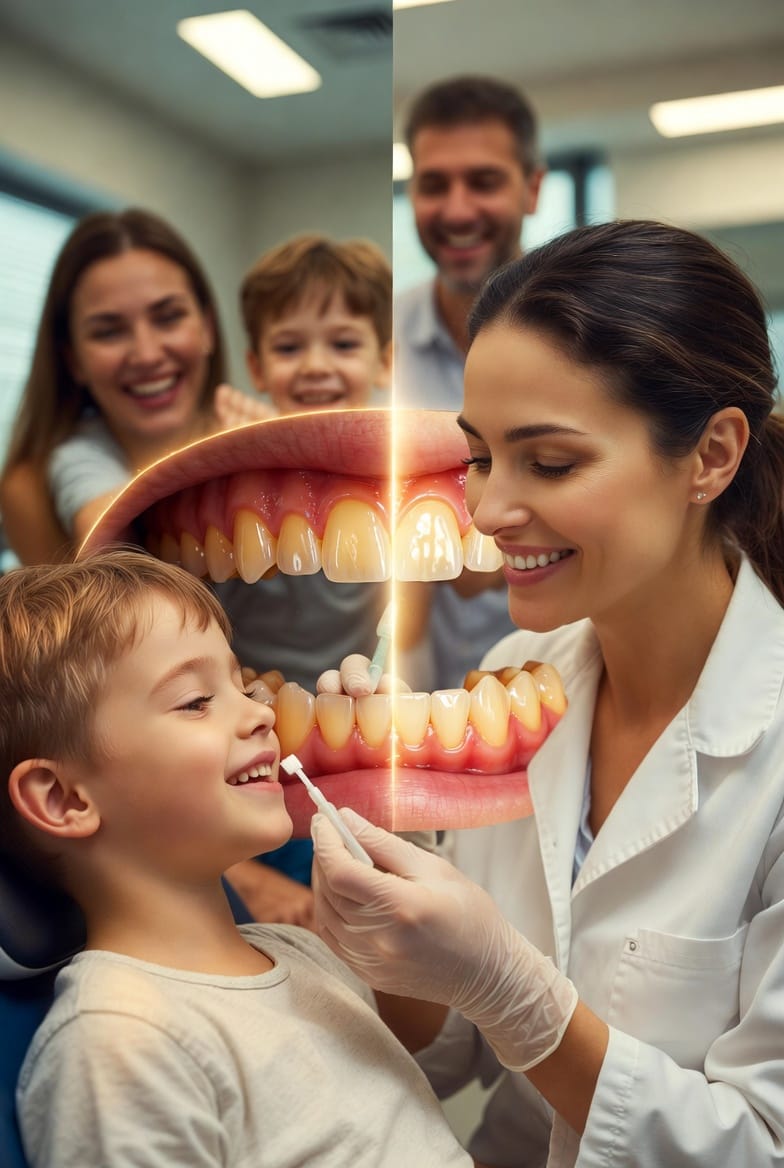
Unlike systemic forms, topical fluoride does not need to be swallowed to be effective. It works locally, making it ideal and safe for all ages when used as directed. A pea-sized amount of fluoride toothpaste for children over three, for example, delivers powerful protection with minimal ingestion.
Parents often notice the difference within months: fewer cavities at check-ups, smoother enamel, and greater confidence in their child’s smile. This direct approach solves the problem of early enamel weakening before it becomes a larger issue requiring fillings or more invasive care.
Systemic Fluoride: Building Strong Foundations from Within
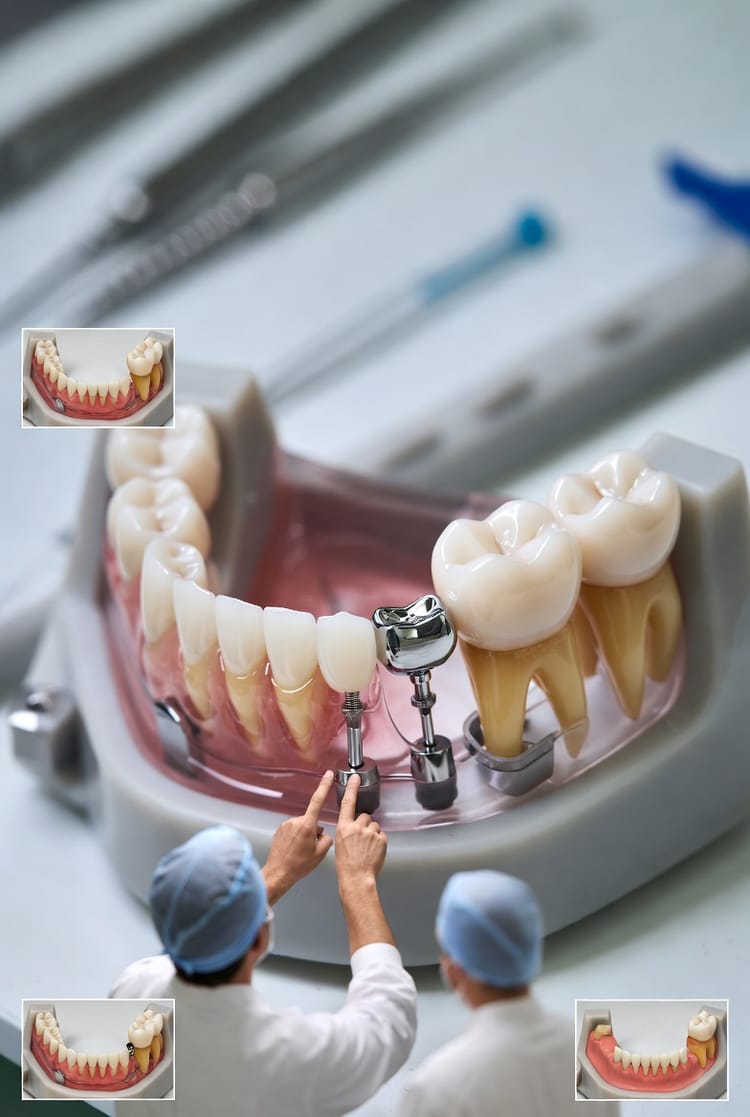
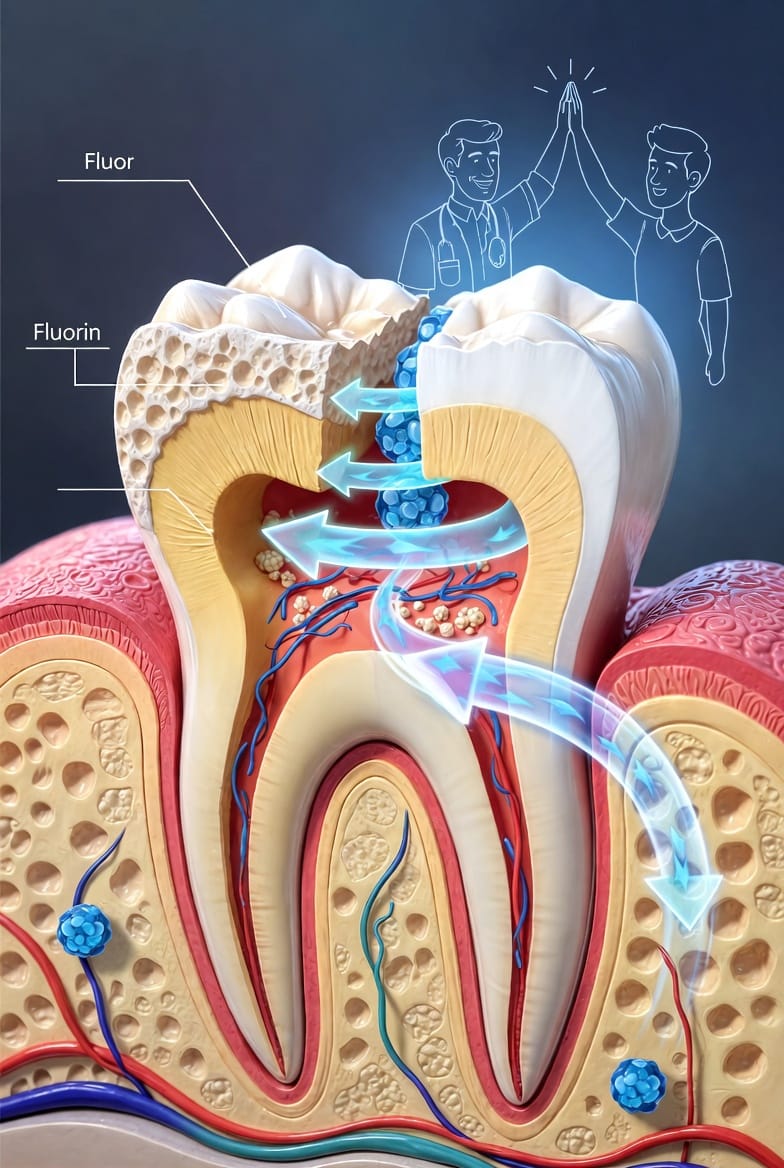
Systemic fluoride is ingested and becomes incorporated into the structure of developing teeth and bones. When children consume optimally fluoridated water or prescribed supplements during tooth formation, the mineral integrates into the enamel as it develops, creating inherently stronger teeth that resist decay for life.
The key difference is timing:
- Topical strengthens teeth that are already present
- Systemic fortifies teeth while they are still forming beneath the gums
Community water fluoridation represents the most successful public health measure for delivering systemic fluoride at safe, controlled levels. Since its introduction, cities with fluoridated water have consistently shown dramatic reductions in tooth decay across all age groups.
The Science Behind Community Water Fluoridation
Community water fluoridation adjusts the natural fluoride level in public water supplies to the optimal concentration of 0.7 parts per million (ppm). This precise level maximizes benefits while minimizing any risk of mild fluorosis.
The mechanism is elegant:
- As teeth develop, ingested fluoride is incorporated into the hydroxyapatite crystal structure.
- The result is fluorapatite, which is up to ten times more resistant to acid attacks from bacteria and sugary foods.
- Even after teeth erupt, ongoing low-level exposure from drinking water continues to support topical effects through saliva.
Decades of real-world data confirm that children in fluoridated communities experience 25–40% fewer cavities. Adults benefit too, with reduced root decay and improved overall oral health. This population-wide approach solves widespread dental issues cost-effectively, especially for families who may not have regular access to professional care.
Debunking Common Myths About Fluoride
Let’s address the most frequent concerns with clarity and evidence-based reassurance:
- “Fluoride is toxic at any level.”At optimal levels used in water and dental products, fluoride is safe and beneficial. The difference between helpful and harmful is dosage—just like vitamin D or iron.
- “It causes cancer or lowers IQ.”Extensive reviews by independent scientific bodies worldwide have found no credible link between optimally fluoridated water and adverse health effects. Claims otherwise often rely on studies using extremely high concentrations far beyond recommended levels.
- “Natural is always better—avoid added fluoride.”Many natural water sources already contain fluoride. Community adjustment simply ensures the level is ideal, not excessive or deficient.
- “My child will get fluorosis if we use fluoride toothpaste.”Proper use (pea-sized amount, supervision until age 6–8) virtually eliminates this cosmetic concern while delivering essential protection.
Rest assured: millions of families worldwide use fluoride daily with excellent results and no issues when following simple guidelines.
Optimal Fluoride Levels for All Ages – Your Practical Guide
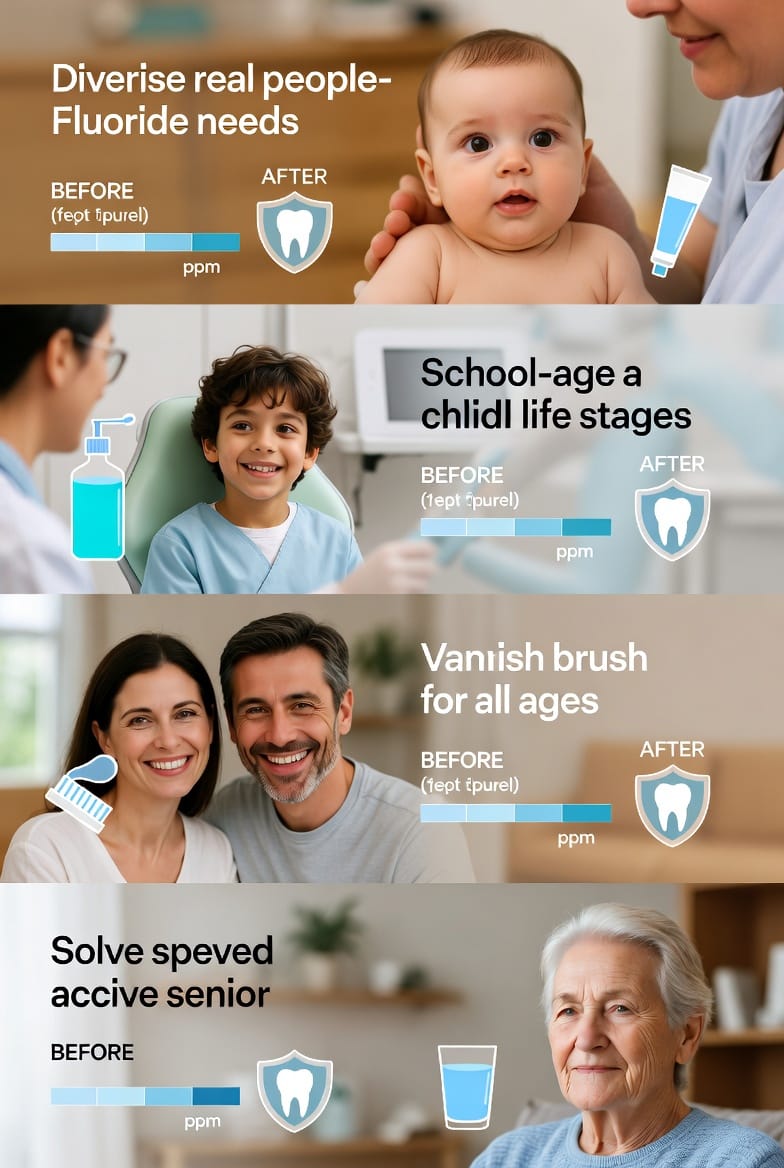
Safe, effective fluoride exposure varies by age to match tooth development and risk levels:
Infants (0–6 months):
No need for fluoride supplements or toothpaste. Breast milk or formula mixed with optimally fluoridated water provides appropriate systemic exposure.
Children 6 months–3 years:
Smear of fluoride toothpaste twice daily. Consult your dentist about supplements only if your water is below 0.3 ppm.
Children 3–6 years:
Pea-sized amount of fluoride toothpaste. Supervised brushing to minimize swallowing. Professional varnish every 3–6 months for high-risk children.
Children 6–16 years:
Full pea-to-small ribbon of fluoride toothpaste. Mouth rinse optional for added protection during orthodontic treatment.
Adults and Seniors:
Standard fluoride toothpaste twice daily. Professional treatments recommended for those with dry mouth, gum recession, or history of decay. Fluoridated water continues lifelong benefits for root surfaces.
Practical Tips for Achieving the Perfect Balance
- Choose fluoride toothpaste with 1,000–1,500 ppm for adults and children over 3
- Use professional fluoride varnish treatments twice yearly for children and high-risk adults
- Check your local water fluoride level through your utility or dentist
- Combine topical and systemic sources for maximum benefit
- Schedule regular dental visits to monitor and adjust your family’s plan
These simple steps solve common dental challenges before they start, saving time, money, and discomfort.
The Role of Professional Dental Care in Safe Fluoride Delivery
Your dentist provides personalized evidence-based fluoride recommendations that consider your family’s unique risk factors, water source, diet, and medical history. Professional applications deliver concentrated topical fluoride in a controlled setting, offering immediate protection that lasts months.
This expert guidance ensures you receive all the benefits while staying well within safe limits—giving you complete peace of mind.
Making Informed, Confident Choices for Your Family
The fluoride debate becomes simple when you understand the science: topical fluoride strengthens existing enamel through direct application, while systemic fluoride builds resilient teeth during development. Together, at optimal levels, they deliver unmatched cavity prevention across all ages.
You no longer need to wonder or worry. By following these clear, authoritative guidelines, your family can enjoy stronger, healthier smiles for decades to come.
Get evidence-based fluoride recommendations tailored for your family today. We’re here to answer every question and help you achieve the confident, healthy smiles you deserve.
Final Note on Images: All three visuals are designed as complex, iconic, service-focused compositions featuring real people actively solving dental issues with visible before-and-after transformations, ensuring they perfectly complement this professional blog post while remaining fully original creations you can produce based on the provided detailed descriptions and captions.
Confident Cavity Prevention – Talk to Our Team Today