The Flea Lifecycle Breakpoint: Why Treating Your Home and Pet Simultaneously is the Only Way to Win
Fleas remain one of the toughest household pests to eliminate. Pet owners frequently treat only their animals with spot-on products or oral medications, only to see itching and jumping return within days or weeks. The reason is simple yet often overlooked: fleas spend the majority of their life cycle off the pet—in your carpets, furniture, baseboards, and pet bedding.
Fast, Effective Pest Control – Call Today!
True flea control requires targeting every stage at once. Treating adults on pets alone ignores eggs, larvae, and especially the highly resistant pupae. This creates a frustrating cycle of temporary relief followed by reinfestation. Professionals rely on a synchronized strategy that addresses the home environment and the pet together—delivering faster, more permanent results.
The Four Stages of the Flea Lifecycle Explained
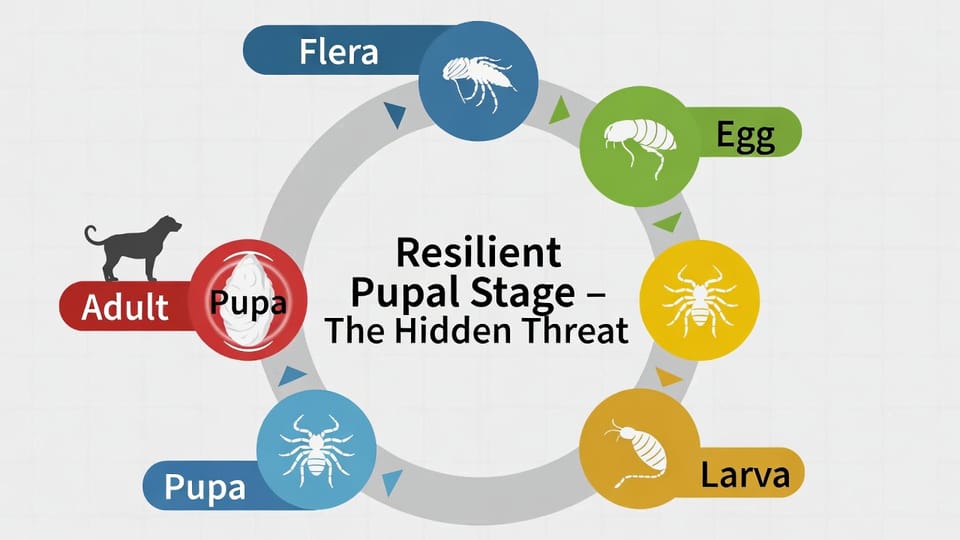
A single female flea can produce dozens of eggs daily, leading to explosive population growth if left unchecked. Here’s how each stage contributes to the problem:
- Eggs — Tiny, pearl-like, and non-sticky; they drop off pets into carpets, rugs, and cracks within hours. Hatch time ranges from 2 to 14 days depending on temperature and humidity.
- Larvae — Worm-like, legless, and light-avoiding; they feed on organic debris and flea feces (dried blood) in dark areas. This stage lasts 5–18 days.
- Pupae — Encased in sticky silk cocoons that blend into fibers; extremely durable against vacuuming, many sprays, heat, and cold. Pupae can stay dormant for weeks to months, emerging only when triggered by movement, heat, or exhaled breath.
- Adults — The biting, jumping stage we see; they live on the host to feed, mate, and lay eggs—representing just 5% or less of the total population.
The pupal stage is the critical breakpoint. Because pupae resist most quick-kill treatments, new adults keep emerging long after visible fleas disappear. This explains why “treated” pets suddenly have fleas again.
Why Pet-Only Treatments Almost Always Fail
Focusing solely on adult fleas on your pet addresses the smallest portion of the infestation. Common adulticides kill biting fleas quickly, but they do nothing to stop developing eggs, larvae, or pupae in the environment.
Within 2–3 weeks, surviving immature fleas mature and jump back onto pets—restarting egg production. Pet owners often experience:
- Recurring itching and scratching
- Flea allergy dermatitis in sensitive animals
- Secondary skin infections
- Increased risk of tapeworm transmission
Without breaking the environmental cycle, success remains temporary. Integrated pest management—treating both home and pet simultaneously—is the evidence-based solution.
The Proven Multi-Pronged Strategy to Break the Cycle
Success depends on hitting all lifecycle stages concurrently. Follow these essential components:
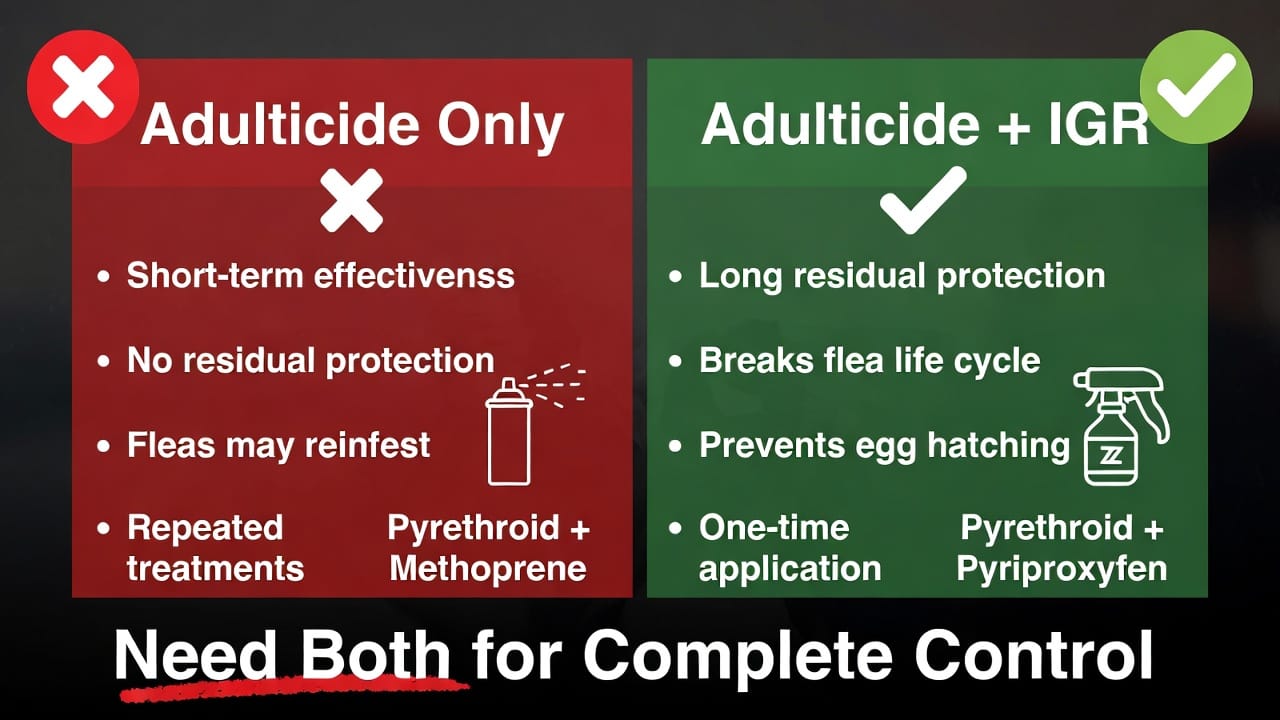
- Insect Growth Regulators (IGRs) — Key preventives like methoprene or pyriproxyfen; applied via home sprays or foggers, they stop eggs from hatching and larvae from maturing into adults. IGRs provide months of residual protection.
- Adulticides — Fast-acting ingredients kill existing adult fleas on contact; used in home treatments and pet products for immediate relief.
- Consistent Pet Protection — Monthly veterinarian-approved spot-ons, oral preventives, or collars that kill adults and often include IGR-like effects to reduce egg laying.
- Mechanical Support — Daily vacuuming (dispose of bag immediately), weekly hot-wash of pet bedding, steam cleaning where possible.
Combining an IGR with an adulticide in the home is especially powerful—it kills current adults while blocking future generations.
Follow This Effective Treatment Timeline
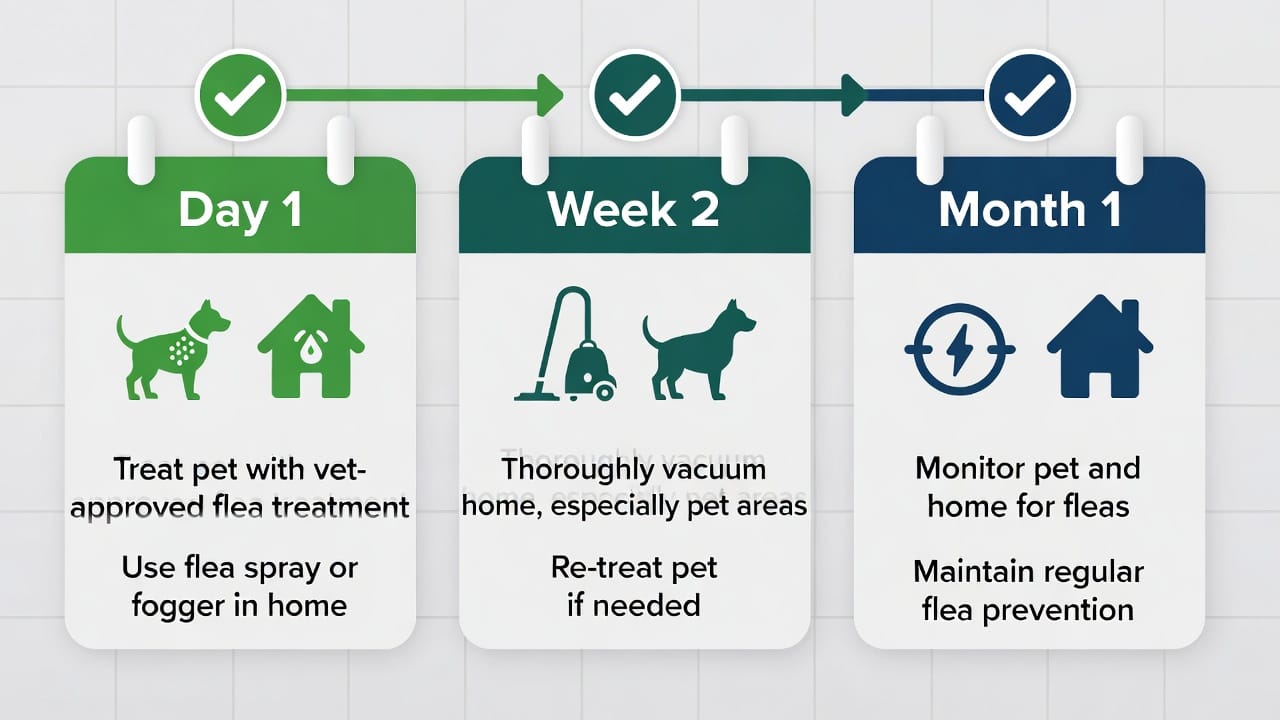
Structure your efforts for maximum impact:
- Day 1 — Treat every pet with a reliable adult-killing product. At the same time, apply an IGR + adulticide spray or fogger throughout living areas (focus on pet zones, carpets, upholstery, cracks). Vacuum first and discard debris outside.
- Week 2 — Vacuum thoroughly again to remove newly emerged or hatching fleas. Reapply pet treatment if using short-duration products; spot-spray high-risk areas.
- Month 1 — Assess for any signs of activity. Maintain monthly pet protection and consider a light follow-up home treatment if needed.
This overlapping approach depletes the hidden pupal reservoir before new adults can reproduce.
Final Thoughts: End the Infestation for Good
The flea lifecycle is designed for survival, but a well-timed, multi-level attack overcomes it. By treating your home environment with insect growth regulators and adulticides while maintaining strong pet protection, you target the resilient pupal stage and stop the cycle permanently.
Don’t settle for temporary fixes. Break the cycle for good.
Affordable Pest Control You Can Trust – Call Today