The Fall Lawn Preparation: Setting Your Turf Up for Spring Success
As summer fades and cooler breezes arrive, the most impactful season for fall lawn preparation begins. Far from being the end of the growing year, autumn offers your turf its best opportunity to build strength below the surface. With reduced heat stress and slower top growth, grass directs energy into root development, creating a foundation that powers rapid spring green-up and overall resilience.
Prepare Your Lawn for a Perfect Spring – Call Now!
Investing in targeted autumn tasks today means fewer headaches tomorrow. Fall fertilization, thoughtful leaf management, precise final mowing height adjustments, and proactive weed control work together to protect your lawn through winter dormancy and deliver the thick, lush carpet you want when warmer days return. This guide delivers clear, actionable steps grounded in proven lawn science. Follow them confidently and rest assured your turf will emerge healthier and more vibrant than ever.
Why Fall Delivers the Strongest Results for Spring Success
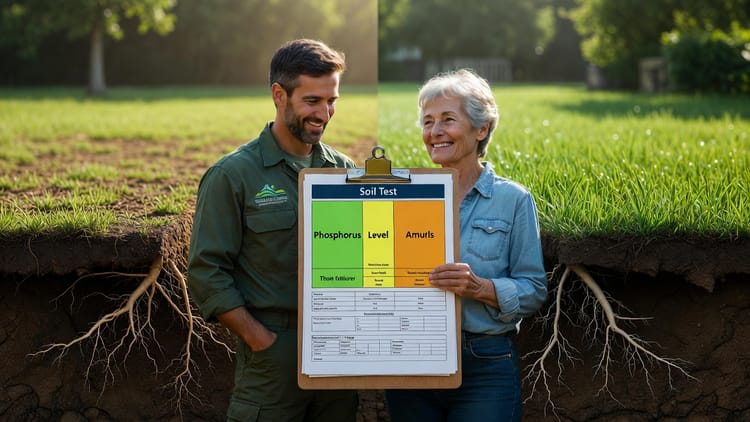
Nature designed cool-season grasses to thrive when temperatures drop. Soil remains warm enough for root activity while air cools, minimizing evaporation and disease pressure. This window allows nutrients to sink deep, fortifying the plant against freezing cycles and spring fungal issues.
Homeowners who complete fall lawn preparation consistently report faster recovery, fewer bare patches, and reduced summer watering needs. Neglect these steps, however, and you risk weak root systems, thatch accumulation, and aggressive weed invasion that steals nutrients in spring. The reassuring truth is that simple, timely actions produce outsized rewards. Your lawn will reward you with deeper color, thicker density, and greater durability for years ahead.
The Power of Fall Fertilization: Building Roots That Last
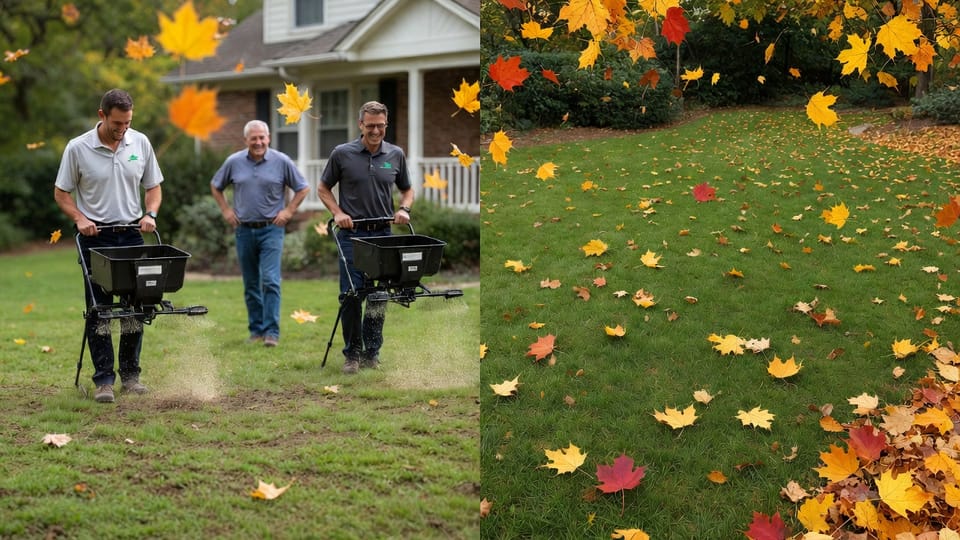
Fall fertilization stands as the single most important task for spring success. Unlike summer feeds that push excessive blade growth, autumn formulas emphasize high potassium to strengthen cell walls, improve drought tolerance, and enhance cold hardiness. Potassium also helps the grass store carbohydrates, giving it the energy reserves needed for explosive spring growth.
Apply a slow-release product labeled for fall use when soil temperatures hover between 50°F and 65°F—typically mid-September through mid-October in most regions. Use a broadcast spreader for uniform coverage at the rate recommended on the bag, then water lightly to activate.
Key benefits of proper fall feeding include:
- Deeper, more extensive root systems that anchor turf through winter
- Improved resistance to common diseases and pests
- Faster, greener spring green-up with less fertilizer needed later
- Reduced risk of winter damage and nutrient runoff
Homeowners often worry about over-fertilizing, yet following label instructions eliminates that concern. The result is a lawn that wakes up stronger and stays greener longer. Many clients tell us their neighbors ask what “secret” they used—yet the answer is simply smart timing and the right high-potassium fertilizer.
Mastering Leaf Management: Mulching Versus Complete Removal
Fallen leaves add organic matter when handled correctly, yet thick layers create problems. Leaf management therefore requires balance.
When leaves are light to moderate, mulching them directly into the lawn recycles nutrients and returns nitrogen to the soil. Modern mulching mowers chop leaves finely enough that they disappear within days, feeding earthworms and improving soil structure without smothering grass.
Heavy leaf cover, however, demands removal to prevent mold, thatch buildup, and blocked sunlight that weakens turf. Use a blower or rake for thick piles, then compost or bag for municipal pickup.
Practical tips for success:
- Mulch every five to seven days during peak drop to keep layers thin
- Remove leaves from low-lying or shaded areas where moisture lingers
- Never allow leaves to remain through first hard frost
By choosing the right approach for your specific yard, you turn potential problems into free fertilizer while protecting grass health. Clients who follow this strategy report noticeably thicker spring growth and fewer disease issues.
Setting the Ideal Final Mowing Height
Your last few mows of the season play a surprisingly large role in winter survival. Lowering the final mowing height gradually to two to two-and-a-half inches removes excess foliage that could trap moisture and invite snow mold. Shorter grass also allows better air circulation and reduces the chance of matted debris over winter.
Continue mowing as long as grass grows—often into November—never cutting more than one-third of the blade at once. Sharp blades prevent tearing that opens doors to disease.
Benefits of proper final height include:
- Reduced risk of fungal diseases under snow cover
- Cleaner transition into dormancy
- Faster green-up when spring temperatures rise
This simple adjustment costs nothing yet delivers measurable protection. Homeowners who adopt it often notice their lawn looks tidier through late fall and bounces back quicker in March and April.
Proactive Weed Control That Prevents Spring Headaches
Fall offers the most effective window for weed control. Perennial broadleaf weeds actively move nutrients to roots, making them highly susceptible to targeted treatments. Applying a selective broadleaf herbicide in early to mid-fall delivers results that last into the next season.
For prevention, consider a pre-emergent product timed for late fall to stop winter annuals before they germinate. Always choose products labeled safe for your grass type and follow label directions precisely.
Essential weed-control practices:
- Spot-treat visible weeds before they seed
- Apply broadleaf herbicide on calm days above 50°F
- Follow with fall fertilization to help desirable grass outcompete survivors
Consistent weed control in autumn means dramatically fewer dandelions, clover, and chickweed when spring arrives. You’ll spend less time pulling weeds and more time enjoying your lawn.
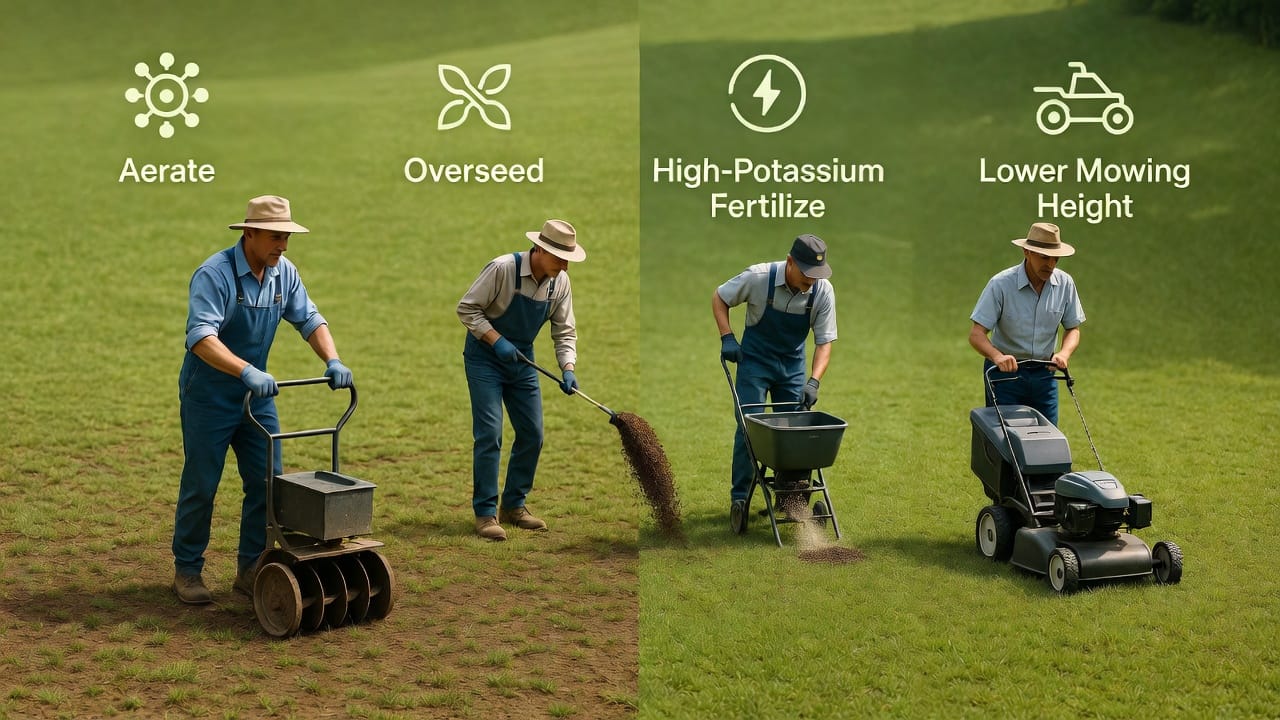
Additional Essential Tasks: Aeration and Overseeding
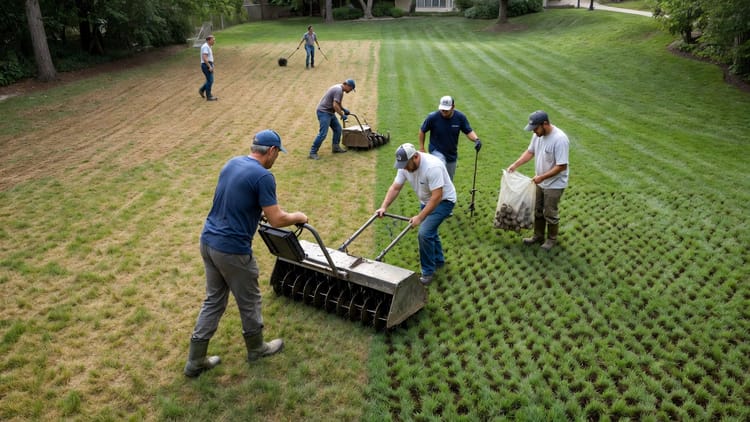
Compacted soil limits root growth and water penetration. Aeration punches small holes that relieve pressure, improve oxygen flow, and allow fertilizers to reach deeper levels. Perform this service once every two to three years on high-traffic lawns or clay soils.
Overseeding fills thin spots and increases density. Choose a seed blend matched to your grass type, spread evenly after aeration, and keep the area lightly moist until germination. Combined with high-potassium fertilizer, these steps create a thicker lawn that naturally crowds out weeds.
Lower mowing height at season’s end ties everything together, ensuring a clean finish before dormancy. When performed as a coordinated program, these tasks deliver professional results homeowners can be proud of.
Timing Your Fall Lawn Care Calendar for Maximum Impact
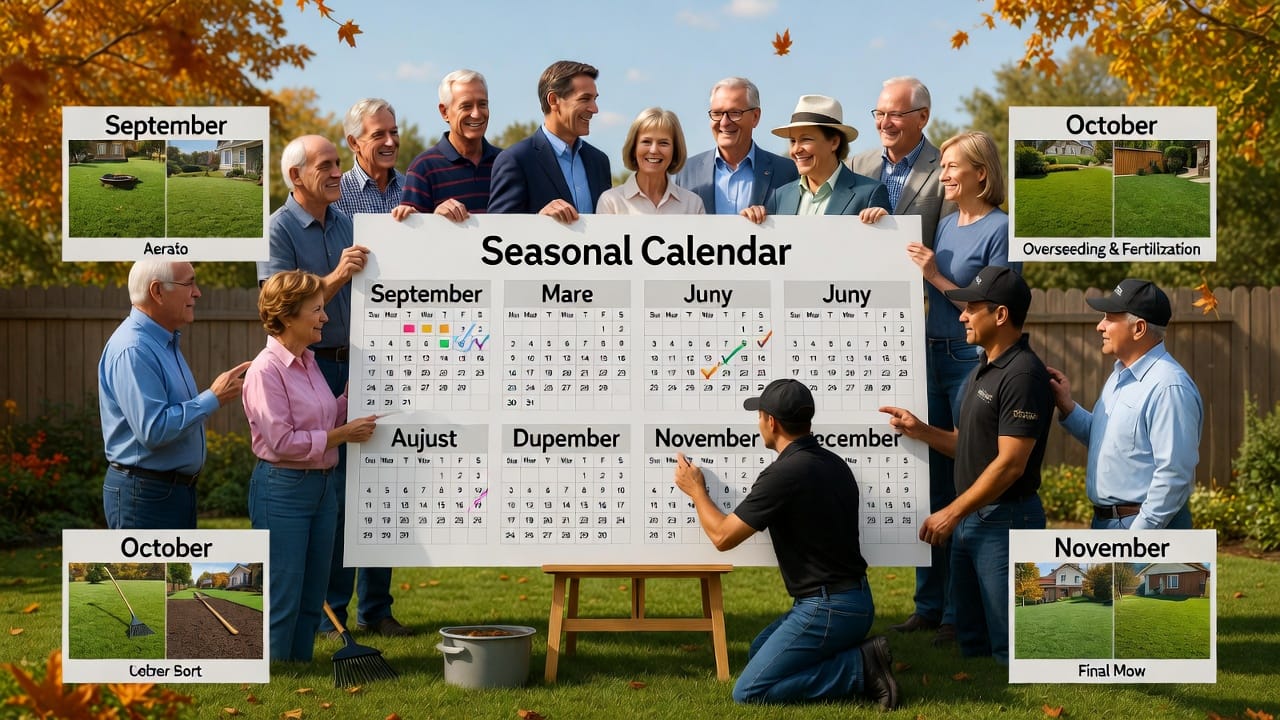
Success hinges on proper sequencing. Early September focuses on aeration and overseeding while soil is still warm. Mid-October brings the primary fall fertilization and broadleaf weed control. Late November delivers the final mow and leaf cleanup.
Following this natural progression ensures each task supports the next. Your lawn enters winter prepared and exits stronger than ever.
Common Pitfalls to Avoid for Guaranteed Success
Even experienced homeowners sometimes err by fertilizing too late, leaving heavy leaf layers, or mowing too short too early. Avoid these by monitoring soil temperature and weather forecasts. Never apply products before rain is forecast, and always test small areas first when trying new techniques.
With careful attention, you eliminate guesswork and achieve consistent, beautiful results year after year.
Enjoy the Rewards of a Well-Prepared Lawn
When spring finally arrives, the effort invested in fall lawn preparation becomes obvious. Your turf greens up faster, grows thicker, and resists stress better than neighboring yards. The investment of time and proper products pays dividends in beauty, durability, and reduced maintenance throughout the coming season.
Protect & Strengthen Your Turf This Autumn – Call Now