The Expansion Valve Failure: How TXV Problems Affect Cooling Performance
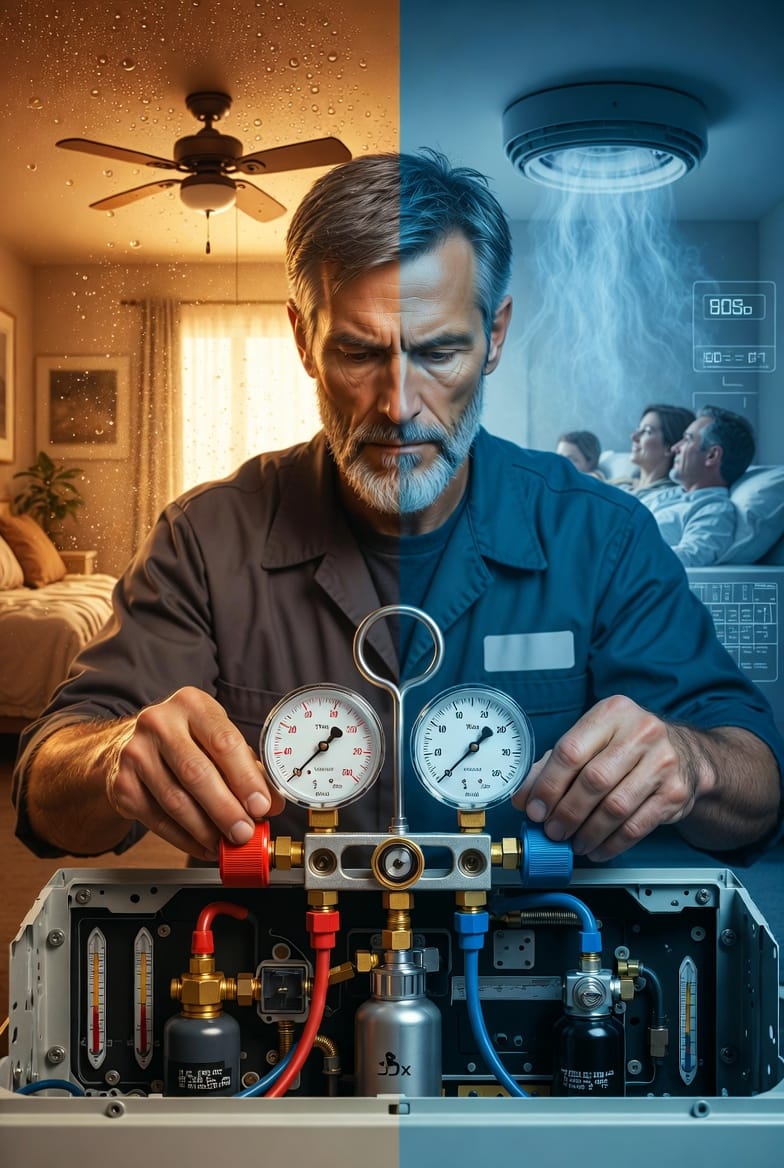
In any well-functioning HVAC system, the thermal expansion valve (TXV) plays a silent but critical role in delivering consistent, efficient cooling. When this component fails, even the most advanced air conditioner can struggle to maintain comfortable indoor temperatures. Understanding TXV problems and their direct impact on cooling performance empowers homeowners to recognize issues early and seek expert help before minor faults escalate into costly breakdowns.
Fix Your TXV Today – Restore Full Cooling Performance Now!
Thermal expansion valves are precision-engineered devices designed to regulate refrigerant flow into the evaporator coil. By maintaining optimal superheat, the TXV ensures the refrigerant absorbs maximum heat without flooding the compressor or starving the coil. Proper refrigerant metering is essential for system efficiency, energy savings, and long-term reliability. When the valve malfunctions, the entire cooling cycle suffers — leading to reduced capacity, higher utility bills, and premature wear on other components.
Understanding the Role of the Thermal Expansion Valve in Your HVAC System
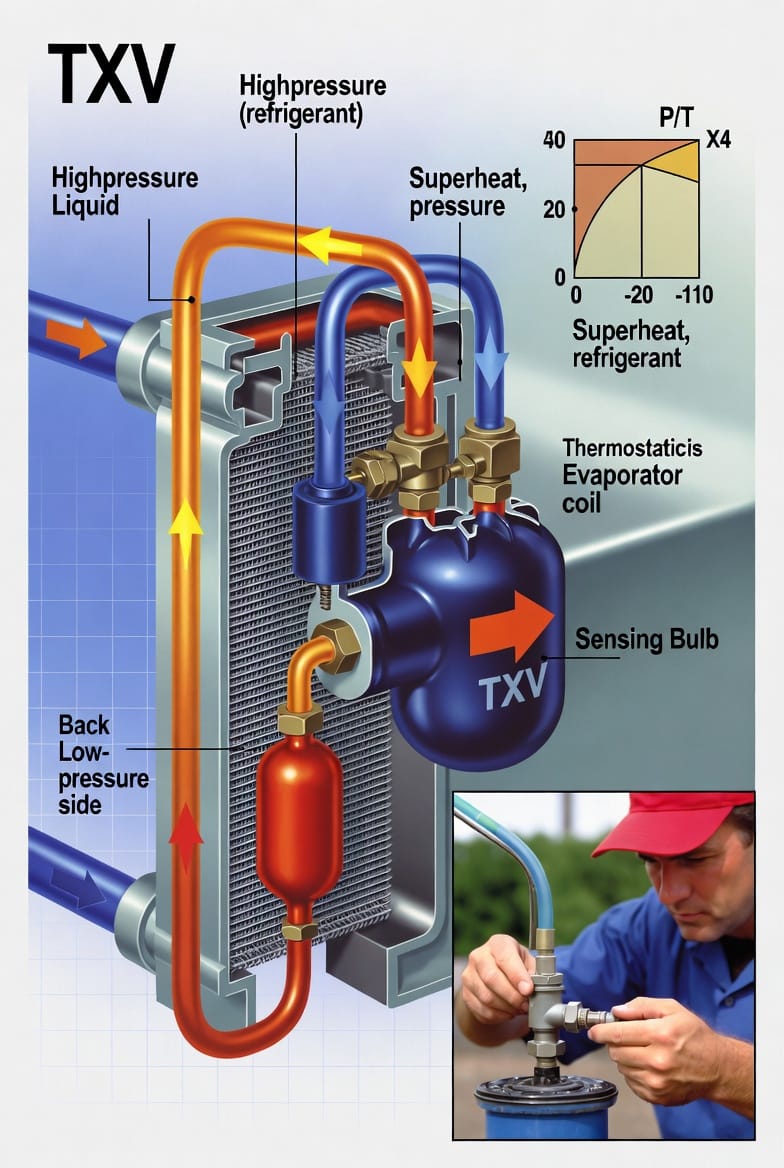
The TXV is more than a simple valve; it is the intelligent regulator that adapts refrigerant delivery to varying load conditions. Located at the inlet of the evaporator coil, it responds to temperature and pressure signals from a sensing bulb and an internal diaphragm. This dynamic adjustment prevents liquid refrigerant from entering the compressor while maximizing heat absorption in the evaporator.
In modern HVAC units, a properly functioning thermal expansion valve contributes to:
- Consistent cooling output across fluctuating outdoor temperatures
- Improved energy efficiency by avoiding over- or under-feeding of refrigerant
- Protection of the compressor from damaging liquid slugging
- Extended system lifespan through balanced operation
Homeowners often overlook this component until performance drops noticeably. Yet TXV failure ranks among the top causes of poor cooling in residential and light commercial systems. Early recognition and professional intervention restore comfort quickly and prevent secondary damage.
How the TXV Regulates Refrigerant Flow for Optimal Performance
The TXV operates on the principle of superheat control. The sensing bulb, filled with a temperature-sensitive charge, attaches to the suction line leaving the evaporator. As evaporator outlet temperature rises, the bulb pressure increases, opening the valve to allow more refrigerant. Conversely, excessive cooling closes the valve, maintaining the ideal 8–12°F superheat range in most systems.
This precise refrigerant metering ensures the evaporator coil operates at peak efficiency. Too little refrigerant results in high superheat and reduced cooling capacity. Too much causes low superheat, risking liquid return to the compressor. The valve’s internal spring and diaphragm work in harmony to balance forces, delivering exactly the right amount of refrigerant under all conditions.
Proper TXV function translates directly to lower energy consumption and quieter operation. When the valve performs as designed, your system achieves the cooling capacity it was engineered to deliver — without unnecessary strain.
Common Signs of TXV Failure You Should Never Ignore
Recognizing TXV problems early can save significant repair costs and restore comfort faster. Watch for these authoritative indicators:
- Warm air from vents despite the system running continuously
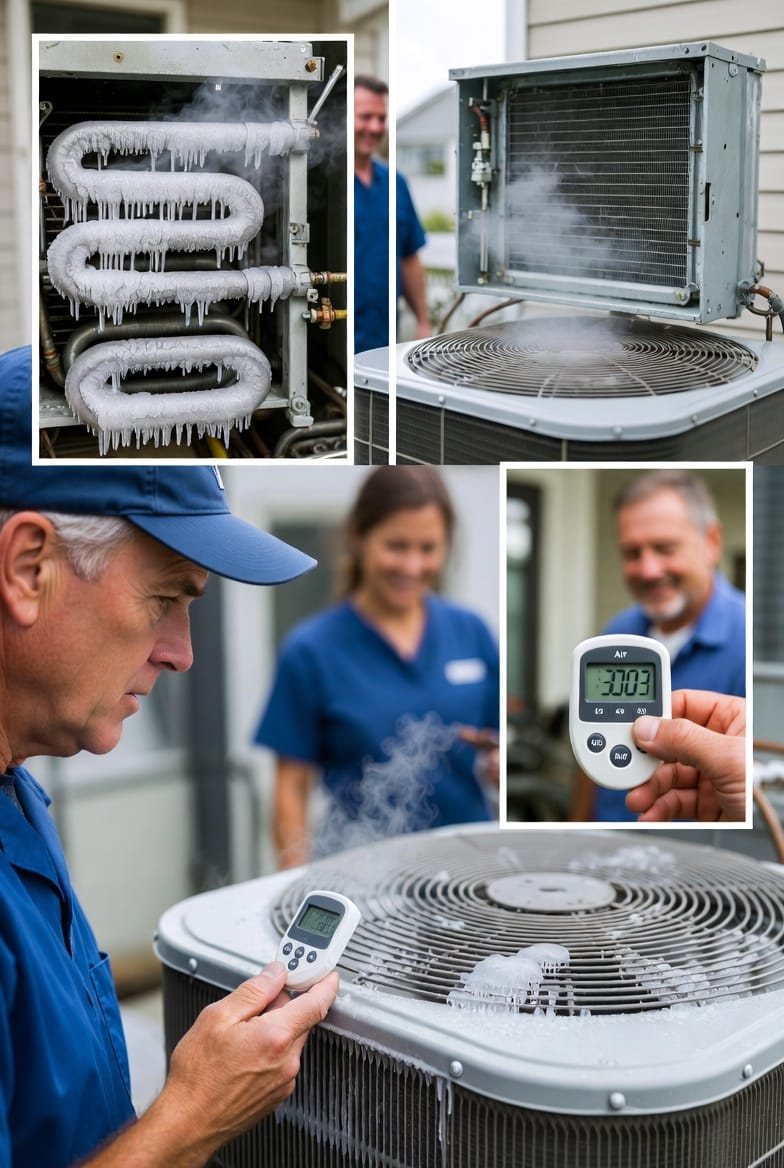
- Ice or frost buildup on the evaporator coil or suction line
- Hissing or bubbling sounds near the TXV or evaporator
- Longer-than-normal run times with insufficient temperature drop
- Higher than normal energy bills without changes in usage
- Compressor short-cycling or unusual noises from the outdoor unit
These symptoms often appear gradually. A failing expansion valve may first show as slight temperature inconsistencies, then progress to dramatic performance loss. Freezing coils occur when the valve under-feeds refrigerant, causing the evaporator temperature to drop below freezing. Conversely, an over-feeding valve can produce hissing as liquid refrigerant flashes prematurely.
Insufficient cooling is the most common complaint. Homeowners notice hot spots, humidity buildup, or rooms that never reach the thermostat setting. These issues stem directly from improper refrigerant flow regulation.
How TXV Problems Directly Impact Cooling Performance
When the thermal expansion valve fails, cooling performance declines in measurable ways. Under-feeding reduces the evaporator’s ability to absorb heat, resulting in higher supply-air temperatures and longer run times. The system works harder yet delivers less cooling — driving up energy consumption by 20–30% in severe cases.
Over-feeding creates the opposite problem: liquid refrigerant returns to the compressor, causing inefficient operation and potential mechanical damage. Both scenarios lead to:
- Reduced dehumidification and uncomfortable indoor humidity
- Increased wear on the compressor and other components
- Higher operating costs and potential premature system failure
In extreme cases, untreated TXV failure can trigger safety shutdowns or cause the entire system to stop cooling altogether. The reassuring news is that professional diagnosis and replacement restore full performance quickly, often within the same service visit.
Common Causes of Expansion Valve Failure
Several factors contribute to TXV problems over time:
- Contaminants in the refrigerant line restricting the valve orifice
- Moisture intrusion causing internal corrosion or ice formation inside the valve
- Wear on the sensing bulb or diaphragm from normal aging
- Incorrect superheat adjustment during previous service
- System overcharge or undercharge stressing the valve
Manufacturing defects are rare, but improper installation or mismatched TXV sizing can accelerate failure. Regular maintenance dramatically reduces these risks by keeping the refrigerant circuit clean and properly charged.
Professional Diagnosis and Replacement Considerations
Accurate diagnosis requires specialized tools and training. Technicians use digital manifolds, temperature probes, and superheat calculations to confirm TXV failure versus other issues like low charge or dirty coils. Replacement involves recovering refrigerant, installing a correctly sized valve, evacuating the system, and recharging to manufacturer specifications.
TXV replacement is a precision task best left to licensed professionals. Attempting DIY repair risks voiding warranties, introducing contaminants, or creating new leaks. When performed correctly, the repair returns the system to like-new efficiency and provides years of reliable service.
Considerations during replacement include:
- Matching the exact TXV model and tonnage to your system
- Verifying proper superheat after installation
- Checking the entire refrigerant circuit for additional issues
- Updating the filter-drier to protect the new valve
Preventive Maintenance Tips to Protect Your TXV
Proactive care keeps the thermal expansion valve functioning optimally:
- Schedule annual professional tune-ups before peak cooling season
- Replace air filters monthly to maintain clean airflow
- Keep outdoor units free of debris and vegetation
- Address any refrigerant leaks immediately
- Never ignore early warning signs of poor performance
These simple steps minimize TXV problems and extend overall system life while keeping energy bills in check.
Why Timely Professional Intervention Matters
Delaying repair of a suspected expansion valve failure leads to cascading damage and higher costs. Rest assured, expert HVAC technicians possess the knowledge and equipment to diagnose and resolve TXV issues efficiently. A single service call often prevents thousands in future repairs and restores reliable, energy-efficient cooling immediately.
Call Now for Expert TXV Diagnosis & Fast Repair