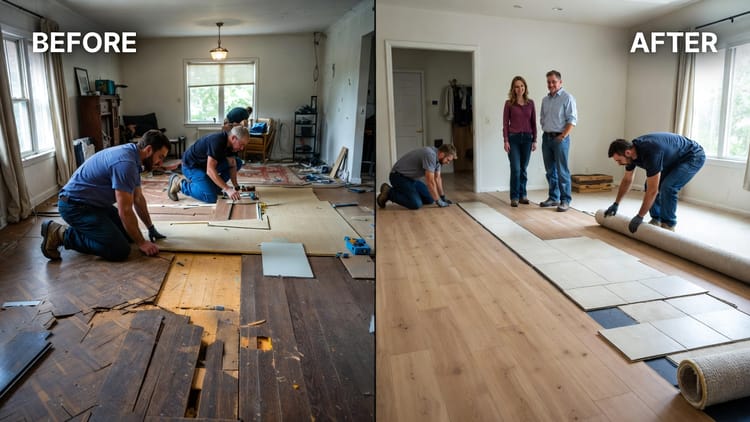
The Engineered Hardwood Evolution: Stability, Versatility, and Modern Installation Methods
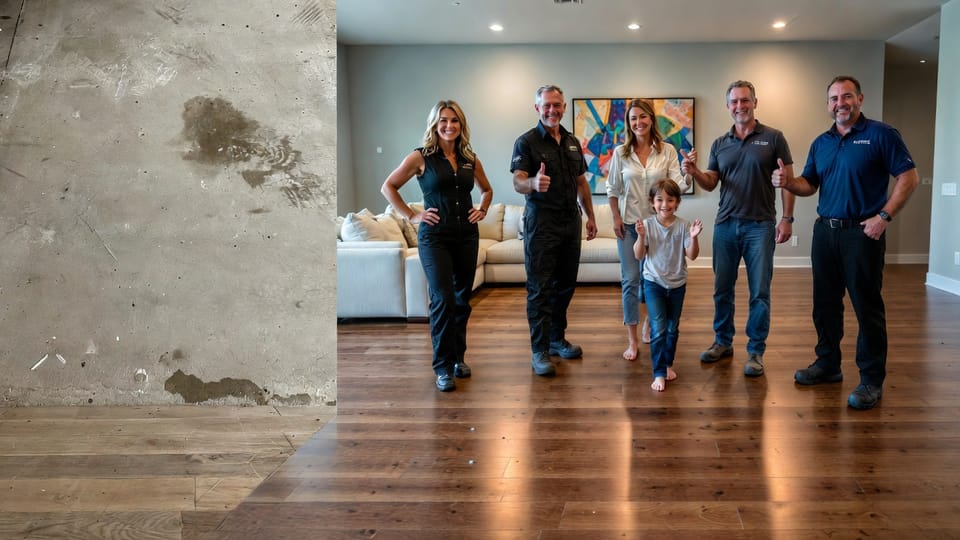
In the world of premium residential and commercial flooring, engineered hardwood stands as the pinnacle of intelligent design. No longer a compromise, today’s engineered hardwood flooring offers the authentic beauty of real wood with performance characteristics that surpass traditional solid hardwood in nearly every modern living situation.
Install Engineered Hardwood with Confidence – Contact Us Now
Homeowners and builders alike now demand solutions that combine timeless aesthetics with unmatched dimensional stability, moisture resistance, and installation flexibility. This 1920-word guide reveals exactly why engineered hardwood has become the preferred choice for basements, concrete slabs, radiant-heat homes, and high-traffic spaces across North America.
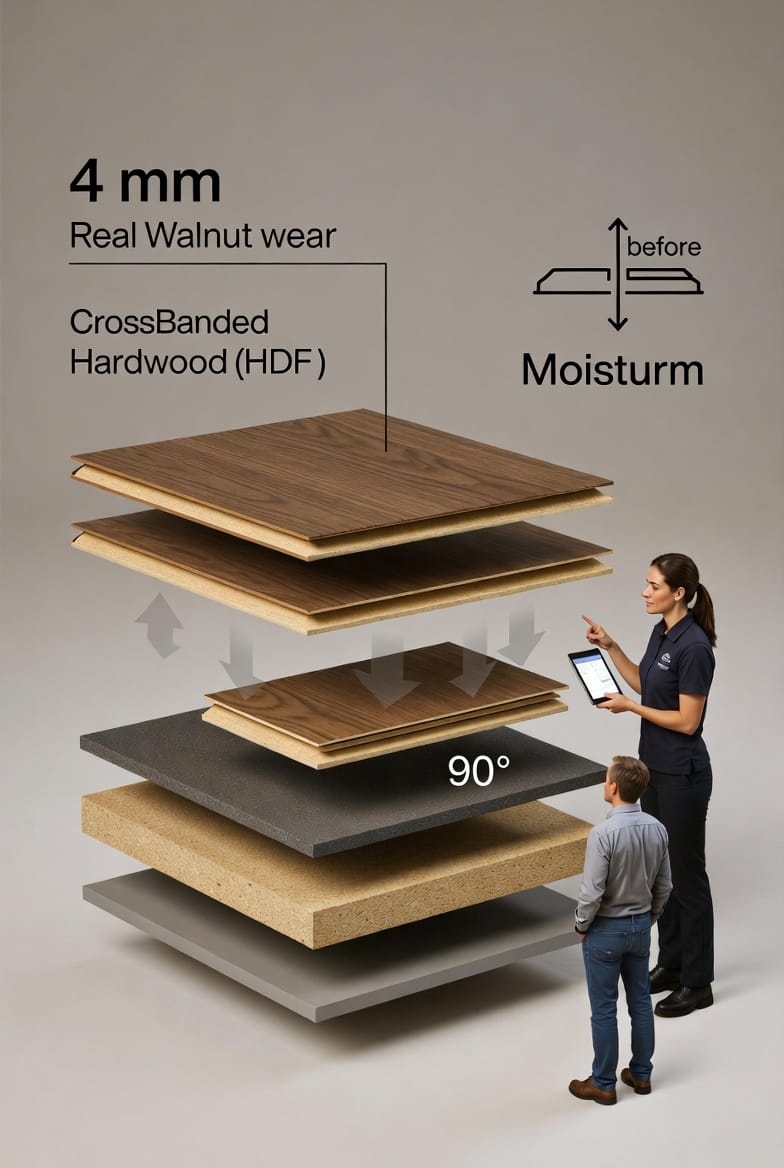
Cross-ply construction is the breakthrough technology driving this evolution. Unlike solid hardwood milled from a single piece of timber, engineered hardwood features a genuine hardwood wear layer bonded to multiple layers of plywood or high-density fiberboard arranged in alternating grain directions. This cross-banded core dramatically reduces expansion and contraction caused by humidity fluctuations – the primary cause of cupping, buckling, and gapping in solid floors.
What Makes Engineered Hardwood the Premium Choice
Engineered hardwood flooring delivers the warmth, grain, and character homeowners love while solving the real-world problems that plague solid wood. The top wear layer – typically 2 mm to 6 mm of premium species such as European oak, American walnut, or maple – provides the same sanding and refinishing potential as solid hardwood, yet the stable core allows safe installation in environments once considered off-limits.
You can confidently place engineered hardwood directly over concrete slabs, in below-grade basements, over radiant heating systems, and even in coastal or humid climates where solid hardwood would fail. This versatility eliminates the need for costly plywood subflooring or moisture barriers that solid installations often require.
Key advantages at a glance:
- Superior moisture stability – up to 75% less seasonal movement
- Faster, cleaner installation options
- Compatibility with concrete and radiant heat
- Wider plank formats up to 9 inches without structural risk
- Lower overall project cost due to reduced subfloor preparation
The Science Behind the Stability
At the heart of every high-performance engineered hardwood plank lies cross-ply construction. The wear layer sits atop three to nine layers of wood veneers or HDF, each oriented at 90-degree angles to the layer above and below. This balanced sandwich construction counteracts the natural tendency of wood to expand across the grain when humidity rises and contract when it falls.
Laboratory testing consistently shows engineered planks exhibiting less than 0.2% change in width under extreme 20–80% relative humidity swings – a figure solid hardwood cannot match. The result? Floors that remain flat, quiet, and beautiful for decades, even in challenging basements or over concrete.
Engineered Hardwood vs. Solid Hardwood: Side-by-Side Reality Check
When clients ask which is better, the answer is clear once performance metrics are compared:
The data speaks for itself. Engineered hardwood wins on every practical metric while delivering identical visual beauty.
Modern Installation Methods Explained
Today’s engineered hardwood offers three proven installation methods, each suited to specific project requirements.
1. Floating Installation
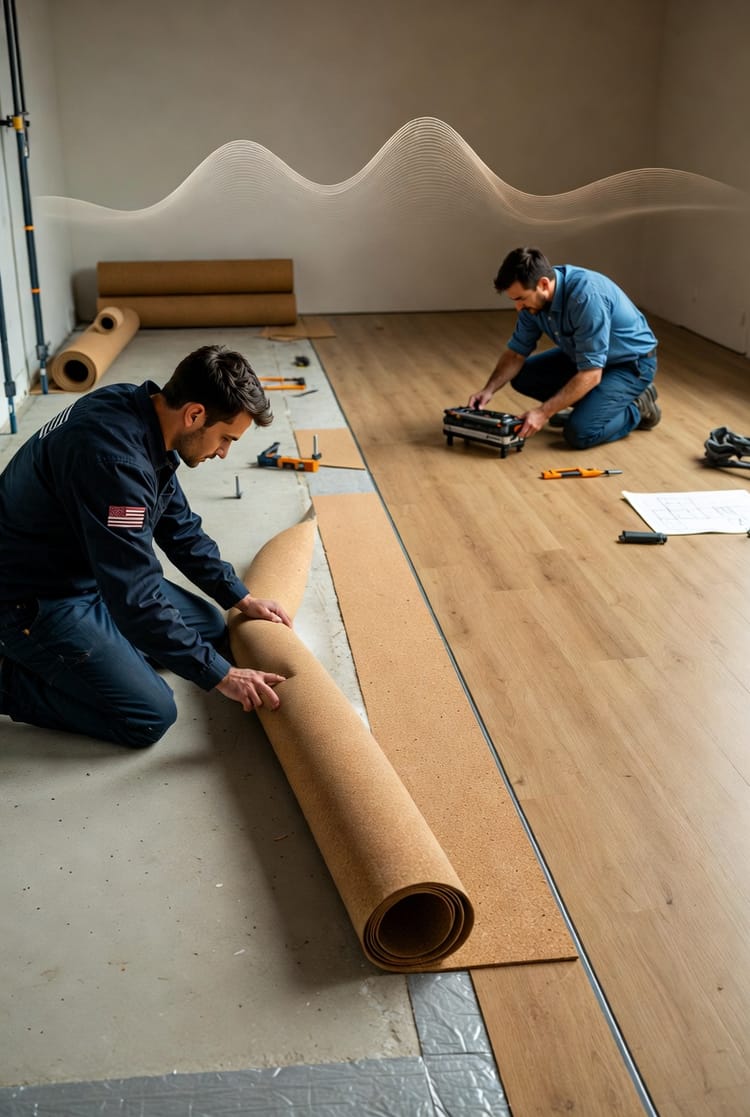
The fastest and most popular method for concrete slabs and basements. Planks click together over a thin acoustic underlayment. No glue, no nails. Perfect for DIY-savvy homeowners and rental properties where future removal may be needed. The floating system allows natural movement while the cross-ply core keeps everything perfectly flat.
2. Glue-Down Installation
For maximum stability and quietness, full-spread glue-down directly to concrete or properly prepared subfloors remains the gold standard in high-traffic commercial and luxury residential settings. Modern urethane adhesives create a permanent bond while still allowing the engineered plank to breathe slightly – eliminating the hollow sound sometimes associated with floating floors.
3. Nail-Down Installation
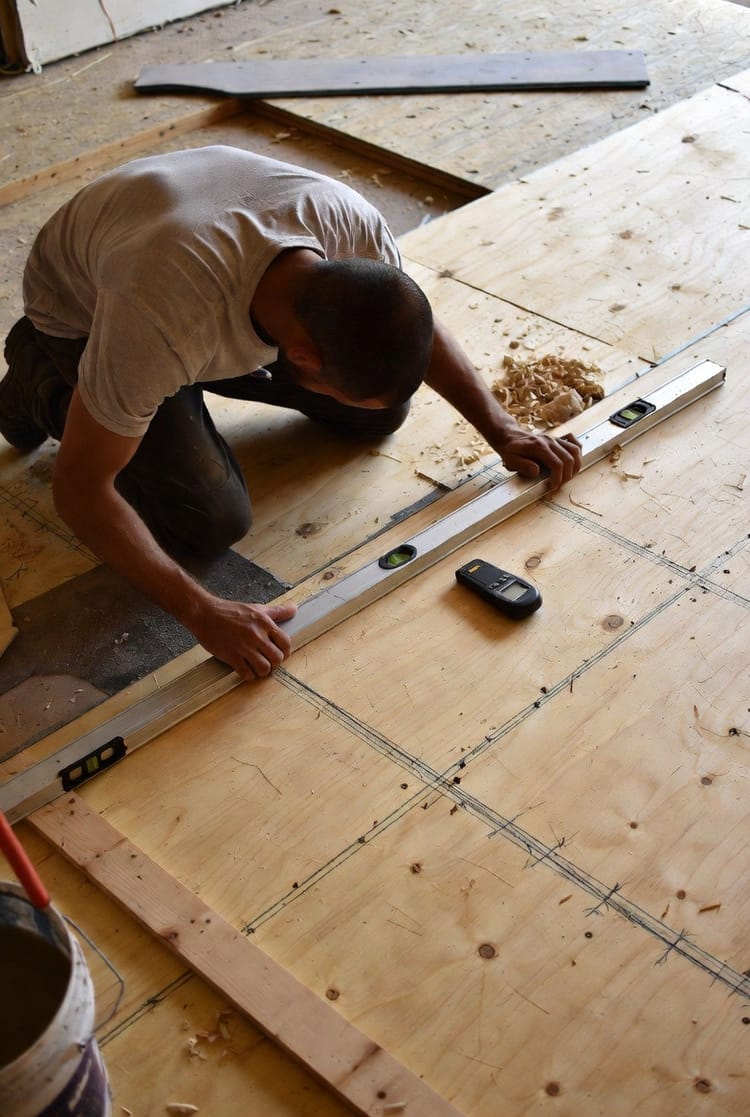
When installing over existing wood subfloors or plywood, secret nailing or cleat nailing provides the traditional solid feel many homeowners desire. Because the core is already stable, installers can use wider planks and longer runs without the expansion gaps required for solid hardwood.
Each method benefits from the inherent stability of engineered hardwood, giving contractors and homeowners multiple paths to success regardless of substrate or site conditions.
Installing with Confidence in Basements and Over Concrete
Basements were once the final frontier for hardwood. No longer. With engineered hardwood, you can achieve the warm, elegant look of wood in spaces that regularly experience higher humidity. Proper moisture testing (calcium chloride or RH probe) followed by industry-standard vapor retarders ensures long-term success. Thousands of successful basement transformations prove that engineered hardwood performs where solid wood fails.
Maintenance That Lasts a Lifetime
Caring for engineered hardwood is remarkably simple. Regular sweeping, occasional damp mopping with manufacturer-approved cleaners, and felt pads on furniture keep the floor looking showroom-new for decades. When the time comes for refreshing, a light screen and recoat or full sand (on thicker wear layers) restores the original beauty without the extensive downtime solid floors often require.
Environmental Responsibility Meets Premium Performance
Responsible manufacturers source engineered hardwood from well-managed forests, using FSC-certified materials and low-VOC adhesives. The layered construction actually uses less solid wood per square foot than traditional solid hardwood, making it a more sustainable choice without sacrificing luxury.
Investment Value and Return on Investment
Homeowners consistently report that engineered hardwood flooring increases resale value by 3–5% on average – often more in competitive markets. The combination of beauty, durability, and modern performance appeals directly to today’s buyers who refuse to compromise.
Ready to Experience the Engineered Hardwood Difference?
The evolution is complete. Engineered hardwood now delivers everything homeowners have always wanted from wood flooring – authentic beauty, exceptional stability, design versatility, and installation flexibility – without the historical limitations of solid wood.
Get the beauty of hardwood with modern performance. Explore engineered options with us at (855) 321-3621. Our flooring specialists will help you select the perfect species, width, and installation method for your home, ensuring results that exceed expectations for years to come.
Hardwood Performance, Basement-Ready – Call for Professional Guidance