The Dryer Lint Trap: Why Cleaning It Is a Fire Safety Must

Every time you load wet clothes into your dryer and press start, you rely on a small but powerful component to keep the entire process safe and efficient. That component is the dryer lint trap. While it may look like a simple screen, its job is anything but minor. When maintained properly, the lint trap protects your home from one of the most common yet preventable household dangers: dryer fires.
Protect Your Home – Schedule Dryer Vent Cleaning Today
The reassuring reality is that protecting your family does not require expensive equipment or complicated procedures. It starts with a habit that takes less than a minute after each load. This guide walks you through exactly why the dryer lint trap matters, how to recognize when it needs attention, and how to care for it so your dryer performs safely and effectively for years.
Understanding the Dryer Lint Trap: Your First Line of Defense
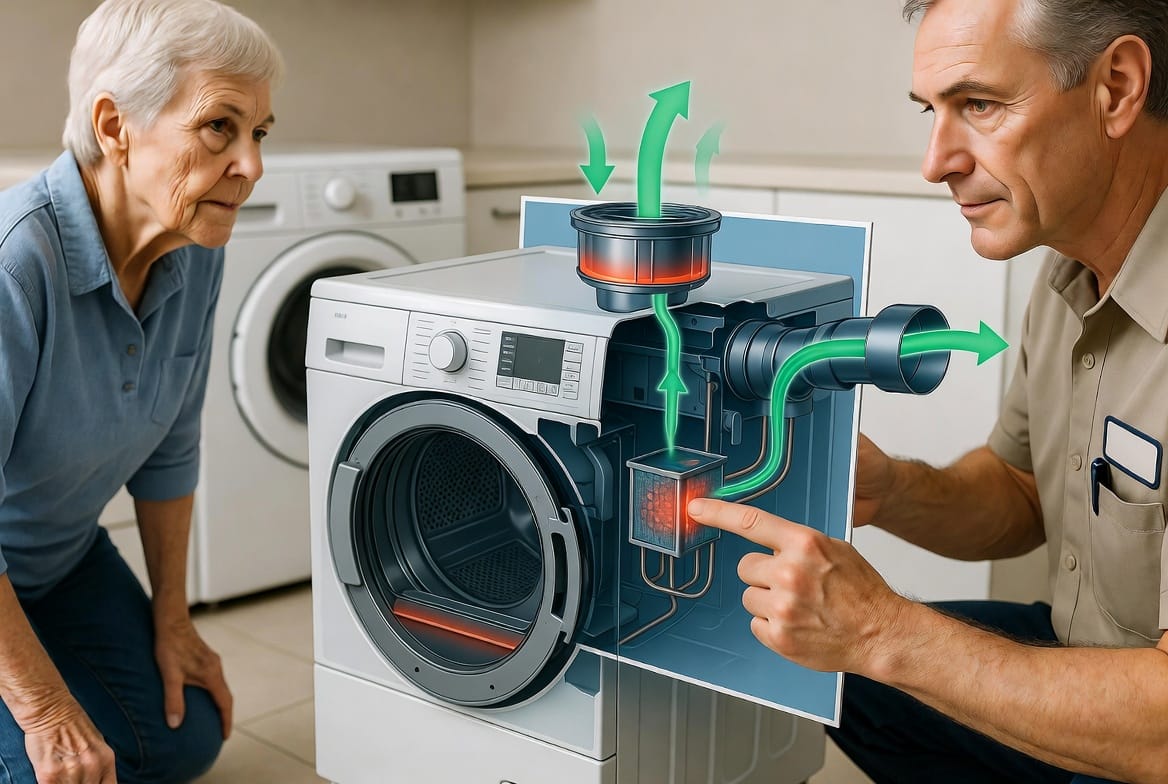
The dryer lint trap functions as the primary filter in your appliance’s airflow system. As clothes tumble in heated air, they release tiny fibers from cotton, synthetics, and other fabrics. These fibers become airborne and travel with the warm, moist air toward the exhaust. The lint trap catches the vast majority of these particles before they can move deeper into the venting system.
Most dryers position the trap at the front of the drum, either as a pull-out screen at the bottom of the door opening or as a slot near the top edge. The mesh is fine enough to capture lint while still allowing air to pass through. This design maintains proper airflow, which is essential for even drying and controlled temperatures inside the appliance.
When the lint trap operates as intended, hot air moves efficiently through the drum, picks up moisture from clothes, passes through the clean screen, and exits through the external vent. The result is faster drying cycles, lower energy use, and reduced stress on the heating element and motor.
However, the system only works when the screen remains clear. Even a thin layer of lint accumulation begins to restrict airflow. The dryer compensates by running longer, which raises internal temperatures and increases the chance that stray fibers will find their way past the trap or into the exhaust duct. Understanding this simple mechanism helps homeowners appreciate why a quick daily cleaning delivers such significant protection.
The Critical Role of Lint Trap Cleaning in Fire Prevention
Lint is highly flammable. When it builds up inside the trap or migrates into the exhaust duct, it creates a fuel source right next to the dryer’s heat. Restricted airflow from a clogged screen forces the heating element to work harder and stay on longer. The combination of concentrated heat, combustible fibers, and limited oxygen movement creates conditions where ignition becomes possible.
A clean lint trap keeps air moving freely, which helps regulate temperature and prevents the dangerous heat buildup that can ignite accumulated debris. Regular cleaning also stops lint from traveling deeper into the vent pipe, where it can form dense blockages far from view. These hidden accumulations are difficult to reach without professional tools and represent a serious long-term fire risk.
Beyond fire prevention, consistent lint trap cleaning protects your appliance investment. Restricted airflow causes the dryer to overheat, which accelerates wear on the heating element, thermostat, and drum seals. Over time this leads to more frequent repairs and shorter appliance life. Homeowners who maintain their traps often notice shorter drying times and lower utility bills, proving that small habits create meaningful savings.
The most empowering part of this maintenance is how accessible it is. Unlike many home safety tasks that require specialists, lint trap cleaning can be performed by anyone in the household after a single demonstration. This accessibility means every family can take immediate, effective action to reduce risk.
Warning Signs That Your Lint Trap Needs Attention
Your dryer will usually give clear signals when the lint trap is no longer performing properly. Learning to recognize these signs allows you to intervene early and avoid larger problems.
- Longer drying times — Clothes that once dried in forty minutes now require an hour or more. Reduced airflow means moisture cannot escape efficiently, so the cycle must run longer to achieve the same result.
- Lint on clean clothes — Finding fibers on shirts, towels, or sheets straight from the dryer indicates the trap is either full or damaged. Lint is recirculating instead of being captured.
- Dryer feels excessively hot — The exterior of the appliance or the door becomes unusually warm to the touch. This suggests heat is not venting properly and is building up inside.
- Burning or musty odor during operation — A faint burning smell or unusual odor often points to lint resting against the heating element or inside the vent.
- Visible lint around the dryer — Piles of lint on the floor, inside the door gasket, or near the exterior vent flap show that debris is escaping the trap area.
- Uneven drying results — Some items emerge damp while others are overly hot or stiff. Disrupted airflow patterns caused by a blocked screen create these inconsistencies.
If you observe any of these symptoms, stop using the dryer until you have inspected and cleaned the lint trap. Persistent issues after cleaning usually indicate that lint has moved deeper into the venting system and requires professional attention.

Your Daily Safety Habit: Cleaning the Lint Trap After Every Load
The single most effective step you can take is also the simplest: clean the lint trap after every load of laundry. This habit prevents gradual buildup and keeps airflow unobstructed from the very first use.
Follow these steps for thorough, safe cleaning:
- Open the dryer door and locate the lint trap, usually at the bottom front or top edge of the opening.
- Pull the trap straight out using the handle or tab. Avoid forcing it if it feels stuck; gentle wiggling usually frees it.
- Peel the lint away from both sides of the screen using your fingers. For stubborn clumps, tap the trap gently over a trash can or use a soft brush.
- Hold the screen up to the light and inspect for tears, holes, or warping. Replace the trap immediately if any damage appears.
- Wipe the slot or housing with a dry cloth or vacuum attachment to remove any remaining fibers.
- Slide the clean trap back into place until it seats firmly. A loose trap allows air to bypass the filter.
This entire process takes less than sixty seconds once it becomes routine. Many households assign the task to older children, turning it into a practical lesson in home safety and responsibility.
Annual Deep Cleaning for Lasting Performance
While daily cleaning handles surface lint, an annual deep clean addresses residue that builds up over time. Fabric softener, body oils, and fine dust can create a sticky film on the screen and inside the trap housing that simple wiping may miss.
Remove the trap and soak it in warm water with a drop of mild dish soap. Use a soft toothbrush to gently scrub both sides, then rinse thoroughly and allow it to dry completely before reinstalling. Vacuum the trap cavity and surrounding areas with a brush attachment to capture hidden debris.
This deeper maintenance restores maximum airflow and often results in noticeably shorter drying cycles. It also gives you an opportunity to check the connection between the dryer and the exhaust duct for any obvious issues.
Professional Dryer Vent Cleaning: When Expertise Is Required
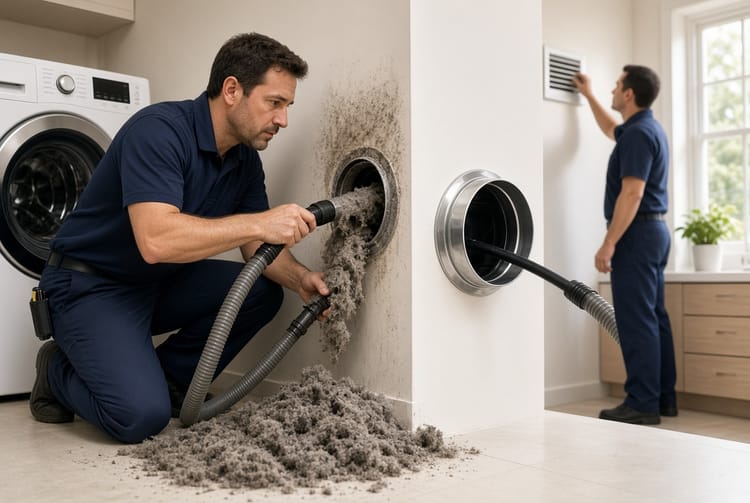
Even with perfect daily habits, some lint escapes the trap and travels into the exhaust venting. Over months and years this material can accumulate in sections of pipe that run through walls, attics, or crawl spaces—areas homeowners cannot safely or easily reach.
Professional dryer vent cleaning uses specialized rotary brushes, powerful vacuums, and inspection cameras to remove every trace of buildup. Technicians also inspect the full length of the vent for damage, improper routing, or obstructions that DIY methods cannot address.
Scheduling professional service every twelve to twenty-four months provides comprehensive protection that complements your daily efforts. For dependable dryer vent cleaning performed by trained experts who prioritize safety and thoroughness, call our team at (855) 321-3582. We arrive equipped to handle any venting configuration and leave your system clear and functioning at peak efficiency.
Creating a Stronger Laundry Safety Routine
Lint trap cleaning works best when combined with other smart practices. Never overload the dryer, as this increases lint production and restricts airflow. Use the correct heat setting for each fabric type. Keep the area around the dryer free of flammable items. Clean the exterior vent flap periodically so it opens and closes without obstruction.
When every member of the household understands these habits, fire prevention becomes a shared value rather than a single person’s responsibility.
Conclusion: One Small Habit, One Safer Home
The dryer lint trap represents one of the highest-impact, lowest-effort safety actions available to homeowners. By cleaning it after every load, watching for warning signs, and supplementing with professional vent cleaning when needed, you dramatically reduce fire risk while improving appliance performance and longevity.
This is not complicated work. It is consistent work—and consistency is what keeps families safe. Start today. Make the lint trap check an automatic part of every laundry cycle. Your home, your family, and your peace of mind will thank you.
When you need expert support for deeper vent cleaning or any appliance concern, professional help is ready.
Protect what matters most. Clean the trap. Call the experts when the job requires specialized tools. Your dryer—and your home—will operate safer and more efficiently because you chose to stay ahead of the problem.
Prevent Dryer Fires: Expert Vent Cleaning – Call Now