The Drip Edge Detail: The Small Flashing That Prevents Major Rot at Your Roof's Edge
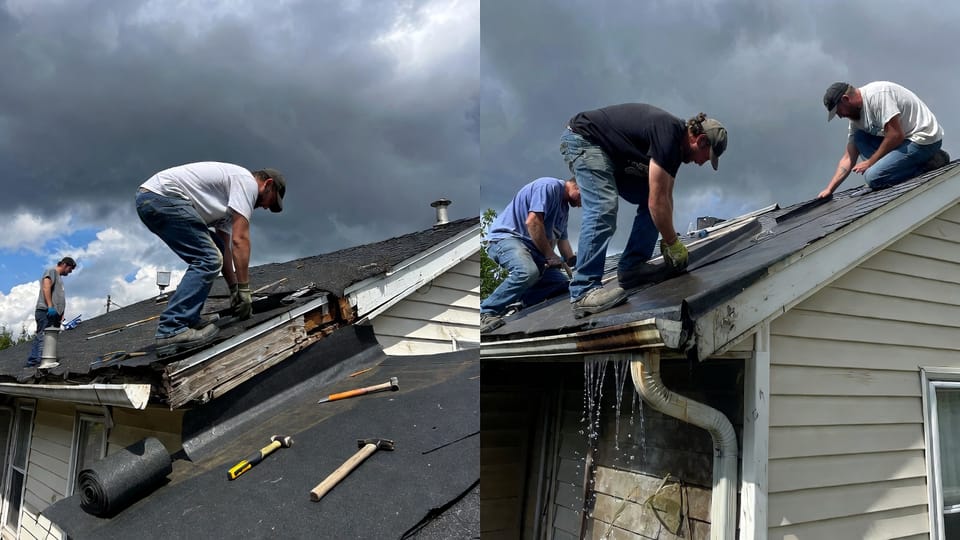
When it comes to roof protection, few elements are as understated yet essential as the drip edge. This simple flashing acts as a frontline defender against water damage, channeling rainwater away from vulnerable areas like the fascia and into the gutters where it belongs. Homeowners often overlook this component during roof inspections or installations, but ignoring it can lead to costly repairs down the line. In this comprehensive guide, we'll explore what a drip edge is, how it functions, the various types available, and why modern building codes mandate its use. Rest assured, understanding and implementing this detail can extend your roof's lifespan significantly, saving you from the headaches of major rot and structural issues.
Prevent Major Roof Rot – Schedule Your Inspection Now
As a trusted authority in roofing solutions, we've seen firsthand how proper flashing transforms potential disasters into preventable problems. Whether you're a homeowner planning a roof replacement or a contractor ensuring code compliance, this article will equip you with the knowledge to make informed decisions. Let's dive in.
What Exactly Is a Drip Edge?
At its core, a drip edge is a metal flashing installed along the edges of your roof. Typically made from materials like aluminum, galvanized steel, or copper, it's designed to direct water off the roof and prevent it from seeping into the underlying structure. Think of it as a subtle barrier that guides rainwater precisely where it needs to go—away from your home's wooden components.
Unlike more visible roofing elements like shingles or vents, the drip edge operates quietly in the background. It's usually L-shaped or T-shaped, extending slightly over the roof's edge to create a "drip" effect. This prevents water from clinging to the roof deck via capillary action, a phenomenon where moisture wicks back under the shingles and attacks the fascia board.
Why does this matter? Fascia rot is one of the most common issues we encounter in older homes without proper flashing. Water infiltration leads to mold growth, weakened structural integrity, and even pest infestations. By installing a drip edge, you're proactively addressing these risks, ensuring your roof remains durable for decades.
- Key Benefits of Drip Edge:
- Prevents water backup behind gutters.
- Reduces ice dam formation in colder climates.
- Enhances overall roof ventilation by maintaining dry edges.
- Complies with international building codes for new constructions.
In essence, this small investment—often costing just a few dollars per linear foot—pays dividends in long-term home protection.
How Drip Edge Directs Water Away from Fascia and Into Gutters
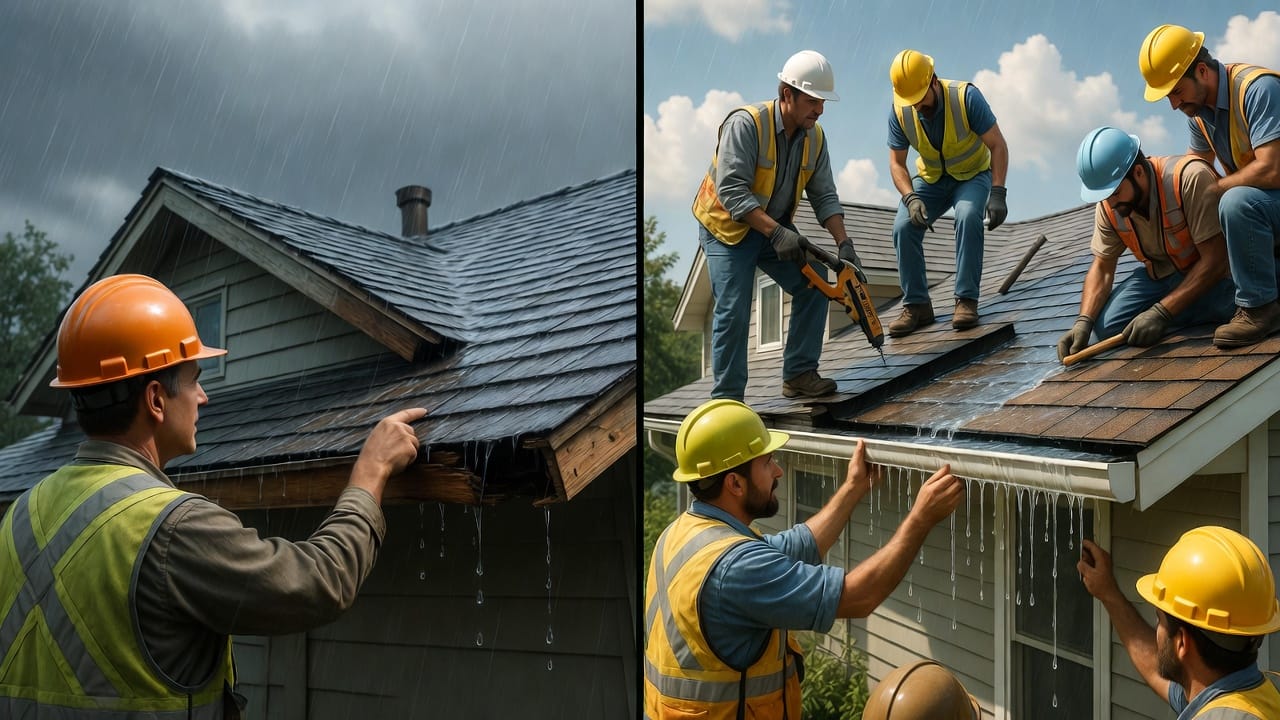
The magic of a drip edge lies in its ability to manage water flow. Without it, rainwater cascading off the shingles can curve back under the roof edge due to surface tension. This sneaky reversal allows moisture to contact the fascia board, the vertical trim that supports your gutters. Over time, repeated exposure causes the wood to swell, crack, and decay, compromising the entire eave structure.
With a properly installed drip edge, water is forced to drip straight down into the gutter. The flashing's extended lip creates a physical break in the water's path, ensuring it doesn't hug the roof deck. This is particularly crucial in areas with heavy rainfall or frequent storms, where unchecked water can lead to foundation erosion or interior leaks.
Consider a real-world scenario: During a downpour, shingles alone might handle the bulk of the water, but at the edges, gravity and wind can push moisture inward. A drip edge counters this by providing a clean, angled exit point. It's not just about immediate deflection; it also promotes faster drying of the roof edges, minimizing the risk of algae buildup or shingle deterioration.
For those in windy regions, the drip edge adds an extra layer of security against wind-driven rain, which can force water upward under unprotected edges. Our experience shows that homes with drip edges withstand severe weather better, with fewer claims for insurance-covered repairs.
The Different Profiles: L-Type vs. T-Type Drip Edges
Not all drip edges are created equal. The two primary profiles—L-type and T-type—serve similar purposes but differ in design and application.
The L-type drip edge, also known as hemmed drip edge, features a simple right-angle bend. It's the most common choice for standard roofs, installed under the shingles along the eaves and rakes. Its hemmed edge provides a smooth finish, reducing the chance of sharp metal exposing itself. This type is ideal for asphalt shingle roofs, where affordability and ease of installation are priorities.
On the other hand, the T-type drip edge includes an additional flange that extends inward, offering superior grip and water diversion. This profile is often used on roofs with underlayment or in regions prone to high winds, as the T-shape locks more securely into place. It's particularly effective for metal roofs or tile systems, where the extra stability prevents shifting during expansion and contraction.
Choosing between them depends on your roof's material and local climate. For instance:
- L-Type Advantages:
- Cost-effective for budget-conscious projects.
- Simpler to cut and fit during DIY installations.
- Sufficient for most residential applications.
- T-Type Advantages:
- Better resistance to uplift in storm-prone areas.
- Enhanced integration with synthetic underlayments.
- Longer lifespan in corrosive environments, like coastal homes.
We recommend consulting a professional to assess which profile best suits your needs. In our practice, mixing profiles on the same roof can lead to inconsistencies, so uniformity is key for optimal performance.
Why Building Codes Now Require Drip Edge Installation
In recent years, building codes have evolved to prioritize moisture management, making drip edge a mandatory component in many jurisdictions. The International Residential Code (IRC), for example, requires drip edge on all eaves and gable ends for shingle roofs. This shift stems from decades of data showing that unprotected roof edges contribute to premature failures and increased repair costs.
Historically, drip edge was optional, leading to widespread issues in older homes. But as climate patterns intensify with more frequent extreme weather, codes like those from the International Code Council (ICC) now enforce its use to enhance building resilience. In the U.S., states like Florida and California have even stricter requirements due to hurricane and wildfire risks, where drip edge helps prevent water intrusion that could exacerbate fire damage.
Non-compliance isn't just a regulatory headache—it voids warranties on roofing materials. Manufacturers like GAF and Owens Corning stipulate drip edge in their installation guidelines to ensure product longevity. From an authoritative standpoint, adhering to these codes isn't optional; it's a smart strategy for property value preservation.
Common code stipulations include:
- Installation over the underlayment at eaves but under it at rakes.
- Minimum 2-inch extension over the fascia.
- Overlapping joints by at least 3 inches to prevent leaks.
If your home was built before these updates, a roof audit can reveal if retrofitting is needed. Rest easy knowing that updating to code-compliant flashing is a straightforward process that bolsters your home's defenses.
Proper Installation: Eaves vs. Rakes and Overlapping Techniques
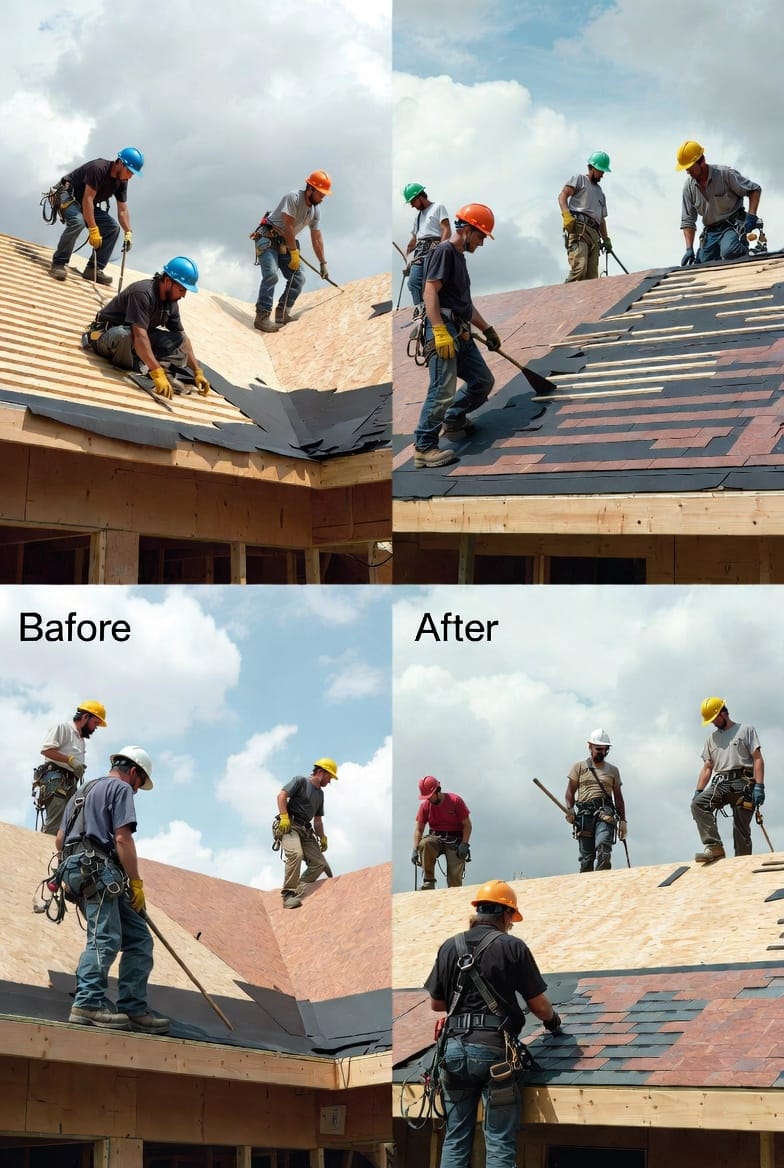
Installation is where the drip edge truly shines—or fails. At the eaves (the lower horizontal edges), the flashing goes over the underlayment and fascia, extending into the gutter. This setup ensures water sheds directly into the drainage system without backflow.
At the rakes (the sloped gable ends), the order reverses: drip edge installs under the underlayment but over the roof deck. This prevents wind from lifting the edges and allows for seamless shingle integration.
Overlapping is critical to avoid gaps. Sections should lap by 3-4 inches, with sealant applied at joints for watertight security. Common mistakes include nailing too close to the edge, which can cause buckling, or skipping the hem for a raw cut that snags shingles.
For a flawless job:
- Use corrosion-resistant nails every 12 inches.
- Ensure the drip leg extends at least 1/4 inch beyond the fascia.
- Integrate with ice and water shields in cold climates.
Professional installers, like our team, follow these steps meticulously to deliver lasting results.
Common Risks Without Drip Edge and How to Mitigate Them
Skipping drip edge invites a host of problems. Major rot at the roof's edge is the primary culprit, but it cascades into others like sagging gutters from weakened fascia support or interior water stains from undetected leaks.
In snowy areas, ice dams form more readily without this flashing, leading to meltwater backing up under shingles. Pests, attracted to damp wood, can exacerbate the damage, turning a small oversight into a full-blown infestation.
Mitigation is simple: Regular roof maintenance checks for proper flashing. If absent, retrofitting during re-roofing is ideal. Materials like vinyl-coated aluminum resist rust, extending service life.
Our reassuring advice? Don't wait for visible damage. Proactive installation averts 90% of edge-related issues, per industry studies.
Maintenance and Long-Term Care for Drip Edge
Once installed, drip edge requires minimal upkeep. Annual inspections for dents, corrosion, or loose nails suffice. Clean gutters regularly to prevent clogs that force water over the edge.
In harsh environments, opt for premium materials like copper for superior durability. If damage occurs, prompt repairs prevent escalation.
By maintaining this detail, you're investing in your home's future.
Conclusion: Safeguard Your Investment
The drip edge may be small, but its impact on preventing major rot is immense. From directing water efficiently to meeting building codes, it's a cornerstone of modern roofing.
Make Your Roof Code-Compliant & Protected – Call Today