The Dos and Don'ts of Dumpster Loading: Preventing Injuries, Damage, and Regulatory Fines
Renting a dumpster can be a game-changer for your home renovation, construction project, or major cleanout. But loading it incorrectly can lead to serious injuries, property damage, and even hefty regulatory fines. As experts in waste management, we're here to guide you through the essentials of safe and compliant dumpster use. This comprehensive manual will empower you with the knowledge to handle your debris responsibly, ensuring a smooth process from start to finish. Whether you're a DIY enthusiast or a professional contractor, following these dos and don'ts will help you avoid common pitfalls and prioritize safety.
Load Right the First Time – Call for Professional Dumpster Advice
In this guide, we'll break down key aspects like weight distribution to prevent tipping, identifying prohibited items such as hazardous materials and electronics, strategies to protect your driveway from damage, and the risks associated with overfilling that could result in road fines. Our authoritative advice is drawn from years of industry experience, reassuring you that with the right approach, dumpster rental is straightforward and secure.
Why Safety and Compliance Matter in Dumpster Loading
Before diving into specifics, let's underscore the importance of safety protocols and regulatory adherence. Improper loading doesn't just risk personal harm—it can violate local, state, and federal laws, leading to fines that escalate quickly. For instance, overloading might cause debris to spill during transport, endangering other road users and attracting penalties from transportation authorities.
By adhering to best practices, you not only protect yourself and your team but also contribute to environmental responsibility. Compliant waste disposal ensures that materials are handled appropriately, reducing pollution and promoting recycling. Rest assured, mastering these guidelines is achievable for anyone, and the payoff is a hassle-free project completion.
Mastering Weight Distribution: The Foundation of Safe Loading
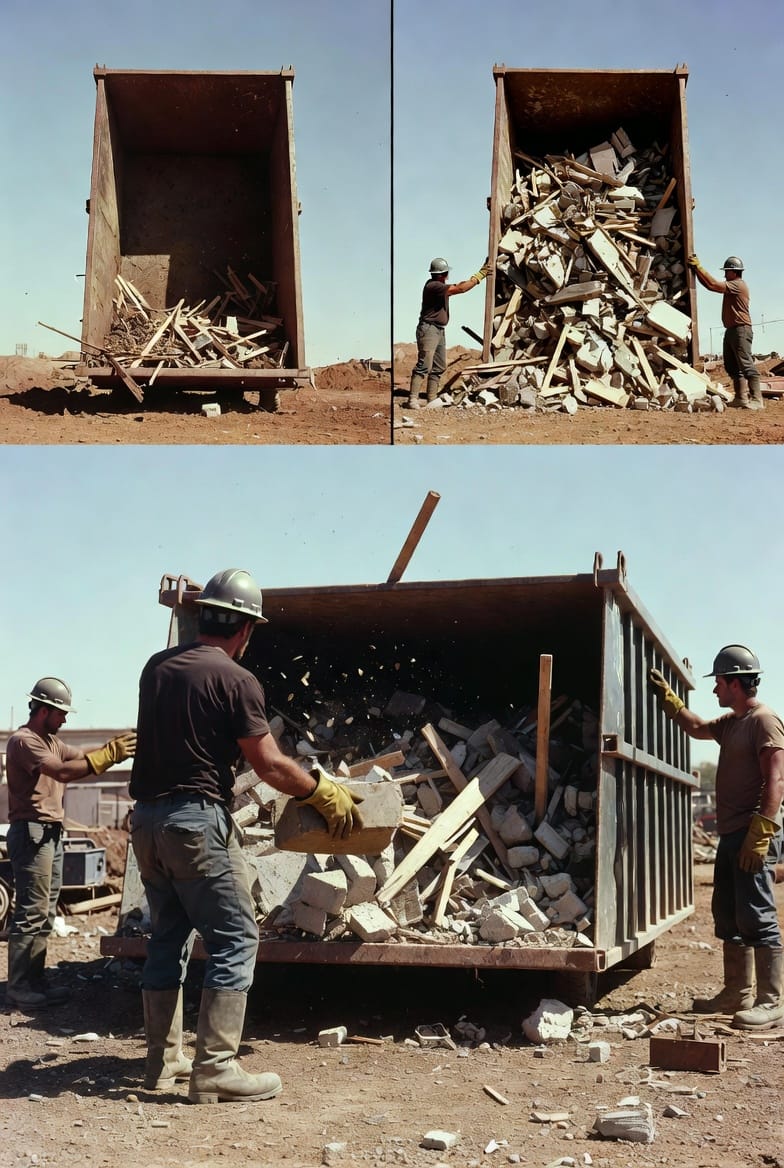
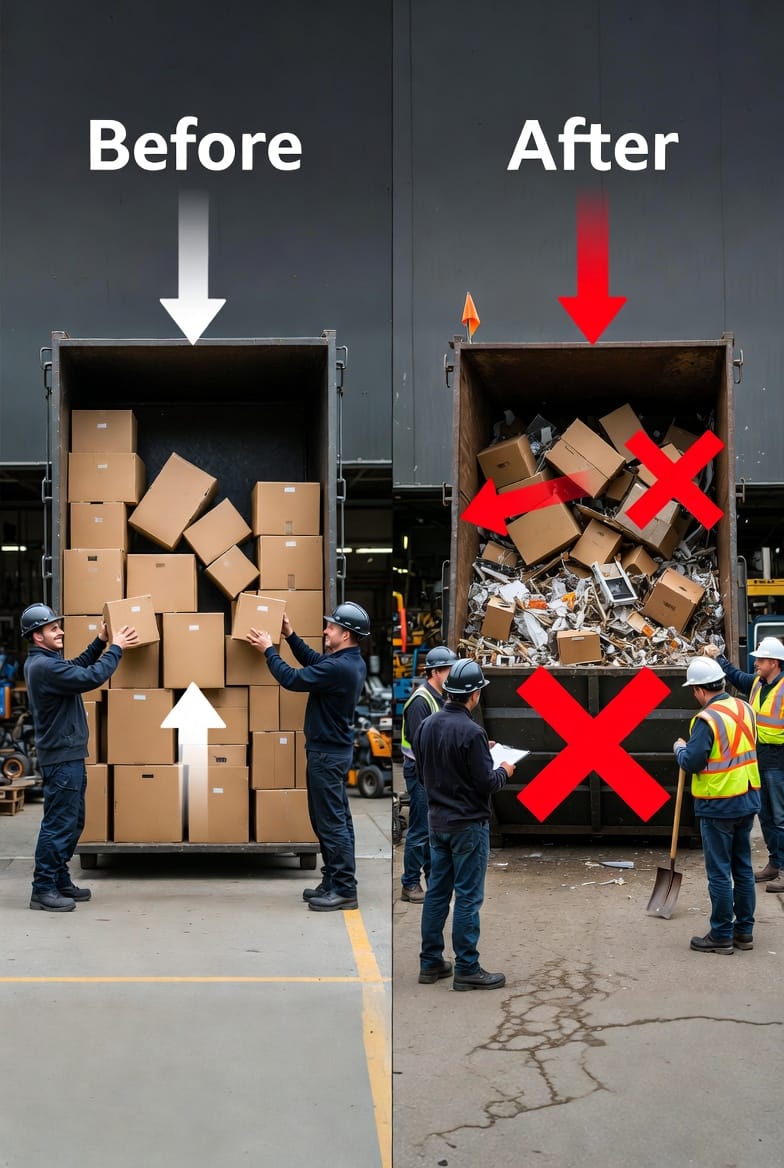
One of the most critical aspects of dumpster loading is proper weight distribution. An uneven load can cause the dumpster to tip over, resulting in injuries or damage to surrounding property. To prevent this, always aim for balance by placing heavier items in the center and distributing weight evenly across the base.
Dos for Effective Weight Distribution
- Start with a solid base: Layer flat, heavy items like concrete slabs or lumber at the bottom to create stability.
- Center heavy loads: Position bulky debris, such as appliances or large furniture, in the middle to maintain equilibrium.
- Alternate sides: As you add materials, switch between left and right to avoid leaning.
- Use tools wisely: Employ ramps or dollies for heavy lifting to reduce strain and ensure precise placement.
Don'ts That Could Lead to Tipping Hazards
- Avoid piling everything on one side: This creates imbalance, increasing the risk of rollover during movement or pickup.
- Don't ignore weight limits: Each dumpster has a specified capacity—exceeding it compromises safety.
- Steer clear of rushed loading: Hasty placement often leads to uneven distribution; take time to assess.
By focusing on these principles, you'll minimize tipping risks. Remember, a well-balanced dumpster is easier to transport and less likely to cause accidents on-site.
Identifying Prohibited Items: Safeguarding Health and the Environment
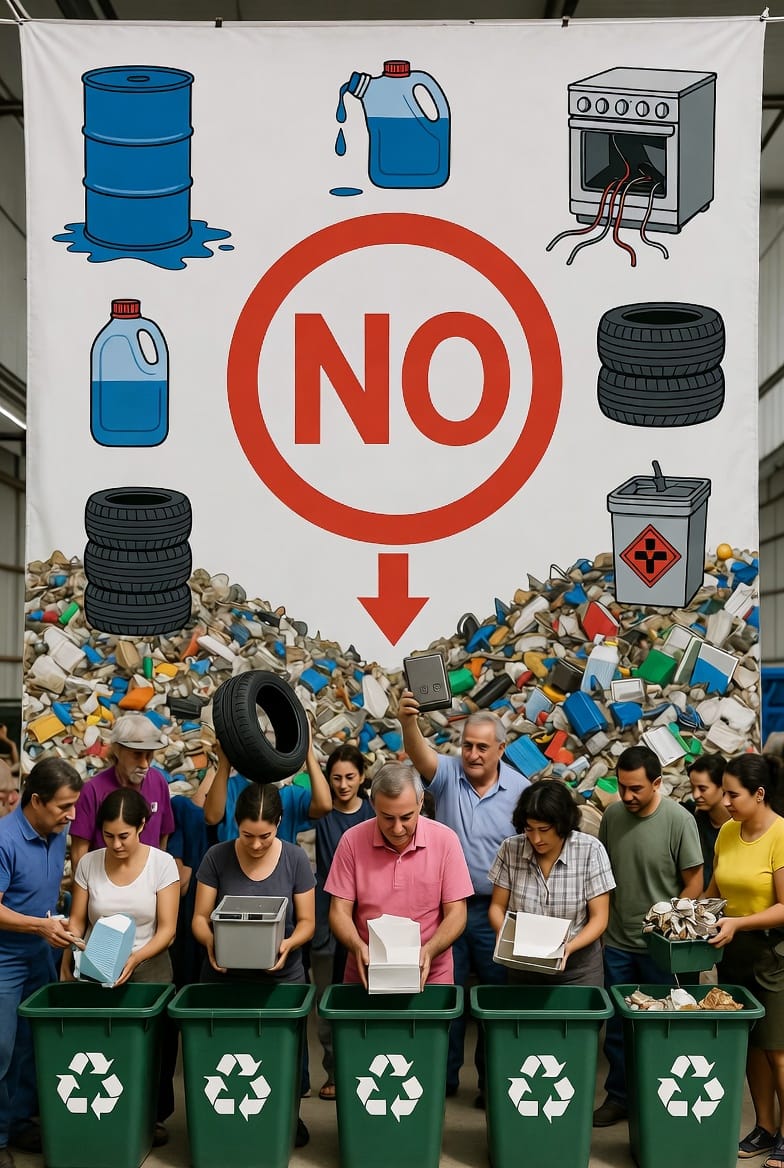
Not everything belongs in a dumpster. Prohibited items like hazardous materials, electronics, and tires pose significant risks to health, the environment, and can incur severe fines if disposed of improperly. Regulations from agencies like the EPA dictate what can and cannot be thrown away, and ignoring them can lead to legal repercussions.
Common Prohibited Items and Why They're Banned
- Hazardous materials: Items like paints, solvents, batteries, and chemicals can leach into soil or ignite, causing fires or contamination. Dispose of them at designated facilities to avoid environmental harm.
- Electronics (e-waste): Computers, TVs, and phones contain toxic metals; recycling programs are available to handle them safely.
- Tires: These don't compact well and can harbor pests; many areas require specialized recycling.
- Appliances with refrigerants: Fridges and AC units must have Freon removed by professionals to prevent ozone depletion.
- Liquids and flammables: Oils, gasoline, and wet paints can spill, creating slippery hazards or fire risks.
Dos for Handling Restricted Waste
- Research local rules: Check with your municipality or rental provider for specific guidelines.
- Separate and recycle: Use community drop-offs or specialized services for banned items.
- Label clearly: If storing temporarily, mark containers to prevent accidental mixing.
Don'ts That Invite Fines and Dangers
- Don't assume it's okay: Even small quantities of prohibited items can lead to rejection at landfills.
- Avoid hiding restricted materials: Inspections during pickup can result in immediate fines.
- Never burn or bury: These methods are illegal and hazardous.
Adhering to these restrictions ensures compliance and protects public health. If in doubt, consult experts—it's better to be safe than fined.
Protecting Your Driveway: Strategies to Avoid Damage
Your driveway is a valuable asset, and a heavy dumpster can cause cracks, dents, or stains if not handled properly. Driveway protection is essential to maintain your property's integrity and avoid costly repairs.
Dos for Property Preservation
- Use protective barriers: Place plywood or boards under the dumpster's feet to distribute weight.
- Choose the right placement: Opt for flat, stable surfaces away from soft ground or inclines.
- Monitor weather: Cover the area during rain to prevent sinking.
- Schedule timely pickups: Don't let the dumpster sit longer than necessary.
Don'ts That Cause Unnecessary Harm
- Avoid direct concrete contact: Without padding, rollers or legs can scratch surfaces.
- Don't overload near edges: Excess weight can crack pavement.
- Steer clear of sensitive areas: Keep away from septic systems or underground utilities.
With these measures, you can confidently use a dumpster without compromising your home's exterior.
The Perils of Overfilling: Road Safety and Legal Implications
Overfilling a dumpster isn't just inconvenient—it can lead to road fines during transport. Debris above the rim may fly off, creating hazards for other vehicles and violating transportation laws.
Dos to Prevent Overfilling Issues
- Load to the fill line: Most dumpsters have marked limits; respect them.
- Compact efficiently: Break down boxes and flatten items to maximize space.
- Plan your load: Estimate debris volume beforehand to choose the right size.
Don'ts Leading to Transport Risks
- Don't exceed height limits: Loose items can become projectiles.
- Avoid loose coverings: If tarping, secure properly to contain everything.
- Never force more in: Overstuffing destabilizes the load.
Compliance here ensures safe hauling and avoids citations from authorities like the DOT.
Additional Best Practices for Injury Prevention
Beyond the basics, incorporate personal protective equipment (PPE) like gloves, boots, and helmets. Lift with your legs, not your back, and enlist help for heavy items. Regular breaks prevent fatigue-related accidents.
Teamwork and Training
- Involve multiple people: For large projects, coordinate to share the load.
- Educate your crew: Share this guide to align everyone on safety.
Environmental and Cost Benefits of Proper Loading
Compliant loading promotes recycling, reducing landfill waste. It also saves money by avoiding fines and repair costs.
Conclusion: Prioritizing Safety for Success
In wrapping up, remember that safety and compliance are integral to effective dumpster use. By following these dos and don'ts, you'll prevent injuries, protect your property, and steer clear of fines. Rest assured, with careful planning, your project will proceed smoothly.
Avoid Fines & Injuries – Get Expert Dumpster Guidance Today