The Diminished Value Claim: Recovering the Lost Market Value of Your Car After an Accident Repair

When your car is involved in an accident, the immediate focus is often on getting it repaired and back on the road. Insurance covers the visible damage, the body shop performs the work, and the vehicle looks as good as new. Yet many drivers are surprised to discover a significant financial loss that remains even after flawless repairs. This hidden impact is known as diminished value, and it represents the reduction in your car’s market worth simply because it now carries an accident history. 833) 498-1406
Get Paid for Your Car’s Hidden Loss – Call Now
Diminished value claims offer a powerful way to recover this loss. By pursuing compensation from the at-fault driver’s insurance, you can be made financially whole rather than accepting a lower resale or trade-in value. This article explains everything you need to know about diminished value, the different types, and the step-by-step process to file a successful claim. With the right knowledge and approach, you protect your investment and avoid unnecessary financial setbacks.
Diminished value is not a minor technicality—it is a legitimate and measurable decrease in your vehicle’s worth that affects real decisions when selling, trading, or even insuring the car in the future. Understanding and acting on it empowers you to receive fair treatment after an accident.
What Is Diminished Value?
Diminished value refers to the difference between what your car was worth before the accident and what it is worth afterward, even if repairs restore it to perfect working condition. Buyers in the used-car market are often wary of vehicles with accident records, and this perception directly lowers the price they are willing to pay.
Think about it: two identical cars, same model, same mileage, same features. One has a clean history; the other shows an accident on its vehicle history report. Most buyers will offer less for the second car, even if the repairs were outstanding. That gap is your diminished value.
This concept matters because your car is typically one of your largest personal investments. When an at-fault driver causes damage, their insurance should cover not just the repairs but the full extent of your loss. Settling only for repair costs leaves you shortchanged when you eventually sell or trade the vehicle.
Many drivers assume that once the car looks and drives perfectly, the matter is closed. In reality, the accident history creates a lasting stigma that impacts marketability. A professional diminished value claim addresses this reality head-on, ensuring you recover the true economic harm caused by the collision.
The Different Types of Diminished Value
Not all diminished value is the same. Insurance professionals and appraisers generally recognize two primary types relevant to most claims, each addressing a distinct aspect of the loss.
Inherent diminished value is the most common form. It stems purely from the stigma of the accident itself. Even with factory-perfect repairs using original parts and expert workmanship, the car’s history on Carfax or similar reports reduces buyer confidence. This type exists regardless of how well the repair was performed.
Repair-related diminished value occurs when the quality of the repairs falls short. This can include the use of aftermarket or non-OEM parts, improper alignment, visible imperfections, or lingering mechanical issues that affect performance or safety. In these cases, the vehicle’s value drops further because it is not restored to its pre-accident condition.
Understanding these distinctions helps you evaluate your specific situation. Most successful claims focus on inherent diminished value because it applies broadly, but documenting any repair deficiencies can strengthen your case for additional compensation.
Immediate diminished value—the drop right after the crash before any repairs—is sometimes discussed but is rarely the basis for a standalone claim once repairs are complete. The focus after restoration is typically on the inherent and repair-related categories.
Why You Should Never Settle for Just Repairs
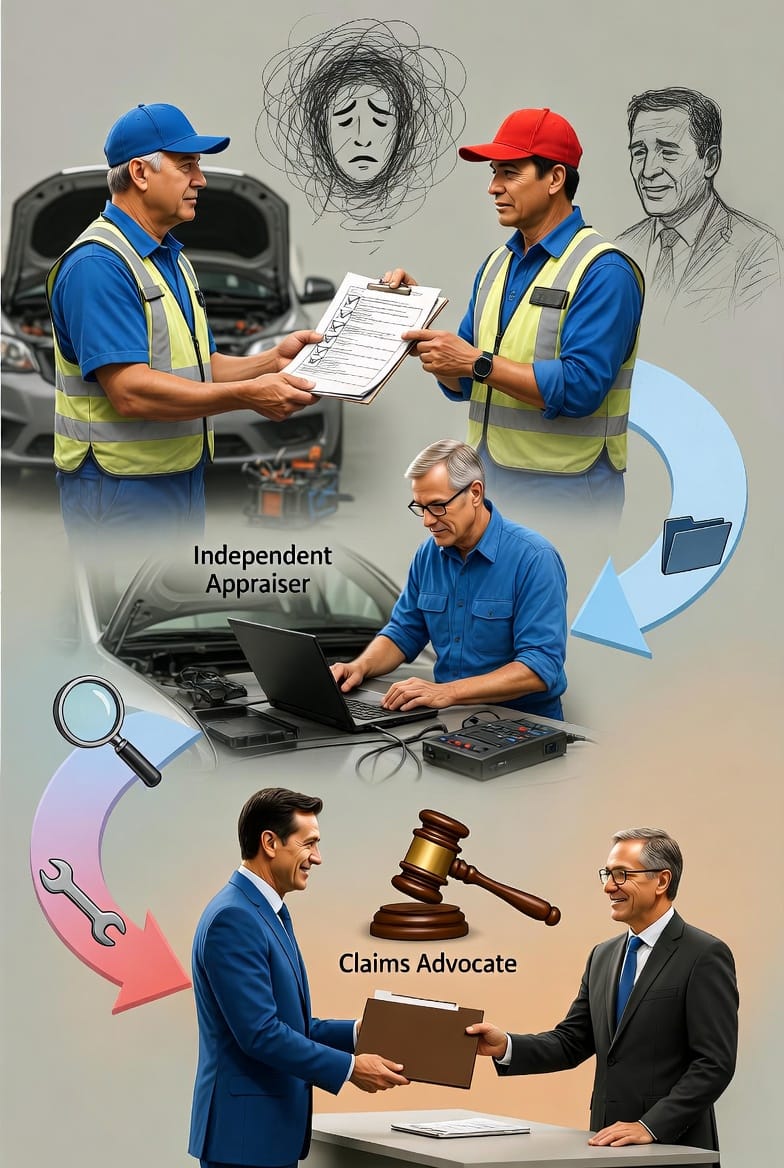
Insurance companies often focus solely on repair costs because that is the most straightforward part of the claim. However, their obligation in a third-party claim extends to making you whole—including the diminished value of your vehicle.
Failing to pursue this additional compensation means accepting a permanent financial hit. When you later sell or trade the car, the lower offer you receive directly reflects the accident history that the at-fault driver caused. A diminished value claim shifts that burden back where it belongs.
This is especially important for newer vehicles, luxury models, or low-mileage cars where the percentage loss in value can be substantial. Even if your car is several years old, the impact can still reach thousands of dollars depending on the severity of the accident.
The Process for Filing a Diminished Value Claim
Filing a diminished value claim requires preparation and documentation, but the process is straightforward when you follow proven steps. You file this claim against the at-fault driver’s insurance company, not your own.
Begin by confirming liability. Police reports, witness statements, and the other driver’s insurance acknowledgment of fault are essential. Without clear liability, the claim becomes significantly harder.
Next, compile all repair-related documents. This includes the original estimate, final invoices, photographs of the damage before and after repairs, and any work orders. These records prove the extent of the damage and the quality of the restoration.
The most critical step is obtaining a professional diminished value appraisal. An independent, certified appraiser evaluates your vehicle’s pre-accident value, compares it to current market data for similar vehicles with accident histories, and calculates the precise loss. This appraisal carries significant weight because it is objective and based on market evidence rather than estimates.
With the appraisal in hand, prepare a formal demand letter. This document should include a clear explanation of the claim, the appraisal report, supporting evidence, and a specific dollar amount you are seeking. Submit the complete package to the at-fault insurer’s claims department.
Insurance adjusters may respond with a lower offer or request additional information. Be prepared to negotiate calmly and professionally, using the appraisal data to support your position. In many cases, a well-documented claim leads to a fair settlement without further escalation.
If negotiations stall, some policies include an appraisal clause that allows for a neutral third-party resolution. In more challenging situations, consulting an attorney experienced in property damage claims can provide additional leverage while protecting your rights.
Throughout the process, maintain organized records of all communications. Timeliness matters—most insurers expect claims within a reasonable period after repairs are completed, though statutes of limitations vary by state and can extend several years.
This structured approach has helped countless drivers recover thousands of dollars they would otherwise have lost. You are not asking for a favor; you are asserting your right to full compensation.
Key Factors That Strengthen a Diminished Value Claim
Several elements influence the strength and potential value of your claim. Recognizing these factors helps you assess whether pursuing compensation makes sense and how to present the strongest possible case.
- Newer vehicles typically experience higher diminished value because buyers expect pristine condition and are more sensitive to accident history.
- High-value or luxury vehicles see larger absolute losses since the base market price is greater.
- Major structural repairs, such as frame or unibody work, create more buyer hesitation than minor cosmetic damage.
- Low mileage at the time of the accident amplifies the impact, as the car still had many years of expected trouble-free service.
- Popular models with strong resale markets can still suffer noticeable value drops when accident records appear.
- Clean pre-accident maintenance history supports a stronger argument that any post-repair issues stem from the accident rather than normal wear.
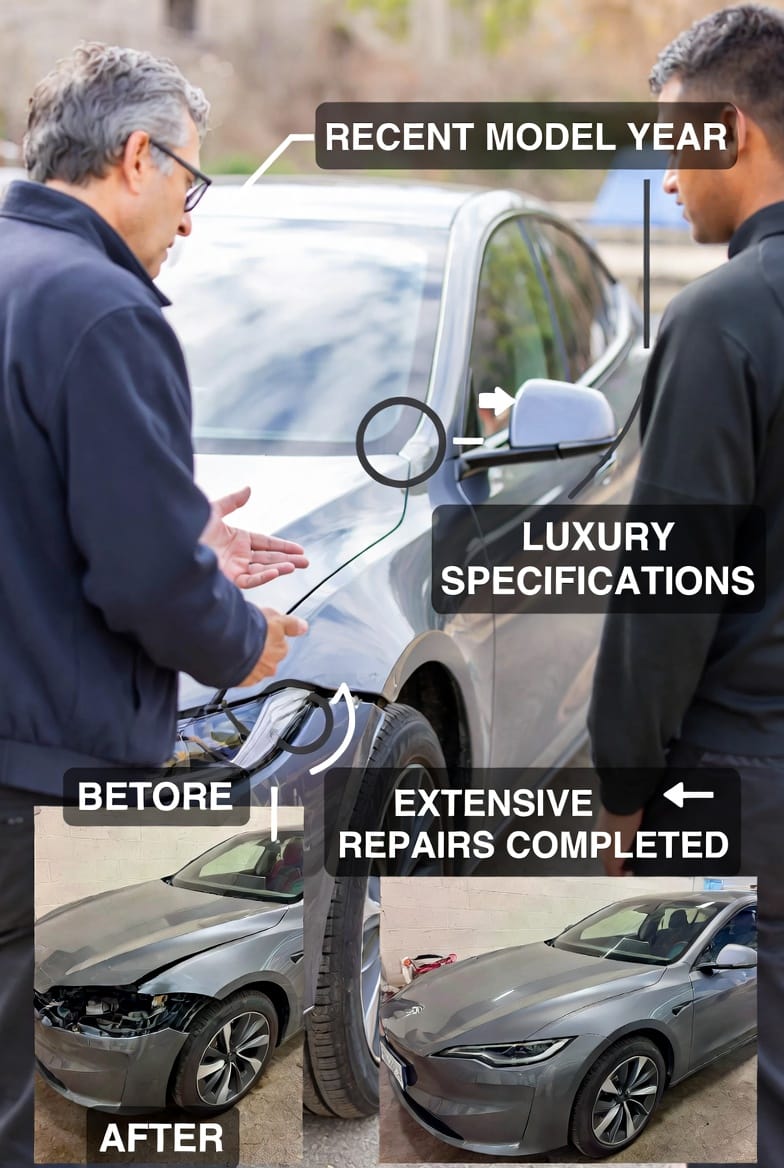
When multiple factors align—such as a nearly new luxury vehicle with structural damage—the potential recovery can be substantial. Documenting each element clearly in your claim package demonstrates professionalism and increases the likelihood of a favorable outcome.
Common Challenges and How to Overcome Them
Insurance companies sometimes resist diminished value claims by arguing that the loss is speculative or that repairs were adequate. They may offer low settlements or request their own appraisal that minimizes the impact.
Counter these challenges with strong documentation and an independent appraisal from a reputable professional. Avoid relying solely on online calculators or generic formulas; personalized, market-based evidence is far more persuasive.
Another hurdle is timing. Delaying the claim can weaken your position if the vehicle accumulates additional mileage or wear. Acting promptly after repairs are completed preserves the most accurate valuation.
Some drivers worry about the cost of an appraisal. While there is an upfront expense, successful claims routinely recover amounts many times greater than the appraisal fee, making it a worthwhile investment.
Practical Tips for Maximizing Your Recovery
Act quickly but thoroughly. Keep your repaired vehicle in excellent condition and avoid unnecessary modifications that could complicate the valuation.
Choose an appraiser with specific experience in diminished value calculations and a track record of supporting claims against major insurers. Request references and review sample reports.
Be realistic in your expectations. While some claims yield impressive results, the exact amount depends on market conditions and the specifics of your vehicle and accident.
Maintain polite, fact-based communication with the adjuster. Emotional appeals are less effective than clear data and professional presentation.
If your claim involves a leased vehicle, review the lease terms. Some lessors allow diminished value recovery, while others may have specific procedures.
Final Thoughts: Demand to Be Made Whole
After an accident, you deserve more than a repaired car—you deserve to be restored to your pre-accident financial position. A diminished value claim is the established mechanism to achieve that fairness.
Do not settle for just the repair. The lost market value is real, measurable, and recoverable when you follow the proper process with strong documentation and expert support.
If you have been in an accident and your vehicle was repaired, take the next step today.
Fight for Every Dollar Your Car Is Worth – Call Now