The Dental Infection Spreading: When to Seek Emergency Care

Dental infections are more than just a painful nuisance—they can rapidly become a serious health threat when left untreated. A spreading dental infection occurs when bacteria from an untreated tooth abscess or deep decay travel beyond the tooth root into surrounding tissues, potentially reaching the face, neck, and even airways. Knowing the urgent symptoms and acting quickly is essential to protect your overall health.
Stop the Spread – Call Emergency Dental Care Now!
At our emergency dental practice, we see patients every week who wish they had sought care sooner. The good news is that with prompt professional intervention, most spreading infections are fully manageable, and patients recover completely. This guide explains exactly what to watch for, why timing matters, and the immediate steps that can safeguard your well-being.
Understanding the Root of Dental Infections
A dental infection typically begins inside a tooth when bacteria invade the pulp—the soft tissue containing nerves and blood vessels. Common triggers include untreated cavities, cracked teeth, or failed previous dental work. Once inside, bacteria multiply and form an abscess filled with pus.
If the infection stays contained within the tooth, it may cause localized pain and sensitivity. However, when pressure builds, the infection can burst through the bone and spread into facial soft tissues. This progression happens faster than most people realize—sometimes within 24 to 48 hours.
Key risk factors that accelerate spread include weakened immune systems, diabetes, smoking, and poor oral hygiene. Recognizing these risks helps you stay vigilant and seek care before minor discomfort becomes a medical emergency.
How a Dental Infection Travels Through the Body
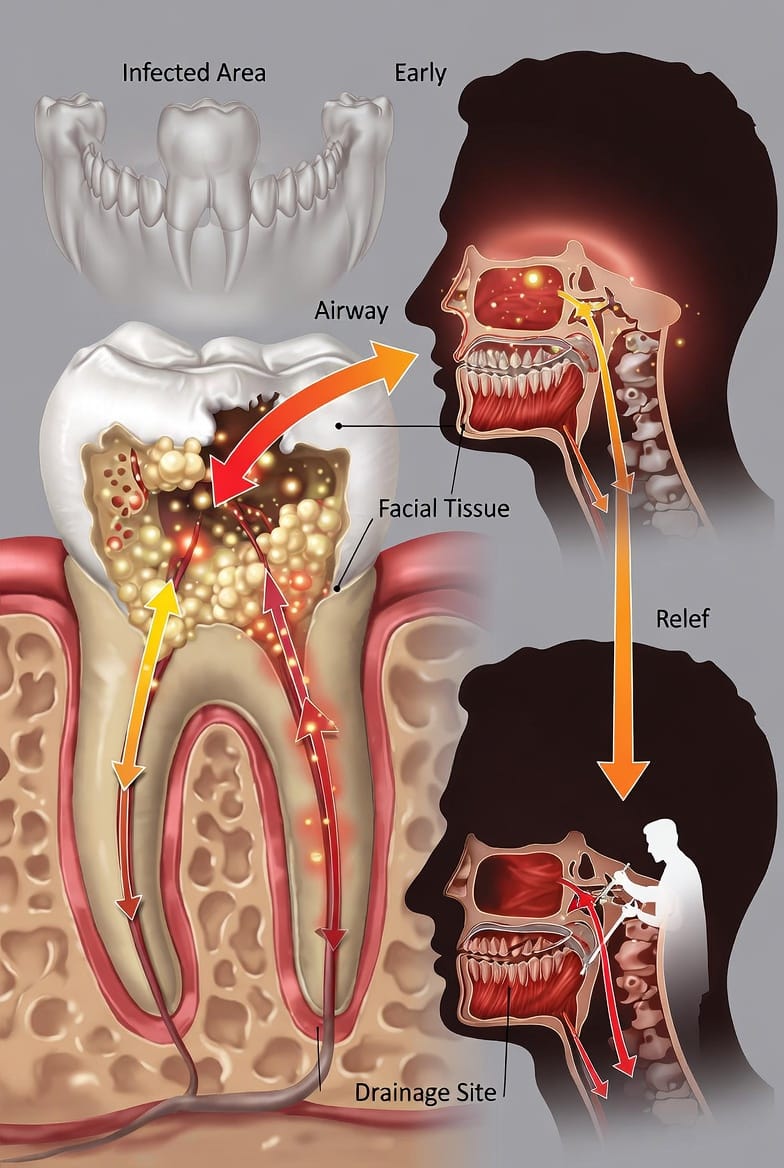
Once bacteria escape the tooth socket, they follow natural pathways through soft tissue and fascial planes. The face and neck contain interconnected spaces that allow rapid movement. Infection can travel upward toward the eyes or downward toward the throat and airway.
Facial swelling often appears first as the infection pushes into the cheek or under the eye. From there, it can migrate to the submandibular space under the jaw or even the deep neck spaces. In severe cases, swelling compresses the airway, creating a life-threatening situation known as Ludwig’s angina.
Understanding this anatomy empowers you to act decisively. The body’s natural immune response—fever and inflammation—signals that the infection is no longer localized and requires immediate professional drainage and antibiotics.
Critical Signs That a Dental Infection Has Spread
Watch closely for these red-flag symptoms that indicate the infection is no longer confined to the tooth:
- Facial swelling that is firm, warm, and rapidly increasing—often making one side of the face noticeably larger.
- Neck swelling or tenderness under the jaw or along the throat.
- Fever above 101°F (38.3°C) accompanied by chills or night sweats.
- Difficulty swallowing (odynophagia) or the sensation that food is sticking in the throat.
- Difficulty breathing or a muffled voice that sounds as though you are speaking with something in your mouth.
- Severe, throbbing pain that spreads to the ear, jaw, or temple.
- Pus drainage or a foul taste in the mouth.
These signs mean the infection has moved into deeper tissues. Do not wait for symptoms to worsen. Immediate dental evaluation can prevent hospitalization and far more serious complications such as sepsis or airway obstruction.
Why Every Hour Counts: The Risks of Delay
When a dental infection spreads unchecked, bacteria enter the bloodstream and can seed distant sites, leading to systemic infection. Swelling in the neck can close off the airway, requiring emergency intubation or surgical airway access. In rare but documented cases, untreated spread has led to brain abscesses or heart complications.
The reassuring reality is that these outcomes are almost entirely preventable. Modern emergency dental care combines precise drainage, targeted antibiotics, and supportive therapy to stop progression within hours. Patients who call at the first sign of spreading symptoms consistently avoid intensive care and enjoy faster, smoother recovery.
Immediate Treatment Options in Emergency Dental Care
When you arrive for emergency dental care, the team follows a proven protocol:
- Thorough clinical examination and imaging to map the infection’s extent.
- Incision and drainage of the abscess to relieve pressure and remove pus.
- Prescription of appropriate antibiotics that specifically target oral bacteria.
- Pain management with safe, effective medications.
- Root canal therapy or extraction of the offending tooth once the acute phase is controlled.
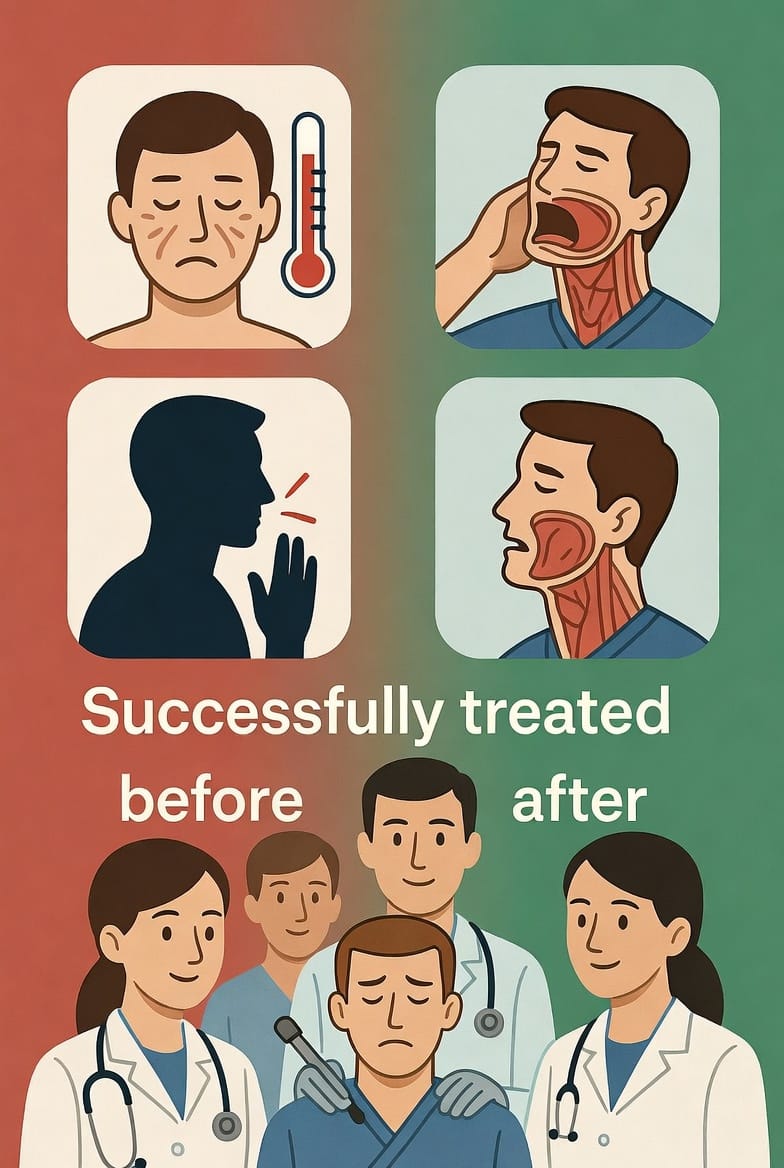
Most patients notice dramatic improvement within 12 to 24 hours after drainage. Follow-up care ensures the infection is fully eradicated and prevents recurrence.
Our emergency dental team is available around the clock because we understand that infections do not wait for business hours. Advanced equipment and experienced specialists allow us to deliver hospital-level care in a comfortable outpatient setting.
Prevention: Protecting Yourself from Future Infections
While knowing when to seek emergency care is crucial, prevention remains the best strategy. Maintain excellent oral hygiene with twice-daily brushing, daily flossing, and regular dental check-ups. Address cavities and cracks promptly. If you have risk factors such as diabetes or a weakened immune system, schedule more frequent cleanings.
Wearing a mouthguard during sports and avoiding hard foods that can crack teeth also reduce infection risk. When you partner with a trusted dental team, small problems are caught early and never reach the spreading stage.
Don’t Wait—Act with Confidence Today
A spreading dental infection is a medical urgency, not something to monitor at home. The symptoms are clear, the treatment is effective, and the outcome is excellent when you seek care promptly.
Don’t wait with a spreading infection. Our experienced team is ready to provide the compassionate, expert care you need to stop the infection, relieve your pain, and protect your health.
Your smile—and your safety—matter. Reach out today and let us guide you back to comfort and confidence.
Urgent Dental Infection Treatment – Call for Immediate Care