The Coyote Encounter: Managing Urban Coyotes and Protecting Pets
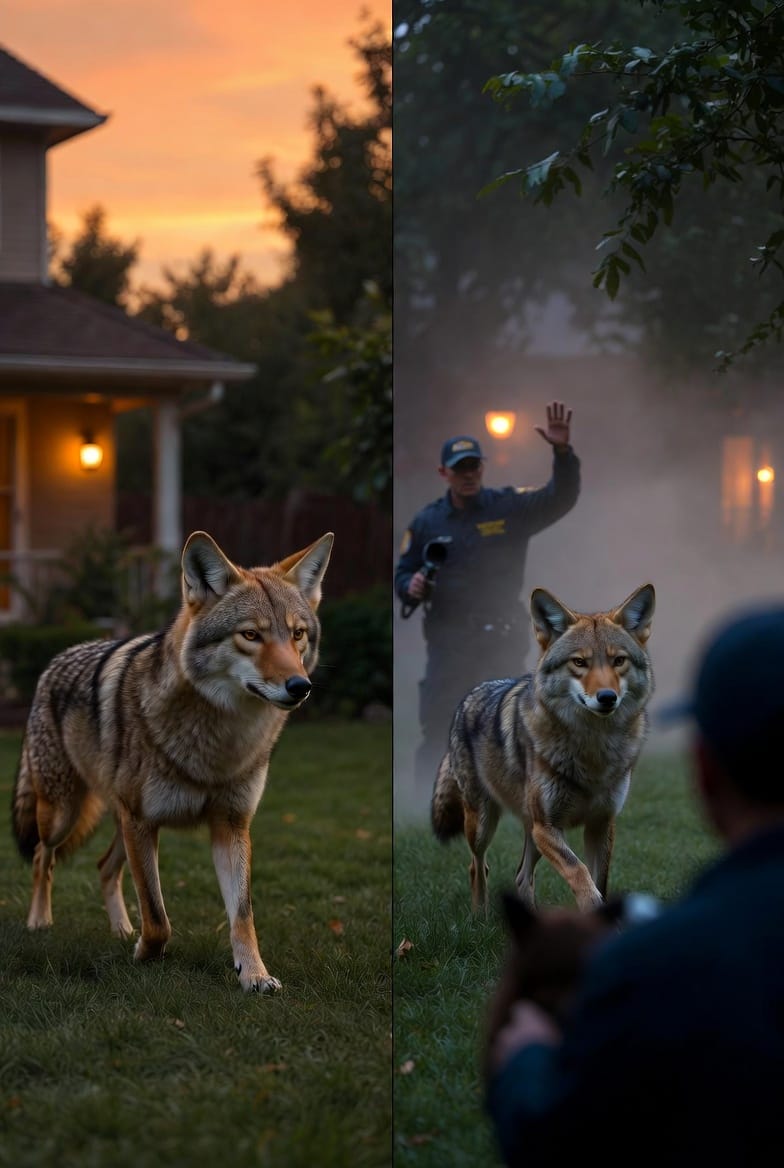
As cities expand and natural habitats shrink, urban coyotes have become a common sight in neighborhoods across the United States. Homeowners are increasingly encountering these clever wild canines in backyards, parks, and even streets at twilight. While coyotes play a vital role in the ecosystem, their presence near homes raises legitimate concerns—especially for pet owners.
Safe Coyote Removal & Prevention – Call Now for Expert Help
At our wildlife removal service, we understand these worries. With the right knowledge, proactive steps, and professional support when needed, you can manage coyote encounters effectively while keeping your family and furry companions safe. This comprehensive guide explains coyote behavior, proven deterrence methods, and practical pet-protection strategies so you can enjoy peace of mind in coyote country.
Understanding Coyote Behavior in Urban Settings
Coyotes are highly adaptable survivors. In urban environments, they have learned to navigate human spaces with remarkable intelligence. Adults typically weigh 25–45 pounds and stand about two feet tall at the shoulder, yet they appear larger due to their bushy tails and alert posture.
These animals are primarily nocturnal and crepuscular, meaning they are most active at dawn and dusk—exactly when many pets are outside. A single coyote can travel several miles nightly in search of food, and family groups (called packs) often include an alpha pair and their offspring.
Key facts about urban coyote behavior:
- They are naturally wary of humans but can lose fear if consistently fed or ignored.
- Coyotes rarely attack adults but may view small dogs, cats, and even toddlers as potential prey or competition.
- They use sharp eyesight, keen hearing, and an acute sense of smell to locate food sources from blocks away.
Understanding this behavior is the first step toward peaceful coexistence. Rest assured, most coyotes prefer to avoid confrontation; they simply want an easy meal.
Why Coyotes Are Thriving in Suburban Neighborhoods
Rapid urban development has created perfect conditions for coyote populations. Greenbelts, parks, and residential yards offer shelter and abundant resources. Drought, habitat loss in rural areas, and reduced predator pressure have pushed coyotes closer to people.
In many cities, coyote sightings have increased by over 30 % in the past decade. They thrive because they are opportunistic omnivores—eating everything from rodents and rabbits to fallen fruit, pet food, and unsecured garbage. This adaptability allows them to raise litters successfully even in densely populated areas.
The good news? Homeowners who take consistent action can dramatically reduce coyote activity on their property without harming these wild animals.
Identifying and Removing Coyote Attractants
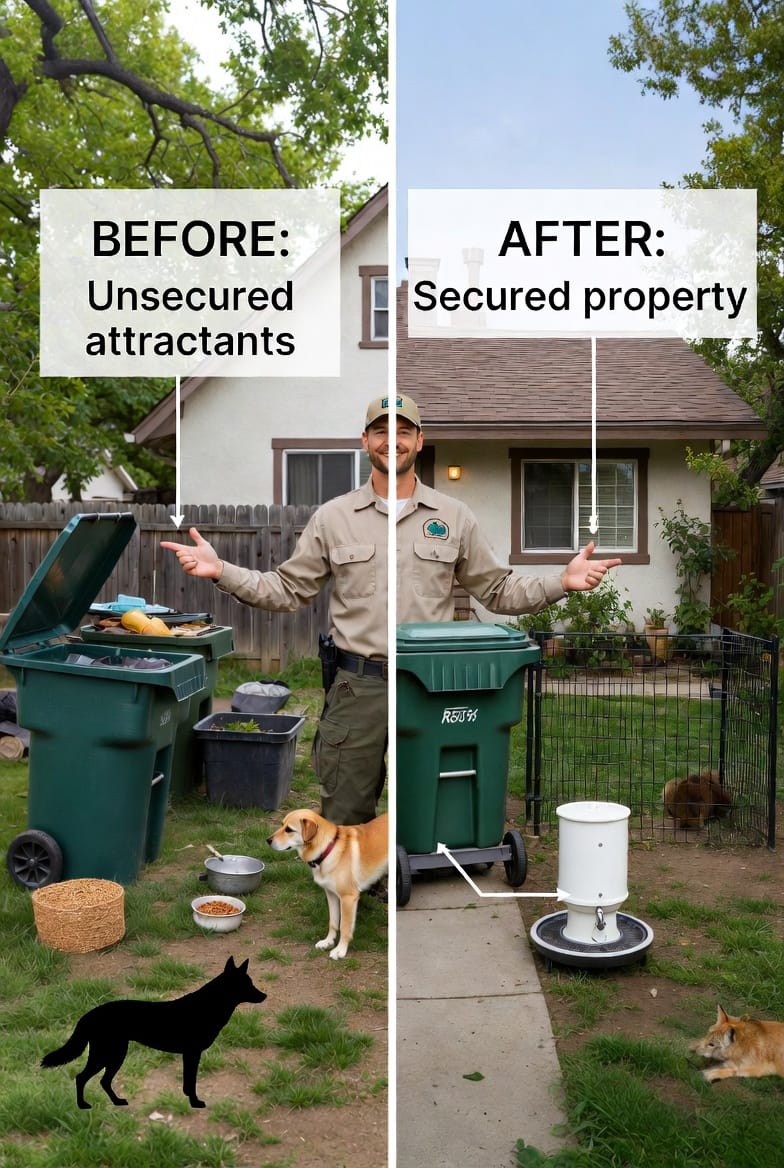
The most effective way to discourage urban coyotes is to eliminate what draws them in. These animals are drawn to easy calories, and your backyard may be serving an all-you-can-eat buffet without you realizing it.
Common attractants to remove immediately:
- Pet food left outdoors — even a few kibbles can signal a reliable meal.
- Unsecured garbage cans — use bungee cords or locking lids.
- Compost piles — keep them enclosed and avoid meat scraps.
- Fallen fruit from trees — rake regularly.
- Bird feeders — seeds and suet attract rodents, which in turn attract coyotes.
- Unsupervised small pets — rabbits, chickens, and toy-breed dogs are especially vulnerable.
Pro tip: Walk your yard at dusk with a flashlight to spot overlooked food sources. A clean, scent-free property sends a clear message: “Nothing here for you.”
When attractants are removed consistently across an entire neighborhood, coyote activity drops significantly within weeks. Our wildlife removal teams frequently help families implement these changes and see immediate results.
Proven Hazing Techniques to Discourage Coyotes
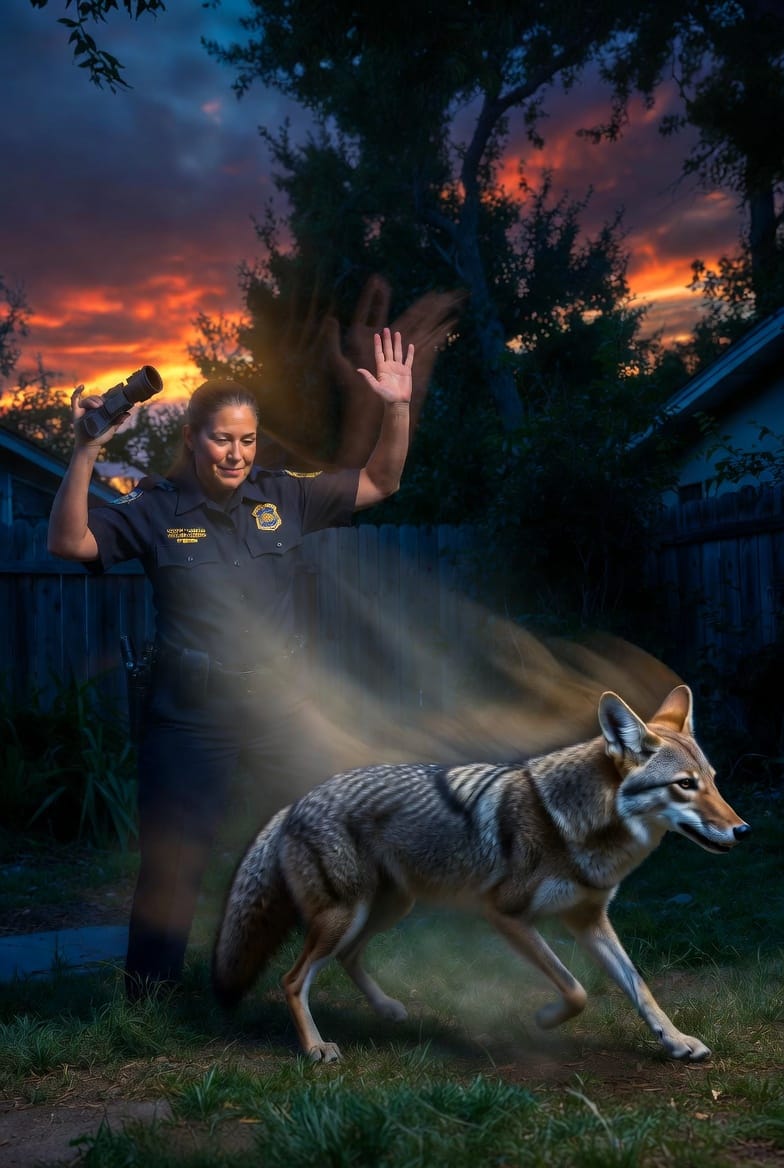
When you spot a coyote on your property, hazing is the safest and most humane way to reinforce their natural fear of humans. The goal is to make the encounter unpleasant so the animal chooses to leave and not return.
Effective hazing techniques include:
- Make loud noises — shout, clap, or use an air horn.
- Wave your arms and appear large — stand tall and open your jacket.
- Throw non-harmful objects — tennis balls, small rocks, or sticks toward (not at) the coyote.
- Use motion-activated deterrents — sprinklers, lights, or ultrasonic devices.
- Never turn your back or run — maintain eye contact and back away slowly.
Repeat hazing every time you see the animal. Consistency teaches coyotes that your yard is not a safe or rewarding place. Children and seniors should be taught these techniques and supervised during outdoor time.
Our trained wildlife removal professionals demonstrate hazing during on-site visits, ensuring every family member feels confident and safe.
Safeguarding Your Pets from Coyote Risks
Protecting pets is a top priority for families sharing space with urban coyotes. Small dogs under 25 pounds and cats are most at risk, but even larger breeds can be injured during territorial disputes.
Essential pet-protection measures:
- Always walk dogs on a short leash, especially at dawn and dusk.
- Install coyote-proof fencing — at least six feet high with a 45-degree outward angle or roller bar at the top.
- Supervise outdoor time for cats and small dogs; consider enclosed “catios” or harness walks.
- Use reflective collars and bells so coyotes hear and see your pet coming.
- Bring pets indoors at night and never leave food or water bowls outside.
These simple habits, combined with neighborhood-wide attractant removal, create multiple layers of defense. Many clients report zero incidents after implementing our recommended pet-safety protocols.
When Professional Wildlife Removal Becomes Necessary
While most situations can be managed with hazing and prevention, persistent coyotes or those showing bold behavior require expert intervention. Signs it’s time to call professionals include:
- Repeated daytime sightings.
- Coyotes approaching people or pets without fear.
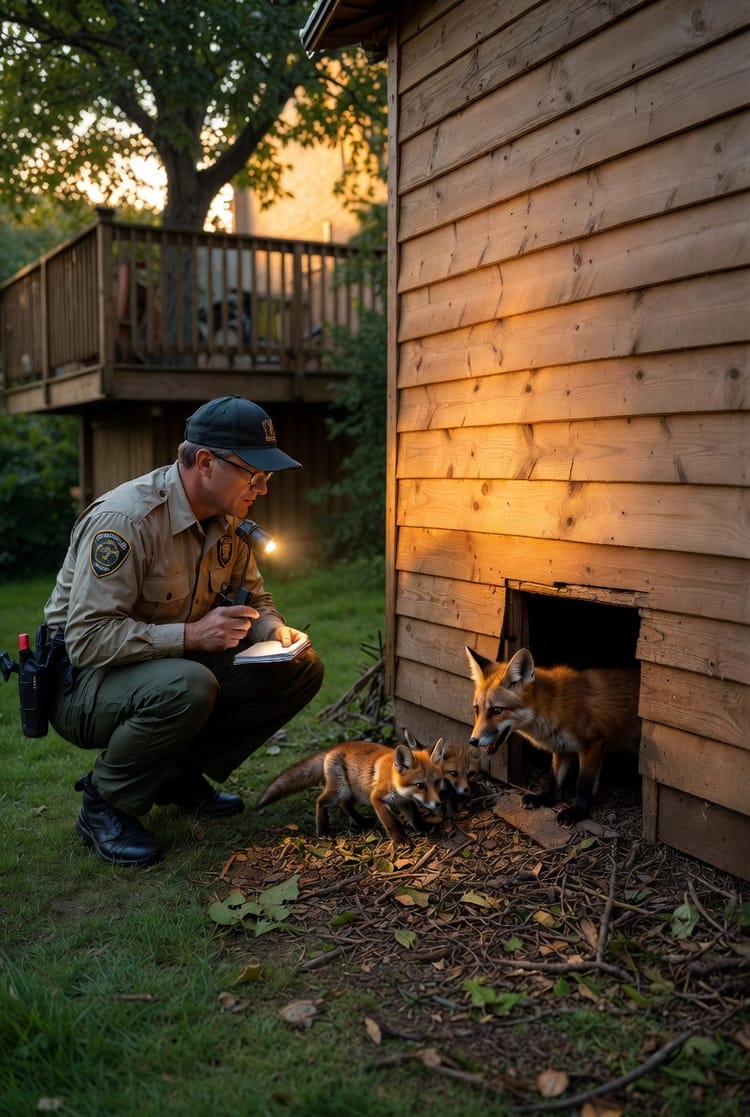
- Multiple animals denning near your home.
- Livestock or poultry losses.
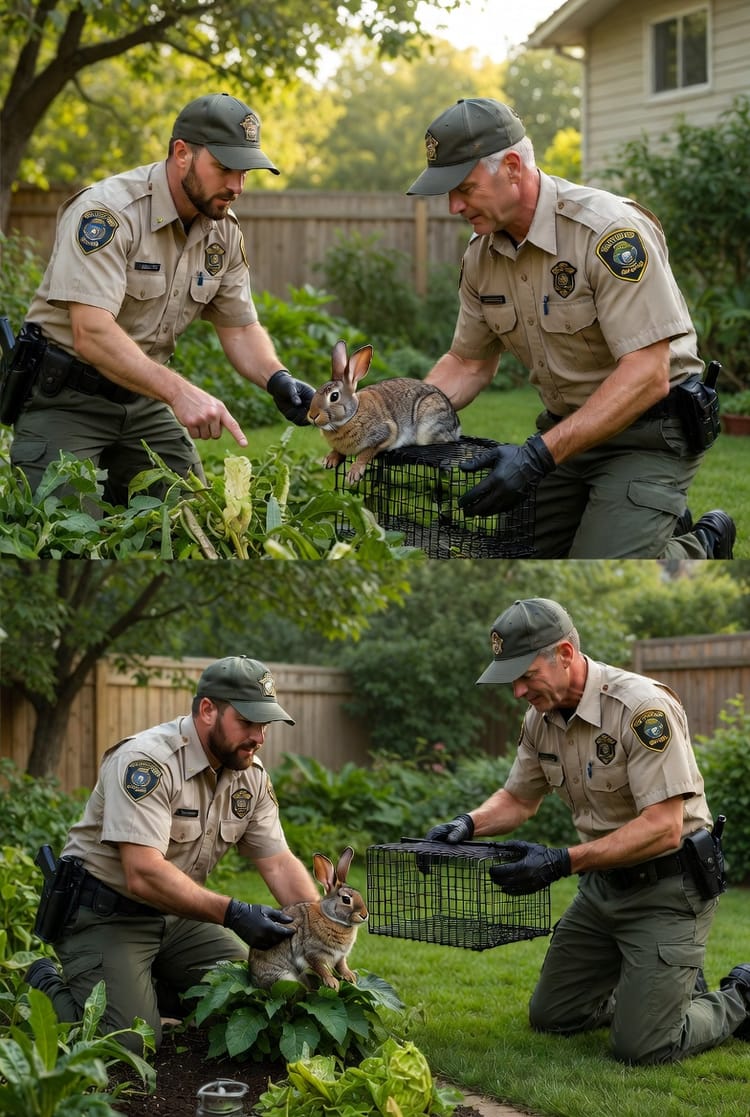
Our wildlife removal specialists conduct thorough property assessments, install humane exclusion devices when appropriate, and provide ongoing monitoring. We never use lethal methods unless absolutely required by local regulations and always prioritize relocation or deterrence first.
With decades of experience, we deliver fast, effective coyote management solutions tailored to your neighborhood.
Coexisting Safely with Urban Wildlife
Coyotes are here to stay, but they do not have to be a threat. By understanding their behavior, removing attractants, practicing responsible hazing, and protecting pets, you can reduce risks dramatically.
Every successful case we handle proves that informed homeowners and professional support create safer communities for both people and wildlife.
Coexist safely with urban wildlife. If you’re facing a coyote encounter or simply want expert advice on prevention, contact our wildlife removal team today. We’re ready to help you reclaim your yard and protect what matters most.
Our friendly specialists provide same-day assessments and customized plans that deliver lasting results. Don’t wait for the next surprise visit—take control today and enjoy your outdoor space with confidence.
Stop Coyote Encounters Before They Happen – Call Today