The Concrete Disposal Challenge: Why Heavy Materials Need Special Handling and Weight Considerations
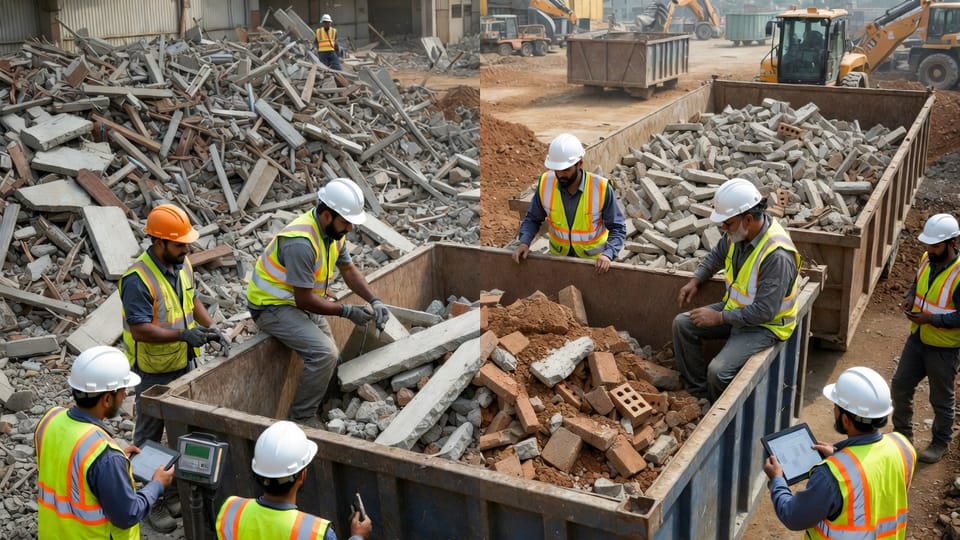
Disposing of construction debris might seem straightforward, but when it comes to heavy materials like concrete, brick, and dirt, the process demands careful planning and specialized knowledge. These materials aren't just bulky; they're dense and weighty, posing unique challenges that can lead to unexpected costs, safety risks, and logistical headaches if not handled properly. In this comprehensive guide, we'll explore why concrete disposal requires special attention, including lower weight limits per cubic yard, the need for smaller dumpsters or custom arrangements, and strategies to avoid overage fees. Whether you're a homeowner tackling a renovation or a contractor managing a large-scale project, understanding these factors will help you dispose of heavy debris efficiently and cost-effectively. Rest assured, with the right approach, you can navigate this challenge smoothly.
Rent the Right Dumpster for Heavy Loads – Call Us!
Understanding the Weight of Heavy Debris
At the heart of the concrete disposal challenge is the sheer density of materials like concrete, brick, and dirt. Unlike lighter debris such as wood, drywall, or general household waste, these heavy hitters pack a significant punch in terms of weight. For instance, concrete is composed of cement, sand, gravel, and water, resulting in a solid mass that doesn't compress easily. This density means that even a small volume can quickly exceed standard dumpster weight limits.
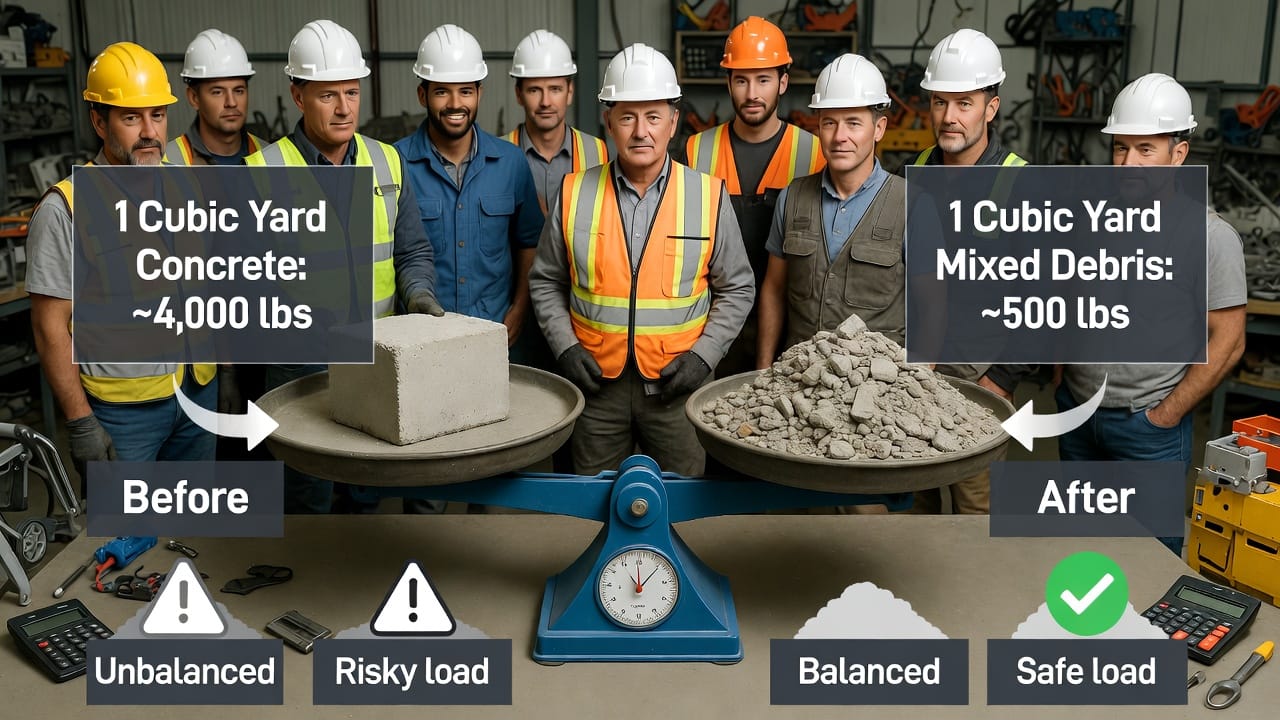
To put it in perspective, a single cubic yard of concrete can weigh around 4,000 pounds – that's equivalent to the weight of a small car! In contrast, mixed construction debris might only tip the scales at about 500 pounds per cubic yard. This stark difference arises because heavy materials have minimal air pockets and are inherently more compact. Brick, made from fired clay, shares similar properties, often weighing 3,000 to 4,000 pounds per cubic yard depending on the type. Dirt, or soil, varies by moisture content but can range from 2,000 to 3,000 pounds per cubic yard when compacted.
Why does this matter for disposal? Most dumpster rental services impose weight limits to ensure safe transportation and compliance with road regulations. Overloading a dumpster not only risks structural damage to the container but can also lead to fines from authorities for exceeding vehicle weight restrictions. That's where special handling comes into play – opting for dumpsters designed for heavy loads or arranging for multiple hauls to stay within limits.
- Key Risks of Ignoring Weight Limits: Potential for overage fees (often $50–$100 per ton over the limit), safety hazards like tipping during transport, and even legal penalties for non-compliance.
- Pro Tip: Always consult your rental provider upfront about the debris type to get tailored advice.
By recognizing these weight disparities early, you can avoid surprises and maintain a smooth workflow.
The Impact on Dumpster Sizing and Rental Choices
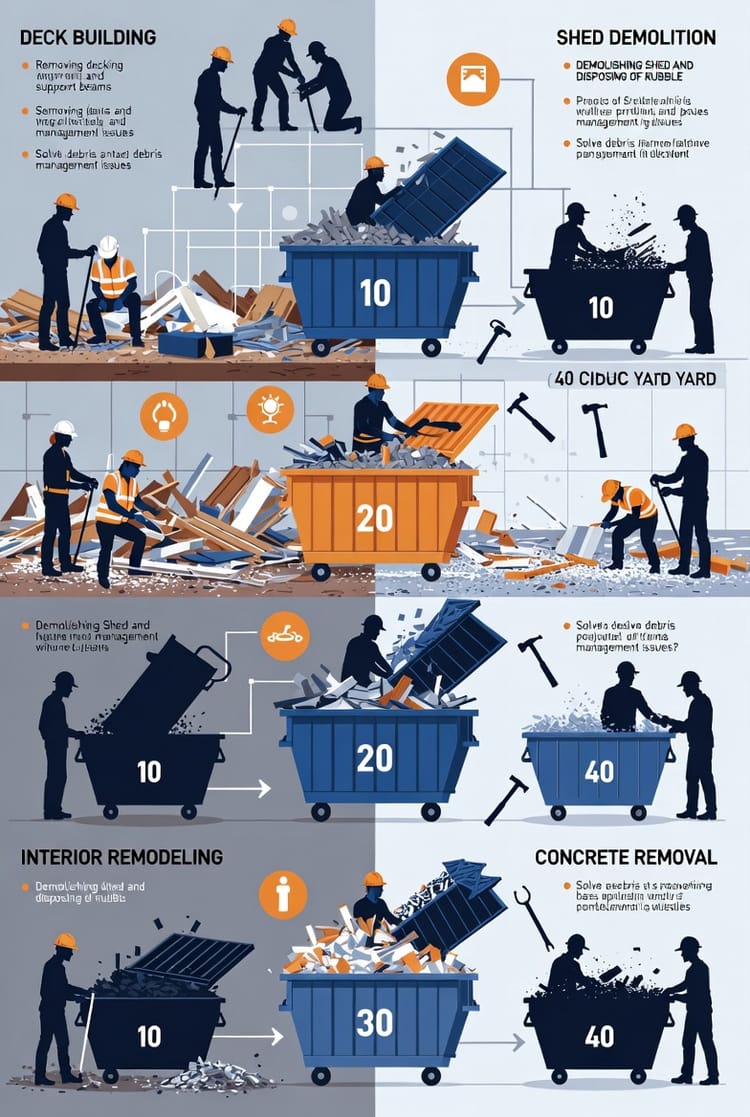
When dealing with heavy materials, standard dumpster sizes might not suffice. A typical 20-yard dumpster, ideal for general debris, has a weight limit of around 2–3 tons (4,000–6,000 pounds). However, filling it with concrete could max out that limit with just 1–1.5 cubic yards of material, leaving much of the container's volume unused. This inefficiency is why experts recommend smaller dumpsters – like 10-yard or even specialized lowboy containers – for dense loads.
Smaller dumpsters allow for better weight distribution and easier compliance with limits. For brick and dirt, similar considerations apply: a 10-yard dumpster might handle up to 2 tons safely, but exceeding this could incur fees or require reinforcements. In some cases, special arrangements such as reinforced dumpsters, roll-off trailers, or on-site crushing services are necessary to manage the load without overages.
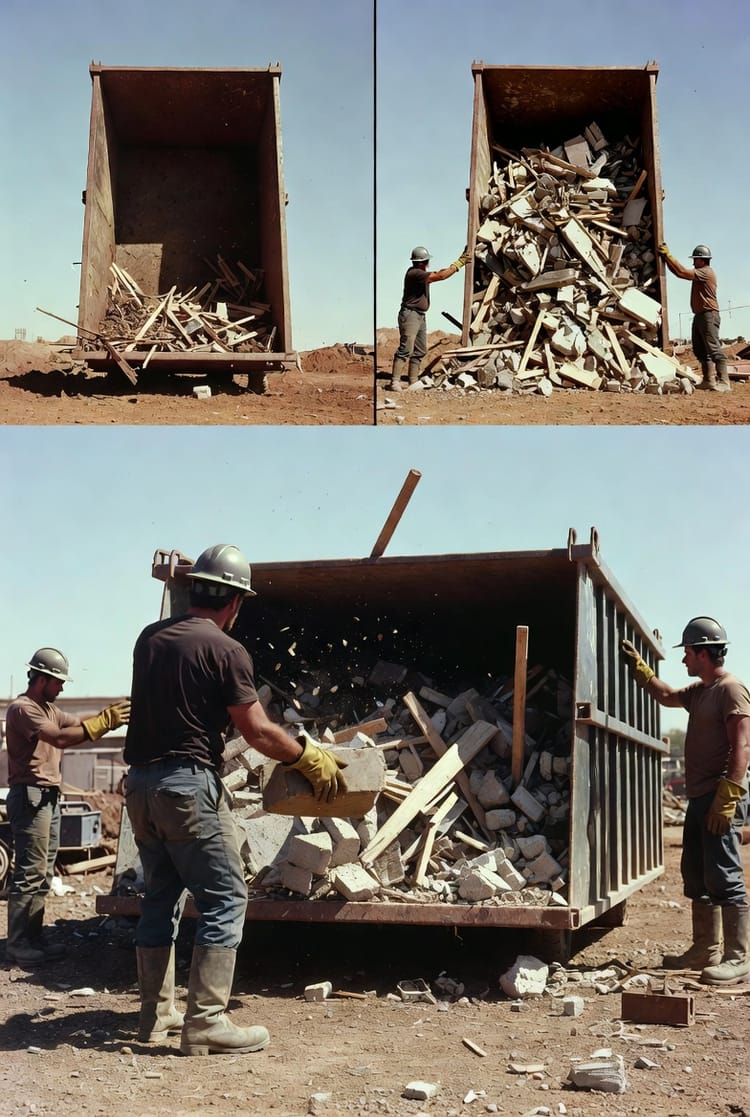
Consider a real-world scenario: A contractor demolishing a driveway might generate 5 cubic yards of broken concrete. At 4,000 pounds per yard, that's 20,000 pounds – far beyond a standard 20-yard limit. The solution? Rent two 10-yard dumpsters or opt for a weight-specific rental plan. This approach not only prevents fees but also enhances site safety by reducing the risk of overloaded equipment.
- Benefits of Smaller Dumpsters for Heavy Loads:
- Lower risk of overages due to precise capacity matching.
- Easier maneuvering on tight job sites.
- Cost savings by avoiding unnecessary volume rentals.
- When to Seek Special Arrangements: If your project involves more than 2 tons of heavy debris, discuss options like segregated hauls or recycling partnerships with your provider.
Rest assured, reputable services offer flexible solutions to fit your needs, ensuring your project stays on track without budget blowouts.
Strategies to Avoid Overage Fees
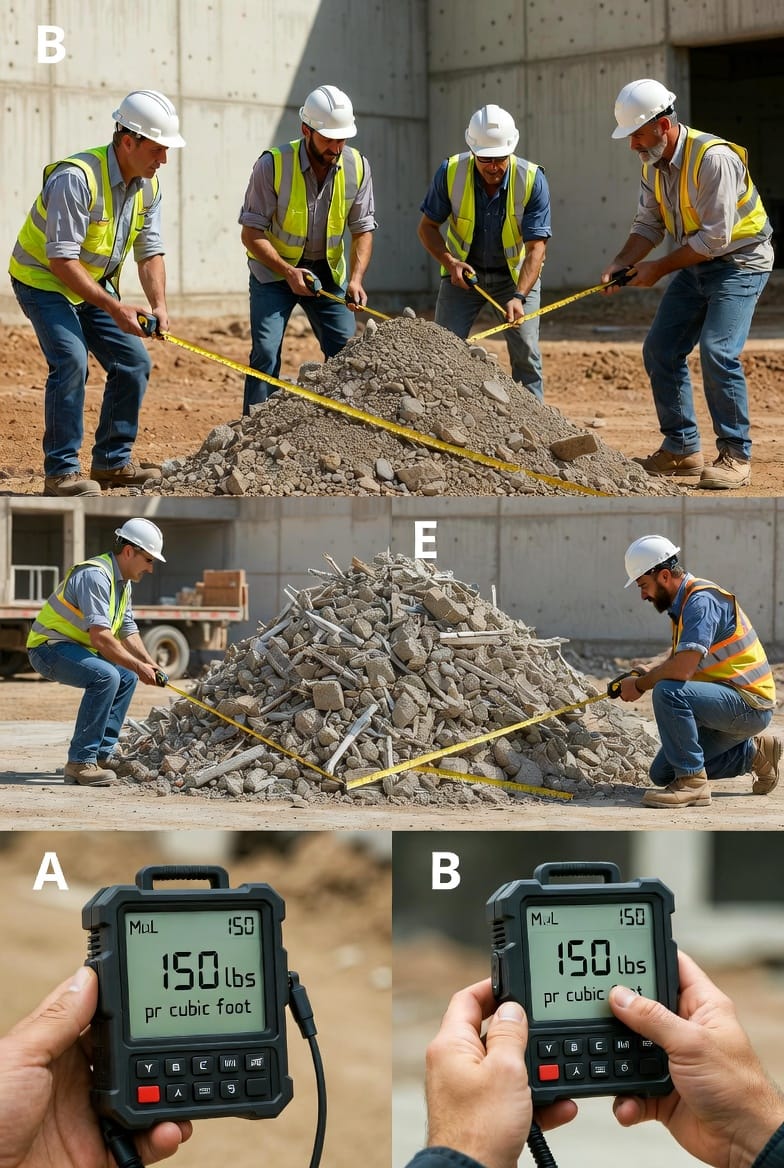
One of the most common pitfalls in concrete disposal is underestimating weight, leading to hefty overage fees. These charges kick in when your load exceeds the agreed-upon limit, often calculated per ton. To sidestep them, start with accurate estimation. Measure the volume of your debris (length x width x height in feet, then divide by 27 for cubic yards), and multiply by the material's average density: 150 pounds per cubic foot for concrete, 120–140 for brick, and 75–100 for dirt.
Tools like online calculators or apps can refine these estimates, factoring in variables like moisture. For dirt, wet soil can add 20–30% more weight, so dry it out if possible before loading. Another smart tactic: Mix heavy materials with lighter ones only if permitted, but for pure heavy loads, segregation is key to maximize recycling value – concrete and brick can often be crushed and reused, reducing disposal costs.
Safety is paramount here. Overloaded dumpsters can shift during transport, posing risks to drivers and the public. Always load evenly, starting from the front, and secure loose pieces. If you're unsure, professional haulers can provide on-site weighing services for peace of mind.
- Top Tips for Fee Avoidance:
- Use weight calculators early in planning.
- Choose rentals with inclusive tonnage allowances.
- Recycle where possible – many facilities accept clean concrete for free or low cost.
- Authoritative Advice: Partnering with experienced providers ensures compliance and efficiency, turning a potential headache into a streamlined process.
Estimating and Managing Concrete Weight Effectively
Delving deeper into estimation, let's break down the process for concrete weight management. First, assess the project's scope: A patio removal might yield 2–3 cubic yards, while a foundation demo could produce 10+. Use the formula: Volume (cubic feet) x 150 lbs/ft³ for concrete. For example, a 10x10x0.5-foot slab is 50 cubic feet, equating to 7,500 pounds or about 3.75 tons.
For brick, factor in voids – hollow bricks weigh less than solid ones. Dirt requires compaction consideration; loose soil is lighter than packed. Always add a 10–15% buffer for inaccuracies.
Advanced techniques include using ground-penetrating radar for hidden volumes or hiring surveyors for large jobs. Once estimated, select a dumpster accordingly: For 5 tons of concrete, a 20-yard heavy-duty model might work, but confirm with your provider.
Beyond estimation, proper loading techniques matter. Stack heavy items low and distribute weight evenly to prevent tipping. If overages occur, some services allow adjustments, but prevention is best.
- Common Estimation Errors to Avoid:
- Forgetting moisture in dirt.
- Overlooking brick mortar weight.
- Ignoring partial fills in volume calculations.
- Reassuring Note: With these methods, you'll confidently manage loads, saving time and money.
Environmental and Economic Benefits of Proper Handling
Handling heavy materials correctly isn't just about avoiding fees – it's also environmentally responsible. Recycling concrete reduces landfill use and provides aggregate for new projects, conserving resources. Brick can be reclaimed for historic restorations, and clean dirt is valuable for landscaping.
Economically, smart disposal lowers overall costs. By choosing smaller, weight-appropriate dumpsters, you pay only for what you need. Special arrangements like on-site processing can further cut expenses.
Case in point: A recent commercial renovation project saved 30% on disposal by segregating concrete for recycling, using precise weight estimates to rent appropriately sized containers.
Safety Protocols for Heavy Debris Disposal
Safety underpins all special handling efforts. Wear PPE like gloves, helmets, and steel-toed boots when loading. Use machinery for heavy lifts to prevent injuries. Secure loads with tarps to contain dust and debris during transport.
For dirt, erosion control during storage avoids environmental fines. Brick handling requires care to avoid sharp edges.
- Essential Safety Checklist:
- Inspect dumpster for damage before use.
- Train team on weight limits.
- Monitor for hazardous mixtures (e.g., no asbestos in concrete).
By prioritizing safety, you protect your team and ensure compliance.
Choosing the Right Disposal Partner
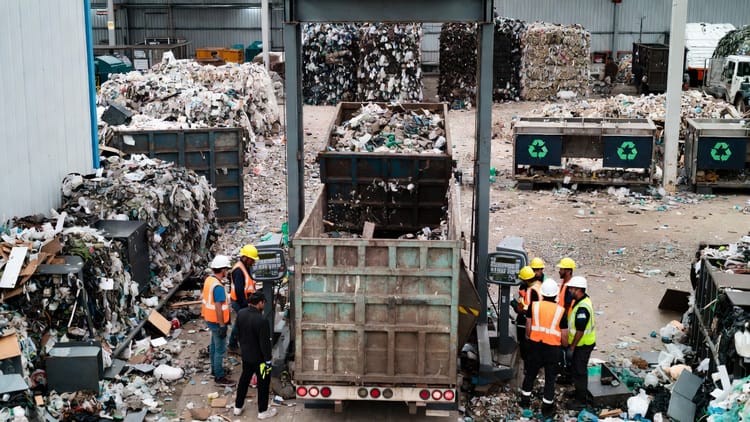
Selecting a reliable dumpster rental service is crucial. Look for providers experienced in heavy materials with transparent pricing and weight advice. They should offer flexible options like same-day delivery and eco-friendly recycling.
Inquire about permits if needed for street placement, and confirm insurance coverage.
Long-Term Strategies for Heavy Material Projects
For ongoing projects, implement waste management plans including regular weight audits and material audits. This proactive stance minimizes risks and optimizes costs.
Incorporate sustainable practices like sourcing recycled aggregates to close the loop.
Dispose of Concrete Safely & Save Money – Call Today