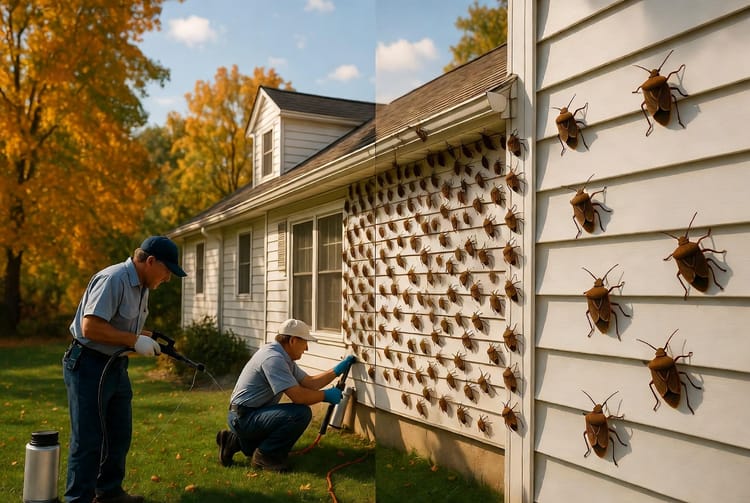
The Cluster Fly Invasion: Why These Pests Overwinter in Attics and How to Stop Them
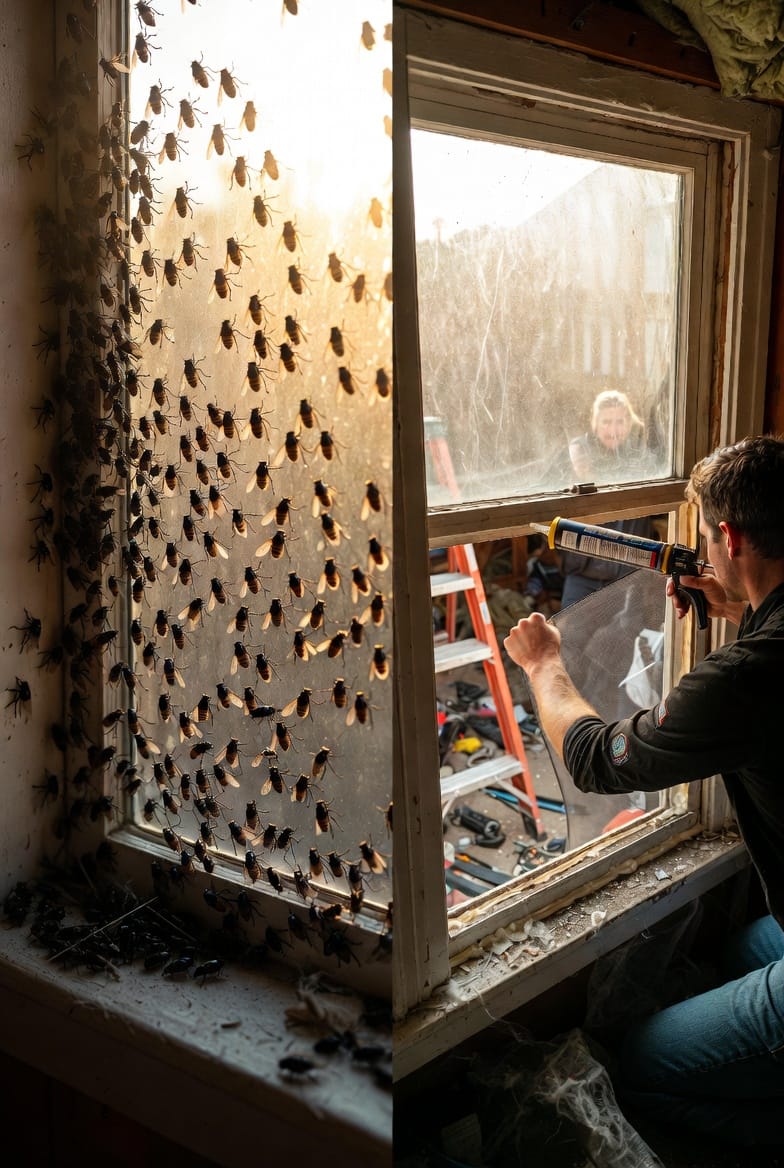
As cooler temperatures arrive each fall, a silent seasonal challenge begins for homeowners across the United States. Cluster flies quietly seek shelter inside structures, turning cozy attics into their overwintering havens. These pests may seem mysterious at first, but their behavior follows a predictable pattern that leaves many properties vulnerable if left unchecked.
Get Seasonal Cluster Fly Protection Today – Call Now
The good news? With timely action and proven strategies, you can prevent an invasion entirely. This comprehensive guide explains exactly why cluster flies target attics, why they remain harmless yet frustrating, and—most importantly—how to stop them before they settle in. Whether you’re noticing early signs or planning ahead for next season, the right knowledge empowers you to protect your home with confidence.
Rest assured, effective solutions exist that deliver lasting results without disruption to your daily life. Let’s explore the full picture and equip you with the tools to reclaim your space.
Understanding Cluster Fly Behavior: From Fall Entry to Spring Emergence
Cluster flies follow a unique life cycle that sets them apart from common house flies or fruit flies. Unlike pests that breed indoors, these insects originate outdoors and actively search for protected, warm locations as days shorten and nights grow colder. In late autumn, they migrate toward buildings, drawn by the contrast between chilly exterior air and the inviting warmth radiating from attics and wall voids.
Once inside, they enter a state of dormancy known as overwintering. They remain largely inactive through winter, conserving energy until rising spring temperatures trigger movement. On sunny days, they often emerge from hiding spots and gather near windows or light sources, creating the “cluster” effect that gives them their name.
This behavior repeats annually, influenced by local climate patterns. Homes in regions with distinct seasonal shifts experience the most noticeable activity, especially older structures or those with natural gaps around roofs and siding. Understanding this cycle is the first step toward effective cluster fly prevention—because knowing when and why they arrive allows you to act before the problem escalates.
Why Attics Become the Perfect Overwintering Refuge
Attics offer the ideal combination of warmth, darkness, and seclusion that cluster flies instinctively crave. Heat naturally rises through your home, concentrating in upper levels and creating a stable microclimate even when outdoor temperatures drop below freezing. Gaps around vents, soffits, chimney flashing, and electrical penetrations provide effortless entry points that these pests exploit without effort.
Unlike rodents or other invaders, cluster flies do not damage wiring or insulation. They simply rest in large groups, often numbering in the hundreds or thousands within a single attic. When spring warmth returns, they become active again, seeking exits and frequently ending up inside living spaces.
This seasonal pattern explains why many homeowners first notice the issue in March or April, long after the original fall entry. By addressing the root cause—unprotected entry points—you eliminate the invitation entirely. Professional attic pest control focuses precisely on these vulnerabilities, delivering results that last through multiple seasons.
The Harmless Nature of Cluster Flies: Annoying but Not Dangerous
One of the most reassuring aspects of dealing with cluster flies is their complete lack of threat to human health. They do not bite, sting, or transmit diseases. They are not attracted to food in your kitchen and will not contaminate surfaces like filth flies might.
Their primary nuisance stems from sheer numbers and behavior. When disturbed, they fly slowly and clumsily, often bumping into walls or windows. In large clusters, they can leave small dark spots on surfaces from their excrement—unsightly but easily cleaned.
Homeowners frequently describe the sound of buzzing near windows on bright winter days as particularly irritating. Yet these pests remain strictly seasonal visitors. Once temperatures stabilize and they depart outdoors to lay eggs in soil, the indoor population disappears naturally.
This harmless profile makes cluster fly management straightforward and low-risk. The focus stays on prevention rather than eradication of a dangerous infestation, giving you peace of mind that your family and pets face zero health concerns.
Spotting the Signs of a Cluster Fly Problem Early
Early detection prevents small gatherings from becoming major nuisances. Watch for these reliable indicators:
- Slow-moving flies clustering on sunny interior windows during winter months
- Large groups appearing suddenly in attics or upper-level rooms when disturbed
- Small dark stains on window sills or walls near light sources
- Unusual buzzing sounds near ceiling areas or light fixtures on warm days
If you notice any of these signs, it’s time to investigate entry points rather than simply swatting individual flies. Prompt attention stops the cycle before it repeats the following fall.
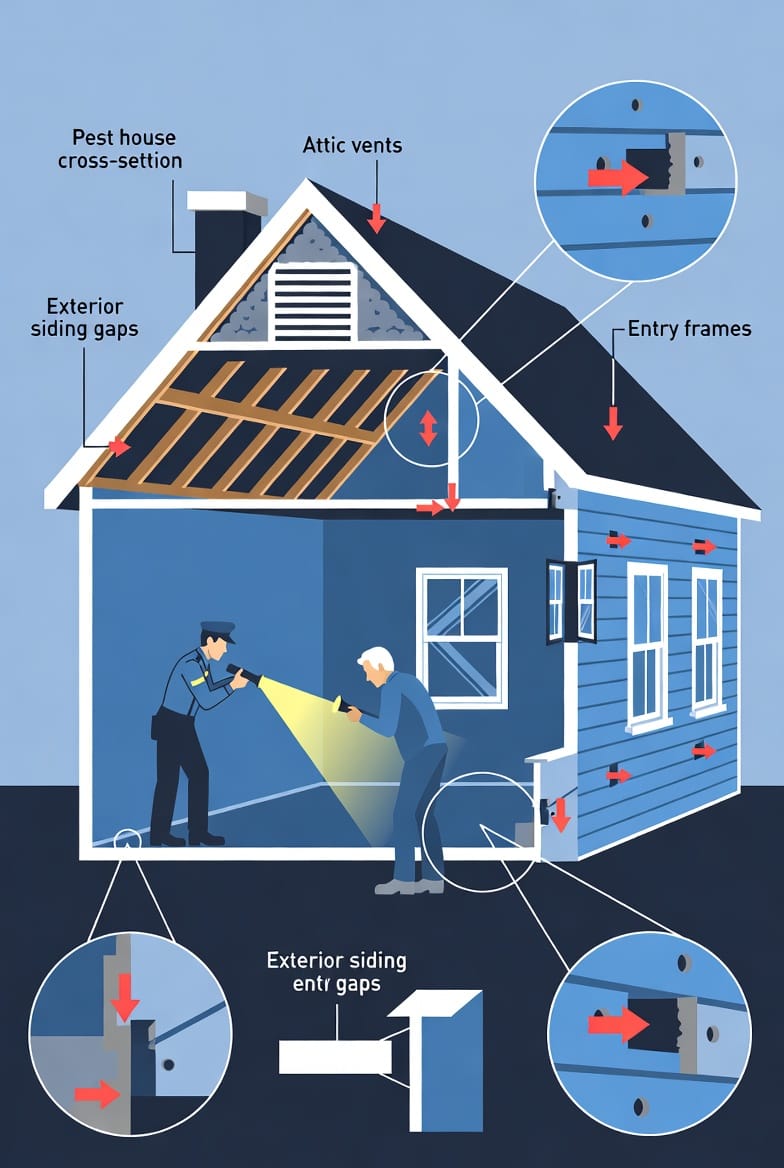
Prevention Strategies: Sealing Exterior Cracks and Gaps
The most reliable defense against cluster fly invasion begins with physical exclusion. Sealing potential entry points eliminates the opportunity for pests to overwinter inside your home. Focus on these key areas:
- Attic vents and soffit openings – Install fine-mesh screens rated for insect exclusion
- Gaps around siding and fascia boards – Use high-quality exterior caulk designed for temperature fluctuations
- Window and door frames – Check for cracks and replace worn weatherstripping
- Chimney flashing and roof penetrations – Ensure all seals remain intact and watertight
Professional inspection often reveals hidden vulnerabilities that DIY checks might miss. A thorough exterior evaluation identifies every possible route, allowing targeted repairs that deliver permanent protection.
Timed Treatments: The Smart Approach to Cluster Fly Control
Sealing alone provides excellent prevention, but combining it with timed treatments creates a comprehensive barrier. The optimal window for application occurs in early fall, before pests begin their search for shelter. A professional-grade treatment applied to exterior walls and attic entry zones creates a residual barrier that deters flies from landing or entering.
In spring, a lighter follow-up treatment addresses any flies that may have already sheltered inside. This strategic timing interrupts the life cycle at its most vulnerable stages without unnecessary chemical use.
Homeowners who follow a seasonal schedule report dramatically fewer sightings year after year. The combination of physical sealing and precisely scheduled applications ensures your attic remains inhospitable to overwintering pests.

Why Professional Pest Control Delivers Superior Results
While DIY products exist, they rarely match the precision and longevity of professional cluster fly control services. Trained technicians possess specialized equipment, industry-grade materials, and deep knowledge of local pest patterns. They can access difficult-to-reach areas safely and apply treatments at the exact strength needed for your specific situation.
Moreover, professionals provide ongoing monitoring and adjustments based on seasonal changes. This proactive approach saves time, reduces frustration, and protects your investment in your home far more effectively than sporadic store-bought solutions.
Maintaining a Cluster Fly-Free Home Year-Round
Long-term success depends on consistent habits. Schedule annual exterior inspections each September. Keep gutters clean and trim vegetation away from siding. Consider upgrading older vents with modern pest-resistant models during routine maintenance.
These simple steps, paired with professional seasonal protection, create a fortress-like defense that keeps attics peaceful and living spaces comfortable throughout every season.
Take Action Before the Next Invasion Begins
Stop fall invaders before they settle in. Don’t wait for clusters to appear on your window sills or buzzing to fill your attic. Seasonal protection offers the most effective, reassuring solution available.
Our team stands ready to inspect your property, seal vulnerable entry points, and implement timed treatments that deliver lasting peace of mind.
Your home deserves to remain comfortable and pest-free—especially when the solution is this straightforward and reliable. Protect your attic and your comfort with confidence.
Say Goodbye to Attic Cluster Flies – Schedule Protection Today