The Bite of the Matter: How Malocclusion and TMJ Issues Affect More Than Just Your Smile
In the realm of dental health, your bite—medically known as occlusion—plays a pivotal role far beyond aesthetics. A properly aligned bite ensures that your upper and lower teeth meet harmoniously, supporting not just your smile but your entire body's well-being. However, when misalignment occurs, termed malocclusion, it can cascade into TMJ disorders (temporomandibular joint issues), leading to a host of interconnected health problems. This article delves into how a simple bite issue can influence everything from chronic pain to daily comfort, offering insights into diagnosis and effective solutions. Rest assured, with modern dentistry, these concerns are addressable, restoring balance and vitality to your life.
Stop Headaches & Jaw Pain Today – Schedule Your Bite Evaluation
Understanding Occlusion: The Foundation of Your Bite
Occlusion refers to the way your teeth come together when you close your mouth. In an ideal scenario, your teeth align evenly, distributing forces uniformly during chewing, speaking, and resting. But life isn't always ideal—factors like genetics, habits (such as thumb-sucking in childhood), injuries, or even poor dental work can lead to malocclusion.
There are several types of malocclusion:
- Class I: Normal bite but with crowding or spacing issues.
- Class II: Overbite, where the upper teeth protrude significantly over the lower ones.
- Class III: Underbite, with the lower jaw extending forward.
These misalignments might seem minor at first, but they disrupt the natural equilibrium of your jaw. Over time, this imbalance strains the muscles and joints, setting the stage for more serious complications. The good news? Early awareness and intervention can prevent escalation, promoting long-term oral wellness.
The Connection Between Malocclusion and TMJ Disorders
The temporomandibular joint (TMJ) acts as a hinge connecting your jawbone to your skull, enabling essential movements like talking and eating. When malocclusion forces your jaw into unnatural positions, it overworks this joint, leading to TMJ disorders (TMD). Symptoms often start subtly but can intensify without treatment.
Imagine your jaw as a well-oiled machine; a misaligned bite throws a wrench into the gears. This can cause inflammation, muscle fatigue, and even joint degeneration. Research from dental associations highlights that up to 30% of adults experience some form of TMD, often linked directly to bite problems. But don't worry—understanding this link empowers you to seek timely care, alleviating discomfort and preventing further issues.
Common ways malocclusion contributes to TMD include:
- Uneven pressure: Forcing certain teeth to bear more load, leading to joint stress.
- Muscle compensation: Jaw muscles overworking to achieve a comfortable bite, resulting in spasms.
- Joint misalignment: Gradually wearing down the TMJ's cartilage, akin to a door hinge that's off-kilter.
By addressing the root cause—your bite—you can restore harmony to this critical joint.
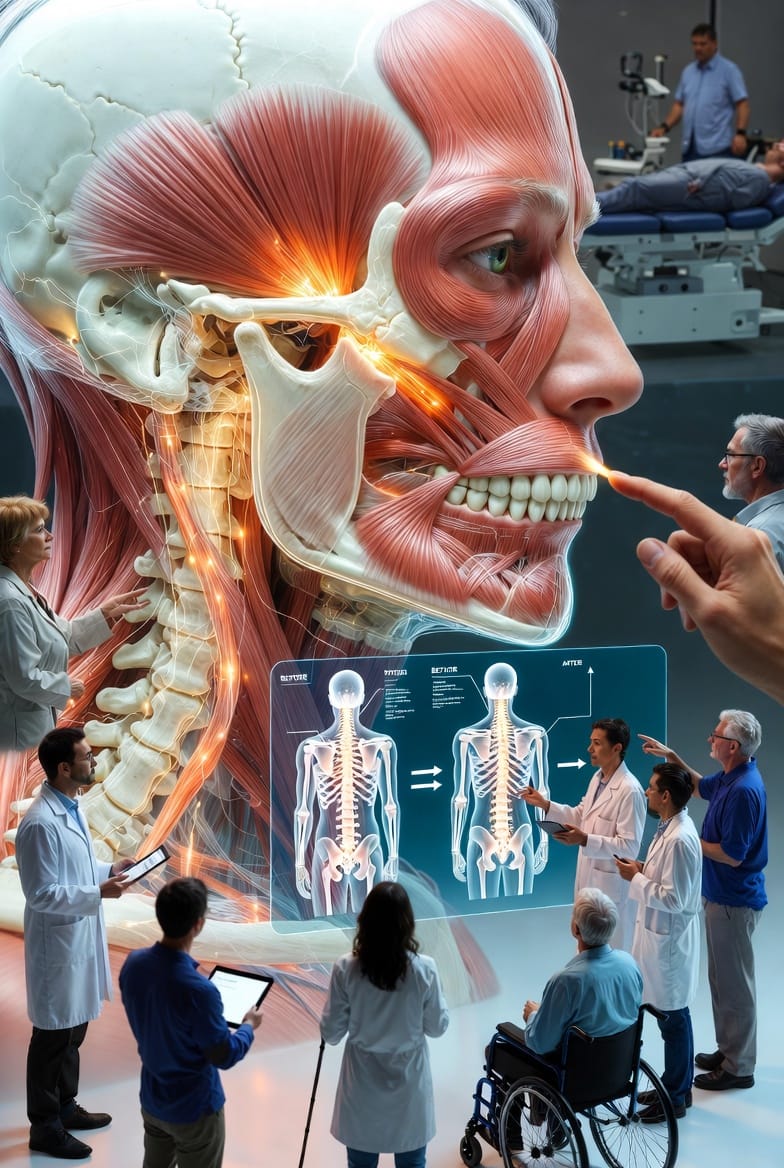
Broader Health Impacts: Beyond the Mouth
A misaligned bite doesn't stop at your jaw; its effects ripple throughout your body. Chronic headaches, for instance, are a frequent complaint among those with malocclusion. The constant strain on jaw muscles can trigger tension headaches or migraines, as the pain radiates from the temples to the forehead. Studies indicate that up to 70% of TMD patients report headaches as a primary symptom.
Then there's neck and shoulder pain. Your jaw is intimately connected to your cervical spine via muscles and nerves. When your bite is off, it alters your head posture—often tilting forward or to one side—to compensate. This "forward head posture" strains the neck muscles, leading to stiffness, soreness, and even referred pain in the shoulders. Over years, it might contribute to conditions like cervical spondylosis.
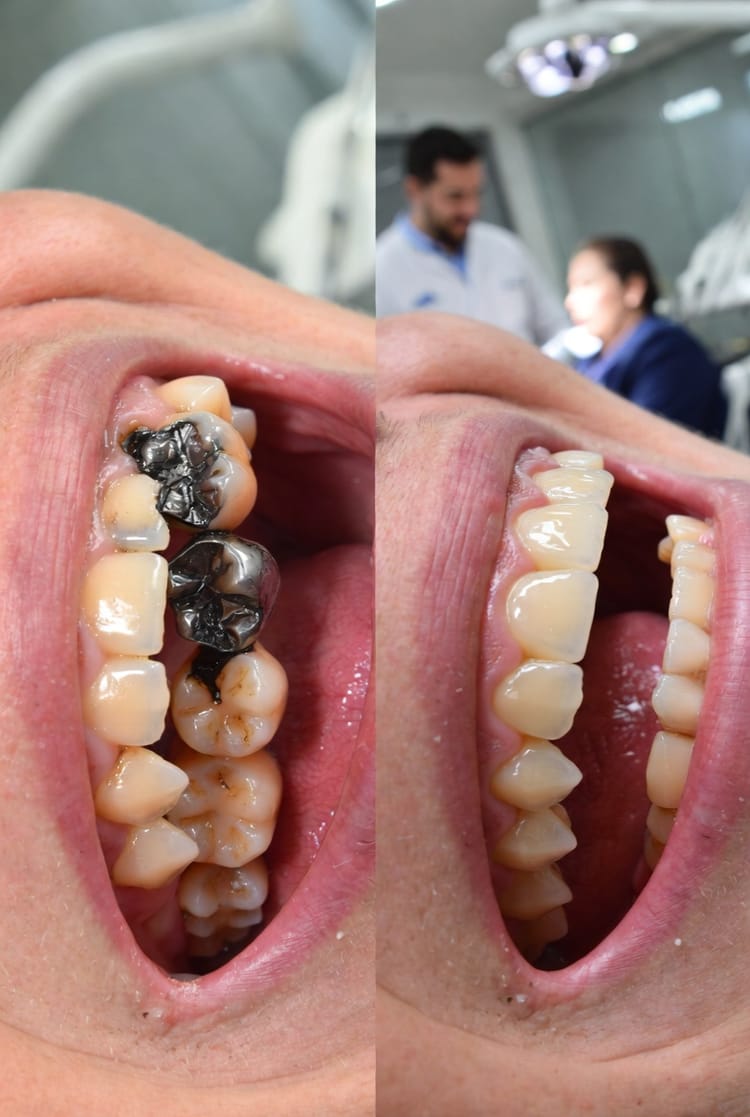
Don't overlook uneven tooth wear. Malocclusion causes some teeth to grind excessively against others, leading to flattened surfaces, chips, or cracks. This not only accelerates tooth decay and sensitivity but also exacerbates bite issues in a vicious cycle. Sensitive teeth, in turn, can make eating uncomfortable, affecting nutrition and overall quality of life.
Other surprising links include:
- Sleep disturbances: TMD can worsen sleep apnea by obstructing airways during jaw misalignment.
- Ear issues: Proximity to the ear canal may cause tinnitus or earaches.
- Digestive problems: Poor chewing efficiency from bite issues can lead to indigestion.
These connections underscore that dental health is integral to holistic wellness. Fortunately, with expert guidance, you can break this chain, achieving relief and improved vitality.
Diagnostic Methods: Pinpointing the Problem
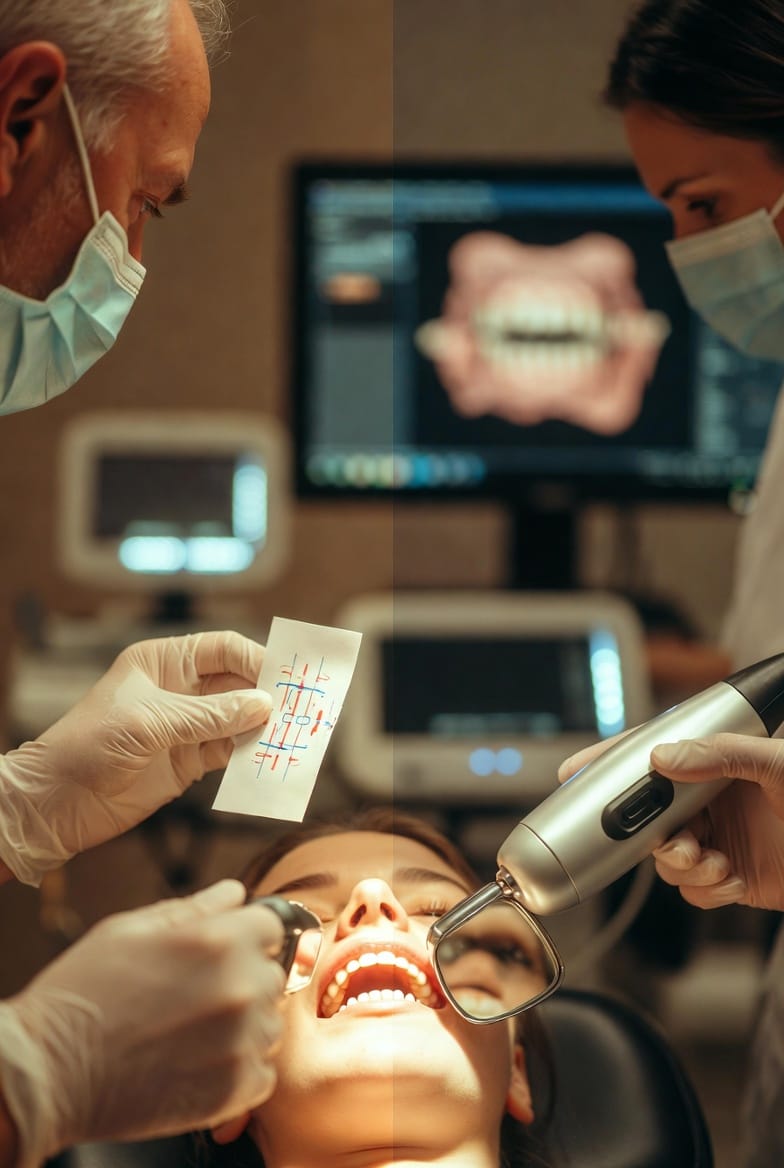
Diagnosing malocclusion and TMJ issues begins with a thorough evaluation by a dental professional. They employ advanced tools to assess your bite accurately, ensuring a tailored approach.
Key diagnostic techniques include:
- Visual and manual examination: Checking tooth alignment, jaw movement, and signs of wear.
- Articulating paper tests: Marking contact points to reveal imbalances.
- Imaging: X-rays, CBCT scans, or MRI to visualize the TMJ and bone structures.
- Bite analysis devices: Digital tools like T-Scan for precise pressure mapping.
- Symptom tracking: Discussing your history of headaches, pain, or clicking sounds.
This comprehensive process is painless and insightful, providing a roadmap to recovery. Rest easy knowing that modern diagnostics are precise, minimizing guesswork.
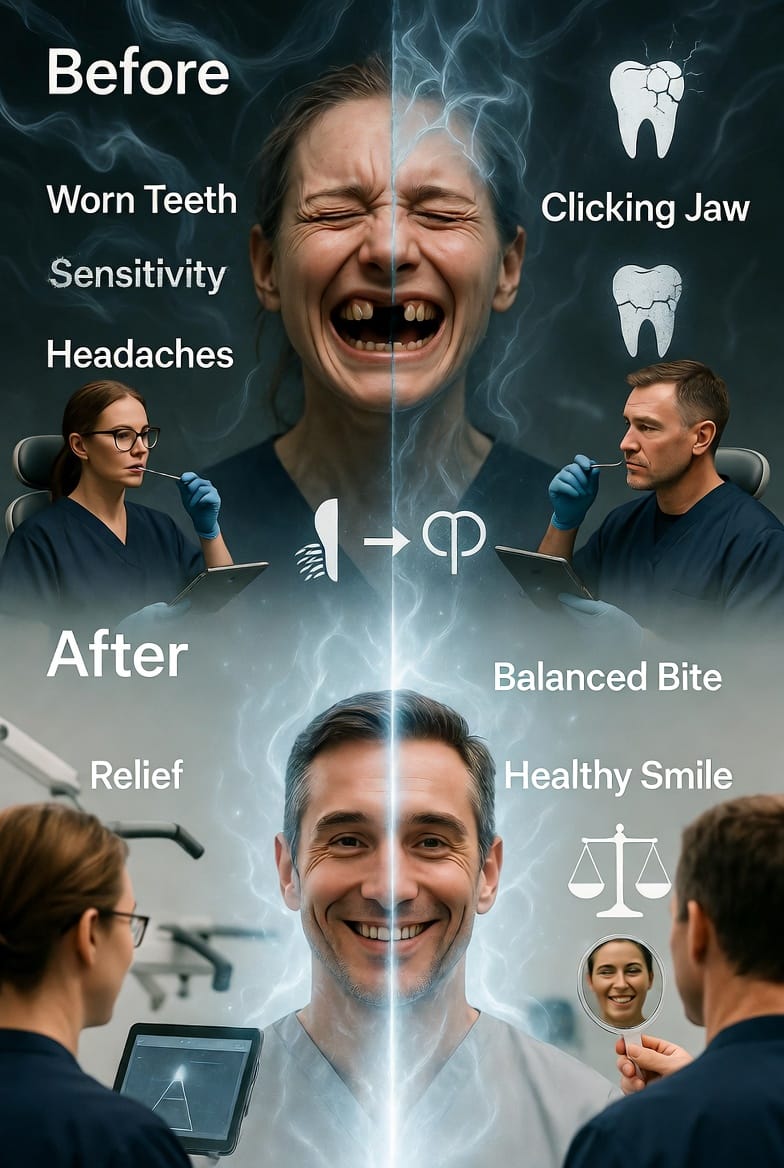
Treatment Solutions: Restoring Balance
Once diagnosed, a range of solutions can correct malocclusion and alleviate TMJ issues. The goal is to realign your bite, reduce strain, and enhance overall health.
Popular treatments encompass:
- Orthodontics: Braces or clear aligners like Invisalign to gradually shift teeth into proper position. Ideal for moderate malocclusions, they offer discreet, effective correction.
- Occlusal adjustments: Selective grinding of tooth surfaces to even out contact points, often a quick fix for minor issues.
- Splints or night guards: Custom devices to protect teeth from grinding and reposition the jaw during sleep.
- Restorative dentistry: Crowns, veneers, or implants to rebuild worn teeth and improve occlusion.
- Physical therapy: Exercises and modalities to strengthen jaw muscles and relieve TMD pain.
- Surgery: In rare, severe cases, procedures to reposition the jaw.
These options are customized to your needs, with many being non-invasive. Patients often report significant improvements in headaches and pain within weeks. Embracing these solutions not only fixes your smile but elevates your total body wellness.
Preventive Strategies: Maintaining Optimal Occlusion
Prevention is key to avoiding malocclusion's far-reaching effects. Regular dental check-ups—every six months—allow early detection. Avoid habits like nail-biting or using teeth as tools, and address childhood issues promptly.
Incorporate these tips:
- Ergonomic awareness: Maintain good posture to support jaw alignment.
- Stress management: Techniques like yoga can reduce clenching.
- Diet choices: Opt for softer foods if experiencing pain, transitioning back as issues resolve.
By staying proactive, you safeguard your health holistically.
Embracing Wellness Through Bite Alignment
Your bite is more than a dental detail—it's a cornerstone of your well-being. From warding off TMJ disorders to easing chronic headaches and neck pain, proper occlusion fosters harmony in your body. With diagnostic precision and targeted treatments like orthodontics or occlusal adjustments, relief is within reach.
Achieve Pain-Free Living – Schedule Your Occlusion Assessment