The Bamboo vs. Eucalyptus Flooring: Sustainable Grass Options Compared
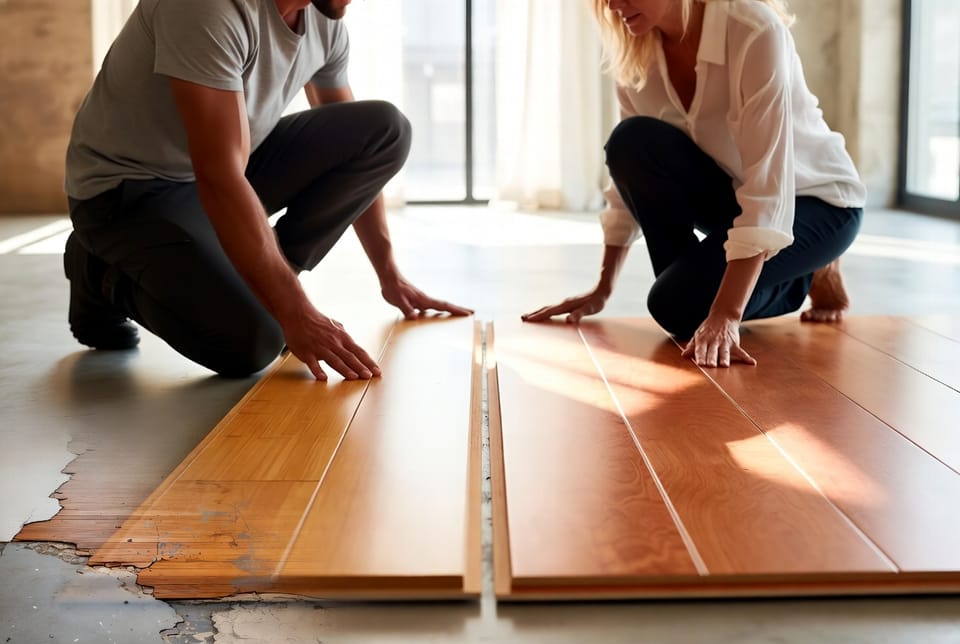
In today’s eco-conscious world, homeowners and designers seek flooring solutions that combine beauty, durability, and genuine environmental responsibility. Bamboo and eucalyptus have emerged as two leading sustainable grass-based flooring choices. Both grow rapidly and regenerate without traditional timber harvesting, yet they differ significantly in performance, appearance, and long-term value.
Transform Your Home with Eco-Friendly Flooring – Call Now!
This comprehensive guide compares these two remarkable materials across every key factor. Whether you prioritize extreme hardness, natural moisture resistance, or fastest renewability, you will find clear answers here. By the end, you will confidently select the best sustainable flooring for your home or project.
Understanding Bamboo Flooring
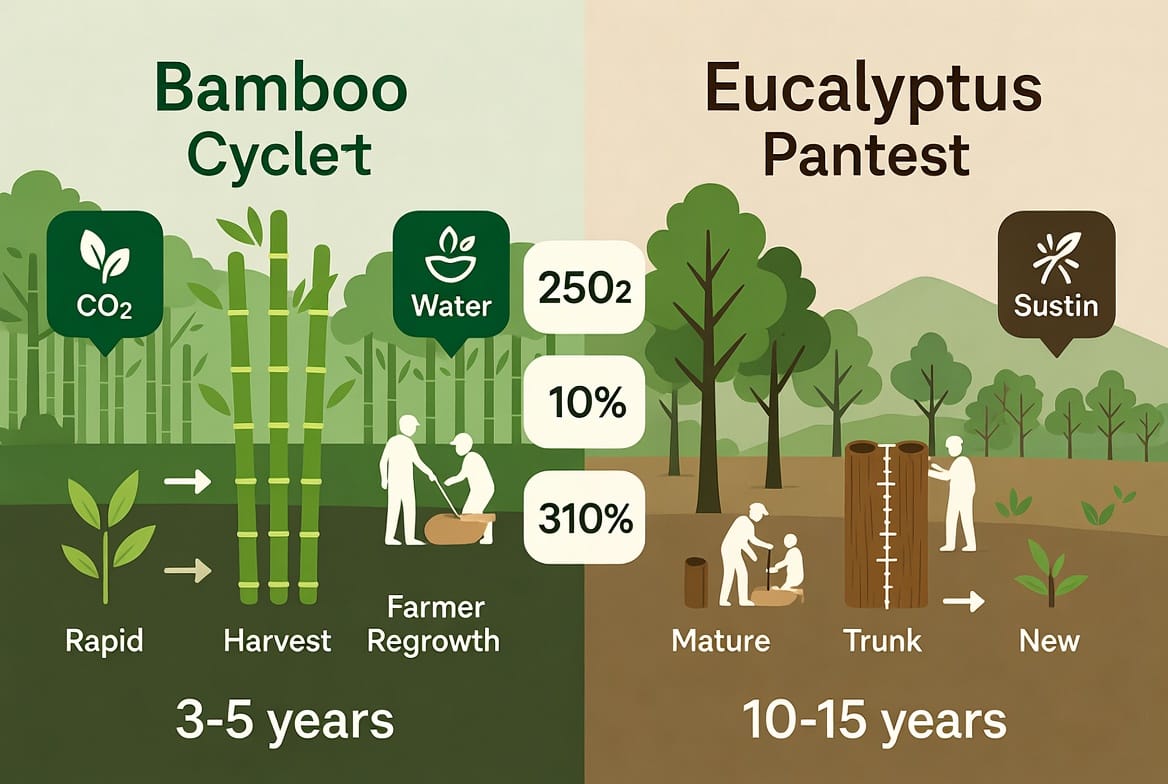
Bamboo flooring comes from one of nature’s fastest-growing plants. It reaches full maturity in just 3–5 years and regenerates from the same root system, making it highly renewable. Manufacturers typically produce three main types: solid bamboo, engineered bamboo, and the ultra-durable strand-woven bamboo.
Strand-woven bamboo stands out for its exceptional strength. The manufacturing process compresses bamboo fibers under extreme heat and pressure, creating a dense material with a Janka hardness rating often exceeding 3000. This makes it harder than many traditional hardwoods, including oak and maple.
Key benefits of bamboo flooring include:
- Natural antimicrobial properties
- Elegant grain patterns ranging from subtle to bold
- Excellent dimensional stability when properly finished
- Wide availability in various colors and styles
Understanding Eucalyptus Flooring
Eucalyptus flooring derives from the eucalyptus tree, which grows quickly in managed plantations. While technically a hardwood, its rapid 10–15 year harvest cycle earns it a place among sustainable options. The wood features attractive reddish to golden-brown tones with interesting grain variation.
Eucalyptus offers a Janka hardness rating between 1500 and 2000, providing solid everyday durability suitable for most residential applications. It delivers a warm, traditional hardwood appearance while maintaining strong eco-credentials through responsible forestry practices.
Advantages of eucalyptus flooring:
- Rich, natural color variations
- Good workability for custom installations
- Pleasant natural scent during initial installation
- Strong screw-holding capability
Hardness and Durability Comparison
When comparing bamboo vs eucalyptus flooring, hardness often becomes the deciding factor for high-traffic homes.
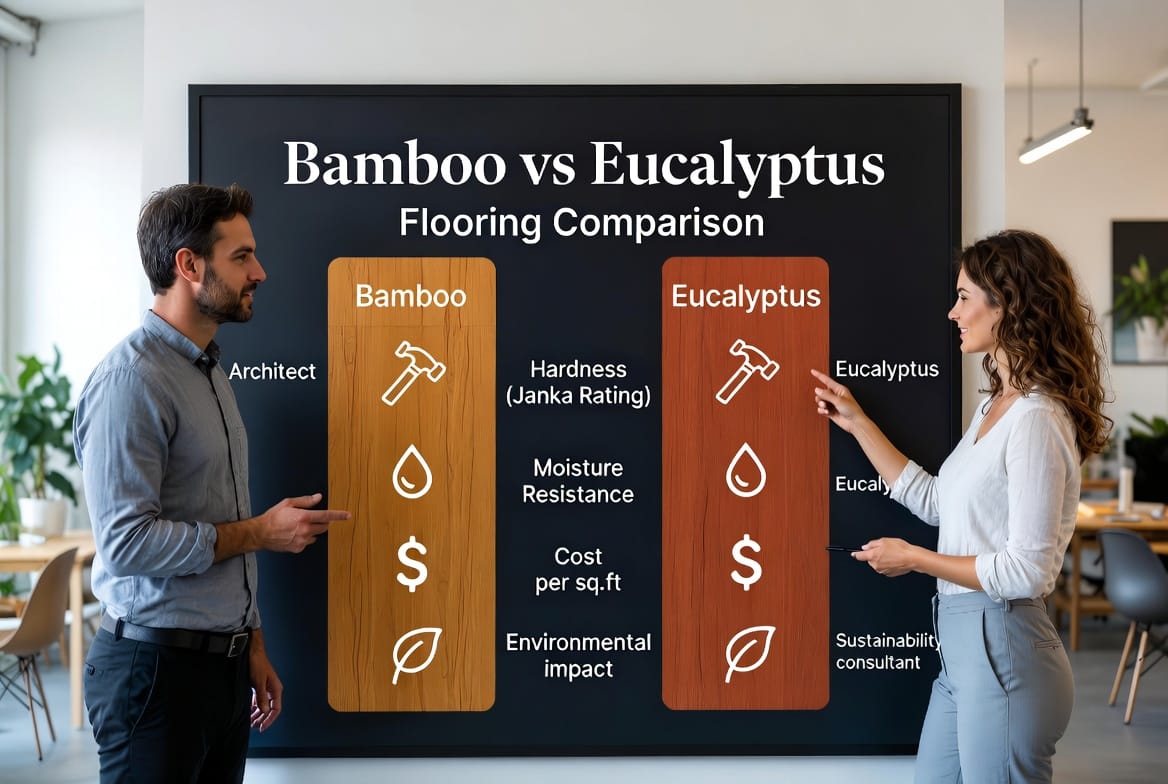
Bamboo strand-woven consistently tests at 3000+ on the Janka scale, offering superior resistance to dents and scratches. This makes it ideal for families with children or pets. The compressed fiber structure creates a tough surface that withstands heavy furniture and daily use while maintaining its beauty for decades.
Eucalyptus, with ratings of 1500–2000, performs comparably to many popular hardwoods. It handles normal household activity gracefully but may show wear faster in extremely high-traffic zones compared to strand-woven bamboo.
Pro Tip: Both materials benefit significantly from quality underlayment and proper acclimation before installation, extending their lifespan considerably.
Moisture Resistance and Indoor Performance
Moisture resistance varies notably between these options:
- Bamboo performs well in moderate humidity when properly sealed. Strand-woven varieties resist swelling better than traditional bamboo due to their dense construction. However, excessive moisture exposure can still cause issues, making it best suited for above-grade installations.
- Eucalyptus naturally offers good stability thanks to its wood density and oil content. Many manufacturers apply advanced sealing technologies that enhance its performance in kitchens, bathrooms, and basements where humidity fluctuates.
Both options outperform traditional hardwood in sustainability metrics, yet require similar care — regular cleaning with appropriate products and prompt attention to spills. Professional installation further minimizes long-term moisture-related risks.
Cost Analysis: Investment and Value
Initial cost typically favors eucalyptus in many markets, positioning it as a more budget-friendly sustainable choice. Expect to pay 20–40% less per square foot compared to premium strand-woven bamboo.
Long-term value tells a different story. Bamboo’s superior hardness often translates to fewer repairs and longer intervals between refinishing, potentially offering better lifetime value in busy households.
Additional considerations:
- Installation costs remain similar for both
- Maintenance expenses stay low with proper care
- Resale appeal increases with either certified sustainable flooring
Sustainability Certifications and Environmental Impact
Both materials shine in the sustainability department when sourced responsibly.
Look for these important certifications:
- FSC (Forest Stewardship Council)
- PEFC (Programme for the Endorsement of Forest Certification)
- Floorscore for indoor air quality
- CARB Phase 2 compliance for low emissions
Bamboo edges ahead in renewability speed, sequestering carbon rapidly during its short growth cycle. Eucalyptus plantations, when managed correctly, support biodiversity and provide economic benefits to local communities.
Both options dramatically reduce pressure on slow-growing old-growth forests, making them responsible choices for environmentally aware homeowners.
Installation and Maintenance Best Practices
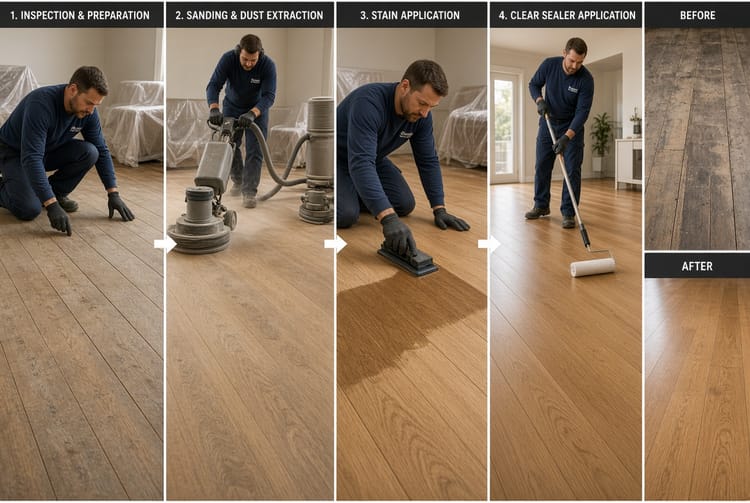
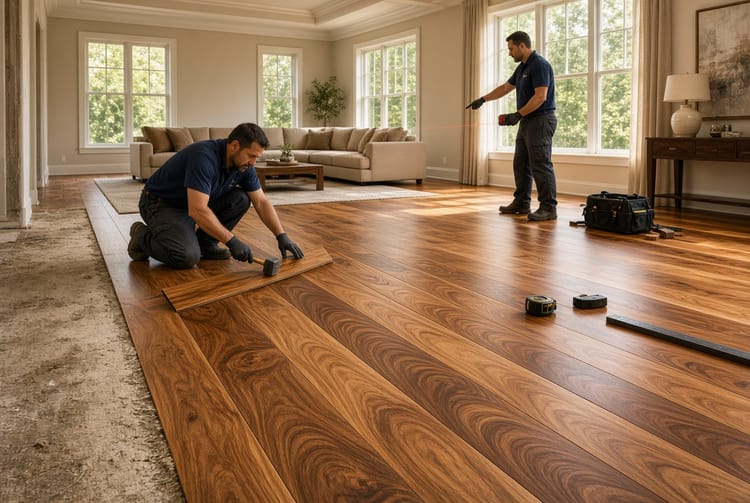
Successful sustainable grass flooring installation begins with proper subfloor preparation. Both bamboo and eucalyptus benefit from:
- Moisture testing of concrete slabs
- Acclimation period of 7–14 days in the installation space
- Use of appropriate adhesives or mechanical fastening systems
Daily maintenance stays simple for both:
- Sweep or vacuum regularly
- Damp mop with pH-neutral cleaners
- Avoid excessive water exposure
- Place felt pads under furniture legs
With these practices, either flooring choice will maintain its beauty and structural integrity for 20–50 years or more.
Real-World Applications and Design Versatility
Bamboo flooring excels in contemporary, minimalist, and Asian-inspired interiors. Its vertical or horizontal grain patterns create striking visual statements in open-concept living spaces.
Eucalyptus flooring complements traditional, transitional, and rustic designs beautifully. Its warmer tones pair elegantly with stone fireplaces and classic cabinetry.
Both materials work wonderfully with radiant heating systems and integrate seamlessly into healthy home designs focused on low-VOC materials.
Making the Right Choice for Your Home
Selecting between bamboo and eucalyptus flooring ultimately depends on your specific priorities:
- Choose strand-woven bamboo for maximum durability and fastest renewability
- Select eucalyptus for rich hardwood aesthetics at a more accessible price point
Many homeowners combine both materials strategically — using harder bamboo in high-traffic hallways and eucalyptus in bedrooms for warmth and character.
Conclusion: Choose Sustainable Flooring Wisely
Both bamboo and eucalyptus represent excellent eco-friendly flooring alternatives that deliver beauty without compromising environmental values. By understanding their unique strengths — from hardness ratings and moisture performance to growth cycles and certifications — you can make an informed decision that enhances your home for generations.
Sustainable living begins with thoughtful material choices. Invest in quality grass-based flooring today and enjoy peace of mind knowing your floors support a healthier planet.
Ready to explore eco-friendly options for your next project? Our flooring specialists can help you select the perfect sustainable solution tailored to your space, budget, and lifestyle.
Transform your home with confidence and environmental integrity.
Compare & Choose the Right Flooring for Your Home – Call Now!